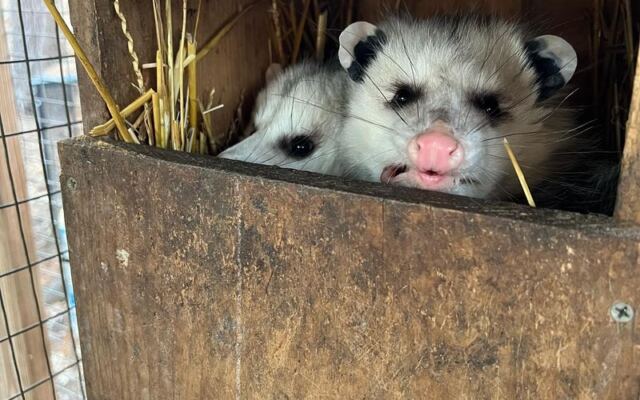
When winter nights get cold, opossums look for warm, protected spots, and sometimes that means a porch, shed, or crawl space near your house. They do not hibernate, so you may still see one wandering your yard after dark or even on a mild afternoon.
Knowing what the animal is actually doing helps you decide whether to do nothing, tidy up the yard, or call for help. Here is how to tell the difference and what to do next.
What cold weather changes for opossums
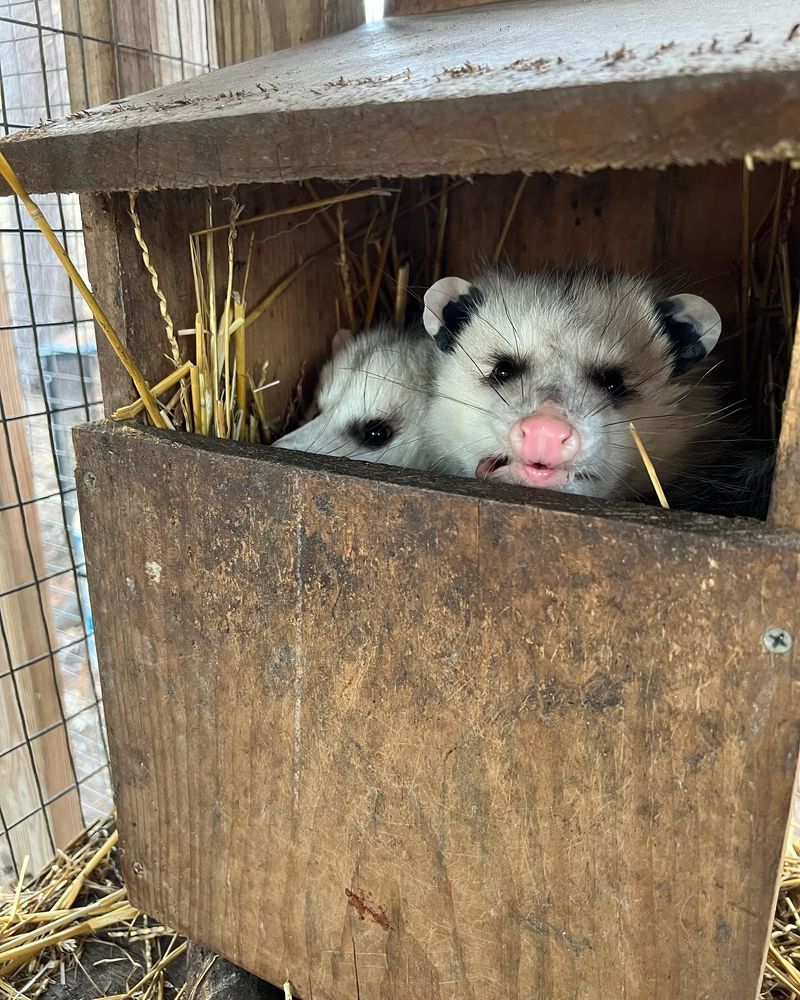
Opossums do not hibernate. Alabama’s wildlife agency notes that during very cold weather they may hole up in a den, and that winter activity can shift toward the warmer parts of the day.
That means an opossum is not asleep until spring, and you may see one out on a mild afternoon.
Alabama Cooperative Extension adds that opossums may den in houses, sheds, and barns. In other words, a protected building can be useful to one when temperatures drop.
The same Extension guide says they will scavenge garbage, bird seed, and pet food.
Here is the honest limit of what is known. The sources describe winter sheltering, winter foraging, and den use around homes.
They do not show a measured, statewide rise in Alabama home visits caused by cold nights. So the headline idea is best understood as a practical pattern: cold weather can make a sheltered spot appealing, and your property may offer more than that.
Think of three separate draws. Shelter means a dry, wind-blocked space such as a shed or the gap under a deck.
Food means anything easy to reach, from open trash cans to a bowl of cat food left on the porch. Access means an open door, a loose vent cover, or a gap in a screen.
Remove or limit any one of these and your property becomes less useful to a visiting opossum.
The sections below walk through each of them, starting with how to tell a passing visitor from a resident.
Is it passing through or using a structure?
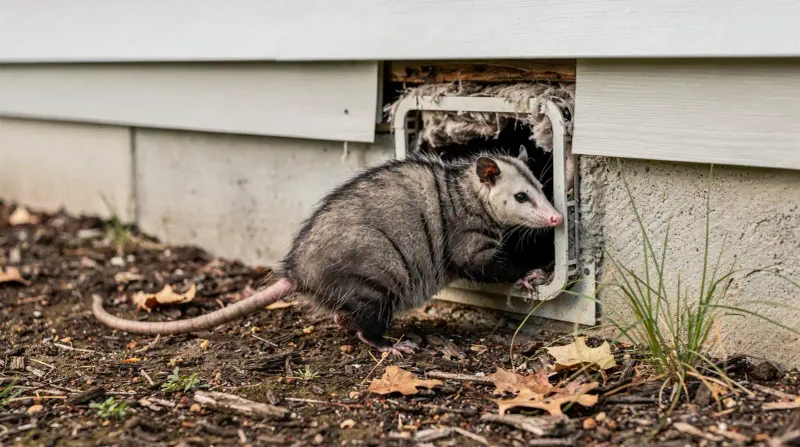
Picture three different scenes. In one, an opossum trundles across your lawn at night, sniffs around, and is gone in a few minutes.
In another, it spends its days tucked under a porch or shed. In the third, it has gotten inside a garage, barn, or house.
Each calls for a different response.
A single sighting in the yard is ordinary wildlife activity. Opossums roam widely while searching for food, and U.S.
Fish and Wildlife Service reporting describes them as nocturnal wanderers that can stay active through winter. Seeing one at night does not prove it lives on your property.
Signs of a den look different. You might notice a trail of flattened leaves or dirt leading under a structure, droppings near an opening, or the same animal appearing night after night at the same spot.
Sounds from the attic or wall, a musky smell, or shredded insulation point toward use of a building. Alabama Extension lists torn insulation and droppings among the damage denning can cause.
If you only have a passing visitor, the best move is usually to leave it alone, keep pets inside after dark, and reduce food sources. If you have evidence of a den, move on to checking openings carefully.
If the animal is inside living space, skip ahead to the indoor guidance.
Make food outside harder to reach
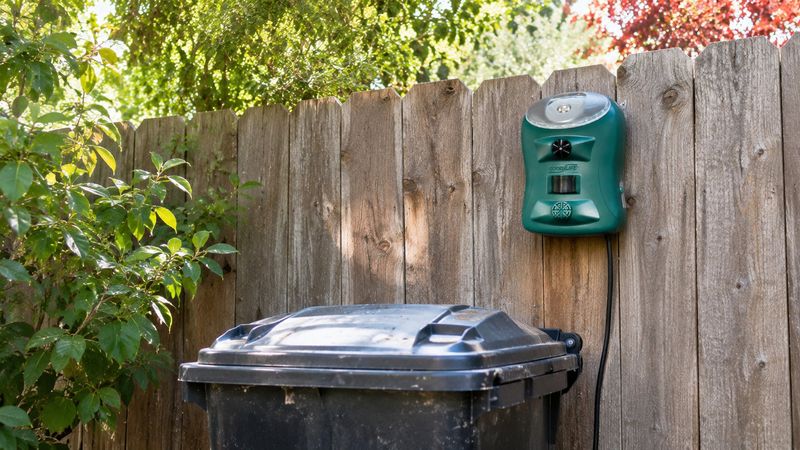
Food is the easiest part of the picture to change. Start with garbage: use cans with tight lids, and consider latches or bungee cords if raccoons and dogs also knock them over.
Keep bags inside a closed can or garage until pickup day instead of leaving them at the curb overnight.
Compost deserves the same attention. Fruit and vegetable scraps in an open pile make an easy meal.
A closed bin, or one with a secure lid and no gaps at the bottom, makes it much harder to raid.
Pet food is another common draw. Alabama Extension says opossums scavenge pet food as well as garbage and bird seed.
Feed pets at set times, bring bowls indoors before dark, and store the bag in a sealed container.
Bird feeders can quietly feed other animals. Seed that spills to the ground may attract opossums after the birds have gone to roost.
Try a tray or catch dish under the feeder, sweep up spilled seed each evening, or take feeders in at night.
The Internet Center for Wildlife Damage Management lists removing food sources among its prevention methods. The goal is a less inviting yard, not the removal of every opossum in the neighborhood.
These steps may not send an animal away right away, so give them a couple of weeks and keep at it.
Check openings before closing them
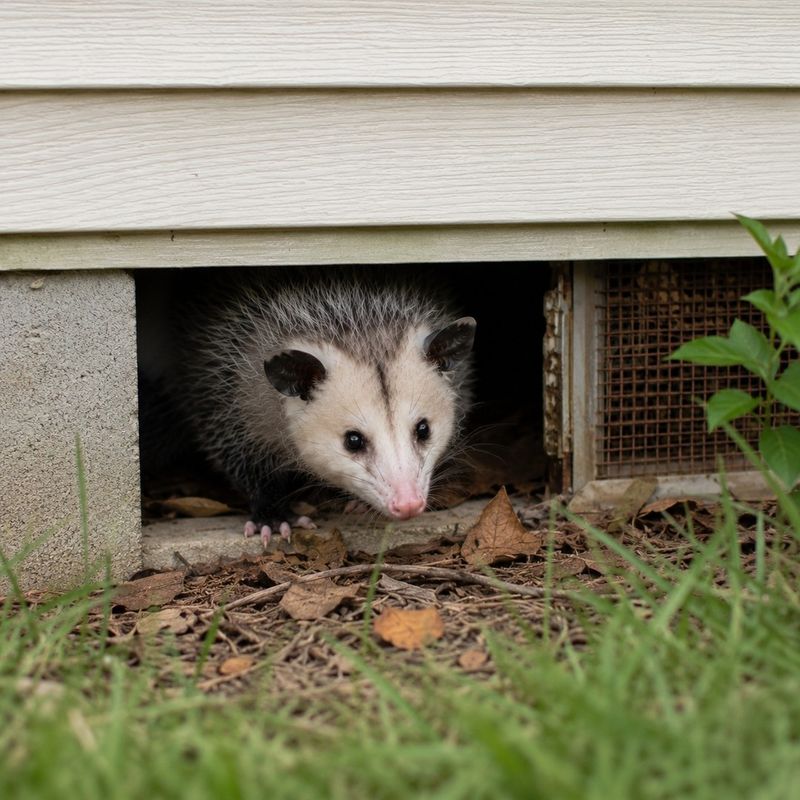
Walk the outside of your home with a flashlight, ideally in daylight first. Look at the foundation vents, gaps where pipes enter, the edges of porches and decks, and the spaces under sheds.
Torn screens, rotted boards, and loose vent covers are common entry points.
Check doors too. A garage door that does not seal at the bottom, a door left ajar, or a pet door that stays unlatched at night can all serve as a way in.
Locking pet doors after dark is a simple habit that helps.
Before you close anything, pause. Do not block a suspected den entrance until you have confirmed the animal has left.
Alabama Extension notes that females may have a winter litter, so the season alone does not make sealing safe.
Young left inside a sealed space can die and cause odor and further problems. The Opossum Society of the United States also advises checking for dependent young before any exclusion work.
A practical way to check is to look for fresh tracks or droppings at the opening over several nights, and to watch at dusk for the animal leaving. If you cannot tell whether young are inside, or if the opening leads into a wall or attic, bring in a qualified wildlife professional rather than guessing.
Give an indoor opossum space to leave
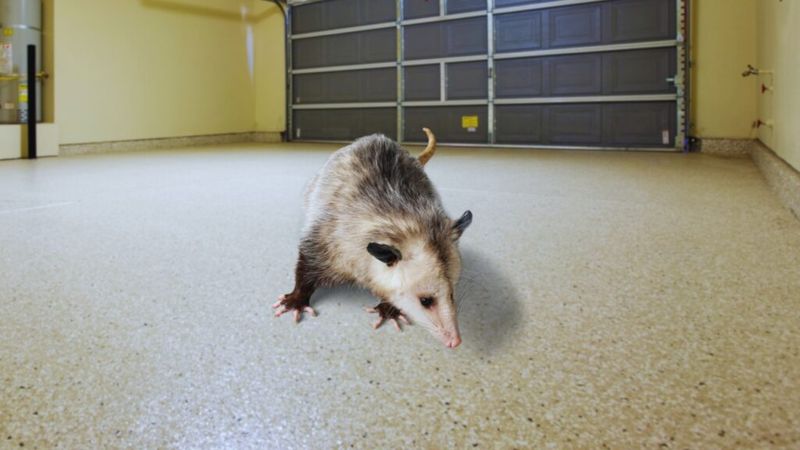
Finding an opossum in your kitchen, garage, or living room is startling, but a calm response works best. Opossums often freeze, hiss, or open their mouths wide when frightened.
That display looks fierce, yet it is usually a bluff from a stressed animal.
Start by getting people and pets out of the room. Close interior doors to keep the animal in one area, then open an exterior door or garage door if you can do so safely.
Dim the lights inside and turn on an outdoor light so the way out is clear.
Then give it time and space. Washington Department of Fish and Wildlife describes a low-contact approach for animals that wander indoors, which is to let them find the exit on their own.
Many leave within a few hours once it is quiet.
Equally important is what not to do. Do not approach it, grab it, corner it, or chase it with a broom.
Do not try to capture it and drive it somewhere else. A cornered animal may bite or scratch, and moving wildlife may also break state rules, which the next section covers.
If the animal has not left after several hours, is injured, or is stuck somewhere it cannot get out, call a qualified wildlife professional for advice.
Use qualified help for a den or trapping question
Some situations are better handled by a professional. Call for help if an opossum is denning in your attic, wall, or crawl space, if it cannot leave on its own, or if you suspect babies are inside.
A trained operator can find the entry, confirm whether young are present, and plan exclusion the right way.
Alabama keeps a public list of permitted operators. The state’s permitted nuisance wildlife control operator list includes operators authorized to work with opossums.
Checking it before you hire someone is a good habit.
Trapping is a separate question, and it is regulated. According to the state’s 2025-26 regulation book, opossums have no closed trapping season, but trapping rules still apply.
The book also says a local district-office permit may be obtained for nuisance-furbearer trapping outside the applicable seasons.
That is why you should not assume you can trap an opossum and drive it elsewhere. Rules can change from year to year, so check current state guidance or talk with an authorized operator first.
When you call, describe what you have seen: where the animal goes in and out, how long you have noticed signs, and whether you have heard small animals. That helps the operator plan a safe visit.
Get advice after a bite or possible exposure
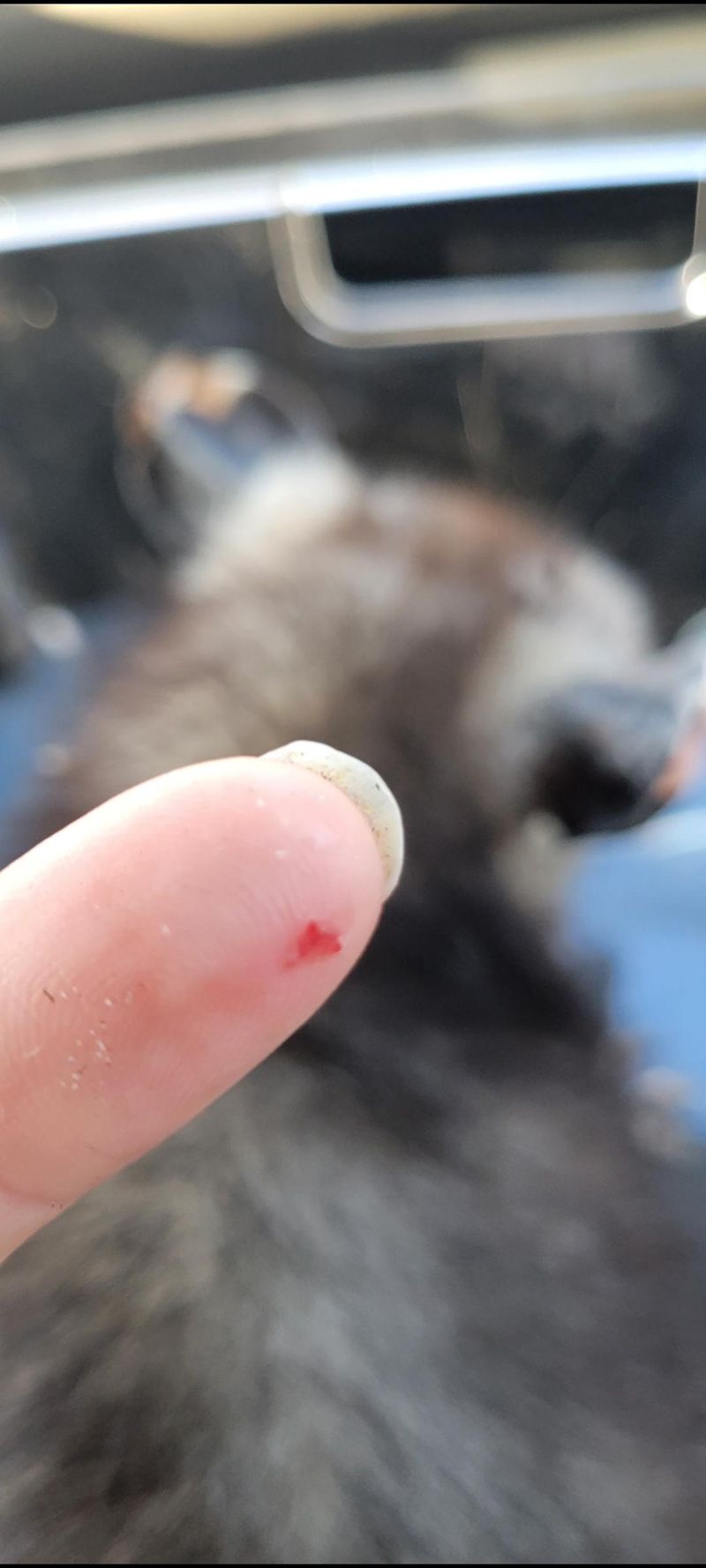
If an opossum bites or scratches you, or if a pet has a close encounter, wash the area well with soap and water and then contact a health professional or your local health department. Do this even if the wound seems small.
They can ask the right questions and tell you what steps to take.
Rabies in opossums is relatively uncommon, but the risk is not zero. The Alabama Department of Public Health’s Rabies Bite Manual explains that assessing risk for opossums and other non-reservoir species depends on the circumstances.
Those include whether the animal acted abnormally and whether it could have been exposed to a rabies reservoir.
Because of that, it is not wise to judge your own risk based on the species alone. A health professional can weigh the details of what happened.
It helps to note when and where the encounter took place, how the animal behaved, and whether anyone else, including pets, was involved. Keep your distance from the animal afterward, and do not try to catch it yourself.
If a pet was involved, call your veterinarian as well.
Match your response to what the opossum is doing
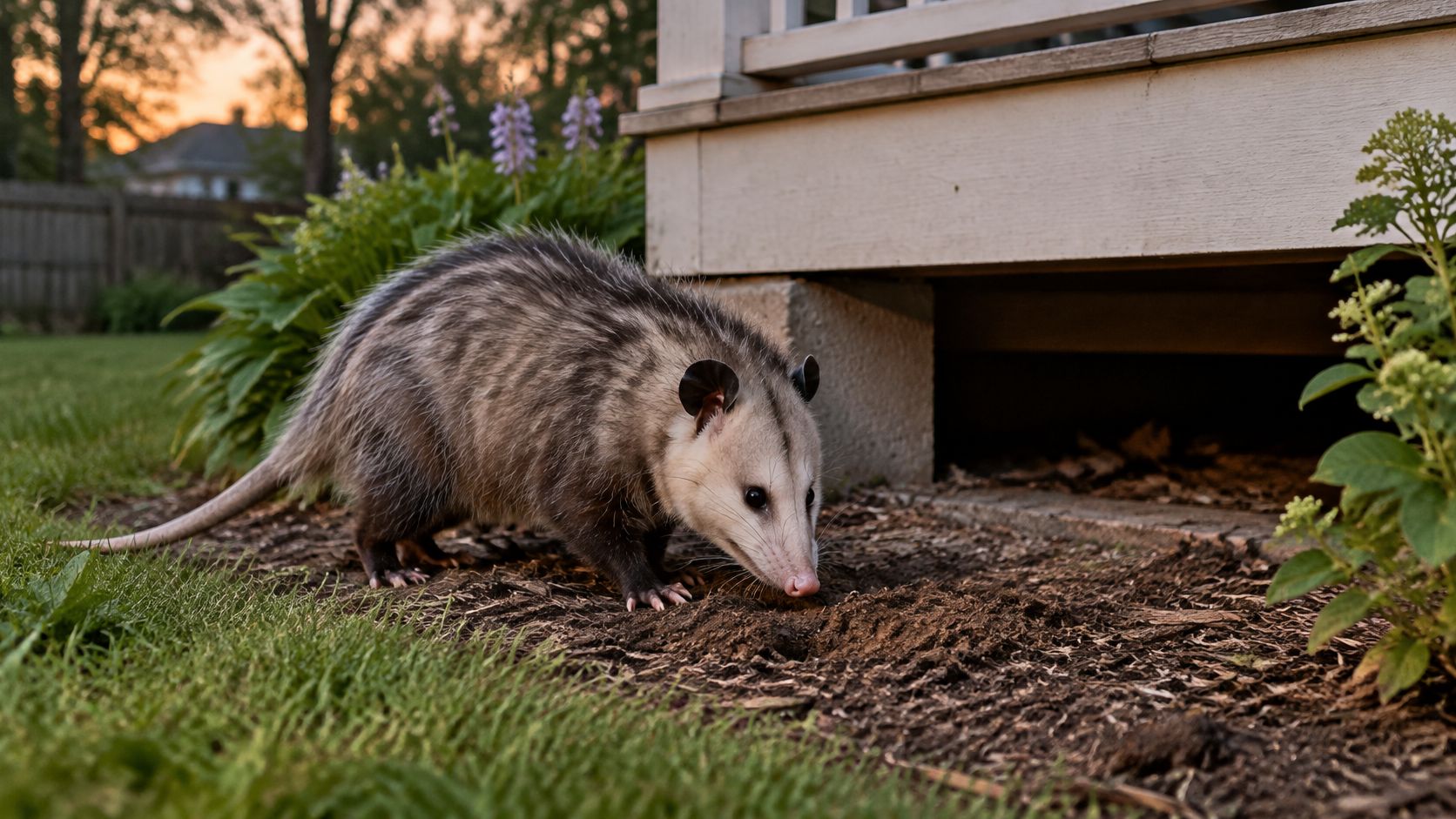
Winter sheltering can make a protected spot useful to an opossum, but a sighting alone does not mean a den, and it does not show that cold nights are sending more of them to Alabama homes. Wildlife agencies like Outdoor Alabama and the Alabama Extension describe what these animals do, not a trend.
So match your response to the evidence in front of you. Clear away easy food, look over openings with care, and call a qualified professional when an animal is using a structure.
Most nights, the opossum in your yard is simply passing through on its way to somewhere else.
Share this story