Get the latest garden guides in your inbox →
Gardening Latest
  • General Gardening
  • Lawn Care
  • Plant Care
  • Composting
  • Soil Health
  • Backyard
  • Garden Muse Magazine
  • General Gardening
  • Lawn Care
  • Plant Care
  • Composting
  • Soil Health
  • Backyard
  • Garden Muse Magazine
  • News
  • Gardening Calendar
  • Garden Structures
  • Vegetable Garden
  • Vertical Garden
  • Raised Beds
  • Hydroponics
  • General Equipment
  • Community Gardens
Garden Themes
  • Spiritual Garden
  • Hydroseeding
  • Seeding and Laying Sod
  • Artificial Grass
  • Lawn Care Equipment
  • Plants
  • Trees
  • Planting Tools
  • Composting Basics
  • Fertilizer
  • Alternative Growing Mediums
  • Front Yard
  • Backyard Activities
  • Landscaping
Gardening Latest

Explore by state

Which state is your garden in?

Currently viewing Alabama

All states

Northeast

  • Connecticut —
  • Delaware 44
  • Maine —
  • Maryland 31
  • Massachusetts 47
  • New Hampshire —
  • New Jersey 31
  • New York 40
  • Pennsylvania 40
  • Rhode Island —
  • Vermont —

Southeast

  • Alabama 30
  • Arkansas —
  • Florida 31
  • Georgia 31
  • Kentucky 45
  • Louisiana 29
  • Mississippi —
  • North Carolina 29
  • South Carolina 44
  • Tennessee 27
  • Virginia 30
  • West Virginia —

Midwest

  • Illinois 29
  • Indiana 32
  • Iowa 44
  • Kansas —
  • Michigan 31
  • Minnesota 29
  • Missouri 29
  • Nebraska —
  • North Dakota —
  • Ohio 31
  • South Dakota —
  • Wisconsin 45

Southwest

  • Arizona 30
  • Colorado —
  • Nevada —
  • New Mexico —
  • Oklahoma —
  • Texas 29
  • Utah —

West

  • Alaska —
  • California 30
  • Hawaii —
  • Idaho —
  • Montana —
  • Oregon —
  • Washington —
  • Wyoming —

No state matches that search.

Site menu

Gardening Latest
  • General Gardening
    • News
    • Gardening Calendar
    • Garden Structures
    • Vegetable Garden
    • Vertical Garden
    • Raised Beds
    • Hydroponics
    • General Equipment
    • Community Gardens
    Garden Themes
    • Spiritual Garden
  • Lawn Care
    • Hydroseeding
    • Seeding and Laying Sod
    • Artificial Grass
    • Lawn Care Equipment
  • Plant Care
    • Plants
    • Trees
    • Planting Tools
  • Composting
    • Composting Basics
  • Soil Health
    • Fertilizer
    • Alternative Growing Mediums
  • Backyard
    • Front Yard
    • Backyard Activities
    • Landscaping
  • Garden Muse Magazine

Explore

  • About GardeningLatest.com
  • Contact Us

Get the latest from the garden

New guides on lawn care, plants and backyard projects, sent when they go up.

Subscribe →

Follow

  • Facebook
  • X
  • Pinterest
  • YouTube
Alabama Gardening

Alabamians, Here’s What Daily Celery Is Actually Doing Inside Your Body

Eating celery every day adds a crunchy, watery, low-calorie vegetable to your meals, and that is the real story.

LT

By Loretta Tate

November 28, 2026 · 6 min read

Alabamians, Here’s What Daily Celery Is Actually Doing Inside Your Body
Alabamians, Here's What Daily Celery Is Actually Doing Inside Your Body

Eating celery every day adds a crunchy, watery, low-calorie vegetable to your meals, and that is the real story. Nothing in the research shows that ordinary celery stalks detox your body, clear your skin, or treat disease.

Still, celery can be a handy part of a varied diet, and a few details about juice, blood pressure, and safety are worth knowing. Here is what the evidence says in plain words.

At a glance

Where
Alabama Gardening
Hardiness zone
8 10 to 20°F
Read
6 minutes
Published
November 28, 2026

What celery adds to an ordinary meal

What celery adds to an ordinary meal
© EatBetter app

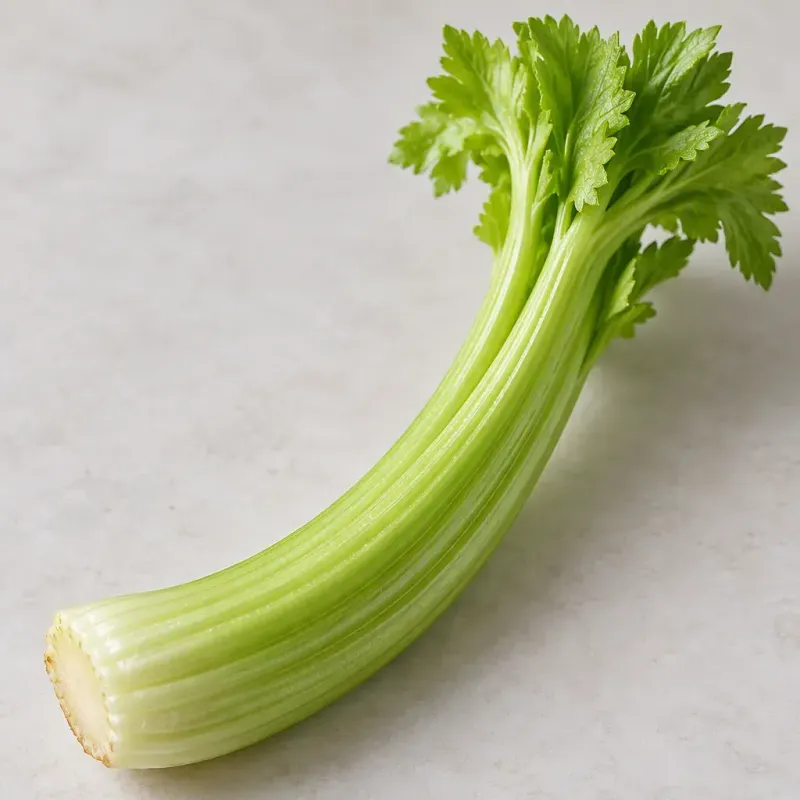
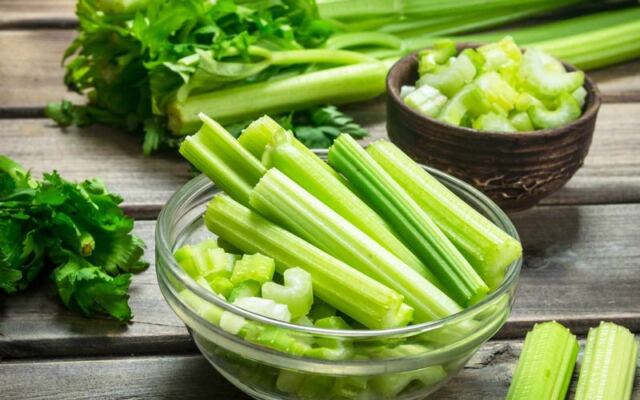
Celery is a simple vegetable. It is crunchy, mostly water, and low in calories, which makes it an easy way to add a little bulk and texture to a plate.

You can chop it into tuna salad, simmer it into soup, or dip it in peanut butter or hummus.

For a sense of scale, the FDA reference for raw vegetables lists 15 calories for two medium raw celery stalks, which weigh 110 grams. That number is a nutrition reference used for food labels.

It is not a recommended daily serving, and it is not a sign of any special health effect.

Government food databases such as USDA FoodData Central list raw celery as one of many vegetable entries. Nothing there says you must eat it every day.

So the honest baseline is modest. Celery is a useful food, the way many vegetables are useful.

It is not a treatment, and the rest of this article keeps that line clear. If you like the taste and crunch, celery is an easy habit.

If you do not, plenty of other vegetables do similar work.

Nothing about this changes for people in Alabama. The sources reviewed give no reason to think residents of any state need a different amount or get a different effect from celery.

Whole celery keeps more of its fiber than strained juice
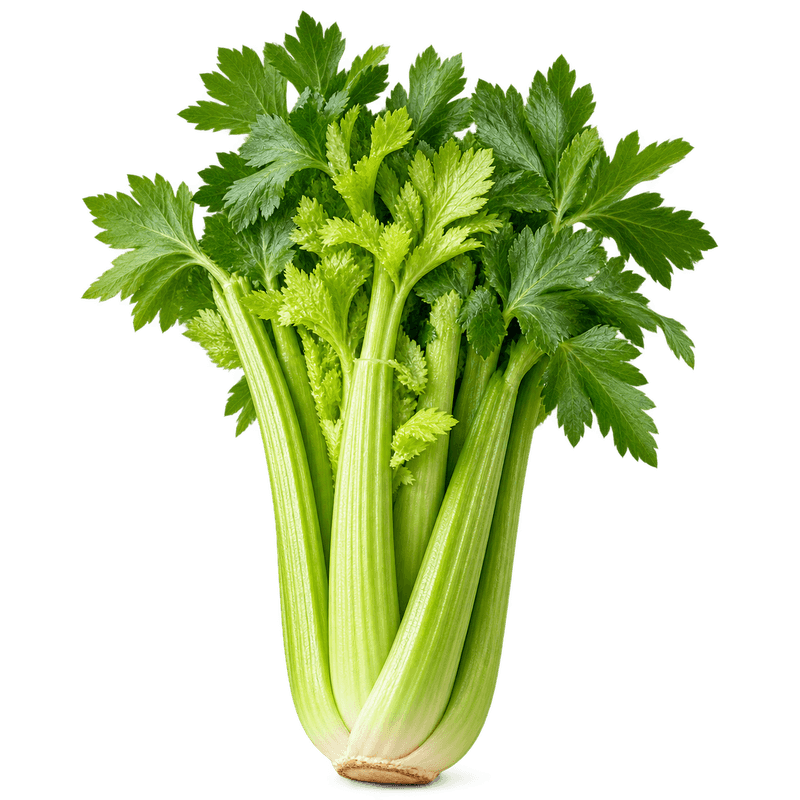
Whole celery keeps more of its fiber than strained juice
© Tuscany Cuisine

How you eat celery changes what you get. A whole stalk keeps all of its fiber.

Blending it without straining keeps most of the plant material too, since the pulp stays in the drink.

The trials used varied celery preparations, and the analysis found substantial heterogeneity, meaning the results differed a lot from study to study.

Juicing is different. Oregon State University Extension notes that straining celery juice removes much of the fiber.

The same review found no established benefit from drinking celery juice on an empty stomach, so there is no proof that timing makes it special.

General guidance from Mayo Clinic on juicing points the same way. Blending whole produce keeps more fiber than extracting juice, so it is the better pick if fiber matters to you.

Practically, that means whole celery is the straightforward choice. Slice it into a salad, snack on it with a dip, or toss it into a stir-fry.

If you enjoy celery juice, you can still drink it, but think of it as a beverage rather than something better than the stalk. Nothing in the cited evidence puts juice ahead of whole celery.

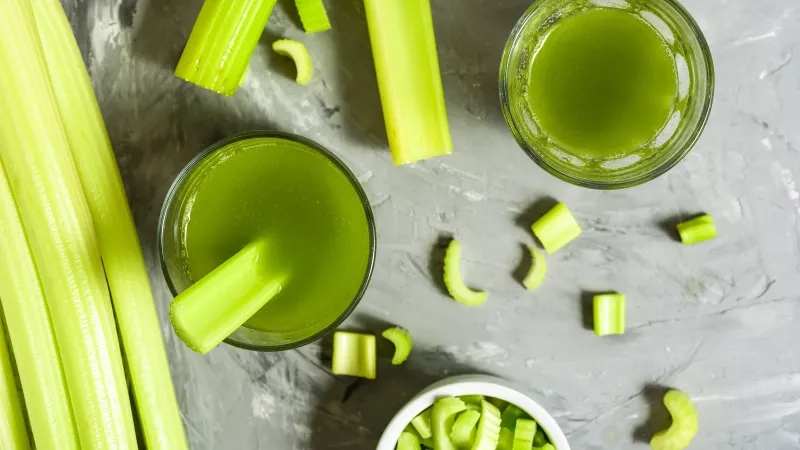
Detox and skin claims remain unproven
Detox and skin claims remain unproven
© GoodRx

Few foods collect as many big promises as celery. You may have heard that it detoxes the body, cleanses the liver, calms bloating, fixes digestion, or clears acne.

Those claims are everywhere online, but they are not established by the studies that have been reviewed.

The Oregon State University Extension review looked at claims about celery juice, including relief from bloating and clearer skin. It found they were not supported by studies, and it said celery juice taken alone needs more research.

That means nobody can honestly say celery is doing a special cleanup job inside your body. Your liver and kidneys already handle that work, and no study of celery shows it helps them along.

If you struggle with stubborn bloating, digestive trouble, or acne, celery is not a reliable fix. A health professional can help sort out causes and treatments that have real evidence behind them.

Meanwhile, eating celery as part of a regular meal is fine. Just keep it in the food category, not the remedy category.

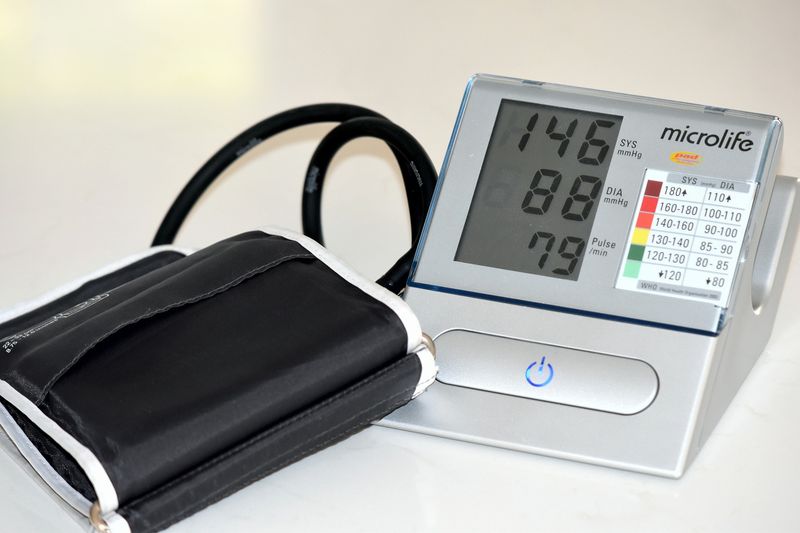
What the blood-pressure research can and cannot show
What the blood-pressure research can and cannot show
© Natural Health Research

Blood pressure is where celery research gets interesting. A 2025 meta-analysis combined 10 randomized trials with 511 participants.

It reported improvements in blood pressure and some metabolic measures.

The catch is in the details. The trials used varied celery preparations, and the analysis found substantial heterogeneity, meaning the results differed a lot from study to study.

The authors called for larger, longer trials before anyone can say how much celery works or what it does over time.

That is not proof that eating ordinary celery stalks every day lowers blood pressure. It also does not show that celery juice does.

One of the studies is a 2022 trial of celery seed extract capsules, given at 1.34 grams per day for four weeks to 52 people with hypertension. That is supplement evidence.

It does not show that a stalk on your plate has the same effect.

If you take blood-pressure medication, do not start, stop, or change it because of celery. Celery is not a substitute for prescribed care.

Talk with your doctor or pharmacist about any change, and keep taking your treatment as directed.

Variety matters more than a celery ritual
Variety matters more than a celery ritual
© OneGreenPlanet

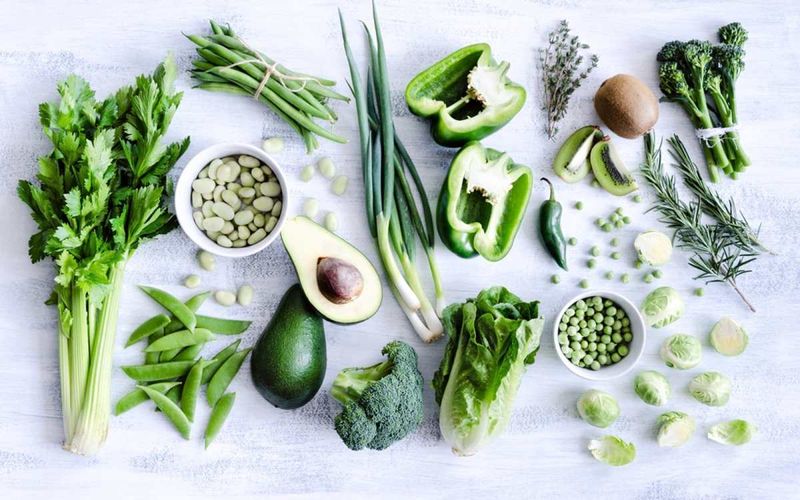
Federal food advice cares more about variety than about any single vegetable. The current Dietary Guidelines for Americans are the 2025 to 2030 edition, and they encourage eating a range of foods across food groups.

They do not call for daily celery.

The daily serving guide gives measures you can picture: one vegetable serving is 1 cup raw or cooked, or 2 cups of leafy greens. Celery can count toward that total, right alongside carrots, peppers, spinach, tomatoes, and beans.

A good rule is to rotate. Celery on Monday, collard greens on Tuesday, okra or sweet potatoes later in the week.

Each vegetable brings something different to the plate.

Whatever you choose, wash it. CDC food safety guidance says to rinse fresh produce under running water before eating, cutting, or cooking.

Do not wash it with soap or bleach.

When to ask for individualized advice
When to ask for individualized advice
© Consumer Lab

For most people, celery is an ordinary food with no special rules. A few situations call for a quick check with a professional.

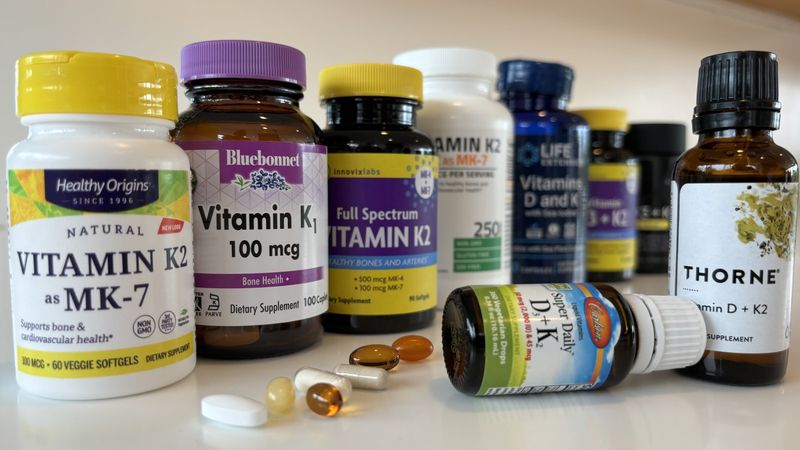
If you take warfarin, keep your vitamin K intake consistent, as the NIH Office of Dietary Supplements advises. You do not have to avoid celery.

Just check with your anticoagulation team before making a major dietary change, such as starting daily celery juice.

Allergy is the other caution. Celery allergy is reported, and reactions can be severe in some people.

If you have ever had hives, swelling, or trouble breathing after eating it, get medical advice.

Celery can also cause a skin reaction to sunlight. DermNet describes this photosensitivity particularly in people who handle the plant, and cases linked to eating it are rare.

It is a footnote, not a reason to fear the produce aisle.

If you enjoy celery, eat it. If you do not, nothing is lost.

A vegetable is still just a vegetable, and that is a perfectly good thing to be.

Share this story
LT

Written by

Loretta Tate

More from Loretta Tate →

About Gardening Latest

Gardening Latest provides in-depth guides to maintaining and enhancing your garden and backyard. Learn how to make the most of the space you have and create a beautiful garden.

More about us →

Latest stories

  • South Carolina GardeningSpotted a Big Black Snake Sunning on Your South Carolina Porch Steps This Winter? Here’s Which One It Is

    Spotted a Big Black Snake Sunning on Your South Carolina Porch Steps This Winter? Here’s Which One It Is

    Just now
  • Kentucky GardeningThat Loud Drumming on Your Kentucky Gutters at Dawn Is a Woodpecker Claiming Its Territory

    That Loud Drumming on Your Kentucky Gutters at Dawn Is a Woodpecker Claiming Its Territory

    6 min ago
  • Florida GardeningA Florida Mammal Weighing About Two Quarters Is Venomous, and It Hunts in Your Mulch

    A Florida Mammal Weighing About Two Quarters Is Venomous, and It Hunts in Your Mulch

    12 min ago
  • Maryland GardeningMeet the Tiny Mammal With a Venomous Bite That Hunts Under Maryland Lawns All Winter Long

    Meet the Tiny Mammal With a Venomous Bite That Hunts Under Maryland Lawns All Winter Long

    19 min ago
  • Iowa GardeningFound Bright Orange Jelly Blobs on Your Iowa Cedar Tree? Here’s What’s Growing There

    Found Bright Orange Jelly Blobs on Your Iowa Cedar Tree? Here’s What’s Growing There

    25 min ago

Gardening by state

Stories for your state, and the hardiness zone most of it gardens in.

Keep exploring

Read next

All Alabama Gardening →
Alabama GardeningAlabama Yards Hide Venomous Snakes, Spiders, And Even Caterpillars, So Here’s How To Spot Each One
Alabama Gardening

Alabama Yards Hide Venomous Snakes, Spiders, And Even Caterpillars, So Here’s How To Spot Each One

5 hr ago
Alabama GardeningOpossums Come Around Alabama Homes When Winter Nights Turn Cold, and Here’s What to Do
Alabama Gardening

Opossums Come Around Alabama Homes When Winter Nights Turn Cold, and Here’s What to Do

8 hr ago
Alabama GardeningYellow Jackets Nesting In The Ground Near Your Alabama Home? Here’s How To Handle Them
Alabama Gardening

Yellow Jackets Nesting In The Ground Near Your Alabama Home? Here’s How To Handle Them

23 hr ago

More from Alabama Gardening

  • Alabama’s Tiny Mammal With a Venomous Bite Spends All Winter Hunting Beneath Your Leaf-Covered Lawn

    Nov 26
  • Fire Ant Mounds Popping Up Across Your Alabama Yard After a Rain Are Telling You Something

    Nov 26
Back to top

Leave a response Cancel

Your email address stays private. Required fields are marked with an asterisk.

Gardening Latest

In-depth guides to maintaining and enhancing your garden and backyard: how to make the most of the space you have, and how to make it beautiful.

  • Facebook
  • X
  • Pinterest
  • YouTube

We may earn a portion of sales from products or services that are purchased through our site as part of our affiliate partnerships with retailers.

Explore

  • About GardeningLatest.com
  • Contact Us
  • Terms and Conditions
  • Privacy
  • Editorial Note:
  • FTC Disclosure

Newsletter

New garden guides and seasonal tips, straight to your inbox.

We’ll email you a link to confirm. Unsubscribe any time.

Almost there! Check your inbox and tap the link to confirm.

© 2026 Gardening Latest. All rights reserved.

Back to top