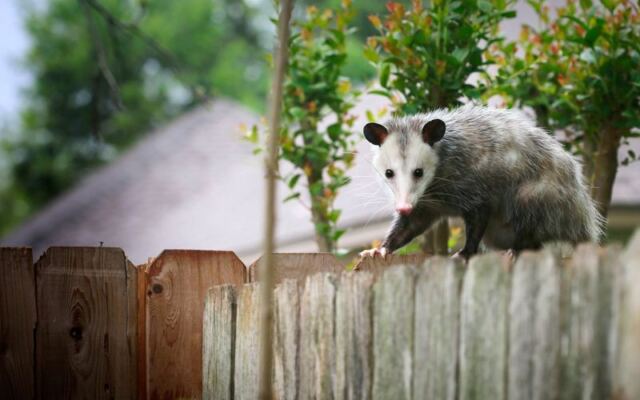
Tennessee possums do turn up on porches in winter, and the reason is usually simple: something on or under your porch is useful to them. Cold weather happens to be the season when many homeowners notice the visitor, but the chill itself is rarely the whole story.
An easy meal or a dry, sheltered corner is a much better clue. Knowing which one is at work helps you respond calmly and safely.
Cold weather can change activity without causing porch visits
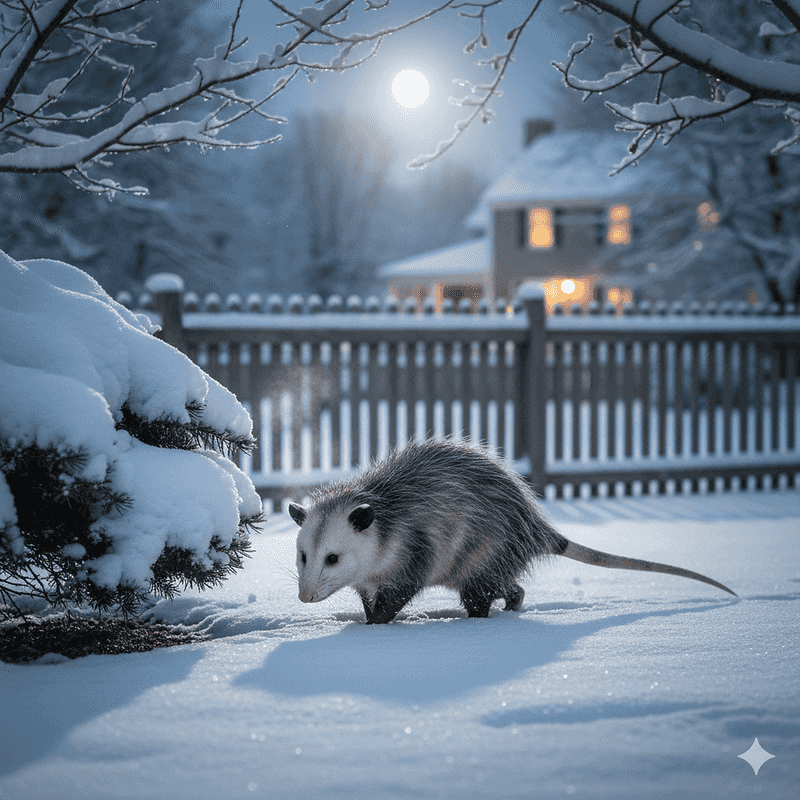
Opossums do not hibernate. In winter they tend to slow down, so you may see fewer of them, and some forage only when conditions are milder or stay tucked in a den during very cold spells, as described by Alabama Cooperative Extension.
That matters because reduced activity is not the same as hibernation. An opossum that is resting through a freezing night and then wandering out on a calmer evening is simply managing its energy.
So when you spot one on the porch on a chilly night, resist the urge to blame the cold. Available evidence does not show that cold nights alone cause a surge in porch visits in Tennessee.
There is no known temperature cutoff that sends opossums to your door. The timing may just be a coincidence, since people spend more time indoors noticing porch lights and sounds, and leaves are off the trees, so animals are easier to spot.
It also helps to know that seeing an opossum in winter, or even in daylight, does not show that it is sick. Opossums are mostly nocturnal but not exclusively so, and the Smithsonian’s National Zoo notes that they can be active at other times.
A hungry animal may stretch its schedule when food is scarce.
Instead of asking whether the weather brought it, ask what is on your porch that is worth the trip. Two answers are far more likely: accessible food, or a sheltered spot where it can rest.
The next sections look at each.
What food around a porch can attract an opossum?
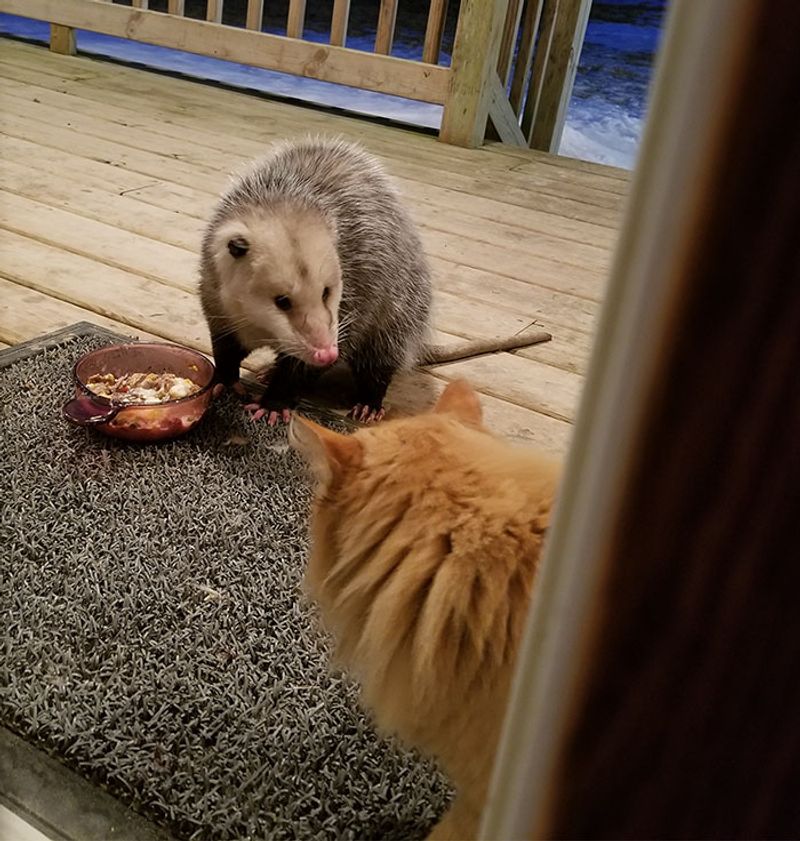
Opossums will eat nearly anything that is easy to find. TWRA describes them as omnivorous scavengers that eat invertebrates, fruit and berries, bird eggs, small animals, and carrion.
Wildlife biologists call this opportunistic feeding, which just means they take what is available.
Around a home, that menu translates into a few familiar items. Pet food left out overnight, garbage in loose or open bins, and birdseed that spills below a feeder are common draws, along with fallen fruit from backyard trees, according to UC IPM.
Insects, snails, and the occasional dead animal in the yard count too.
A porch makes a convenient stop on the route if a bowl or bag sits close by. Because a meal can be reason enough, a visit does not mean the animal lives anywhere near you.
It may be passing through on a nightly foraging loop that includes several yards.
You may have heard that opossums gobble up thousands of ticks and will clear your yard of them. That claim is not reliable.
A 2021 study of stomach contents from 32 wild opossums found no ticks or tick parts, and the researchers concluded ticks were not a preferred food.
So do not count on an opossum as free pest control. Treat it as a wild scavenger drawn by whatever is easy to eat, and take a quick look at your porch, bins, and feeders to see what it might be finding.
A porch may offer shelter—or just a path
Picture two very different visitors. One trots across the boards, sniffs around, and is gone in a minute.
The other slips into the dark space beneath the porch and stays.
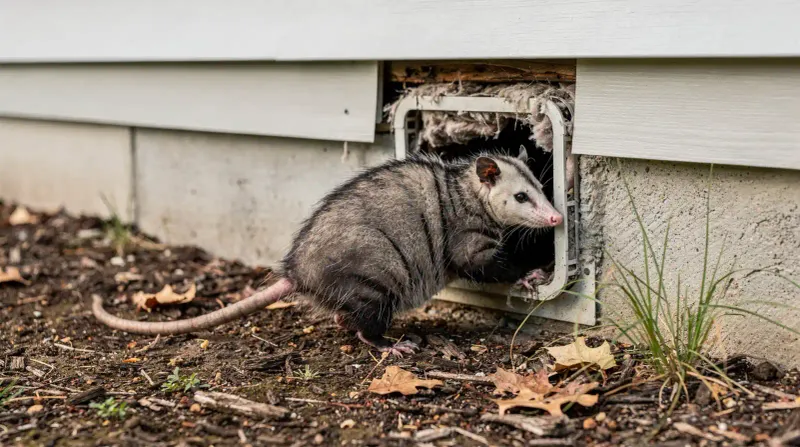
Both are possible. Opossums can use sheltered spots, and UC IPM notes that they may den under porches, decks, and sheds.
But an opossum on your porch is not proof that one is living there. Many are simply moving through while they forage.
Signs that deserve a closer look are repeated ones. You might notice activity near the same gap over several nights, disturbed leaves or bedding material around an opening, or sounds from beneath the structure.
No single clue settles the question, so treat each one as a reason to keep watching rather than a verdict.
It helps to remember that opossums are not especially fussy about shelter. According to Alabama Cooperative Extension, they make use of existing cavities and do not dig elaborate dens of their own, so a gap beneath a deck can look appealing.
Check from a comfortable distance, in daylight, and do not poke into the opening. Gathering information first keeps both you and the animal safe, and it keeps you from acting on a guess.
Remove easy meals before the next night’s visit
Start with the things you can change tonight. Bring pet food inside before dark, and wash or put away the bowl so no scraps remain.
If you feed outdoor cats, set a feeding window and pick up whatever is left.
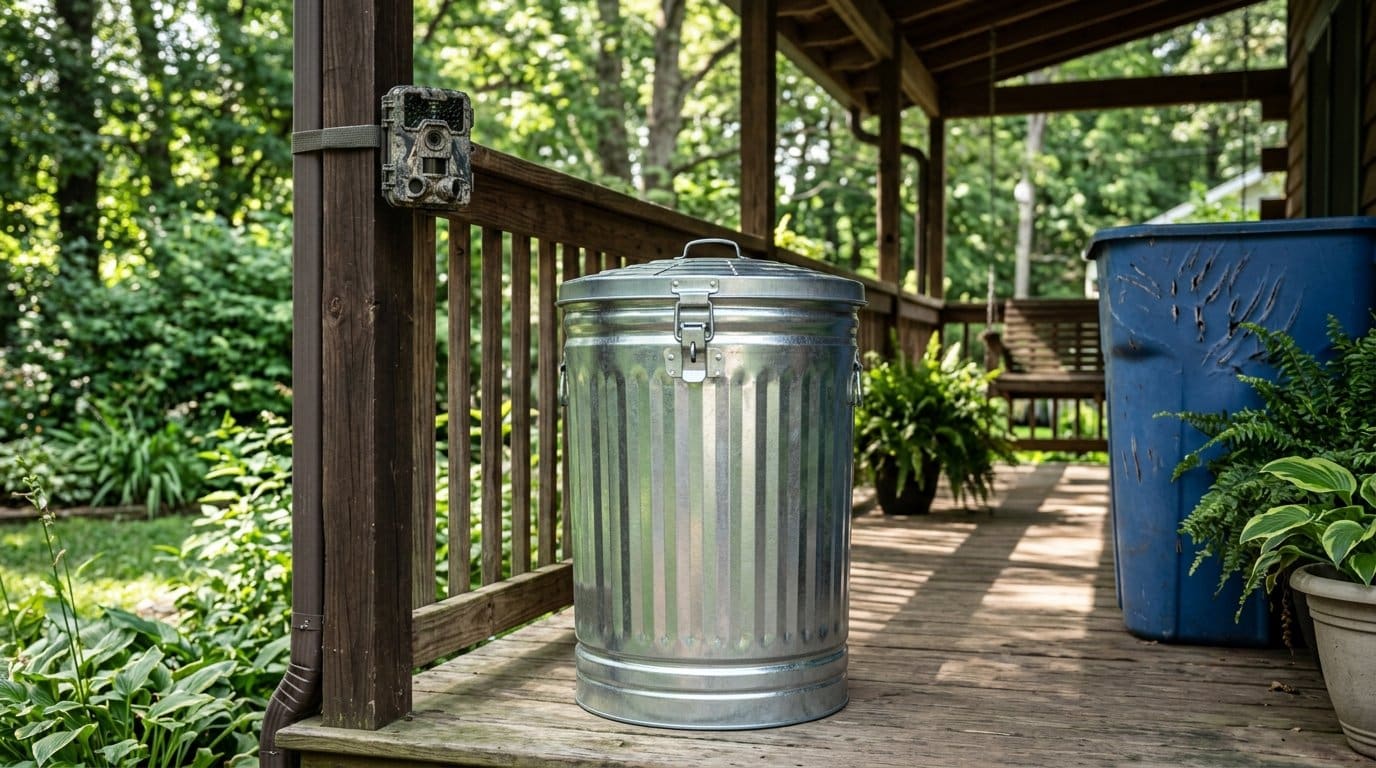
Next, look at the trash. Garbage cans with tight-fitting lids are far harder to raid, and keeping them in a garage or shed until pickup day helps even more.
Both approaches are recommended by UC IPM.
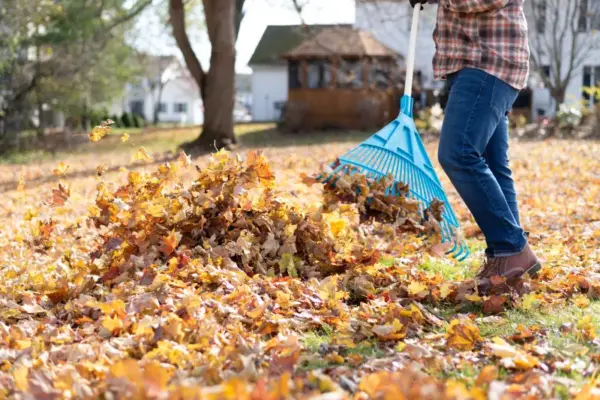
Fallen fruit is another quiet attraction, so rake up apples, persimmons, or pears from beneath backyard trees. Birdseed matters too.
Use trays or catchers under feeders, sweep up spilled seed each evening, or bring feeders in at night.
Compost piles and open bags of livestock or pet feed can also draw scavengers, as the Alabama extension notes in describing their varied diet.
Please do not feed an opossum on purpose, even with the kind thought of helping it through winter. CDC guidance advises against feeding or approaching wildlife, because it teaches animals to return and brings people into closer contact with them.
These steps make your porch less appealing, but they cannot promise that an opossum will stay away. Neighbors’ yards, natural food, and nearby shelter all play a role.
Think of it as lowering the odds rather than building a wall.
Wait to exclude an opossum until the space is empty
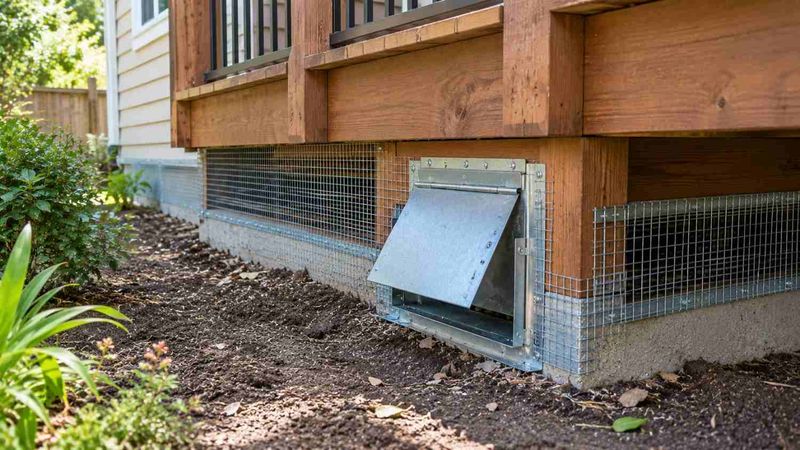
If you think an opossum is denning beneath your porch or deck, patience is the most useful tool. Do not seal the opening until you have confirmed the animal has left and that no young remain inside.
Closing a hole too early can trap an adult or leave babies behind, which is harmful and creates a worse problem.
UC IPM describes two careful approaches. One is monitoring the opening for activity over several nights, using simple signs such as disturbed material at the entrance, to learn whether the space is still in use.
The other is a one-way exit, a device that lets the animal leave but not come back in.
Once you are sure the space is empty, mesh exclusion is a longer-term option. Sturdy wire mesh fastened around the base of the porch or deck, extended below ground level, can keep future visitors from moving in.
Spring is a good reminder of why checking matters, since young may be present in other seasons too. If you cannot tell whether anyone is inside, pause rather than guess.
Avoid handling, cornering, or casually trapping the animal. Those moves put you at risk of a bite and may break local rules.
If the situation feels beyond a simple wait-and-watch, the next section covers where to turn for help.
Keep your distance and get local help when needed
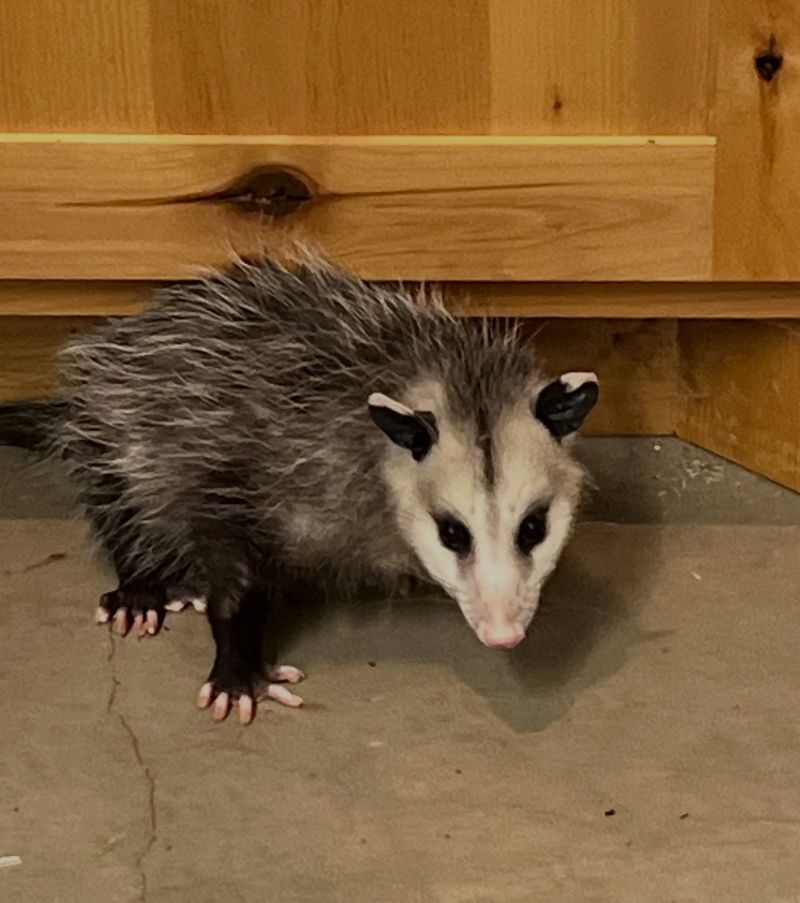
Whatever the opossum is doing, give it space. Supervise pets, especially at night, and bring dogs and cats inside when you notice one around.
Do not approach, feed, or handle it. After any contact with wildlife or its droppings, wash your hands, as CDC guidance recommends.
Opossums are not immune to rabies. In Tennessee, however, cases in opossums are reported as rare, not impossible, according to the Tennessee Rabies Primer.
A winter or daytime sighting alone does not mean the animal is sick.
If a person or pet is bitten, or saliva gets into a wound or the eyes or mouth, wash the area well and contact a medical or public-health professional right away. The Tennessee Department of Health offers rabies information and can point you toward next steps.
Call your veterinarian too if a pet was involved.
When an animal needs to be removed, do not assume that trapping or relocating is allowed. Check current local requirements first, then contact TWRA or an appropriate wildlife professional.
TWRA explains that permitted Animal Damage Control operators may assist landowners for a fee.
Calling for help is not an overreaction. A trained person knows the rules, handles animals safely, and can check for young before anything is closed up.
A safer porch starts with food, distance, and patience
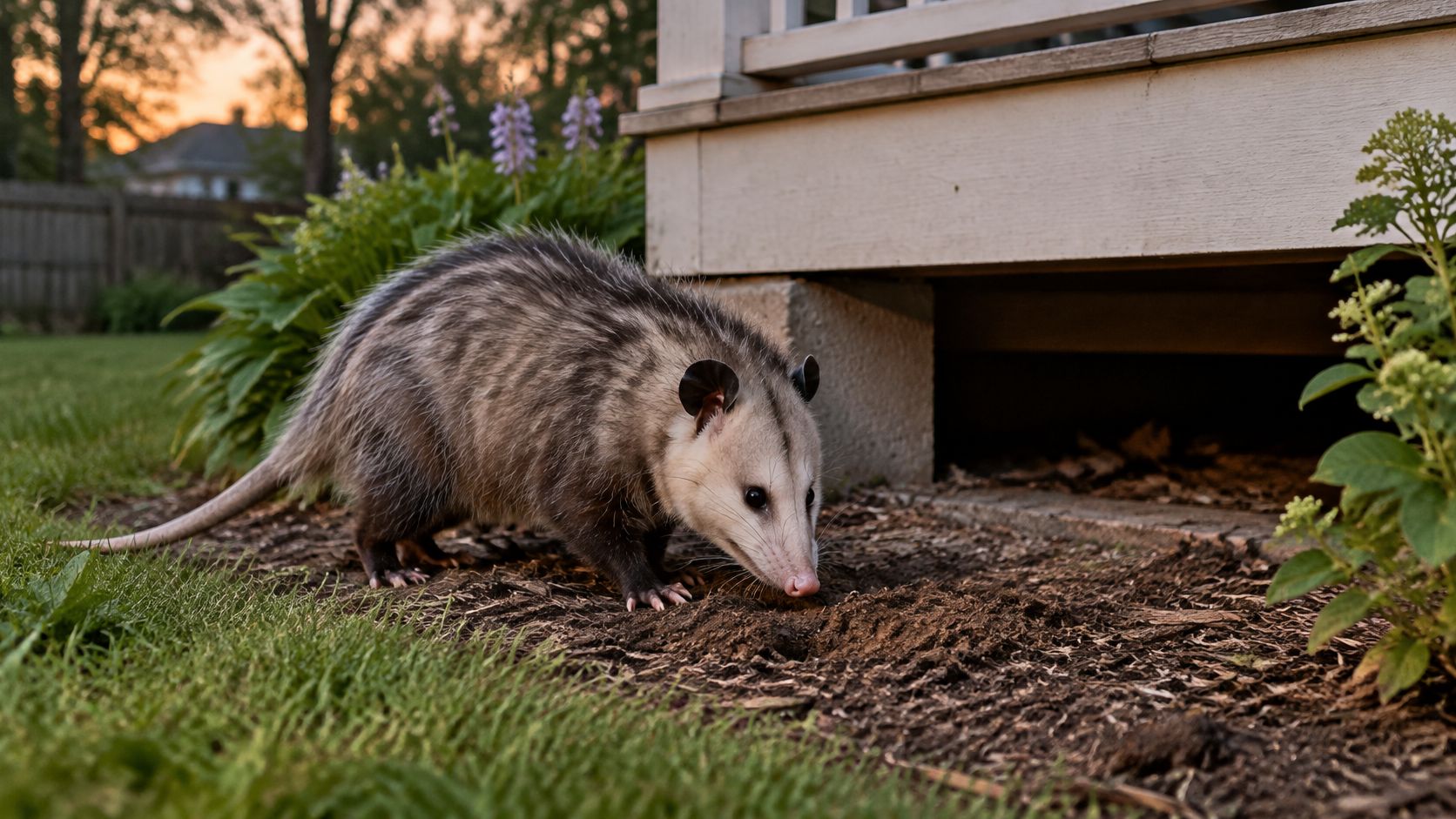
Work through it in order. First, remove accessible food, following UC IPM tips.
Second, watch from a distance and keep pets close, per CDC advice. Third, confirm that an animal has left before blocking any opening.
A cold-night sighting alone does not explain why it came. If you are unsure, TWRA’s damage control page is a good place to start.
Most porch visitors are just hungry and passing through.
Share this story