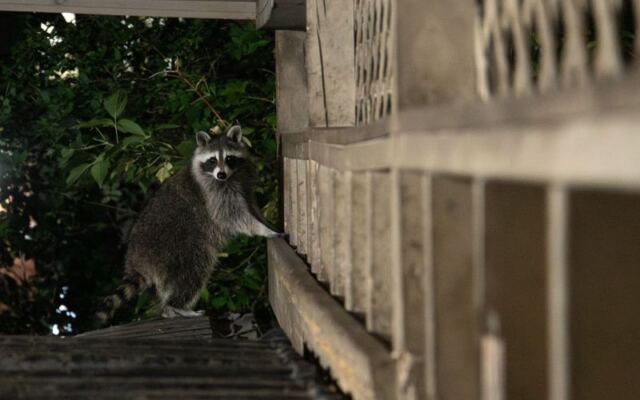
Yes, in Wisconsin you can hunt or trap a raccoon on your own property all year without a hunting or trapping license, if you are the owner or occupant, or a family member who lives with you. That rule gives frustrated homeowners real options when a raccoon is tearing into trash cans, sheds, or attics.
It does come with limits on where you can fire a gun and how you handle a trapped animal. Knowing those limits first keeps you safe and on the right side of the law.
Who qualifies for the year-round exception
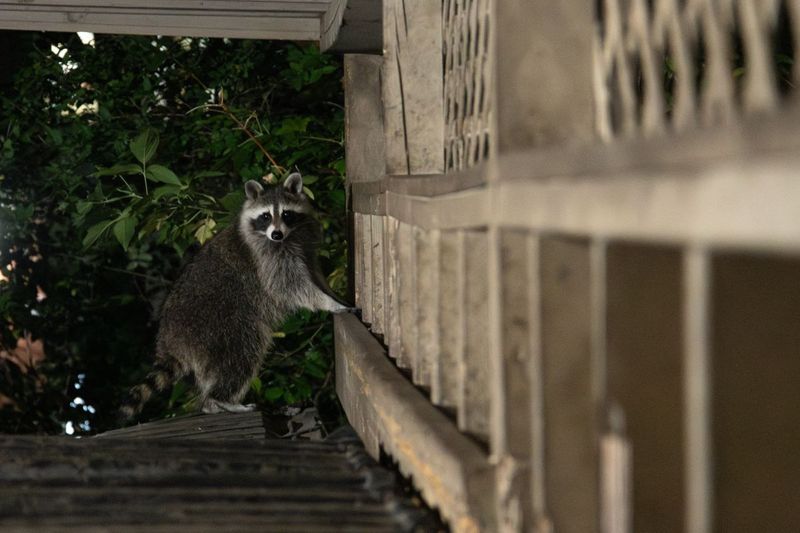
Wisconsin DNR lets a property owner or occupant, plus qualifying family members who live with them, hunt or trap raccoons on that property year-round without a hunting or trapping license, according to the DNR landowner exceptions page. So if the raccoon is on your land and you live there, the license itself is not the barrier.
That is a different path from the regular raccoon season. For 2026-27, the DNR fall forecast lists October 17, 2026 as the start date for residents and October 31, 2026 as the start date for nonresidents.
The season ends February 15, 2027 for both groups.
Those dates matter for people who do not qualify for the property exception. They do not shrink the separate year-round exception for an eligible owner, occupant, or family member on their own land.
Keep the wording of the rule in mind. It covers specific people on a specific property, so it is not the same as saying anyone at all may remove raccoons there without a license.
The exception also does not wipe out other restrictions. Rules about firearms and trapping methods still apply, and the next sections walk through them one at a time.
An agent has different requirements
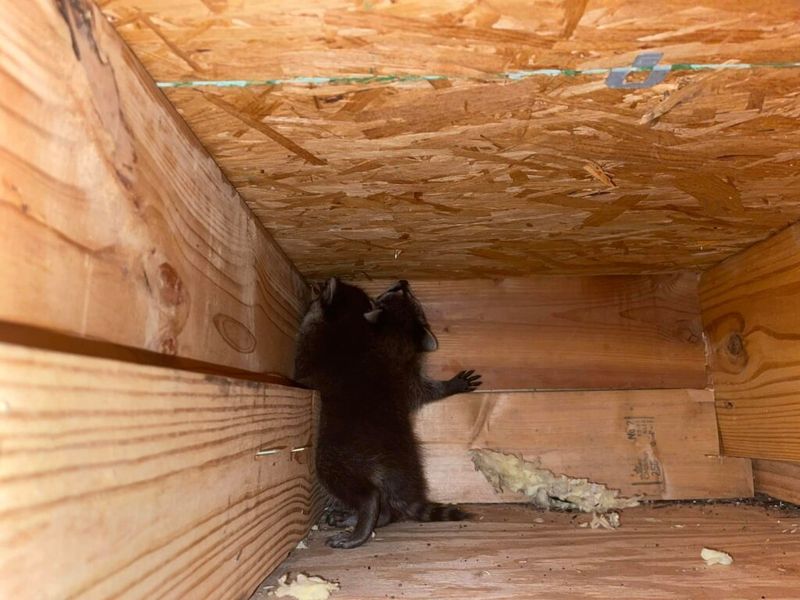
Hiring help sounds like the easy fix, but the exception does not stretch that far. It belongs to the owner, the occupant, and qualifying family members living on the property.
Someone acting as your agent is in a different category.
According to DNR nuisance wildlife guidelines, an agent removing a raccoon needs the appropriate hunting or trapping license. During the closed season, the agent also needs written authorization from the landowner.
Say a neighbor offers to take care of the problem with a rifle, or a handyman says he has traps in his truck. Neither one can simply act under your exception.
They would need their own proper license, and a signed note from you if the season is closed.
The landowner exceptions page is a good place to confirm who is covered before anyone picks up a trap or a gun.
A practical step is to ask any helper about their license before they start. Get the authorization in writing, and keep a copy.
That protects both of you if questions come up later.
Firearm rules still apply on private property
Owning the land does not automatically make it legal to fire a gun there. The license exemption covers the license requirement only, and it does not itself authorize firearm discharge where discharge is prohibited.
Many cities, villages, and towns have their own ordinances about firing guns, and other restrictions can apply too. Wisconsin has no simple statewide rule that says a homeowner may shoot anywhere on their lot, so check what applies to your exact address.
A call to your local police non-emergency line or municipal office is a quick way to find out. Ask about the ordinance in your area before you consider any firearm.
The DNR landowner exceptions page is clear that other restrictions remain in force.
The good news is that a gun is not the only option. DNR trapping guidance, found on its license and permits page, points to cage or box traps for owners and occupants where firearms cannot be discharged.
The next two sections cover that option and the duties that come with a live capture.
Cage or box traps are an option where firearms are barred
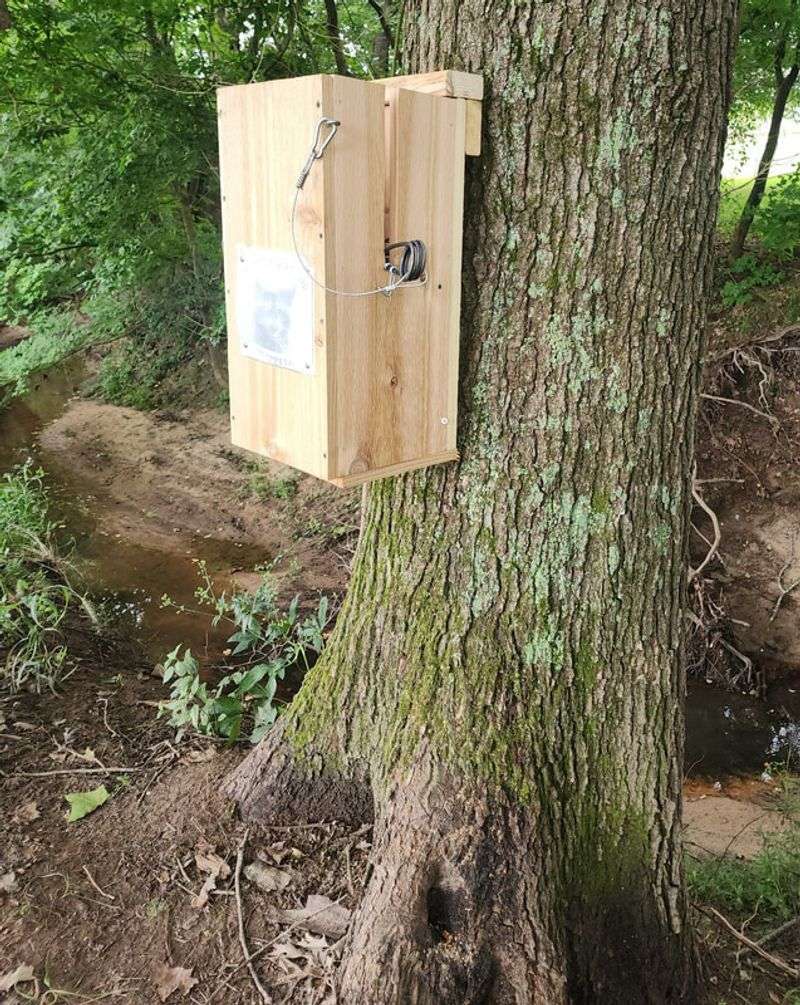
If you live in a city, a village, or another area where shooting is unlawful, DNR guidance still leaves a door open. On its trapping license and permits page, the DNR says owners or occupants may use cage or box traps for raccoons on their land, even where firearm discharge is not allowed.
Think of it as a legally available option, not a promised fix. Nothing in the rule says a trap will work, or work quickly, and a raccoon may ignore it entirely.
This article will not walk you through building or setting a trap. The details matter, and the rules around traps are specific enough that improvising is a bad idea.
What you should know going in is that live capture brings duties. You will have a living wild animal on your hands, and the law says what must happen next and how soon.
Those duties, including a 24-hour deadline and limits on where an animal can go, are covered in the next section. Read them before you set anything out, not after you have a raccoon in a cage.
A live capture cannot be released just anywhere

Catching a raccoon alive starts a clock. Under the landowner trapping guidance on the DNR license and permits page, the animal must be humanely killed or released on unenclosed private land, with that landowner’s permission, within 24 hours.
Release on DNR-managed land is prohibited. A park, a state wildlife area, or any other public land is off the table, and so is dropping the animal on a neighbor’s property without asking.
The DNR nuisance wildlife guidelines also say release on private property needs the receiving owner’s permission.
Daily checks matter too. Applicable non-submersion sets and water sets must be checked once each day, and captured animals are removed when the trap is checked.
The current DNR trapping regulations hold the detailed requirements, so read them before you start.
Do not plan on keeping a captured raccoon alive. The regulations restrict holding captured furbearers without the necessary permit, license, or authorization, and a wild raccoon is not a pet.
If the 24-hour deadline or the release rules sound hard to meet, that is a sign to line up a plan first. Find a landowner who agrees in advance, or decide on another approach before the trap goes out.
Reduce the food and shelter that attract raccoons
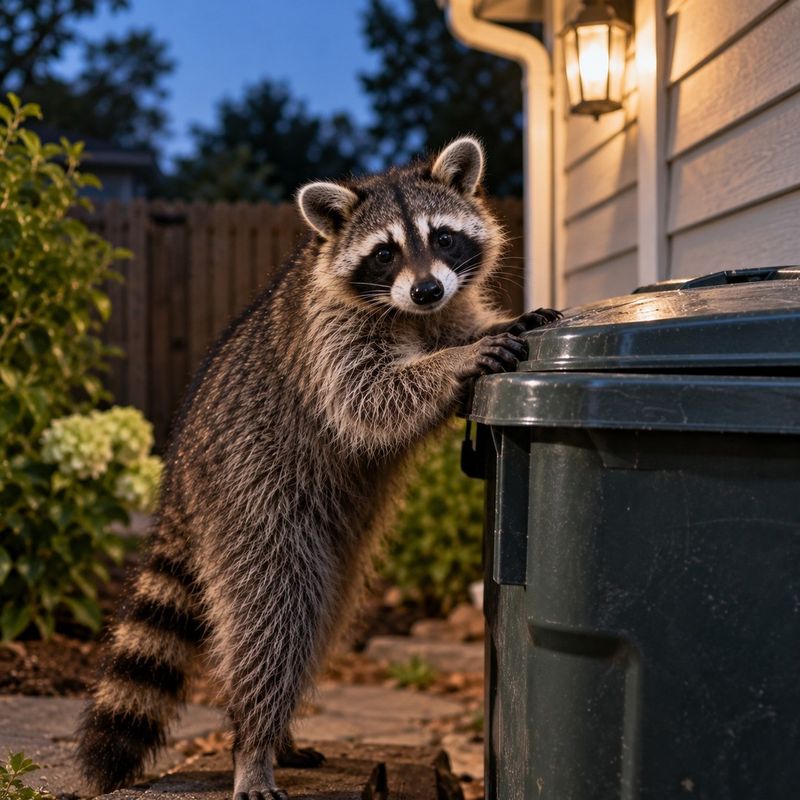
Before you think about removal, make the yard less inviting. DNR guidance on nuisance and urban wildlife lists several simple steps.
None of them guarantee a raccoon will stay away, but they cut down on the reasons to visit.
Start with food. Secure garbage cans with tight lids, and bring pet food indoors rather than leaving a bowl out overnight.
Bird feeders are another draw. Manage them so seed does not pile up on the ground, and sweep up what spills.
Next, look at the buildings. Seal openings in sheds, garages, and houses, and cap chimneys with appropriate materials.
Keep one rule in mind: check that nothing is living inside before you close an opening, as the next section explains.
Finally, take away easy routes and cover. Trim tree limbs that hang over the roof, and clear brush or clutter near the foundation.
A tidy yard gives a raccoon fewer places to climb, hide, and den.
Wait until an attic family has left before sealing an entry
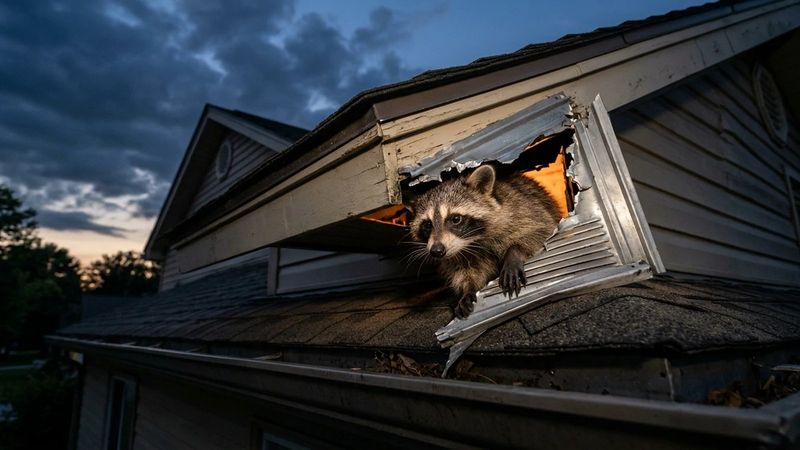
Raccoons may den in attics and chimneys. The DNR raccoon page says kits are typically born in April or May, though they can arrive as early as March.
Do not assume a winter attic cannot hold young.
If a family is inside, do not seal an attic, eave, or chimney entry until the animals have left. A mother may move her kits over multiple nights, so one empty-looking evening is not proof that everyone is gone.
Closing the hole too soon can trap animals inside.
Keep your hands off wild raccoons. Do not pick up or handle one casually, even a small or sleepy one.
If you get a bite or scratch, wash it thoroughly and contact a doctor or your local health department. That is the advice from the Wisconsin Humane Society.
For injured or possibly orphaned kits, get professional advice instead of guessing. A wildlife rehabilitator or a DNR contact can tell you whether the mother is likely to return.
Acting on a hunch can separate a healthy family or leave a hurt animal without help.
Match your next step to your situation
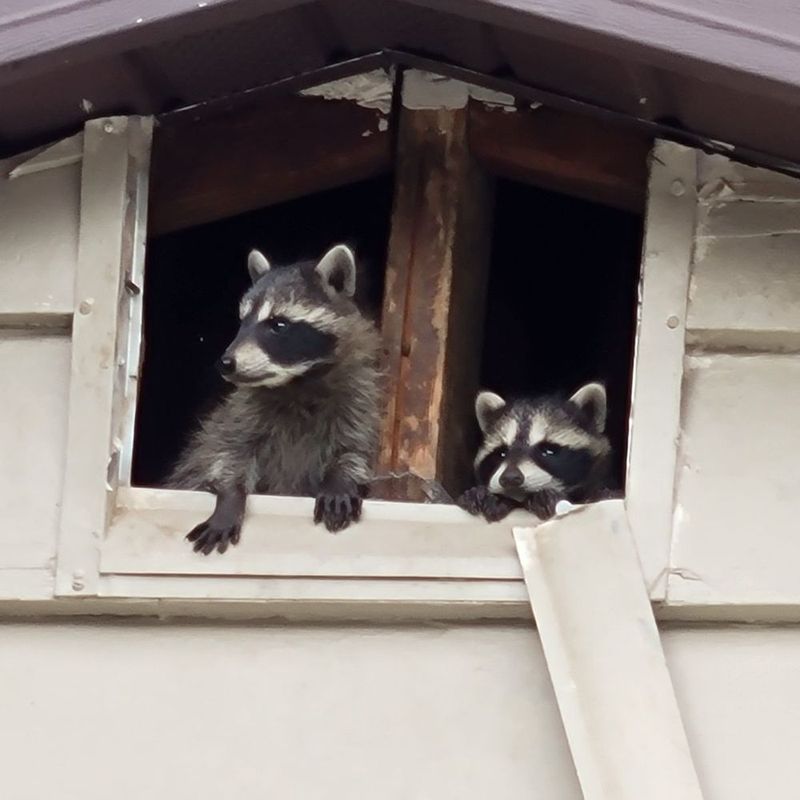
Start by confirming that you qualify. Look at the DNR landowner exceptions, then check with your local government about whether your chosen method is allowed at your address.
If you decide on a trap, read the current trapping regulations and the license and permits page first.
A few minutes of checking now beats a fine, or a hurt animal, later.
Share this story