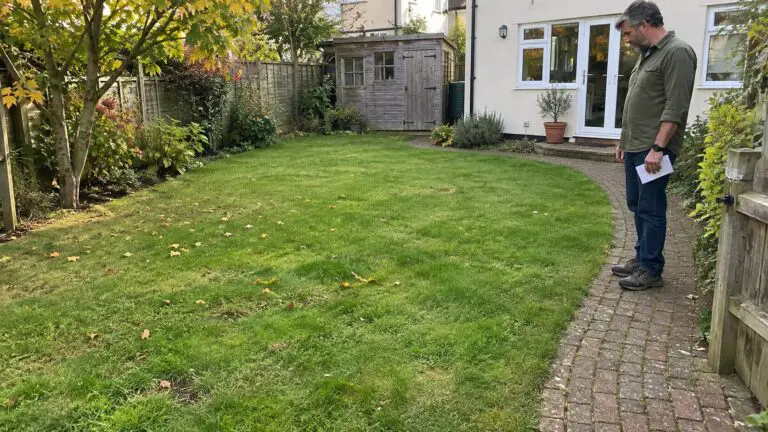
When overseeding a lawn, two of the most popular methods are using compost or topsoil. Which is better for overseeding? The answer is usually compost although a lot will depend on individual circumstances.
Overseeding is usually an important part of any annual lawn care program as it promotes new grass grown and helps maintain a healthy lawn. One of the main elements of the process involves top-dressing your lawn. There is some debate as to what to use and we will look at two of the alternatives below.
Compost is usually considered the best possible material to use for overseeding lawns. It is rich in nutrients that help new grass seedlings take root and thrive. Topsoil, on the other hand, although generally less expensive than compost, lacks the nutrients and soil structural properties that compost does. Thus composting not only promotes better seed germination but also benefits the soil by improving its eco structure.
What is Overseeding? – Topsoil vs Compost

Overseeding a lawn is the process of adding new seeds to an existing lawn to thicken, and fill in bare patches. Overseeding can be done in the fall or the spring and is dependent on climate and grass type. There are many reasons why you might want to overseed your lawn. Maybe you have a lawn that is mostly weeds. Maybe you have a lawn that is thin and balding. Or maybe you just want a thicker, more lush lawn.
As part of the overseeding process, you will need to prepare and topdress the existing lawn in preparation for the overseeding. There are various options for the materials that you can use but topsoil or compost are two of the most common choices. Both have their own benefits and drawbacks, and your choice will ultimately be decided by circumstance.
The Advantages of Using Compost Over Topsoil
Compost has a high organic matter content that encourages healthy plant growth and is a good alternative to chemical fertilizers. It is full of beneficial soil microbes and nutrients that are slowly released into the soil over a period of time giving a longer-term boost to germinating grass seeds. In comparison, topsoil is often low in organic matter and can be much heavier and denser.
Composting not only promotes seed germination but also benefits the soil by improving its eco structure. It can help neutralize acidic or alkaline soils as well as help with a lack of aeration and water retention in your soil. This can cause compaction and erosion, both of which can lead to poor or no grass growth.
Adding compost after aerating can help mitigate these problems. This is because compost also holds more water than topsoil, which is important for the early establishment of grasses and other seedlings.
Topsoil for Overseeding
Topsoil is a valuable commodity for gardeners and landscapers. Topsoil is typically obtained from the top layer of soil, which is approximately 2 to 4 inches deep. It is removed from nearby areas and trucked to the site where it will be used. It is largely employed to enrich the soil quality and provide necessary nutrients for plants to grow.
The major difference between compost and topsoil is the level of nutrients in topsoil is usually considerably lower. This means that when topsoil is used to overseed an area, it can take years for the topsoil to build up to a level that is conducive to healthy plant growth. For this reason, fertilizers are often used in conjunction with topsoil to provide the required nitrogen boost for germinating grass.
In addition, topsoil can be expensive and sometimes hard to find. It is also heavy and difficult to transport, which can add cost and time to the process of overseeding. Finally, topsoil can contain weed seeds that will germinate and compete with the grass for space, water, and nutrients.
What Is The Best Compost To Use For Overseeding?
When overseeding a lawn, it is important to use the right compost to ensure success. Compost is a mixture of decaying organic matter that is used to improve soil health. The best compost to use for overseeding is one that is nitrogen-rich compost that is low in phosphorus.
You should always soil test before you apply anty compost or fertilizer to ascertain the current nutrient and pH levels present in the lawn’s soil. The choice and the balance of nutrient levels you add will depend on these results accordingly.
In addition, you should look for or sieve the compost so that the material put down for top dressing has a small particle size. This will allow it to have better contact with the soil and break down more easily. This type of compost will help to encourage new grass growth while also adding beneficial nutrients to the soil.
You can get bulk compost from a landscape supply yard, nurseries, or garden centers. They will have a variety of specialist composts and should be able to find the best compost for overseeding for your particular circumstances.
You can of course make your own compost. This can be done using most organic materials, mixing green materials, such as food scraps and grass clippings with brown materials such as wood chips leaves, and cardboard. This would be done several months in advance although with hot composting techniques you could have finished compost in six to eight weeks or possibly less.
Compost Thickness When Top Dressing

When you are top dressing your lawn with compost, you should aim for a thickness of 1/4 to 1/2 inch. This will ensure that your lawn gets the nutrients it needs without being smothered. If you apply too thickly, the compost may not break down properly and could end up smothering your existing lawn.
The amount of compost per cubic yard should be about 3 pounds. You can buy bags of compost at most nurseries and home improvement stores. Be sure to check the label on the bag to make sure it contains enough nitrogen and phosphorous for your application.
Timing Compost and Overseeding
The optimum time of year to overseed your grass is dependent upon your climate, geographic location and the type of grass seed that you are using, whether warm-season or cool-season grasses. The best time to overseed is just before your grass type is going to enter its peak growing season.
For cool-season types of grass like Kentucky bluegrass, perennial ryegrass, fine fescue, and tall fescue the best time to overseed is in the early fall, just as the weather is starting to cool down. In warmer climates, you can overseed in late fall or early winter. For warm-season grass types like bermudagrass, the best time to overseed is in late spring or early summer, when the weather is warm but not too hot.
How to Apply Compost and Overseed

There are a few steps that you need to follow in order to use compost when overseeding:
- First, mow your lawn short. This will help the compost to have better soil contact and thus penetrate the soil more easily.
- Second, aerate your lawn. This will also help the compost to penetrate the soil and allow good soil to seed contact increasing the number of grass seeds that successfully germinate.
- Third, top dress your entire lawn with compost. This means spreading a thin layer of compost, around 1/2 inch thick, of compost over the surface of the lawn.
- Fourth, spread grass seed. This can be done by hand or with a drop spreader or broadcast spreader.
- Fifth, cover the grass seed. This can be done with straw mulch or another very thin layer of compost that you gently spread with a garden rake.
- Sixth, water the lawn. This is important in order to help the grass seed to germinate and help with healthy growth.
- Seventh, fertilize the lawn. This will help the grass to grow. If you have tested your soil you should know what its nutrient levels are.However, in the early stages of growing, grass seed uses more nitrogen so a starter fertilizer, with quick release of nitrogen, is usually the best choice.
Summary: Compost or Topsoil for Overseeding
In truth, overseeding with compost is usually the best way to improve your lawn’s health and appearance. Compost, as an organic material, breaks down to provide more nutrients and moisture than topsoil, and it will create a better habitat for grass seeds to germinate and grow. If you’re looking to give your lawn a boost, overseeding with compost is the way to go.
It is true that compost might appear relatively unsightly after you have initially topdressed your lawn. However, it will decompose quickly leaving a lush green lawn as the new seeds and original grass grow through.
This is not to say that topsoil should not be used. If the existing soil is of particularly poor quality adding topsoil and additional nutrients can be the best option.
Share this story