Crabgrass is an invasive species that may quickly take over your yard if not treated. Its unattractive appearance and harmful effects for your lawn’s health are two good reasons to get rid of it. Crabgrass releases a toxin that can damage other plants, and it’s also difficult to remove from the ground.
There are several ways you can get rid of crabgrass, including using herbicides, pulling it out by hand, and natural solutions as well as ways in which you can prevent it from occurring or re-growing. We will look at these methods of getting rid of crabgrass in detail and offer some tips on reducing the chances of crabgrass reoccurring in your lawn.
Crabgrass is an invasive and competitive plant that crowds out desirable lawn grasses and is detrimental to maintaining a healthy lawn. There are several ways to remove crabgrass from your lawn. You can pull the plants by hand, use a chemical treatment, or apply a pre-emergence herbicide. Applying a pre-emergent herbicide is the best way to prevent crabgrass and other annual weeds from taking over your lawn. They are applied to the soil before crabgrass seeds can start to germinate.
What is Crabgrass?
If you want to have a healthy lawn, you need to be proactive about weed control. Weeds are not only unsightly, but they can also compete with your lawn grasses for resources like water and nutrients. One of the most common weeds is crabgrass.
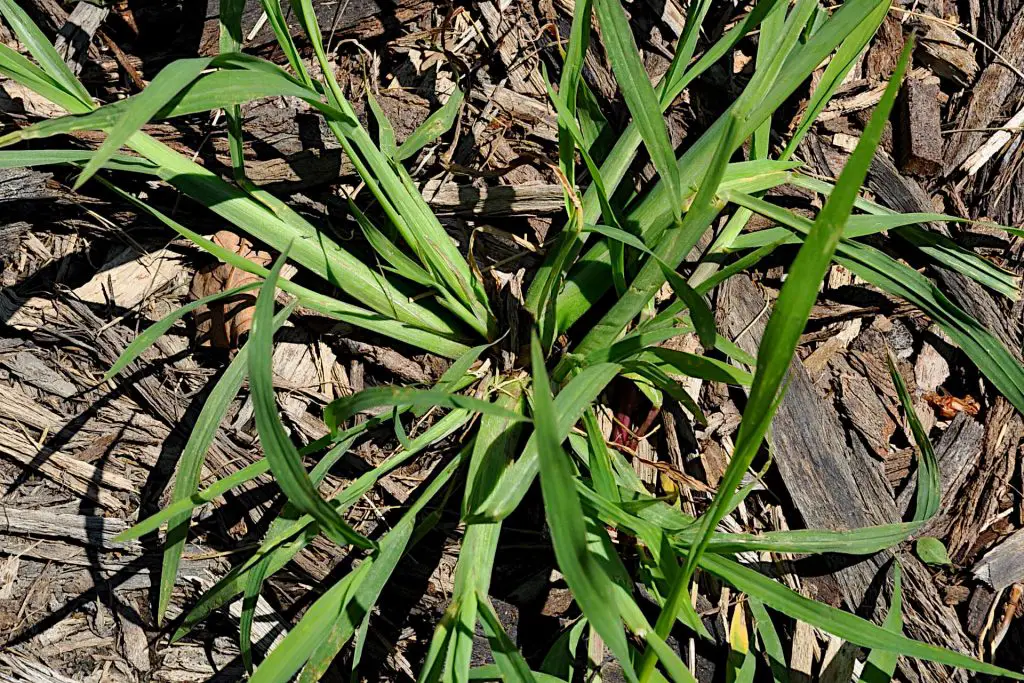
Crabgrass is an annual grass that germinates in late spring or early summer and there are several different types with Digitaria ischaemum and D. sanguinalis being the most common.[1] The plant grows quickly and a single crabgrass plant can produce up to 150,000 seeds and 150 tillers, which can remain viable in the soil for up to 5 years, this makes it a common weed in lawns and gardens.
With such a high number of spores, crabgrass can be difficult to control spreading quickly and easily. This is particularly the case in hot and dry conditions, the weed can flourish. invades areas of your yard where the grass is thin or bare.
The best way to prevent crabgrass from taking over your lawn is to have a healthy, thick stand of turf that crowds out the weed seeds. This can be achieved by mowing regularly, watering deeply and frequently, fertilizing properly, and aerating the soil on a regular basis.
How to Remove Crabgrass from Your Lawn
Crabgrass can quickly take over your lawn if left unchecked and is difficult to control once it’s established, so it’s important to take preventive measures to keep it from taking hold in the first place.
There are numerous different ways in which you can get rid of crabgrass and we will look at some of the most effective methods.
How to Get Rid of Crabgrass by Pulling it by Hand

Pulling crabgrass by hand or with a hoe is the most effective method, but it can be time-consuming if you have a large area to cover. Using herbicides is a quicker way to kill crabgrass, but you’ll need to reapply them regularly to prevent new growth.
If you have a small area of crabgrass, you can pull it by hand using a hoe or trowel. For larger areas, you can use a crabgrass rake or lawn edger. Start by wetting the soil to make it easier to remove the roots. Then, use the tool to loosen the soil and pull up the crabgrass. Dispose of the crabgrass in a garbage bag or compost bin.
To prevent crabgrass from growing back, make sure to remove all the roots and seed heads. You can also apply a pre-emergent herbicide to your lawn in the spring to prevent new crabgrass seeds from germinating.
Mowing your lawn regularly will also help to prevent crabgrass from taking over, as it will remove the long, slender leaves that it needs to photosynthesize.
Use a Chemical Treatment Post-Emergent Herbicide to Get Rid of Crabgrass
One way to do this is by using a chemical treatment post-emergent herbicide. This type of herbicide will kill crabgrass plants that are already growing, as well as prevent new ones from germinating.
There are two main types of post-emergent herbicides: those that contain glyphosate and those that don’t. Glyphosate is the active ingredient in Roundup and other similar products. It works by killing the entire plant, roots, and all.
Non-glyphosate herbicides, on the other hand, only kill the part of the plant that they come into contact with. This means that if you only spray the leaves of a crabgrass plant, it will die, but the roots will remain alive and can regrow the plant.
When choosing a post-emergent herbicide, be sure to read the label carefully to make sure it is effective against crabgrass and safe to use on the type of grass you have. You also need to check whether it is a selective, post-emergent herbicide or a non-selective herbicide (a herbicide that kills everything). Finally, you will also need to decide whether you want to use glyphosate or non-glyphosate product.
Using Pre-Emergence Herbicides to Prevent Crabgrass?
While Post-emergent herbicides can kill existing weeds, but they won’t prevent new ones from germinating. In terms of dealing with crabgrass one of the most effective strategies is to deal with it before the crabgrass seeds germinate. The best way to do this is to use pre-emergent herbicides.
Pre-emergent herbicides are applied to the soil to prevent crabgrass seeds from germinating. They contain active ingredients that inhibit the growth of crabgrass and other annual grasses.
You have to apply pre-emergents before soil temperatures reach 55 degrees Fahrenheit for the herbicide to be effective. This is because it is between 55 -70 F° that most crabgrass germination takes place. You can pick up an inexpensive soil thermometer at most garden centers or online to help you accurately determine the soil temperature.
You need to be careful using herbicides on overseeded or recently seeded or lawns as they will stop the new grass seeds from germinating. In addition, you should identify the grass type you have so that you can ensure the herbicide that you use are compatible.
In truth, a healthy lawn is the best defense against crabgrass and other weeds. Mowing high, removing grass clippings, watering deeply, and fertilizing your lawn on a regular schedule will help keep your lawn dense and discourage weed seeds from taking hold in the first place.
When to Use Pre-Emergence Herbicide Crabgrass Preventers

As we have seen a pre-emergent herbicide is the best way to prevent crabgrass from taking over your lawn. But when should you apply it?
The key to using pre-emergent herbicides effectively is timing. You need to apply them before the crabgrass seeds germinate, which we have seen starts at around 55°F but after the soil temperatures have warmed up enough for healthy lawn growth.
In most temperate areas of the country, this means applying a pre-emergent herbicide in early spring, late April, or early May. In warmer States this might be much earlier.
Natural Ways to Get Rid of Crabgrass
We have looked at several ways of removing or preventing crabgrass both by manual weeding and chemical herbicides. If, however, if you don’t want to use harsh chemicals, there are several natural alternatives to chemical herbicides that can help get rid of and prevent crabgrass from returning.
Using Corn gluten meal to kill crabgrass
One of the best natural solutions for dealing with crabgrass is to use corn gluten meal to prevent it from germinating.
Corn gluten meal is an organic pre-emergent herbicide, which means it prevents crabgrass seeds from germinating. It’s most effective when applied before the crabgrass seedlings emerge in spring, but it can also be used to control annual weeds and other grassy weeds throughout the growing season.
To use corn gluten meal as a crabgrass preventer, simply apply it to your lawn at the recommended rate of 1 pound per 1,000 square feet.
Using vinegar to kill crabgrass Naturally
Another of the most effective natural methods for getting rid of crabgrass is to use vinegar. Vinegar is a natural, pre-emergent herbicide that can be used to kill crabgrass seeds before they have a chance to germinate. Because it is an acidic substance, it works by lowering the pH of the soil. This makes it less hospitable for crabgrass to grow.
To use vinegar to kill crabgrass, simply mix it with water at a 1:1 ratio and pour it over the crabgrass. You can also add a little dish soap to help the vinegar stick to the crabgrass.
Use baking soda to kill Crabgrass Naturally
One natural method for getting rid of crabgrass is to use a baking soda solution. Baking soda is a natural herbicide that will kill crabgrass without harming your lawn. It works by
sodium poisoning the crabgrass.
To make a baking soda solution, mix 1 cup of baking soda with 1 gallon of water. Spray the solution on the crabgrass and water it in well. You may need to reapply the solution every few days to keep the crabgrass from coming back.
Alternatively, you can apply a dusting of baking soda to wet crabgrass:
- Apply a light misting of water with a spray bottle to the crabgrass and any other broadleaf weeds growing in your lawn.
- On top of the weed, dust some baking soda powder.
- Give it a few days for it to completely eradicate the weeds.
- Pull up the weeds that have died and replace them with new grass seeds to fill in the gaps.
Using Boiling Water
Finally, you can also use boiling water to kill crabgrass. This works best where there are large patches of crabgrass as boiling water will not only destroy the cran grass but also the surrounding grass.
Summary:
As we have seen crabgrass is a problem because it is a very aggressive plant that can quickly take over a lawn, with the plant being difficult to remove once it has established itself, destroying your healthy grass lawn.
Thankfully there are various solutions to dealing with crabgrass infestation and preventing dormant crabgrass seeds from coming back to damage your grass. These include both pre and post-emergent herbicides. It is important to use the correct herbicide for your grass type and avoid combination herbicides as these will not kill off the crabgrass.
Removing and preventing crabgrass and other broadleaf weeds is essential and together with a proper lawn care maintenance program is one of the best ways to ensure that your lawn grass looks good and thrives.
Notes:
1. Rutgers, The State University of New Jersey, Matthew Elmore, Assistant Extension Specialist in Weed Science: Crabgrass and Goosegrass Identification
Share this story