Bread is a staple food item that many of us eat on a daily basis. But you often find that leftover bread can go stale very quickly. Composting is always a good environmentally friendly way of dealing with fruit and vegetable peelings but can bread be composted? If it can in what ways or with what methods is bread compostable?
Most types of food are in theory compostable but many, for various reasons, are unsuitable for domestic composting scenarios. Bread products are one the foodstuffs that are ideal for composters to add to their compost pile, rather than throwing their bread scraps away with other kitchen waste. There are though a few issues that can arise if composting bread and we shall look at what these are and how to deal with them
The short answer is yes, bread can be composted. Bread is an organic material, that is high in nitrogen and breaks down relatively quickly, provided that it is free from, oily spreads, food scraps, and other contaminants.
Can You Compost Bread?
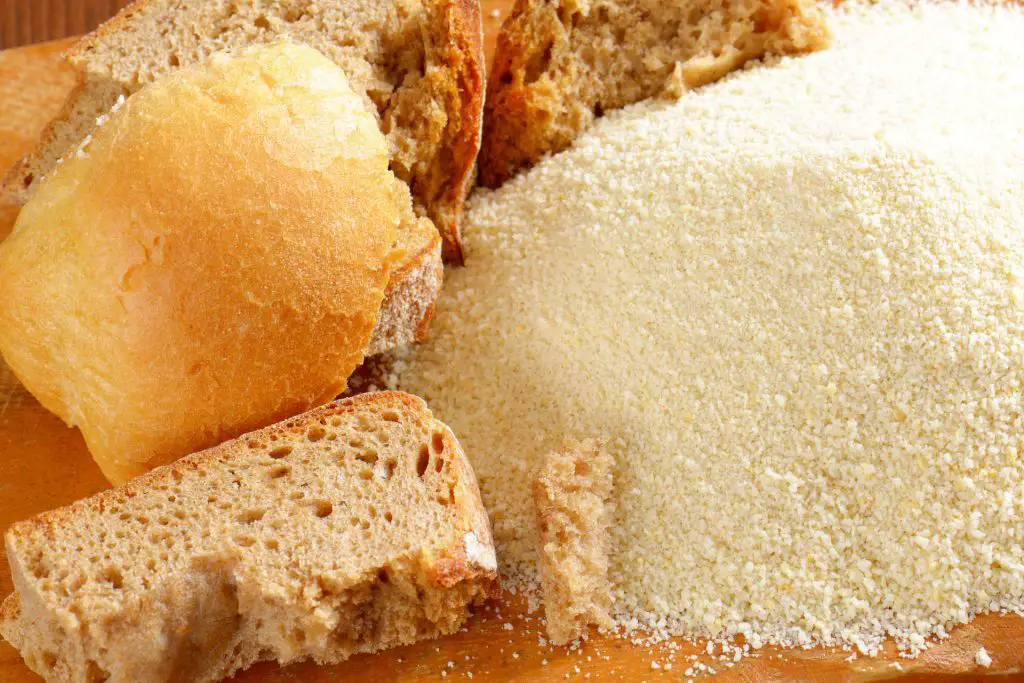
Many people don’t realize that bread products are actually great candidates for composting. Providing they aren’t contaminated with other food scraps, fats, or oils they can make an excellent addition to your composting matter.
Benefits of Composting Bread
Here’s a look at some of the benefits of putting your stale or moldy bread scraps in your compost.
Organic Material
One of the best things about bread is that it is made from organic materials. This means that it will break down quickly in a compost pile, providing important nutrients to plants.
Environmentally Friendly
Putting your leftover stale bread in compost is an environmentally way of disposing of it. By composting bread, you’re helping to reduce the amount of waste that goes into landfills, recycling important nutrients back into the earth.
High Nitrogen Content
Bread also has a high nitrogen content. This is important because nitrogen is a key component an important nutrient for plants. When you compost bread, you’re providing important nutrients to the plants in your compost pile.
Disadvantages of Composting Bread
While composting bread has its disadvantages, composting bread is actually a great way to reduce waste, compost food scraps, and recycle food scraps.
Pests
The main downside of composting bread is the possible attraction of pests. Rodents and other vermin are attracted to the moist, warm environment of a compost pile, and bread can provide them with an easy food source. If you’re composting bread, be sure to keep an eye out for pests and take steps to prevent them from getting into your compost.
High Moisture Content
Bread has a high-moisture content, around 37%, If you are composting a lot of bread then this can add a significant amount of moisture. This causes problems if the pile contains an inadequate amount of materials that are capable of absorbing excess moisture and if the pile is not well-ventilated.
The problem with excessive moisture is that it can cause the decomposition process to be impeded. This is because excess moisture can prevent air from circulating, reducing oxygenation inside the pile, and preventing the temperature from rising enough for the microorganisms, necessary for decomposition, from multiplying in sufficient numbers. Furthermore, over moist or wet compost piles can begin to smell.
It is therefore essential that you get the correct moisture balance in your compost pile to ensure that the composting process isn’t hindered.
Is Moldy Bread Still Okay to Compost
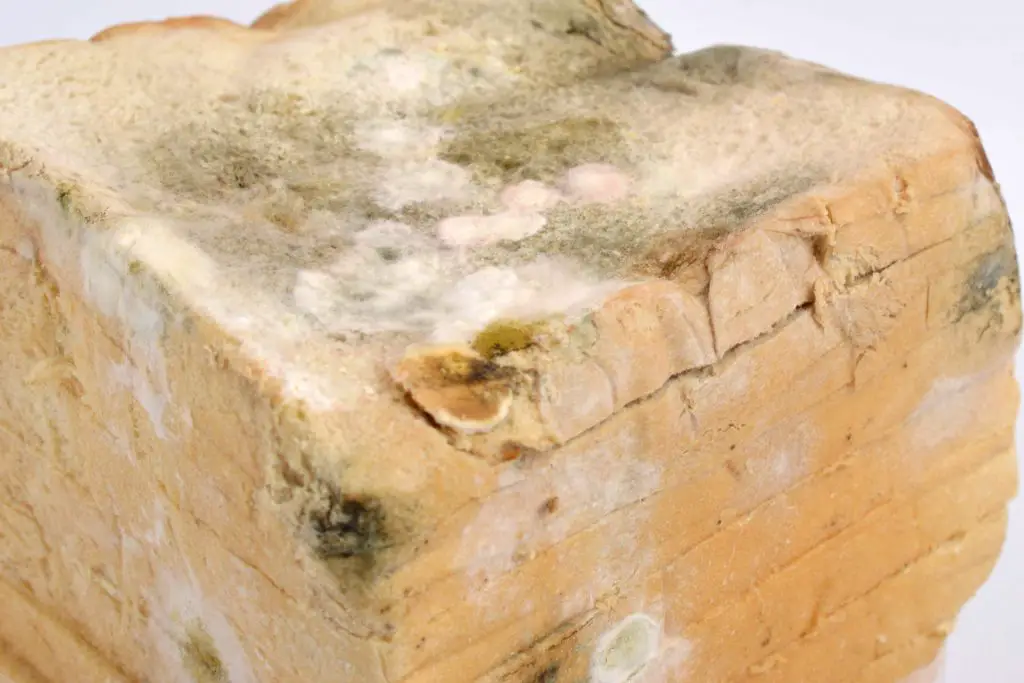
Bread that’s moldy is ideal for composting because of the high levels of bacteria present as this contains the microorganisms that decompose organic matter. However, if there is too much mold then it potentially can cause problems with odor which will further attract vermin and pests.
Is Bread Considered Brown Material or Green Material for Compost?
When it comes to composting bread, there is sometimes some confusion over whether it is a green material or brown material. This is because being a starchy food it is often associated with other starchy foods such as rice and plain pasta.
As we have mentioned, bread actually has a high nitrogen content with a carbon-to-nitrogen of around 25:1 (C/N)[1]. This makes it a green compost material in terms of calculating the makeup of your compost pile.
Methods of Composting Bread
There are many methods of composting bread, but it’s important to choose the right one for your situation. The most common methods include vermicomposting, aerobic digestion, and Anaerobic digestion (fermentation). Each process has its own benefits in terms of the process of decomposition.
Vermicomposting Bread
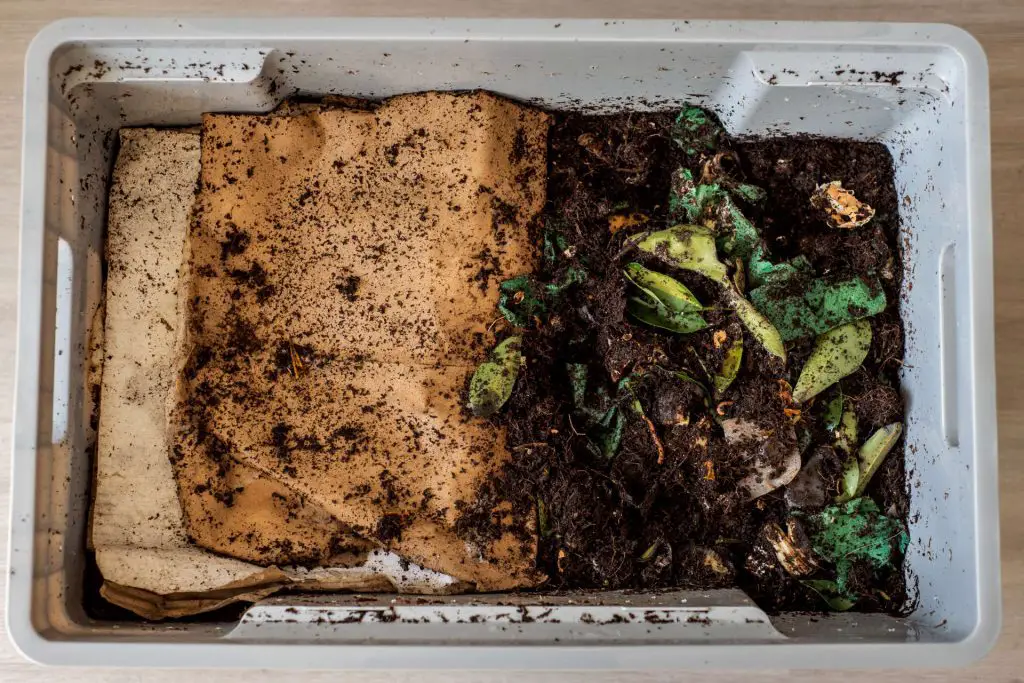
Probably one of the most effective ways of composting bread or other foodstuffs is through vermicomposting.
Worms are incredible creatures that devour most types of organic materials. Vermicompost is created when the organic matter goes through the digestive tract of worms, where it is turned into the worms’ waste products or manure (commonly known as “worm castings”). Ingestion, digestion, and assimilation of the organic material, and in this case the bread, are three of the many different metabolic processes that are responsible for the transformation of waste into a nutrient-rich material.
The process takes place in a worm bin, which is often located inside or under a covered area. The bin and setting should provide enough protection to avoid being disturbed by pests. The vermicomposting process is usually fairly quick producing finished compost in a couple of months resulting in higher levels of nutrients than with aerobic digestion processes.
Aerobic Digestion
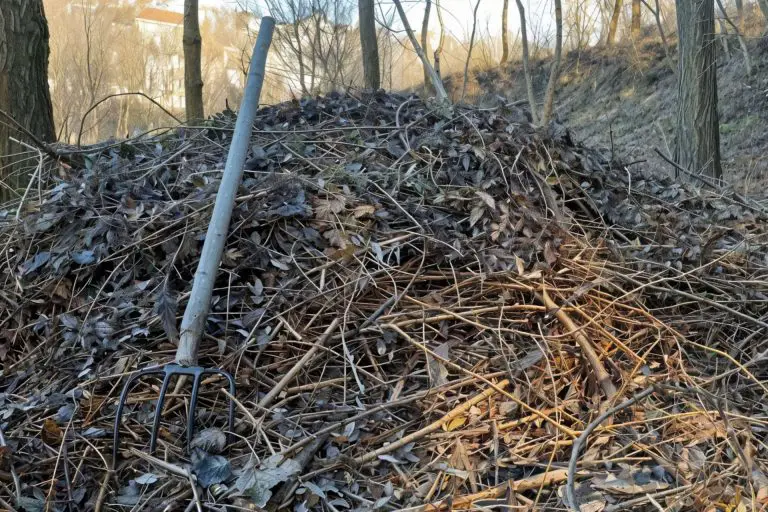
Aerobic digestion is the decomposition of organic material through fungi and microorganisms and is likely to be the most common way in which bread is composted. This is usually done by creating traditional compost piles using processes such as cold composting, hot composting, or trench composting, to name some of the most common.
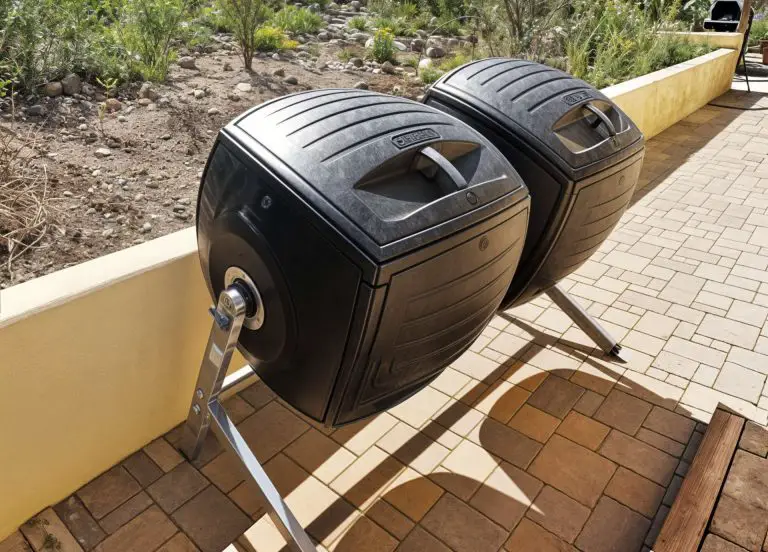
It can also include the use of compost bins and compost tumblers and these are generally better for types of food waste such as bread that can attract pests and vermin.
Anaerobic digestion Fermentation
The Bokashi method or bucket composting is a composting process that adds an inoculant of microbes to food waste to create a fermentation process that sees the organic waste turned into finished compost. The process is anaerobic and requires an air-tight container and is a passive form of composting.
The process is much faster than other forms of composting and can be carried out indoors producing his in a matter of just two to three weeks. This makes the process perfect for composting food waste that you wouldn’t normally compost using aerobic methods as it reduces odors and the threat of pests.
Don’t Compost Bread With Butter and Spreads
When bread is mixed with butter, dairy products, and any spreads that contain oils or fats, it becomes more difficult for the bread to decompose, and particularly with fats, it is even more of an attraction for animals.
Don’t Compost Bread With Oil of Fats
Bread will break down more slowly if it is soaked in oil. This means that your compost pile might start to smell foul, as the decomposing bread releases methane gas and other harmful compounds.
Adding Bread to Compost
The Condition of The Bread
Fresh bread is slower to break down and can add more moisture to your compost pile, which can lead to problems. On the other hand, old, stale bread, or moldy bread is easier to break down. This is because the bread is already starting to decompose, making it easier for the microbes to do their work.
Preparation
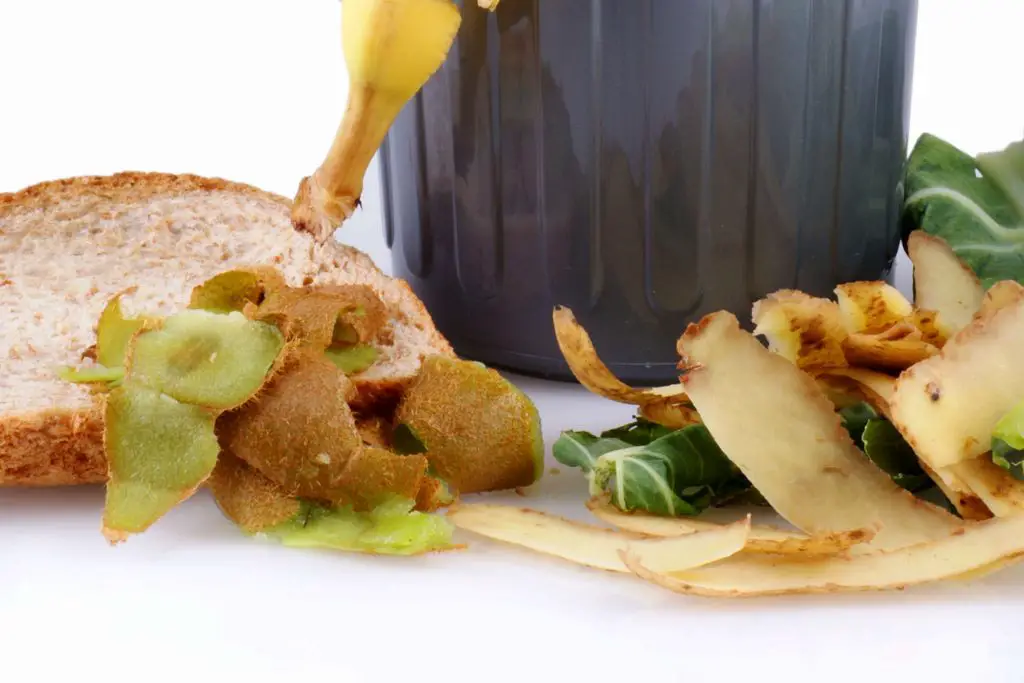
First and foremost, make sure the bread is cut into small pieces or has been shredded. This will help the process of composting move along faster as the smaller the pieces the more surface area microbes have to attack.
Secondly, make sure your carbon-to-nitrogen ratio is correct and has a healthy balance of green and brown material – too much carbon-rich material can prevent composting from occurring, while too much nitrogen-rich material can cause ammonia to be released.
If you feel you have an imbalance in the carbon-to-nitrogen content, such as having too much nitrogen-rich material, you can balance out the ratio by adding brown material with high carbon content such as dry leaves, cardboard, woodchip, or sawdust.
Adding Bread to Your Compost Pile
When adding the bread and other food items, it is advisable to create a hole in the center of the compost pile and add high carbon-rich material on top of the bread you have added.
Depending on the composting method or process you are following, monitor the heat of the pile. You can increase the internal heat and speed the decomposition by turning your compost pile regularly. It is also important if you are vermicomposting as worms need to absorb oxygen through their skin in order to survive and thrive.
If all goes according to plan, the bread, together with the rest of the compost pile, will become finished compost providing you with natural fertilizer or mulch for your garden in between three to nine months!
Summary: Can Bread Be Composted
So, the answer to can bread be composted is an emphatic yes! Providing the type of bread doesn’t contain dairy products, or has animal fat spreads or oil on it, putting bread in compost is a great way to reduce your food waste and compost organic matter.
Having said that, there are though, a few things to consider before composting bread. First, make sure you use stale bread or moldy bread. Choose a composting method that is most suitable. If using a traditional compost pile ensure it is constructed in a way to prevent animal pests and vermin by putting it in the center of the pile and covering it with yard waste.
Finally, when composting pieces of bread, ensure that the makeup of your compost material’s carbon-nitrogen ratio is correct for the composting process you are using to ensure you get finished compost (humus) in the expected time frame.
Frequently Asked Questions
Can I compost whole-grain bread?
Yes, composting whole-grain bread is a great way to pile on organic matter and help your garden soil retain moisture. In addition, whole-grain bread is high in fiber and nutrients which makes it perfect for composting. There is no need to be concerned with any whole-grain seeds that are present in the bread. These too are organic materials and will decompose during the composting process. If this is a concern for you, then you can either mill the grains into a fine powder before composting them or blitz the bread in a food processor first.
Can I compost stale bread?
Yes, bread, is organic matter and will therefore decompose. Indeed, the bread going from fresh to stale and then to moldy is a great example of the decomposition process working in a microcosm. Like other kitchen scraps that are used for composting it is high in nitrogen and considered a green material. Adding bread will help to improve the composting process and make the soil conditioner that is created more beneficial for other plants to grow.
Notes:
- Virginia Polytechnic Institute and State University, Professor Greg Evanylo, Crop and Soil Environmental Sciences: Feedstocks and Recipes
Share this story