Is your garden overshadowed by towering trees or nearby buildings? Don’t let the lack of sunlight limit your gardening dreams. Shade-tolerant perennials can transform those shadowy corners into lush, vibrant spaces. These hardy plants not only survive but thrive in less sunny spots, offering an array of colors and textures.
Choosing the right perennials for your shaded garden involves understanding your local climate, soil conditions, and specific shade levels. Below, we will help you navigate these factors, ensuring you pick the perfect plants for your garden’s unique conditions. Let’s turn those shaded areas into a gardener’s paradise.
Determine Your USDA Hardiness Zone
Understanding your USDA Hardiness Zone is crucial for selecting perennials that will flourish in your garden. These zones, defined by the United States Department of Agriculture, indicate the average annual minimum winter temperature for different regions. Knowing your zone helps ensure the perennials you choose can withstand your local winter conditions.
Finding your USDA Hardiness Zone is straightforward. You can use the USDA’s online map or check with local gardening centers. Once you know your zone, focus on perennials rated for it. This guarantees that your plants have the best chance of surviving and thriving year after year.
Choosing plants suited to your zone means fewer worries about winter damage and better overall plant health. This step sets the foundation for a beautiful and resilient shade garden.
Assess Your Shade Levels
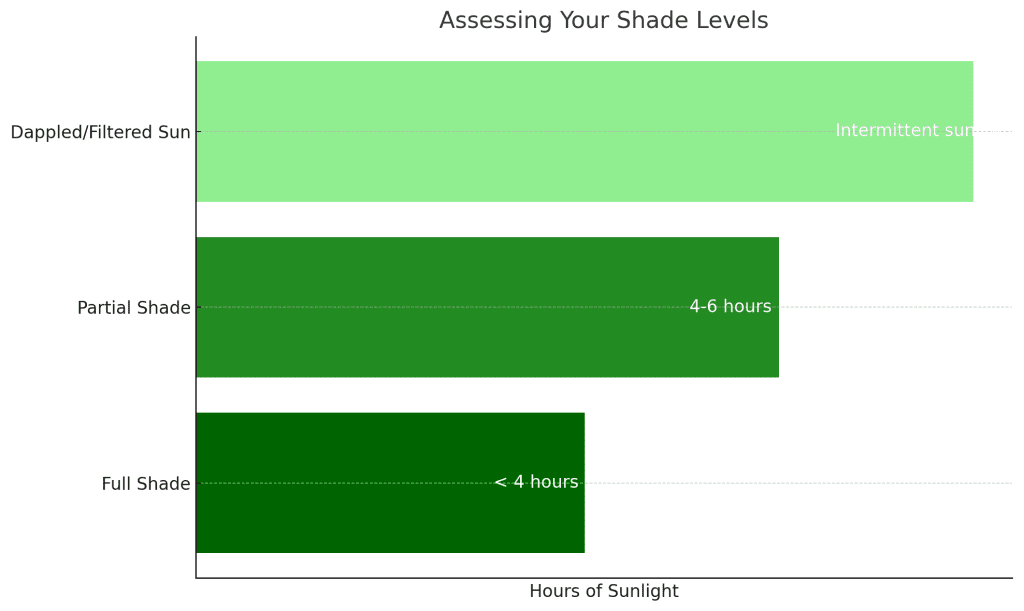
Recognizing the amount of shade in your garden is key to selecting the right perennials. Shade can vary significantly, so understanding the different types will help you choose plants that will thrive.
Full shade areas receive less than four hours of direct sunlight daily. Partial shade zones get about four to six hours of sun. Dappled or filtered sun areas have light that filters through tree branches or other foliage, providing intermittent sunlight throughout the day.
Observing your garden throughout the day can help you identify these patterns. Take note of which areas receive morning light, afternoon shade, or a mix of both. Recording these observations will guide your plant selection, ensuring you choose perennials that match your garden’s light conditions.
Choosing plants suited to your specific shade levels can make a significant difference in their growth and overall health. Each type of shade presents unique opportunities and challenges, and matching the right plants to these conditions is essential for a thriving garden.
Consider Soil Conditions
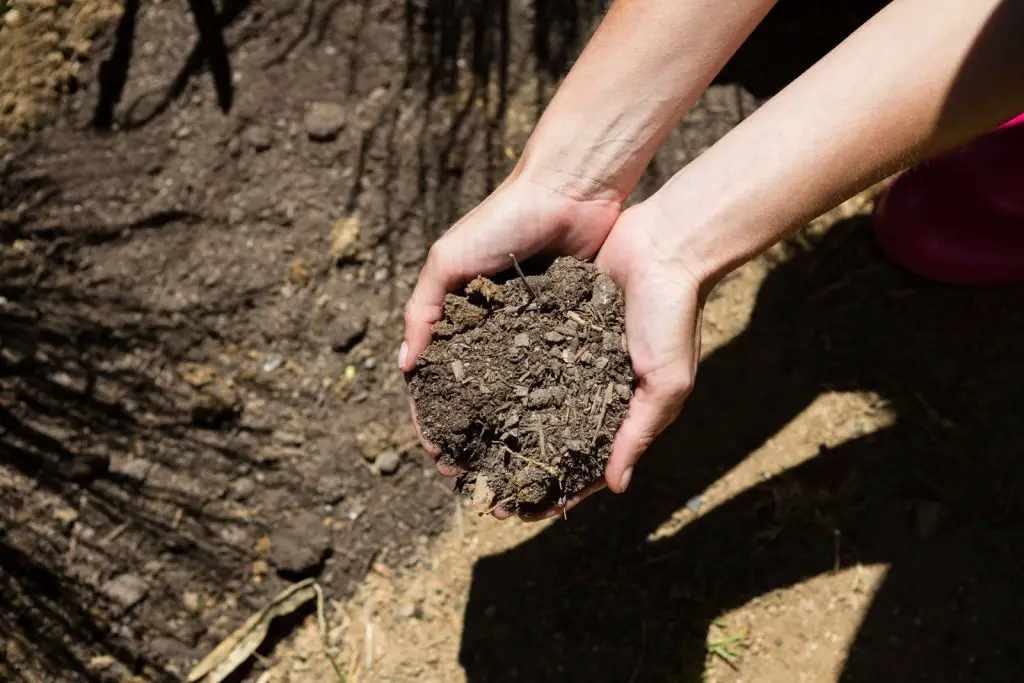
Soil conditions play a significant role in the success of your shade-tolerant perennials. Different plants have varying needs, so understanding your soil type is essential. Shade-tolerant perennials often prefer moist, well-drained soil, but some can thrive in dry conditions.
Identifying your soil type can be done with a simple test. Take a handful of soil and moisten it slightly, then squeeze it in your hand. Sandy soil will fall apart easily, clay soil will form a tight ball, and loamy soil, which is ideal, will hold its shape but crumble slightly when poked.
Once you know your soil type, you can choose perennials that match its characteristics. Moisture levels are also important; many shade plants prefer consistently damp soil. If your soil tends to dry out, consider adding organic matter like compost to improve water retention.
Ensuring that your soil conditions meet the needs of your chosen perennials will help them establish strong roots and flourish. Healthy soil leads to healthier plants, creating a more vibrant and resilient garden.
Select Native Plants
Choosing native plants for your garden can greatly enhance its resilience and beauty. Native plants are naturally adapted to local conditions, making them easier to care for and more likely to thrive. These plants have evolved to cope with the local climate, soil, and pests, reducing the need for extra maintenance.
Finding native shade-tolerant perennials involves a bit of research. Local extension offices, native plant societies, and online databases can provide valuable information. These resources often offer lists of plants that are well-suited to your region and specific gardening conditions.
Examples of native shade-tolerant perennials include foamflower, wild ginger, and bloodroot, each offering unique textures and blooms. These plants not only enhance the aesthetic of your garden but also support local wildlife by providing habitat and food sources.
Incorporating native plants into your shade garden not only benefits your plants but also contributes to the local ecosystem. A garden filled with native species is more harmonious with its surroundings and can be a haven for local pollinators and other wildlife.
Research Plant Requirements
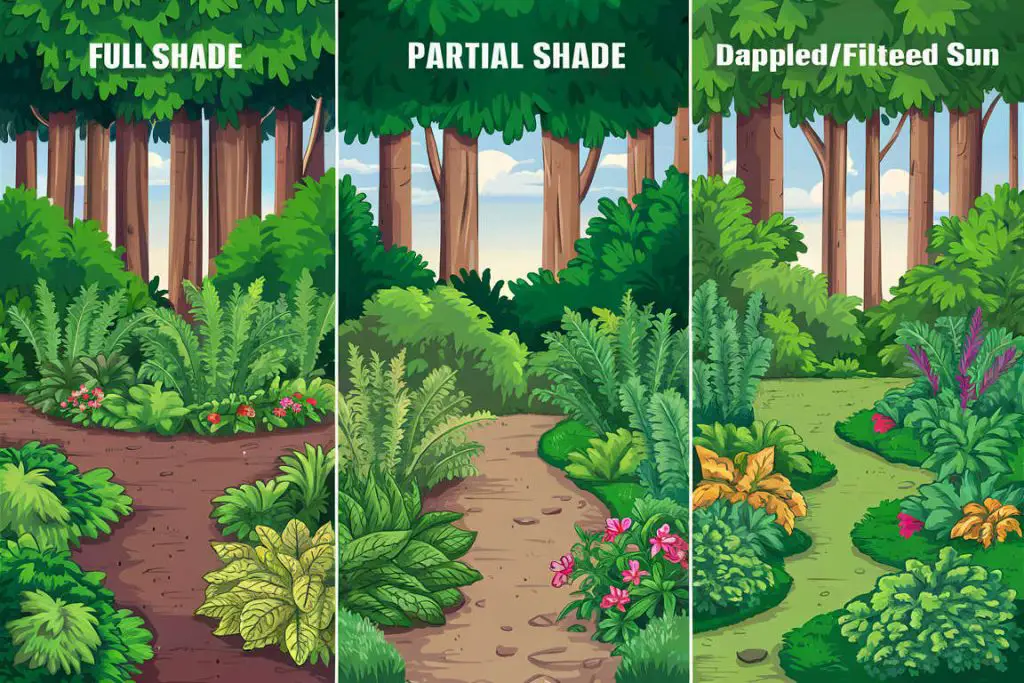
Understanding the specific needs of each perennial is essential for successful gardening. Each plant has unique requirements for light, water, and nutrients, and knowing these can help you provide optimal conditions.
Start by reading about the light requirements of your chosen perennials. Some shade-tolerant plants prefer deep shade, while others thrive in dappled light or partial shade. Ensuring the right amount of sunlight is crucial for healthy growth.
Watering needs vary among perennials. While many shade-loving plants prefer consistently moist soil, others may tolerate drier conditions. It’s important to match your watering habits to the plant’s needs to prevent overwatering or underwatering.
Fertilization also plays a role in plant health. Some perennials might need regular feeding, while others can thrive in nutrient-poor soil. Understanding these needs helps in creating a balanced fertilization schedule that promotes growth without causing nutrient imbalances.
Creating a care plan for your shade garden involves gathering information and organizing it in a way that’s easy to follow. Keeping a gardening journal or using gardening apps can help track the requirements and progress of your plants, ensuring they receive the best possible care.
Start with Easy-to-Grow Options
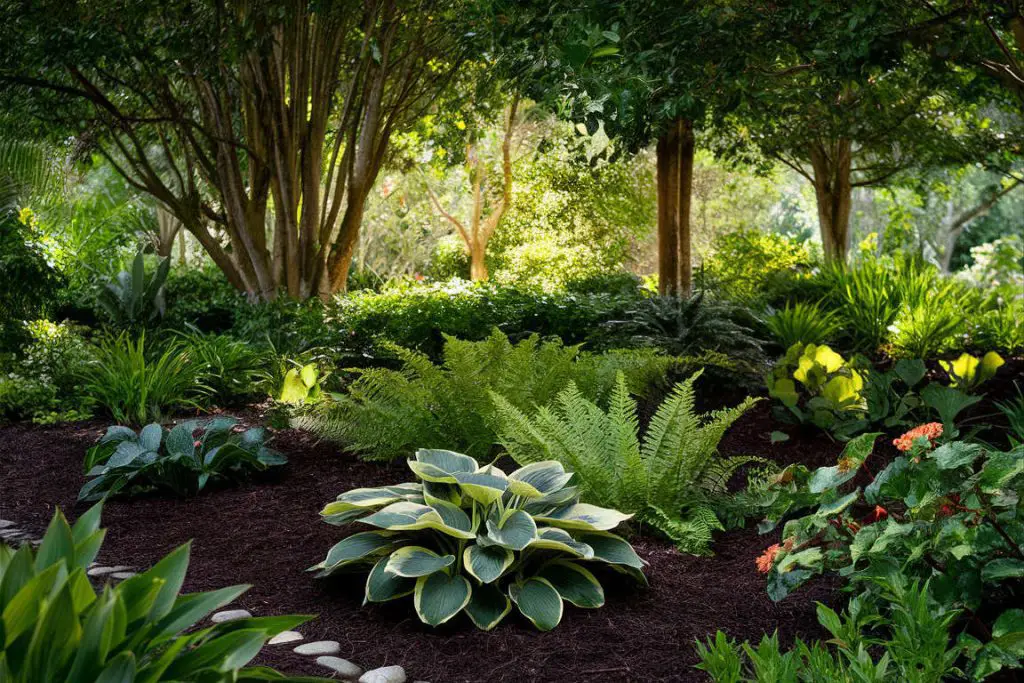
For beginners, starting with low-maintenance, easy-to-grow perennials can build confidence and set the stage for a successful garden. These plants are resilient, forgiving, and require minimal care, making them perfect for those new to gardening or managing a shaded area for the first time.
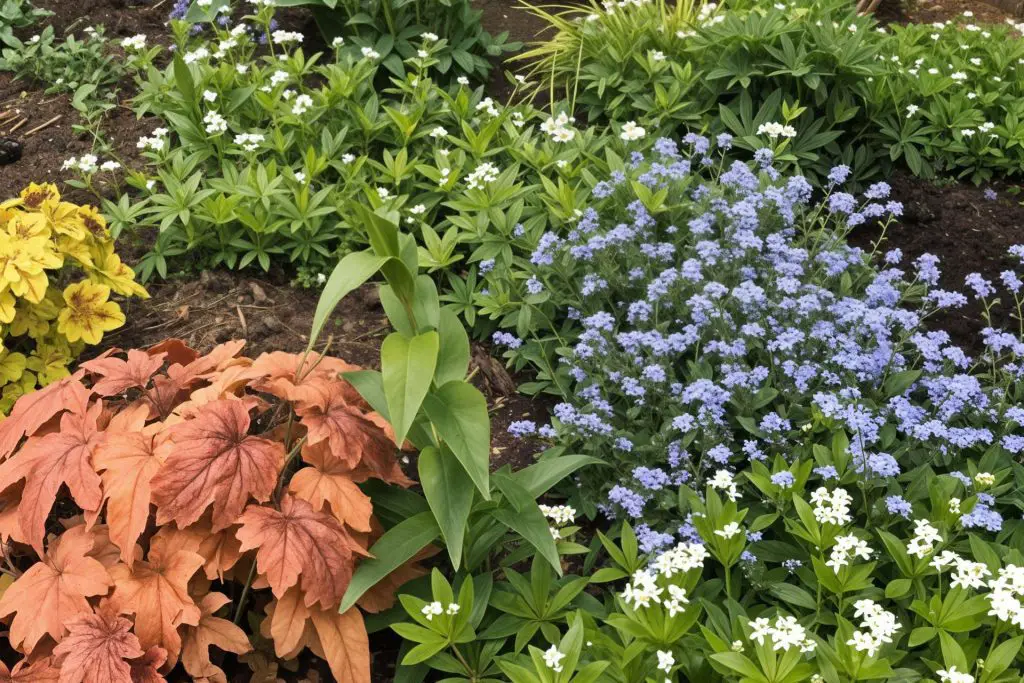
Hostas are a classic choice for shade gardens. Known for their lush foliage and variety of colors, they thrive in full to partial shade and are relatively low-maintenance. Ferns, with their delicate fronds, are another excellent option. They add texture and depth to any garden and generally require minimal care, thriving in moist, shady conditions.
Coral bells, with their vibrant leaves and small bell-shaped flowers, offer both beauty and ease of care. These perennials do well in partial shade and can add a pop of color to your garden. Their adaptability to different soil types and low water requirements make them a favorite among gardeners.
Starting with these reliable plants allows you to learn and observe the needs of shade-tolerant perennials without feeling overwhelmed. Success with these initial choices can inspire further experimentation and expansion of your garden, gradually incorporating more diverse and challenging plants.
Experiment and Learn
Gardening is a continuous learning experience. Embracing experimentation can lead to discovering the best plants and practices for your unique garden. Trying new plants and combinations helps understand what works well in your specific conditions.
Keeping a gardening journal can be incredibly useful. Record which plants thrive, which struggle, and any changes in your garden’s environment. Notes on weather patterns, soil conditions, and plant performance provide valuable insights for future planting decisions.
Don’t be afraid to adjust and adapt. Some plants may not perform as expected, and that’s okay. Gardening involves trial and error, and each attempt brings you closer to creating the perfect shade garden. Over time, patterns will emerge, revealing the perennials that best suit your garden’s shade levels, soil conditions, and overall climate.
Learning from both successes and failures enriches your gardening knowledge. Sharing experiences with fellow gardeners, joining local gardening clubs, or participating in online forums can provide additional tips and inspiration. Gardening is a journey, and each season offers new opportunities to grow and improve your skills.
Transform Your Shady Spots into Garden Gems
Creating a vibrant shade garden is entirely possible with the right approach. Understanding your USDA Hardiness Zone ensures your plants can thrive in local conditions. Assessing the shade levels helps in choosing the perfect plants for your garden’s light conditions.
Considering soil conditions, from type to moisture levels, lays the foundation for healthy plant growth. Selecting native plants can boost resilience and reduce maintenance, while researching specific plant requirements ensures they get the care they need.
Starting with easy-to-grow options like hostas, ferns, and coral bells builds confidence and sets you on a path to success. Embracing experimentation allows you to learn and adapt, discovering what works best in your unique garden space.
Shade-tolerant perennials can transform any garden corner into a lush, colorful haven. Dive in, explore the possibilities, and watch as your shaded areas become the highlight of your garden.
Share this story