Get the latest garden guides in your inbox →
Gardening Latest
  • General Gardening
  • Lawn Care
  • Plant Care
  • Composting
  • Soil Health
  • Backyard
  • Garden Muse Magazine
  • General Gardening
  • Lawn Care
  • Plant Care
  • Composting
  • Soil Health
  • Backyard
  • Garden Muse Magazine
  • News
  • Gardening Calendar
  • Garden Structures
  • Vegetable Garden
  • Vertical Garden
  • Raised Beds
  • Hydroponics
  • General Equipment
  • Community Gardens
Garden Themes
  • Spiritual Garden
  • Hydroseeding
  • Seeding and Laying Sod
  • Artificial Grass
  • Lawn Care Equipment
  • Plants
  • Trees
  • Planting Tools
  • Composting Basics
  • Fertilizer
  • Alternative Growing Mediums
  • Front Yard
  • Backyard Activities
  • Landscaping
Gardening Latest

Explore by state

Which state is your garden in?

Currently viewing Delaware

All states

Northeast

  • Connecticut —
  • Delaware 5
  • Maine —
  • Maryland 3
  • Massachusetts 7
  • New Hampshire —
  • New Jersey 3
  • New York 2
  • Pennsylvania 2
  • Rhode Island —
  • Vermont —

Southeast

  • Alabama 3
  • Arkansas —
  • Florida 3
  • Georgia 3
  • Kentucky 6
  • Louisiana 2
  • Mississippi —
  • North Carolina 1
  • South Carolina 5
  • Tennessee —
  • Virginia 2
  • West Virginia —

Midwest

  • Illinois 2
  • Indiana 4
  • Iowa 5
  • Kansas —
  • Michigan 3
  • Minnesota 2
  • Missouri 2
  • Nebraska —
  • North Dakota —
  • Ohio 3
  • South Dakota —
  • Wisconsin 6

Southwest

  • Arizona 3
  • Colorado —
  • Nevada —
  • New Mexico —
  • Oklahoma —
  • Texas 2
  • Utah —

West

  • Alaska —
  • California 3
  • Hawaii —
  • Idaho —
  • Montana —
  • Oregon —
  • Washington —
  • Wyoming —

No state matches that search.

Site menu

Gardening Latest
  • General Gardening
    • News
    • Gardening Calendar
    • Garden Structures
    • Vegetable Garden
    • Vertical Garden
    • Raised Beds
    • Hydroponics
    • General Equipment
    • Community Gardens
    Garden Themes
    • Spiritual Garden
  • Lawn Care
    • Hydroseeding
    • Seeding and Laying Sod
    • Artificial Grass
    • Lawn Care Equipment
  • Plant Care
    • Plants
    • Trees
    • Planting Tools
  • Composting
    • Composting Basics
  • Soil Health
    • Fertilizer
    • Alternative Growing Mediums
  • Backyard
    • Front Yard
    • Backyard Activities
    • Landscaping
  • Garden Muse Magazine

Explore

  • About GardeningLatest.com
  • Contact Us

Get the latest from the garden

New guides on lawn care, plants and backyard projects, sent when they go up.

Subscribe →

Follow

  • Facebook
  • X
  • Pinterest
  • YouTube
Delaware Gardening

Are Delaware’s Winter Bird Feeders Drawing Foxes and Hawks Closer to Your Back Door?

A feeder full of chickadees and finches can make a quiet winter yard feel alive.

OP

By Owen Pruitt

November 17, 2026 · 6 min read

Are Delaware’s Winter Bird Feeders Drawing Foxes and Hawks Closer to Your Back Door?
Are Delaware's Winter Bird Feeders Drawing Foxes and Hawks Closer to Your Back Door?

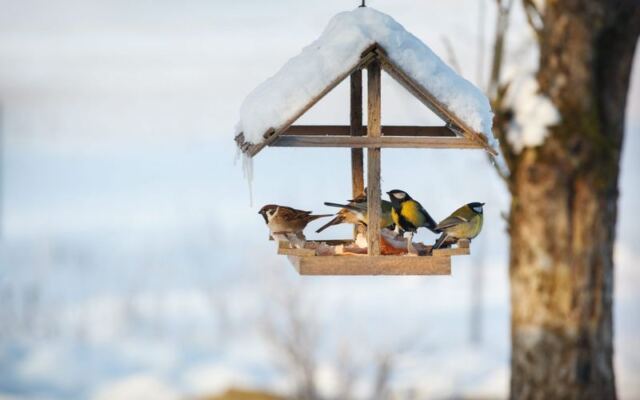
A feeder full of chickadees and finches can make a quiet winter yard feel alive. But a busy feeder is also a crowd of small birds, and that may get the attention of other animals.

Here is what is known about hawks, foxes, and feeders in Delaware, and what simple changes can lower the risks for birds and pets.

At a glance

Where
Delaware Gardening
Hardiness zone
7 0 to 10°F
Read
6 minutes
Published
November 17, 2026

A feeder can turn songbird traffic into a hunting opportunity
A feeder can turn songbird traffic into a hunting opportunity
© Frame To Frame – Bob and Jean

Put out seed, and small birds show up in numbers. That crowd can create a hunting opportunity for predators.

In a 2024 experiment at 52 sites in western Poland, researchers found more predators at sites that attracted more small birds.

The predators recorded there were European sparrowhawks and feral cats, not Delaware foxes. So the study is best read as evidence for a general pathway: feeders gather prey, and predators may follow.

It does not tell us how often that happens in Delaware yards.

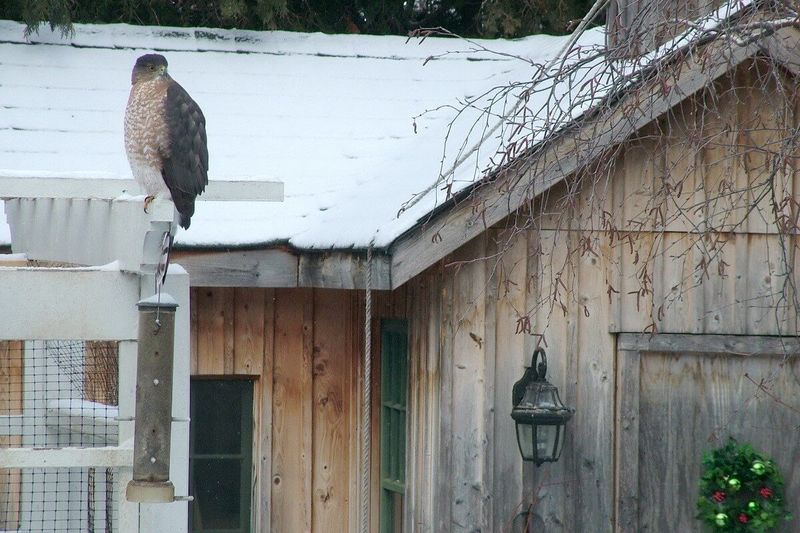
Closer to home, Maryland’s wildlife agency says Cooper’s hawks are often seen hunting at backyard feeders. That makes them a good regional example of a hawk that knows how to use a busy yard.

Still, a hawk in your yard is not proof that your feeder brought it. Hawks cover many species and hunt in all kinds of places, and one sighting cannot tell you why a bird showed up.

The fair takeaway is that feeders can make hunting easier for some hawks, but not every feeder draws one, and not every nearby hawk is there because of the seed.

Do feeders bring foxes to the door?
Do feeders bring foxes to the door?
© Kansas City Star

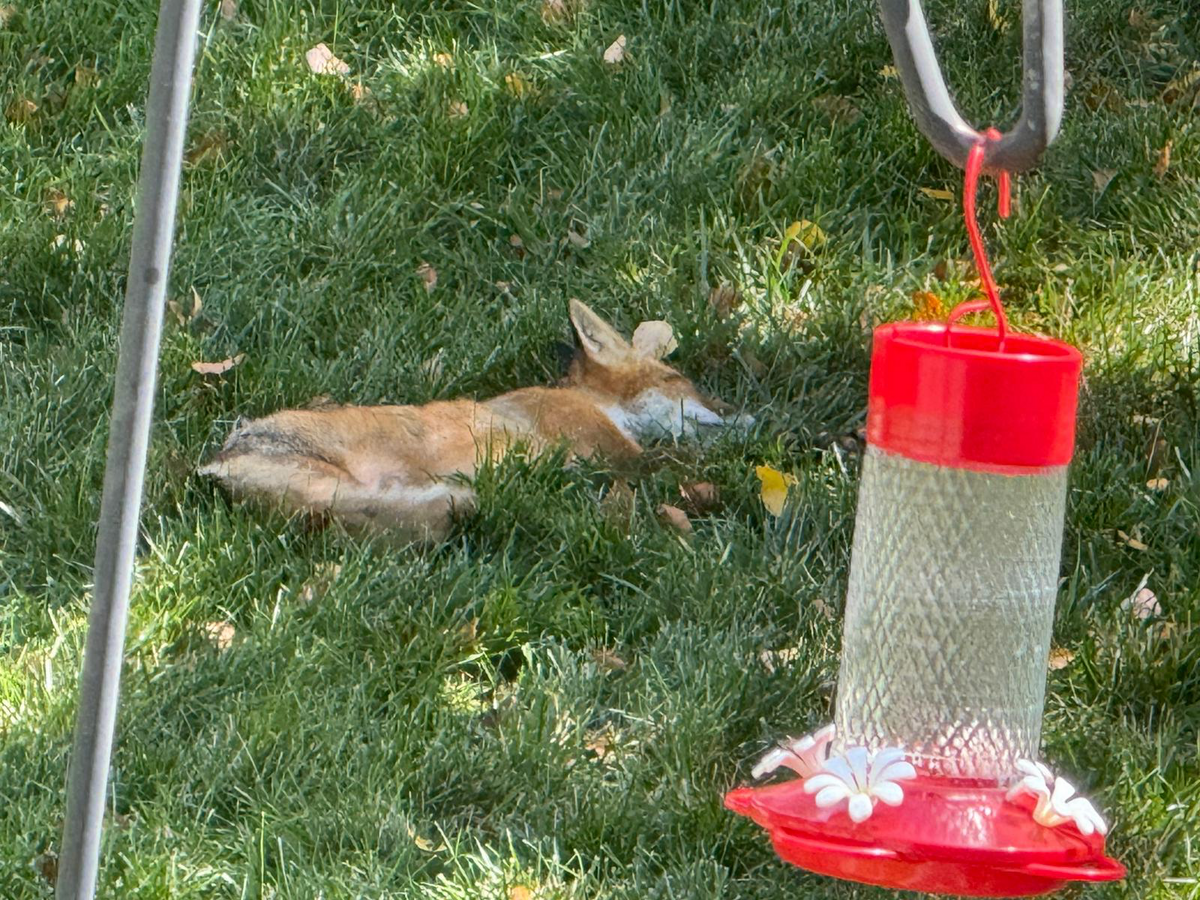
Foxes are a real part of Delaware’s wildlife. DNREC’s fox guide describes red and gray foxes living across the state, with red foxes more at home in suburban settings.

Both are mostly active at night, dusk, and dawn.

That is different from showing that feeders pull foxes in. The sources reviewed do not demonstrate that winter feeders directly lure foxes to Delaware homes, and nobody has measured how often it might happen.

Up close, birds that take off cannot build enough speed to be hurt badly if they hit.

An indirect link is plausible, though. Delaware Public Health District guidance says feeders attract many animals.

Virginia Tech Extension notes that seed left on the ground overnight may attract rodents, and rodents can interest predators.

Seed is also just one possible draw. DNREC points to trash, outdoor cat food, and food scraps as other attractants, and foxes use suburban areas for food and safety anyway.

If you spot a fox near your feeder, that sighting alone does not tell you what it was after.

Feeding helps birds, but it carries trade-offs
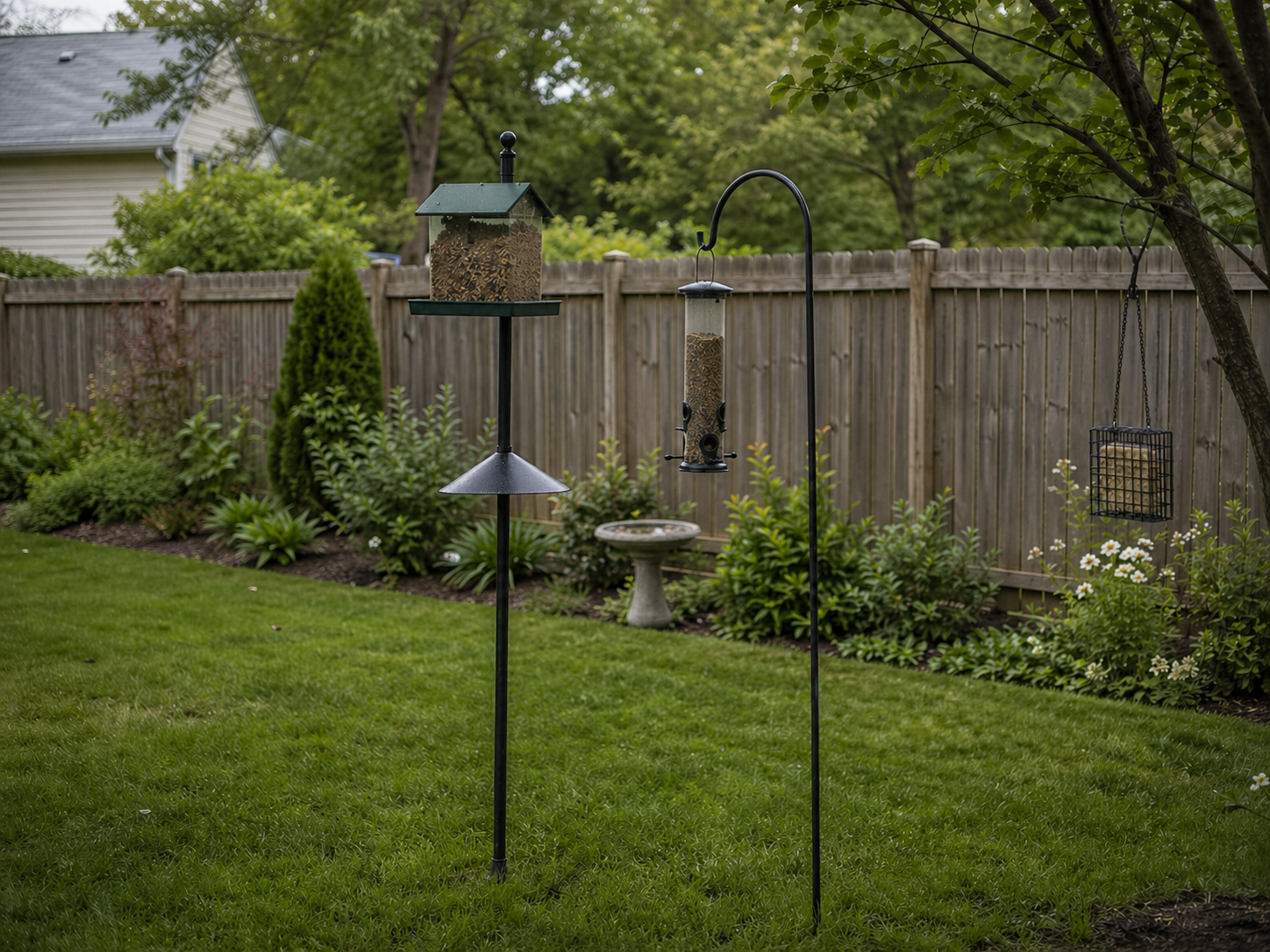
Feeding helps birds, but it carries trade-offs
© Birdbrella

Feeding birds is a mix of benefits and risks, and it helps to see both. The U.S.

Fish and Wildlife Service says in its feeding guidance that feeders may help birds during migration and harsh winters. It also lists disease transmission, predation, and window collisions as risks.

Each risk has a plain explanation. Birds packed around a feeder can pass illness along, especially when feeders are dirty.

A crowd is easier for a hunter to target, and a bird dashing away from a hawk may hit a window.

It would be wrong to call feeders essential for every bird. The Tufts Wildlife Clinic says birds can generally find other food if feeding stops, except potentially in severe weather.

It would be just as wrong to call feeders harmful across the board. Many households feed birds for years without a serious problem.

That is why careful management is more useful than alarm, and the next sections cover the steps that make the biggest difference.

Limit seed left for other animals
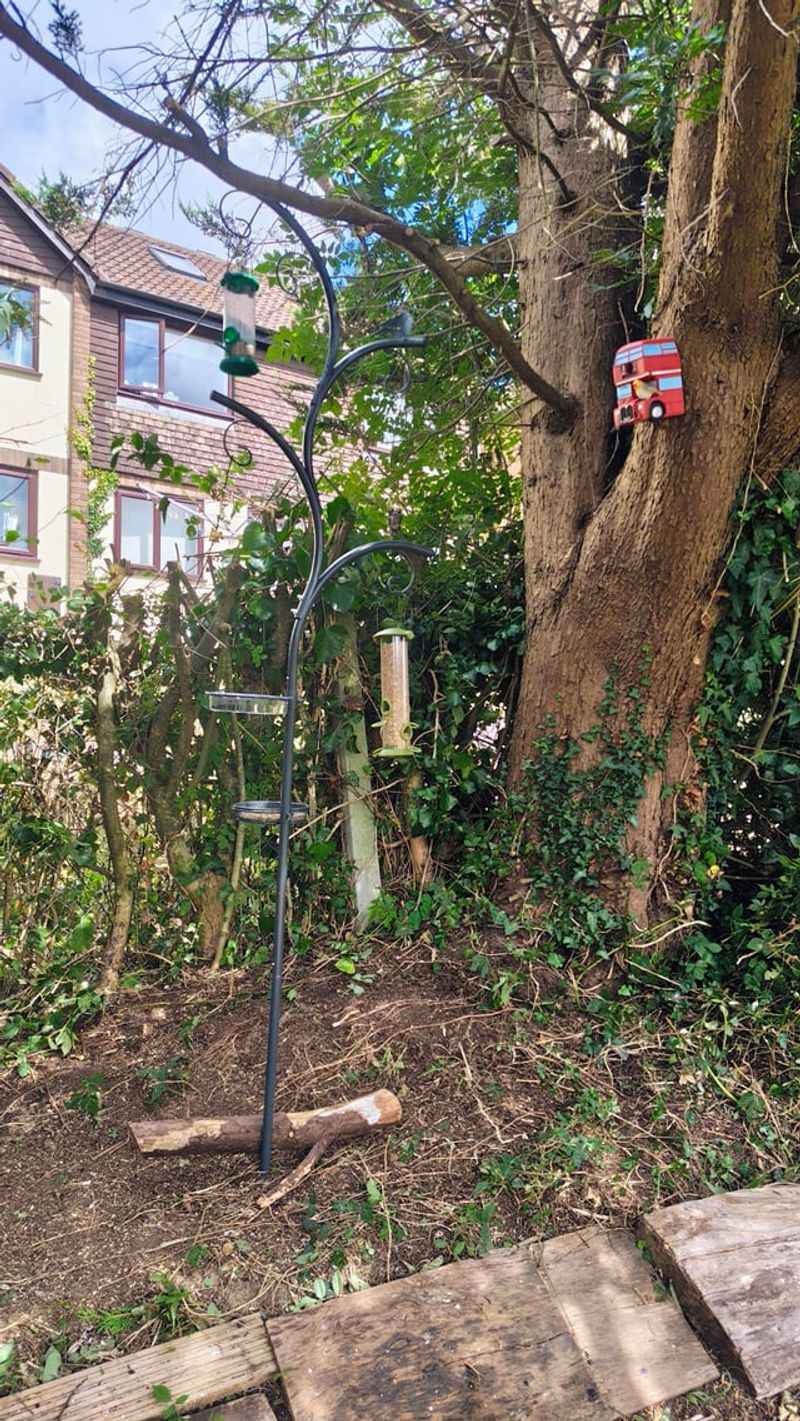
Limit seed left for other animals
© Reddit

Leftover seed is the easiest thing to control. Delaware’s public health guidance recommends three habits: bring feeders in at night, put out only a day’s worth of seed, and keep the ground clean.

Bringing feeders in at dusk matters because many animals that visit yards are most active after dark. An empty pole offers them less than a full feeder does.

Sweeping up hulls and spilled seed helps for the same reason. Virginia Tech Extension advises removing spilled seed regularly and limiting ground food to what birds will eat that day, since food left overnight may attract rodents.

A simple routine works well. Fill the feeder in the morning with a modest amount, rake or sweep under it every few days, and take it in at sundown.

These steps cut down the food available to rodents and other wildlife, but they cannot promise that a fox will never wander through. Foxes may have other reasons to visit, so it also helps to secure trash and pick up pet food.

Place feeders to reduce collisions and ambush risks
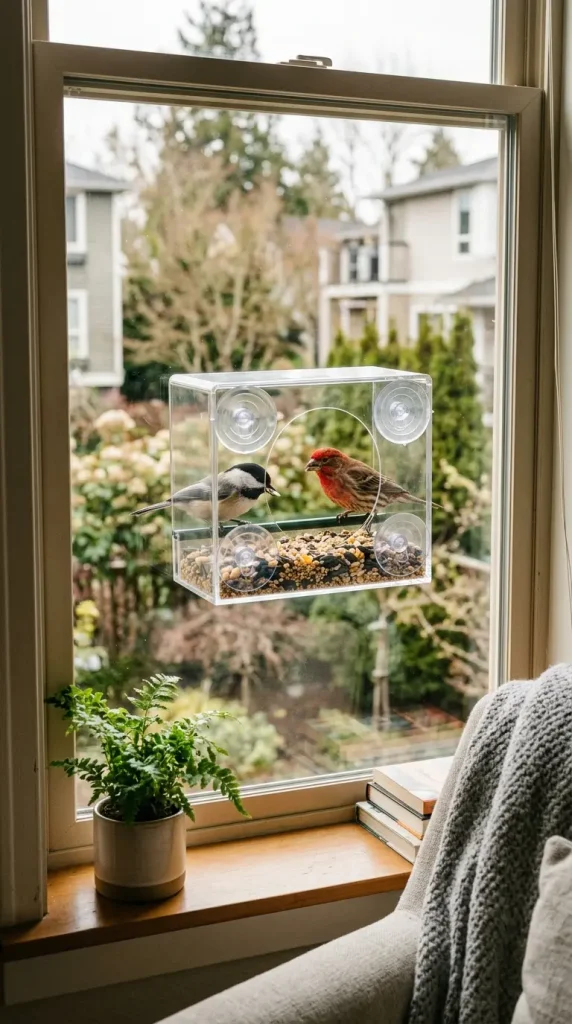
Place feeders to reduce collisions and ambush risks
© Bird Feeder World

Where you hang a feeder matters as much as what you put in it. Tufts Wildlife Clinic gives two separate distances, and each does a different job.

The first is about windows. Place a feeder either within 3 feet of the glass or more than 30 feet away.

Up close, birds that take off cannot build enough speed to be hurt badly if they hit. Far away, a window is less likely to be in their flight path.

The second distance is about cover. Tufts suggests placing feeders about 12 feet from dense shrubs or brush.

Birds can then dash into shelter when a hawk appears, while a predator has less chance to hide right beside the feeder.

These are not one rule, so check both. A feeder 15 feet from a window might satisfy the cover guideline but sit in the risky middle zone for collisions.

Walk your yard, pace off the distances, and move the feeder if one number is off.

Pause feeding only when a clear trigger appears
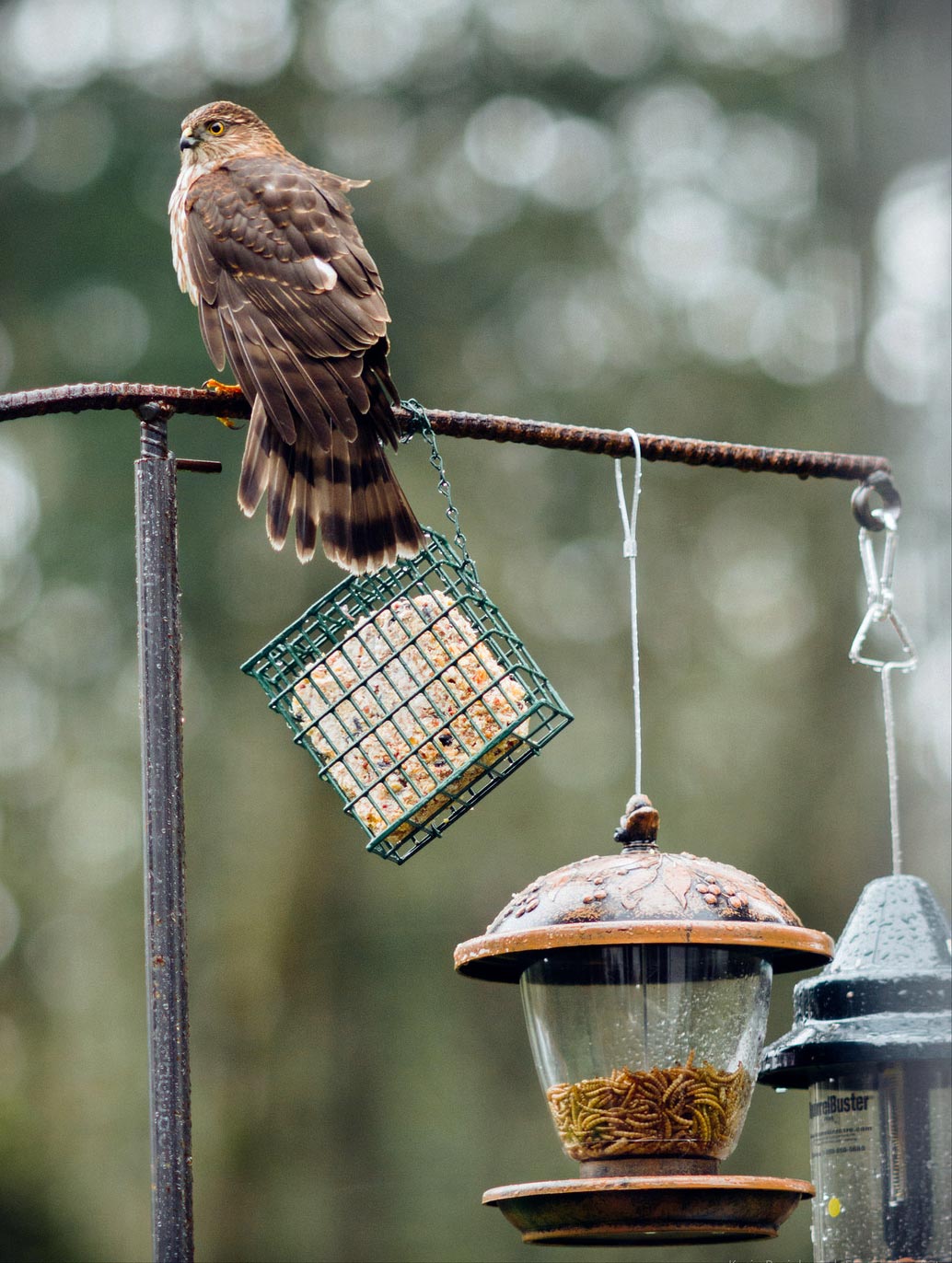
Pause feeding only when a clear trigger appears
© All About Birds

Taking feeders down is a targeted response, not a winter rule. Two situations call for it, and they have different timelines.

The first is a hawk repeatedly hunting feeder birds. Cornell Lab of Ornithology advises taking feeders down temporarily so the smaller birds disperse.

You can put them back after a week or two.

The second is a sick or dead bird. CDC guidance says to remove the feeder and bird bath for two weeks.

The CDC also advises cleaning feeders at least monthly, and more often if they look dirty, and washing your hands after handling them.

Pets deserve a plan too. The CDC recommends keeping pets away from feeders, baths, and nearby areas, and supervising them outdoors.

Hawk attacks on household pets near feeders are not something the guidance describes as routine, so think of this as ordinary caution.

Before pausing, ask what you actually saw. One hawk flyover is not a pattern.

A hawk returning day after day, or a bird that is clearly ill, is a clear trigger.

Keep the routine, not the wildlife close
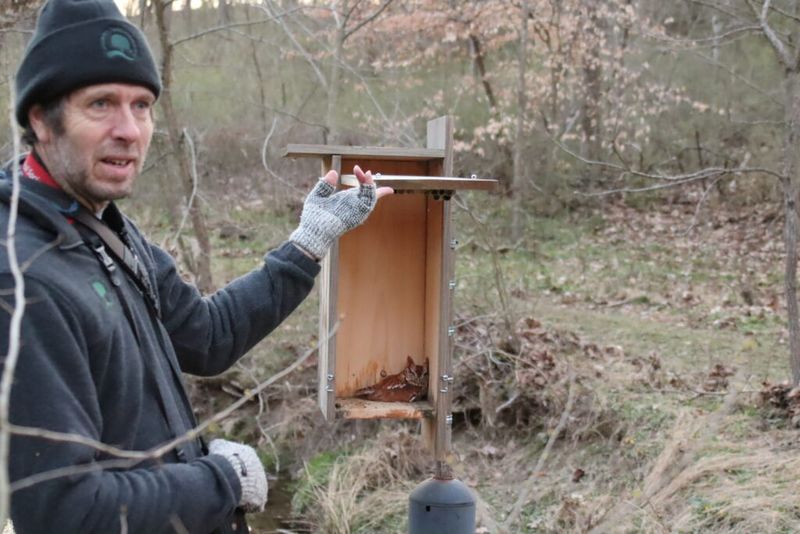
Keep the routine, not the wildlife close
© Delaware Nature Society

A workable rule is simple. Keep feeding if you control spills, clean your feeders, and watch how birds use the yard.

Pause when a specific hawk problem or illness gives you a reason, as the U.S. Fish and Wildlife Service trade-offs suggest.

These habits lower avoidable risks, but they cannot promise that no hawk or fox will ever pass through. If you find sick or dead wildlife, keep your distance and follow DNREC’s reporting guidance.

A feeder is an invitation to small birds, and a tidy yard keeps it from becoming an invitation to everything else.

Share this story

OP

Written by

Owen Pruitt

More from Owen Pruitt →

About Gardening Latest

Gardening Latest provides in-depth guides to maintaining and enhancing your garden and backyard. Learn how to make the most of the space you have and create a beautiful garden.

More about us →

Latest stories

  • Wisconsin GardeningWhat Happens To Your Body When You Eat Celery Every Day In Wisconsin

    What Happens To Your Body When You Eat Celery Every Day In Wisconsin

    9 hr ago
  • Iowa GardeningIowa Yards Hide These Venomous Creatures, And Here’s How To Tell Each One Apart

    Iowa Yards Hide These Venomous Creatures, And Here’s How To Tell Each One Apart

    9 hr ago
  • Massachusetts GardeningWhat Does a Dead Mouse on a Massachusetts Doorstep After Frost Really Tell You?

    What Does a Dead Mouse on a Massachusetts Doorstep After Frost Really Tell You?

    10 hr ago
  • Delaware GardeningProtecting Delaware Bigleaf Hydrangeas From Winter Cold: When a Leaf-Filled Cage Can Help Save Next Summer’s Blooms

    Protecting Delaware Bigleaf Hydrangeas From Winter Cold: When a Leaf-Filled Cage Can Help Save Next Summer’s Blooms

    10 hr ago
  • Kentucky Gardening7 Harmless Kentucky Critters That Send People Running Because They Look Venomous

    7 Harmless Kentucky Critters That Send People Running Because They Look Venomous

    11 hr ago

Gardening by state

Stories for your state, and the hardiness zone most of it gardens in.

Keep exploring

Read next

All Delaware Gardening →
Delaware GardeningProtecting Delaware Bigleaf Hydrangeas From Winter Cold: When a Leaf-Filled Cage Can Help Save Next Summer’s Blooms
Delaware Gardening

Protecting Delaware Bigleaf Hydrangeas From Winter Cold: When a Leaf-Filled Cage Can Help Save Next Summer’s Blooms

10 hr ago
Delaware GardeningWhat Those Scratching Sounds in Your Delaware Attic Mean Once Cold Weather Hits
Delaware Gardening

What Those Scratching Sounds in Your Delaware Attic Mean Once Cold Weather Hits

20 hr ago
Delaware GardeningWhy a Copperhead Might Turn Up Near Delaware Woodpiles and Yard Debris
Delaware Gardening

Why a Copperhead Might Turn Up Near Delaware Woodpiles and Yard Debris

Yesterday

More from Delaware Gardening

  • 7 Harmless Kentucky Critters That Send People Running Because They Look Venomous

    11 hr ago
  • Why You May Hear Coyotes Howling After Dark in South Carolina

    11 hr ago
Back to top

Leave a response Cancel

Your email address stays private. Required fields are marked with an asterisk.

Gardening Latest

In-depth guides to maintaining and enhancing your garden and backyard: how to make the most of the space you have, and how to make it beautiful.

  • Facebook
  • X
  • Pinterest
  • YouTube

We may earn a portion of sales from products or services that are purchased through our site as part of our affiliate partnerships with retailers.

Explore

  • About GardeningLatest.com
  • Contact Us
  • Terms and Conditions
  • Privacy
  • Editorial Note:
  • FTC Disclosure

Newsletter

New garden guides and seasonal tips, straight to your inbox.

We’ll email you a link to confirm. Unsubscribe any time.

Almost there! Check your inbox and tap the link to confirm.

© 2026 Gardening Latest. All rights reserved.

Back to top