Get the latest garden guides in your inbox →
Gardening Latest
  • General Gardening
  • Lawn Care
  • Plant Care
  • Composting
  • Soil Health
  • Backyard
  • Garden Muse Magazine
  • General Gardening
  • Lawn Care
  • Plant Care
  • Composting
  • Soil Health
  • Backyard
  • Garden Muse Magazine
  • News
  • Gardening Calendar
  • Garden Structures
  • Vegetable Garden
  • Vertical Garden
  • Raised Beds
  • Hydroponics
  • General Equipment
  • Community Gardens
Garden Themes
  • Spiritual Garden
  • Hydroseeding
  • Seeding and Laying Sod
  • Artificial Grass
  • Lawn Care Equipment
  • Plants
  • Trees
  • Planting Tools
  • Composting Basics
  • Fertilizer
  • Alternative Growing Mediums
  • Front Yard
  • Backyard Activities
  • Landscaping
Gardening Latest

Explore by state

Which state is your garden in?

Currently viewing California

All states

Northeast

  • Connecticut —
  • Delaware 29
  • Maine —
  • Maryland 15
  • Massachusetts 31
  • New Hampshire —
  • New Jersey 15
  • New York 24
  • Pennsylvania 24
  • Rhode Island —
  • Vermont —

Southeast

  • Alabama 15
  • Arkansas —
  • Florida 15
  • Georgia 15
  • Kentucky 29
  • Louisiana 14
  • Mississippi —
  • North Carolina 13
  • South Carolina 28
  • Tennessee 12
  • Virginia 14
  • West Virginia —

Midwest

  • Illinois 14
  • Indiana 16
  • Iowa 28
  • Kansas —
  • Michigan 15
  • Minnesota 14
  • Missouri 14
  • Nebraska —
  • North Dakota —
  • Ohio 15
  • South Dakota —
  • Wisconsin 30

Southwest

  • Arizona 15
  • Colorado —
  • Nevada —
  • New Mexico —
  • Oklahoma —
  • Texas 14
  • Utah —

West

  • Alaska —
  • California 15
  • Hawaii —
  • Idaho —
  • Montana —
  • Oregon —
  • Washington —
  • Wyoming —

No state matches that search.

Site menu

Gardening Latest
  • General Gardening
    • News
    • Gardening Calendar
    • Garden Structures
    • Vegetable Garden
    • Vertical Garden
    • Raised Beds
    • Hydroponics
    • General Equipment
    • Community Gardens
    Garden Themes
    • Spiritual Garden
  • Lawn Care
    • Hydroseeding
    • Seeding and Laying Sod
    • Artificial Grass
    • Lawn Care Equipment
  • Plant Care
    • Plants
    • Trees
    • Planting Tools
  • Composting
    • Composting Basics
  • Soil Health
    • Fertilizer
    • Alternative Growing Mediums
  • Backyard
    • Front Yard
    • Backyard Activities
    • Landscaping
  • Garden Muse Magazine

Explore

  • About GardeningLatest.com
  • Contact Us

Get the latest from the garden

New guides on lawn care, plants and backyard projects, sent when they go up.

Subscribe →

Follow

  • Facebook
  • X
  • Pinterest
  • YouTube
California Gardening

From Rattlesnakes To Black Widows, Here’s How To Recognize Every Venomous Creature In Your California Yard

California backyards are full of life, from buzzing bees to lizards sunning on the fence.

JN

By Julia Navarro

November 25, 2026 · 6 min read

From Rattlesnakes To Black Widows, Here’s How To Recognize Every Venomous Creature In Your California Yard
From Rattlesnakes To Black Widows, Here's How To Recognize Every Venomous Creature In Your California Yard

California backyards are full of life, from buzzing bees to lizards sunning on the fence. A few of those neighbors, though, carry venom that can make a bad day much worse.

Knowing what they look like helps you stay calm, keep your kids and pets safe, and avoid hurting the harmless critters that help your garden. Here is a friendly field guide to the ten venomous creatures you are most likely to meet outside your back door.

At a glance

Where
California Gardening
Hardiness zone
9 20 to 30°F
Read
6 minutes
Published
November 25, 2026

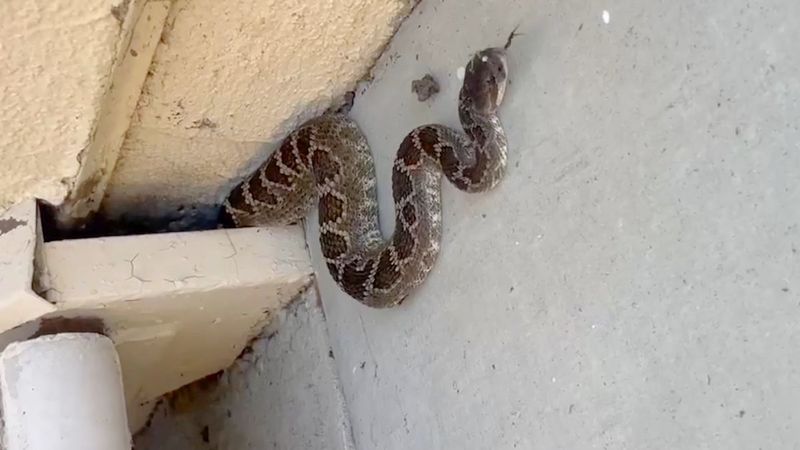
1. Southern Pacific Rattlesnake

Southern Pacific Rattlesnake
© Yahoo

Picture a warm May evening, a garden hose in your hand, and a dry buzzing sound near the woodpile. That noise is the Southern Pacific rattlesnake telling you to back off, and it is the most common rattler in Southern California yards.

Look for a thick body with brown or gray diamond-shaped blotches, a wide triangular head, and a narrow neck. The tail often has dark and light bands right before the rattle.

Young snakes can be just as venomous, and their rattles are tiny, so do not count on hearing a warning.

These snakes love rock piles, ivy, and cool spots under decks. Clear clutter, keep grass short, and wear closed shoes after dark.

If you get bitten, stay still, remove rings, and call 911 right away. Skip the ice and never try to suck out venom.

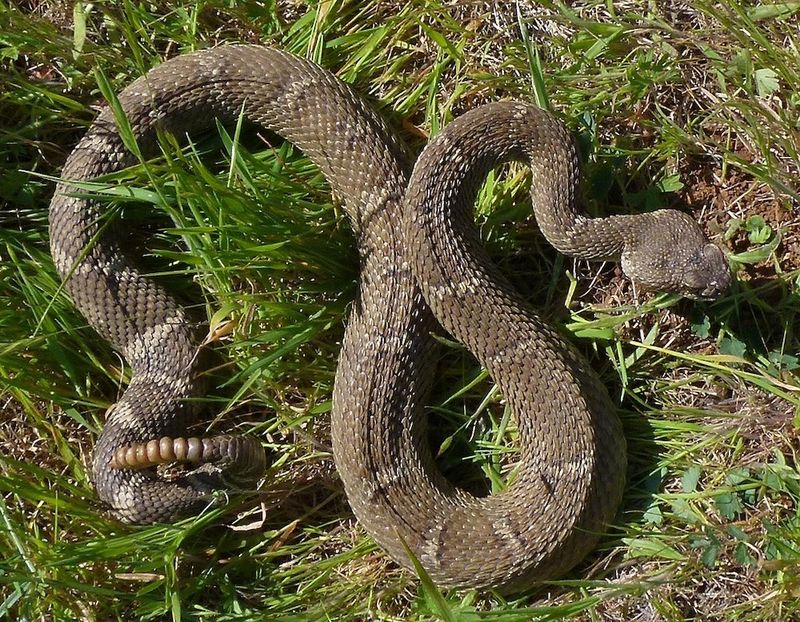
2. Northern Pacific Rattlesnake
Northern Pacific Rattlesnake
© Friends of Edgewood

Up north, from the Bay Area to the Sierra foothills, a close cousin takes over. The Northern Pacific rattlesnake has darker, more defined blotches that often look like rounded hexagons along its back.

Many people mistake gopher snakes for rattlers, and the reverse can happen too. A quick checklist helps: rattlers have a chunky triangular head, catlike vertical pupils, and a pit between the eye and nostril.

Gopher snakes have slim heads, round pupils, and pointed tails with no rattle.

Fun fact: rattlesnakes add a new rattle segment each time they shed, not once a year. So counting segments will not tell you the snake’s age, no matter what grandpa said.

3. Western Diamondback Rattlesnake
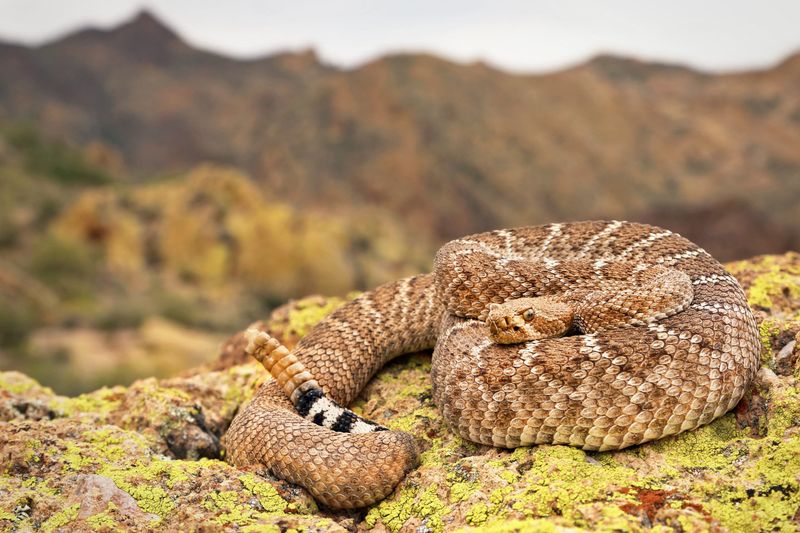
Western Diamondback Rattlesnake
© Nevada Department of Wildlife

Meet the heavyweight. Folks living near Palm Springs, the Imperial Valley, or the Colorado River may share space with the western diamondback, one of the largest rattlesnakes in the country, sometimes topping five feet.

Its signature look is a coon tail, meaning bold black and white rings just above the rattle. The diamonds on its back are outlined in pale scales and can look dusty or faded.

The real local relative is the desert recluse, and it sticks to dry desert regions far from most suburbs.

Diamondbacks are known for standing their ground rather than fleeing. Give them at least six feet of space and call a professional relocation service instead of grabbing a shovel.

Most bites happen when people try to kill or move the snake themselves.

4. Mojave Rattlesnake
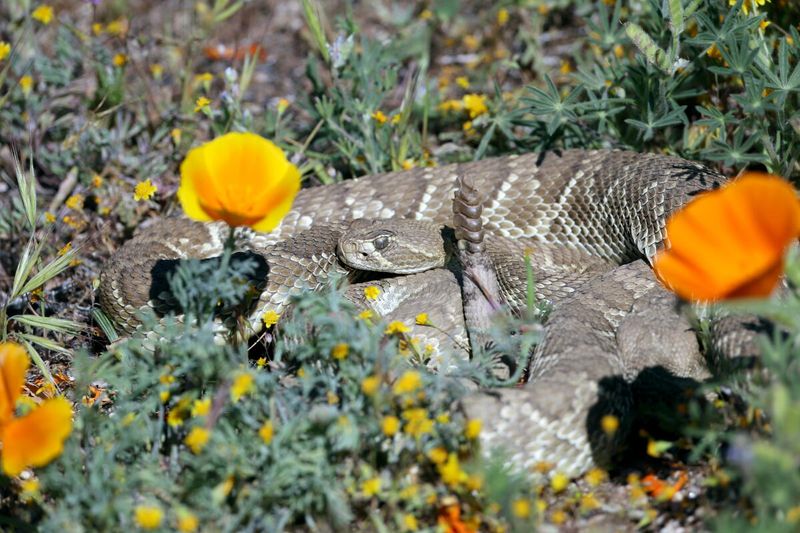
Mojave Rattlesnake
© LA Times

Here is one snake that earns real respect. The Mojave rattlesnake carries some of the strongest venom of any North American rattler, with toxins that can affect breathing and nerves.

It looks a lot like a western diamondback, which makes things tricky. Clues include a greenish tint, white tail bands that are wider than the black ones, and diamonds that fade toward the tail.

You will mostly find it in the high desert around Lancaster, Barstow, and Joshua Tree.

Honestly, you do not need to tell them apart in the moment. Treat any rattler as dangerous, keep pets leashed on desert walks, and get to a hospital fast after any bite.

5. Western Black Widow Spider
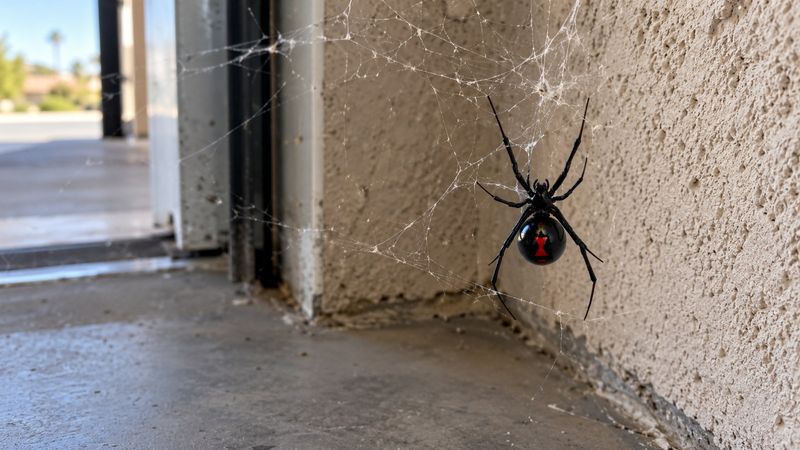
Western Black Widow Spider
© Vegas Estate Pest Control

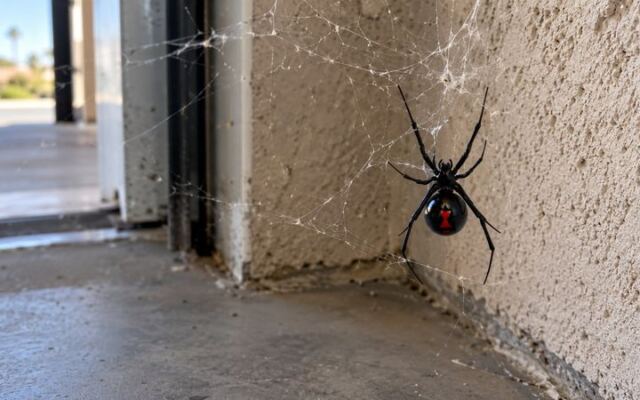
Flip over a patio chair in almost any California town and you might spot her: glossy black, round as a pea, with a red hourglass on her belly. The female western black widow is easy to recognize once you know where to look.

Widows spin tangled, messy webs in dark corners like garage shelves, water meter boxes, and under outdoor furniture. Males and young ones are smaller and often brown or striped, and they are not considered dangerous.

A bite can cause muscle cramps, stomach pain, and sweating. Bites are rarely deadly, but kids and older adults should see a doctor.

Wearing gloves while gardening solves most of the problem.

6. Brown Widow Spider
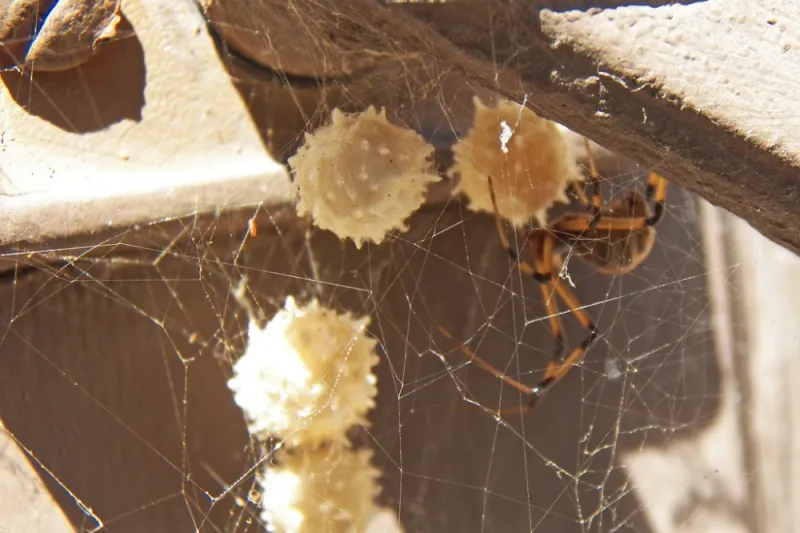
Brown Widow Spider
© Insectio

A newcomer has moved into Southern California, and it is crowding out the locals. The brown widow arrived in recent decades and is now common in Los Angeles, Orange County, and San Diego.

It is tan to brown with an orange hourglass and often a pattern of stripes on its back. The easiest giveaway is its egg sac, which looks like a tiny spiked ball, almost like a cartoon sea mine.

Good news: its venom is strong but it injects very little, so bites are usually milder than a black widow’s. Check the undersides of kids’ play equipment, mailboxes, and pool furniture, where these spiders love to hide.

7. Desert Recluse Spider
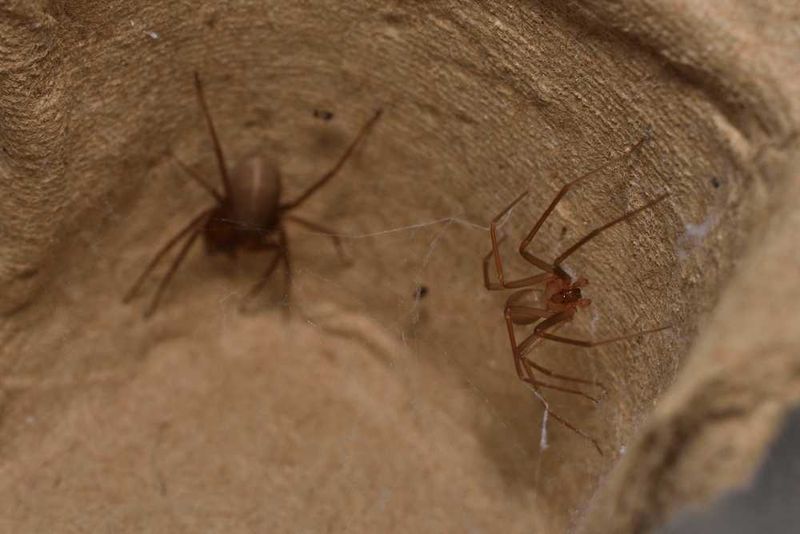
Desert Recluse Spider
© Responsible Pest & Scorpion Control

You may have heard that brown recluses live everywhere in California. They do not.

The real local relative is the desert recluse, and it sticks to dry desert regions far from most suburbs.

This shy spider is tan with long legs and a faint violin shape on its front body. It has six eyes arranged in pairs instead of the usual eight, though you would need a magnifying glass to check.

Doctors often blame mystery skin wounds on recluse bites, but many turn out to be infections. If you live in the Coachella Valley or Mojave, shake out shoes and gloves stored in garages before using them.

8. Bark Scorpion and Other Scorpions
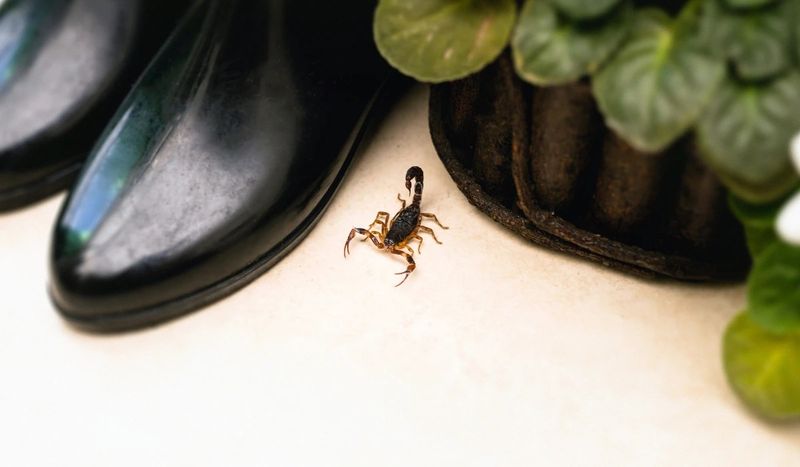
Bark Scorpion and Other Scorpions
© Rigo Pest Prevention

Grab a black light some summer night and shine it across your block wall. Scorpions glow an eerie blue-green under UV light, which makes hunting for them strangely fun.

California has several species, including the stripe-tailed scorpion and the giant desert hairy scorpion, which can reach five inches. The Arizona bark scorpion, the one with truly dangerous venom, lives mainly along the Colorado River near the Arizona border.

Most California stings feel like a nasty bee sting with burning and swelling. Seal cracks around doors, move firewood away from the house, and shake out shoes.

Young children stung by any scorpion should be seen by a doctor.

9. Giant Desert Centipede
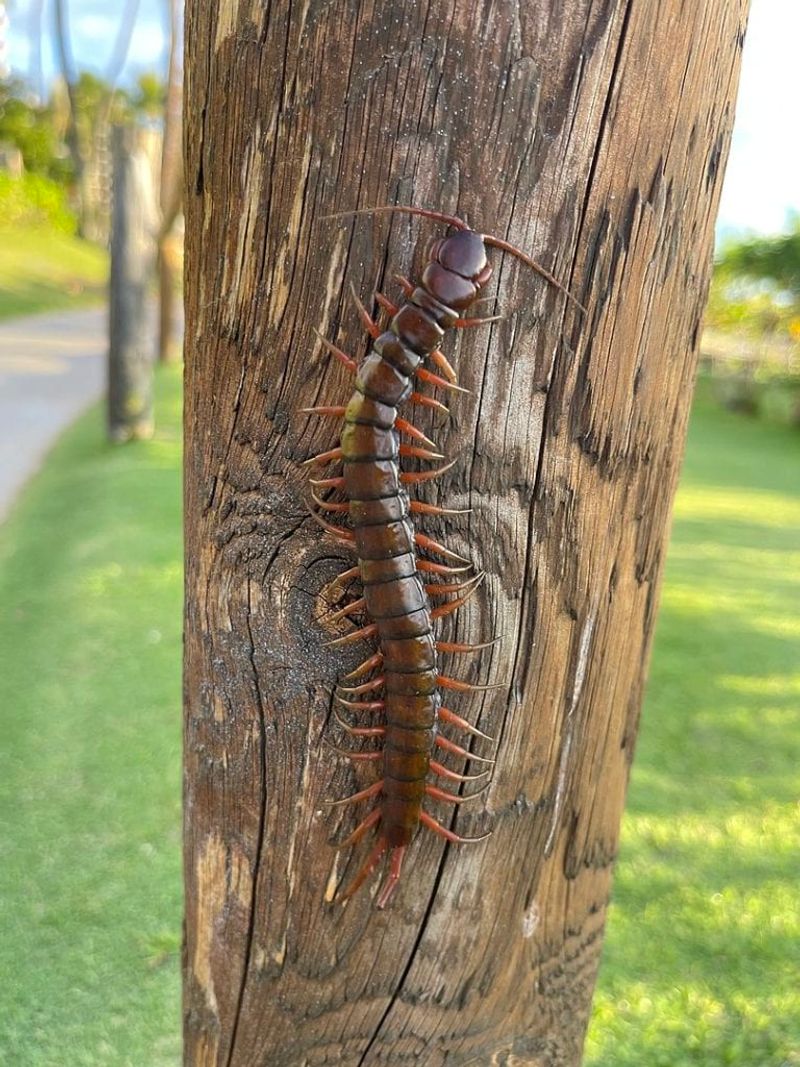
Giant Desert Centipede
© Outforia

Six inches long, bright orange, and fast as lightning. The first time you see a giant desert centipede scramble across your patio, you will probably shriek, and nobody would blame you.

Also called the Sonoran centipede, it has a black or orange head, a long segmented body, and a pair of legs on every segment. Its front legs are actually venom claws used to grab crickets, lizards, and even small mice.

A bite is very painful and can swell for a day or two, but it is rarely serious for healthy adults. Wear gloves when moving rocks or flowerpots, and never pick one up bare-handed.

10. Velvet Ant and Stinging Insects
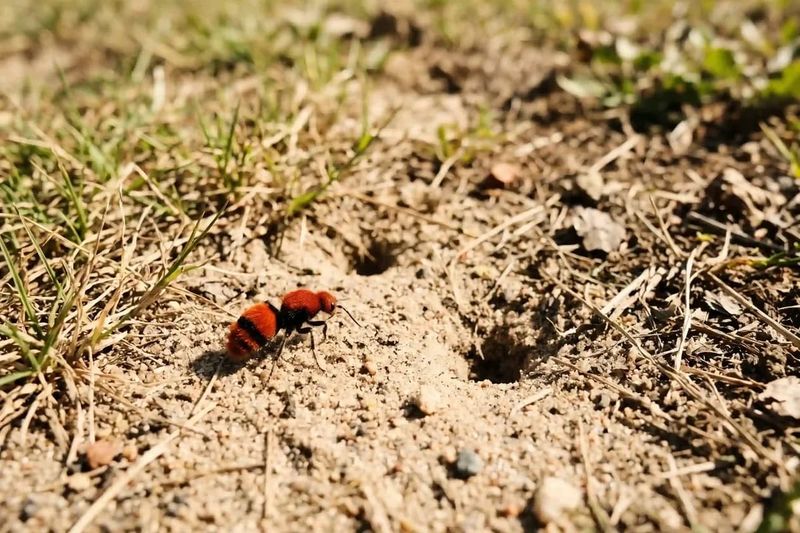
Velvet Ant and Stinging Insects
© Bug Identifier

Kids often call it a cow killer, and once you learn about its sting, the nickname makes sense. The velvet ant is not an ant at all.

It is a fuzzy, wingless female wasp, usually bright red, orange, or white.

Its sting is famously among the most painful insect stings, though it is not dangerous unless you are allergic. Yellowjackets, paper wasps, and honey bees also belong in this group, and for people with allergies they cause more serious reactions than any snake.

Watch for ground nests in lawns and wasp nests under eaves. Anyone with swelling in the face or trouble breathing after a sting needs emergency help immediately.

Share this story
JN

Written by

Julia Navarro

More from Julia Navarro →

About Gardening Latest

Gardening Latest provides in-depth guides to maintaining and enhancing your garden and backyard. Learn how to make the most of the space you have and create a beautiful garden.

More about us →

Latest stories

  • Arizona Gardening7 Native Arizona Plants You Legally Need a Permit to Dig Up or Move

    7 Native Arizona Plants You Legally Need a Permit to Dig Up or Move

    28 min ago
  • Texas GardeningIt’s Smaller Than Your Thumb, but This East Texas Shrew Kills Its Prey With Venomous Saliva

    It’s Smaller Than Your Thumb, but This East Texas Shrew Kills Its Prey With Venomous Saliva

    33 min ago
  • Wisconsin GardeningWisconsin Snowy Owls Show Up in Farm Fields and Airports Every Winter, and Here’s How to Spot One

    Wisconsin Snowy Owls Show Up in Farm Fields and Airports Every Winter, and Here’s How to Spot One

    44 min ago
  • Missouri GardeningMissouri Homeowners Pull This Invasive Tree Every Spring, Yet It Keeps Spreading Down the Block

    Missouri Homeowners Pull This Invasive Tree Every Spring, Yet It Keeps Spreading Down the Block

    50 min ago
  • Tennessee GardeningYour Tennessee Turnip Greens Just Shot Up a Tall Flower Stalk? Here’s What That Means and Whether to Cut It

    Your Tennessee Turnip Greens Just Shot Up a Tall Flower Stalk? Here’s What That Means and Whether to Cut It

    56 min ago

Gardening by state

Stories for your state, and the hardiness zone most of it gardens in.

Keep exploring

Read next

All California Gardening →
California GardeningHearing Coyotes Yip and Howl Around Your California Home After Dark? The Season Explains a Lot
California Gardening

Hearing Coyotes Yip and Howl Around Your California Home After Dark? The Season Explains a Lot

2 hr ago
California GardeningCalifornians Swapping Chips For Celery Every Day Are Feeling What It Does For Their Bodies
California Gardening

Californians Swapping Chips For Celery Every Day Are Feeling What It Does For Their Bodies

6 hr ago
California GardeningThese Trees in Your California Yard Need a City Permit Before You Even Pick Up the Saw
California Gardening

These Trees in Your California Yard Need a City Permit Before You Even Pick Up the Saw

9 hr ago

More from California Gardening

  • The Gorgeous California Native Called Devil’s Trumpet Is One Flower You Should Never Touch Barehanded

    Nov 23
  • This Is the California Shrub Rattlesnakes Love to Hide Under Near Your Path

    Nov 23
Back to top

Leave a response Cancel

Your email address stays private. Required fields are marked with an asterisk.

Gardening Latest

In-depth guides to maintaining and enhancing your garden and backyard: how to make the most of the space you have, and how to make it beautiful.

  • Facebook
  • X
  • Pinterest
  • YouTube

We may earn a portion of sales from products or services that are purchased through our site as part of our affiliate partnerships with retailers.

Explore

  • About GardeningLatest.com
  • Contact Us
  • Terms and Conditions
  • Privacy
  • Editorial Note:
  • FTC Disclosure

Newsletter

New garden guides and seasonal tips, straight to your inbox.

We’ll email you a link to confirm. Unsubscribe any time.

Almost there! Check your inbox and tap the link to confirm.

© 2026 Gardening Latest. All rights reserved.

Back to top