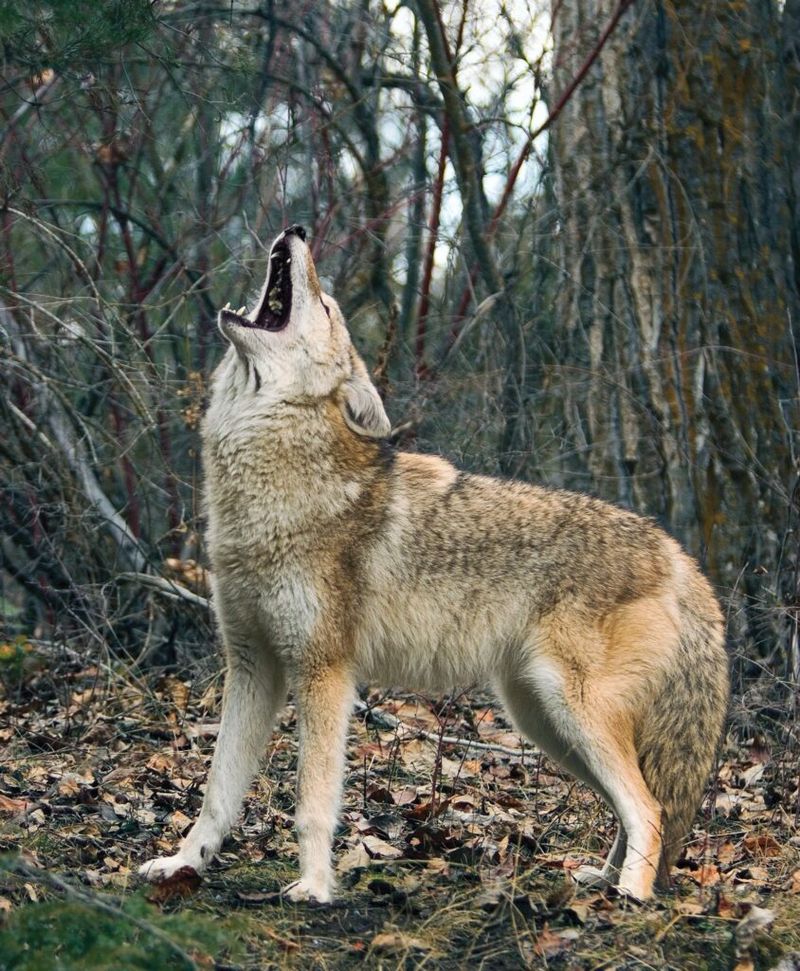
A coyote howl floating across your Missouri neighborhood in late November is most likely coyotes talking to each other, not a warning aimed at you. Howls can help coyotes find one another or let neighbors know an area is occupied.
The sound feels spooky at night, but it tells you much less than you might guess. Knowing what it can and cannot say helps you protect your pets without losing sleep.
What a howl can tell you
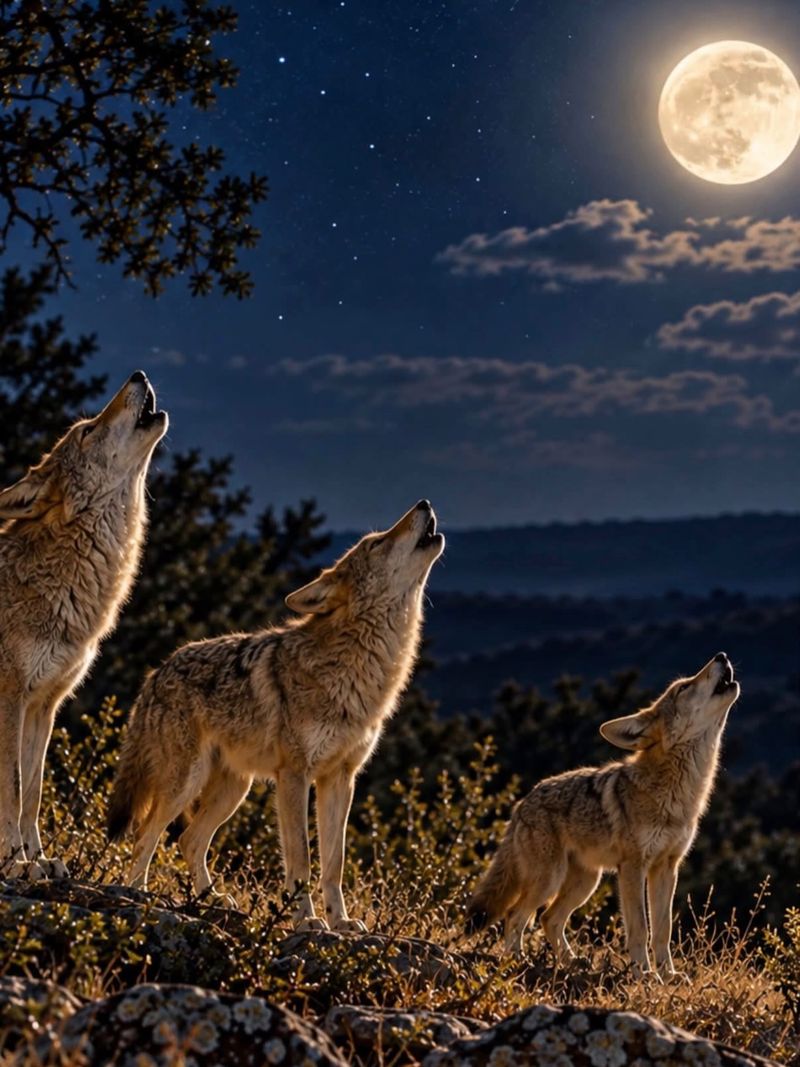
Picture a quiet November night, and then a long, wavering howl rolls in from somewhere beyond the back fence. Howling is a normal way for coyotes to stay in touch.
USDA wildlife specialists describe it as a way to share location, find other coyotes, or indicate an occupied home range.
Notice the careful wording there: howling can help coyotes locate one another or signal an occupied area. That is different from saying every howl carries one fixed meaning.
People like to decode these calls as threats, greetings, or boundary lines, but a listener on a porch cannot read the exact message from the sound alone.
Timing is another thing people wonder about. According to the Missouri Department of Conservation, coyote calls are heard most often between sunset and sunrise, though they can happen in the daytime too.
So a howl at midnight, or even a yip at noon, is well within ordinary coyote behavior.
Think of it as the coyote version of calling out across a big valley. The caller is checking in with others, and you just happen to be within earshot.
A howl is a piece of coyote conversation, not a message addressed to your family, your dog, or your house.
Why late November matters
Many people assume fall howling must mean mating season or new pups. The calendar says otherwise.
MDC places Missouri coyote breeding from mid-February into early March, with most births from mid-April through early May.
Late November sits well outside both windows. By fall, the pups born that spring are already on their own.
So a howl you hear this month is not evidence of mating, and it does not mean newborn pups are tucked away in a den nearby.
Fall does have its own rhythm, though. A broad U.S.
Forest Service synthesis reports that young coyotes disperse, meaning they leave the area where they were born, sometime between October and February. That is a wide, general timeframe and not specific to Missouri.
It would be a stretch to say the howl outside your window comes from a dispersing youngster. Dispersal timing varies, and sound alone cannot tell you the age or story of the caller.
The takeaway is simple: use the real Missouri calendar, and save the mating and pup talk for later in winter and spring.
Can a chorus tell you how many coyotes are nearby?
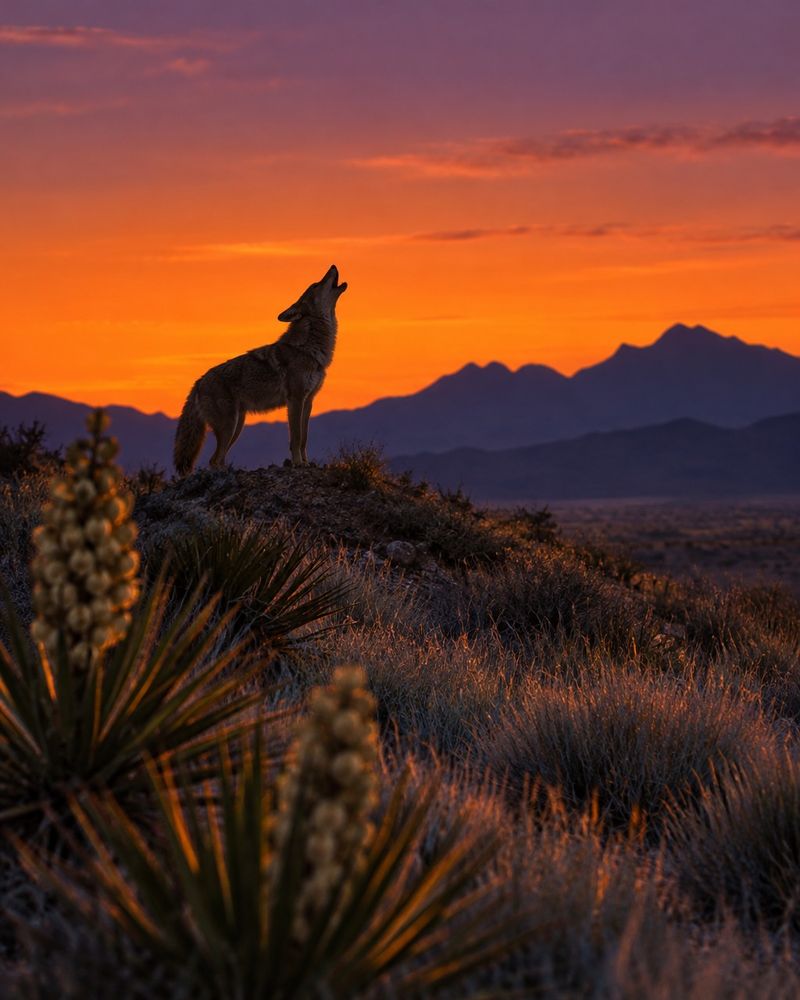
A burst of yips and howls can sound like a whole crowd has gathered at the edge of your yard. Your ears can fool you here.
In Missouri, coyotes may live alone, in pairs, or in family groups, and a few animals can make a surprising amount of noise.
Researchers tested this in a controlled listening study. On average, participants overestimated the number of howling coyotes by nearly twofold.
That does not mean every listener will guess wrong, but it shows why a chorus is a poor headcount.
Distance adds another puzzle. MDC notes that coyote calls can carry 2 to 3 miles.
A howl that seems right outside could be coming from far across the countryside.
So loudness, several voices, or a feeling of closeness do not show a large group in your yard. They do not show a coyote is in the yard at all.
If you want to know who is nearby, look with your eyes, not your ears.
How to make your yard less inviting

Whatever is making the noise, a few habits keep your yard boring to wildlife. Start with food.
MDC suggests bringing pet food indoors, securing garbage, and not leaving other food sources where animals can reach them, as described in its Wily Coyotes article.
Walk your yard once with a coyote’s nose in mind. Fallen fruit, spilled birdseed, open compost, and a bowl left on the porch can all be a free meal.
Latching lids and tidying up before dark takes only a few minutes.
Next comes supervision. Keep pets watched outdoors, especially around dusk, night, and dawn.
A leash, a fenced area you check first, or simply standing outside with your dog goes a long way.
Small pets deserve a little extra care. Wildlife officials, including Florida’s wildlife agency, advise taking a coyote’s closeness to small pets seriously.
Treat that as a sensible precaution, not a prediction. A howl does not mean an attack is coming, and attacks on people are described as rare, though rare is not the same as never.
What to do if a coyote is nearby
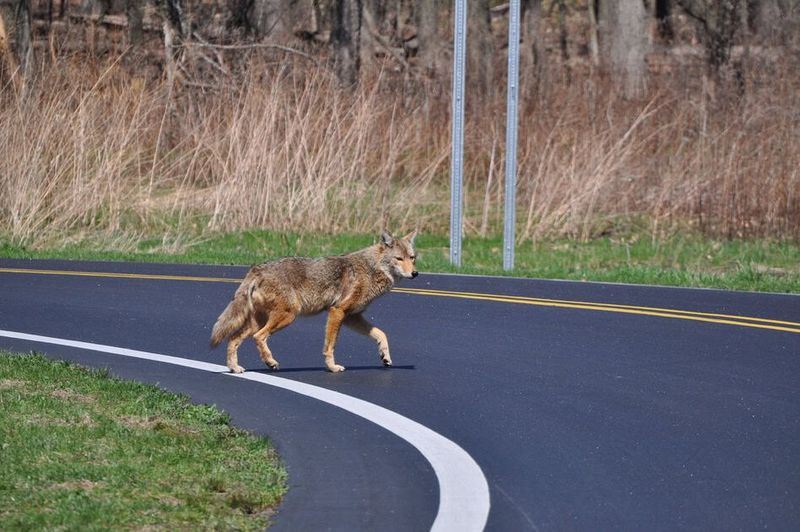
Hearing a coyote and seeing one are two very different things. A howl in the distance needs no response at all.
A coyote hanging around your yard in plain view is a situation where a few steps make sense.
First, do not approach it, and never feed it. Feeding teaches a wild animal to link people with food, which is how small problems begin.
If a coyote is nearby and not leaving, MDC recommends making its presence unwelcome. According to MDC’s guidance, loud noises or a hose can do the job.
Clapping, shouting, or banging pots from a safe distance lets it know your yard is not a comfortable stop.
Bring pets and children inside while you do this, and keep yourself on your own property. Then look for what drew the animal in, such as food left outside.
If a coyote keeps coming back or the problem repeats, contact MDC wildlife-conflict staff. They can help with recurring trouble.
Otherwise, a howl on a November night is just background noise from a neighbor you rarely meet.
Keep the sound in perspective
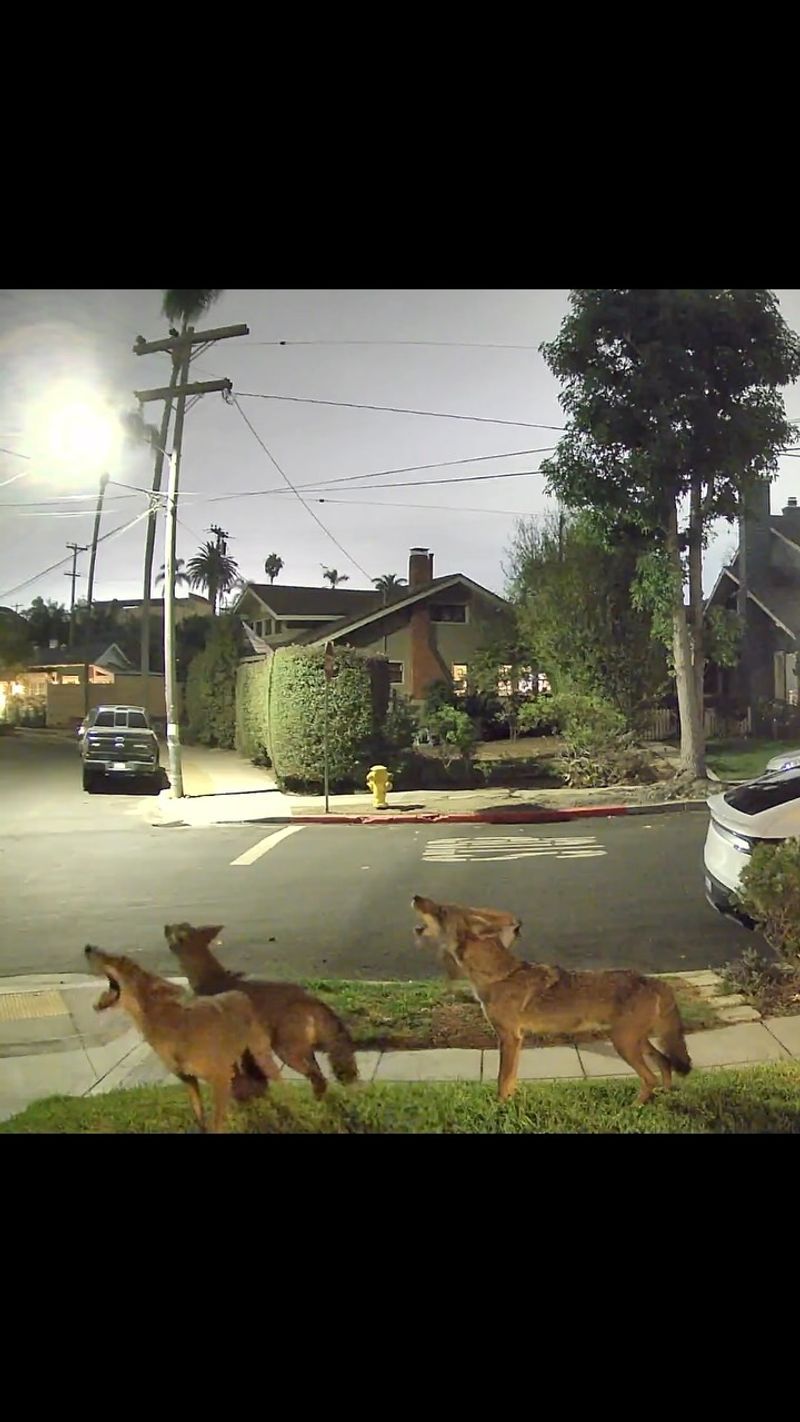
A late-November howl is ordinary coyote communication. It cannot tell you where the animal is, how many are out there, or what they intend, as MDC’s coyote profile makes clear with its 2 to 3 mile range.
Secure food, watch your pets, and judge any real encounter by how the animal behaves.
Next time the night fills with song, you can just listen. The howl is the least interesting thing about your yard’s safety.
Share this story