You reach for a tomato, and something long, hairy, or slithery moves under the leaves. Your heart jumps, and you back away fast.
In Maryland gardens, plenty of creatures look scary but cannot hurt you with venom at all. Knowing which ones are harmless can save you a lot of worry and even help your garden grow better.
1. Eastern Rat Snake
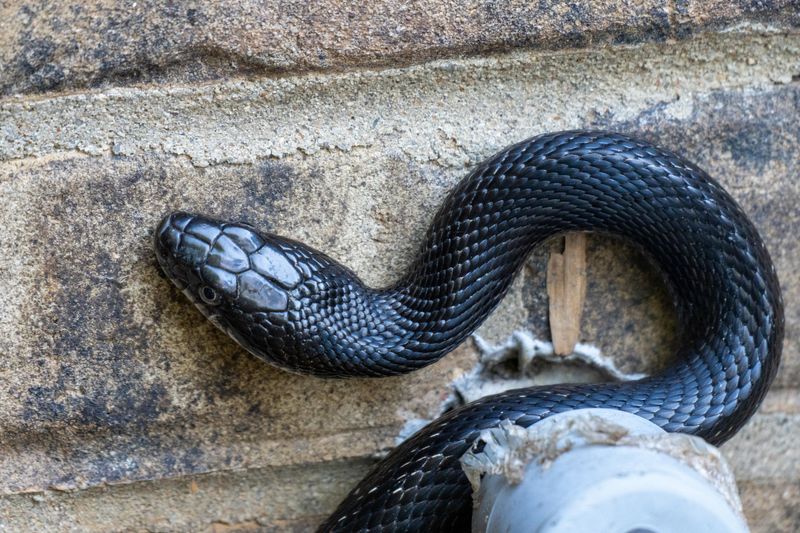
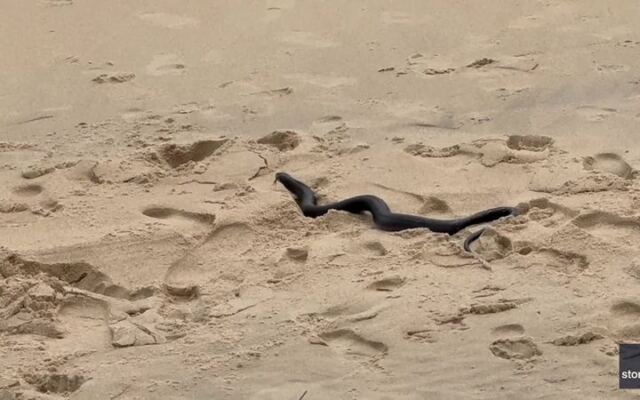
Picture a shiny black snake, five feet long, draped over your fence like a garden hose. That moment sends a lot of Maryland gardeners running for the phone.
The eastern rat snake is the state’s biggest snake, and it has zero venom.
Rat snakes squeeze their food instead of biting it with fangs. Their menu includes mice, rats, voles, and sometimes eggs, which makes them free pest control for anyone with a shed or compost pile.
They are also great climbers and may show up in trees or even gutters.
If one feels cornered, it might shake its tail in dry leaves to sound like a rattlesnake. Clever trick, but it is all bluff.
Give it a little space and it will slide off to hunt somewhere quieter.
2. Eastern Garter Snake
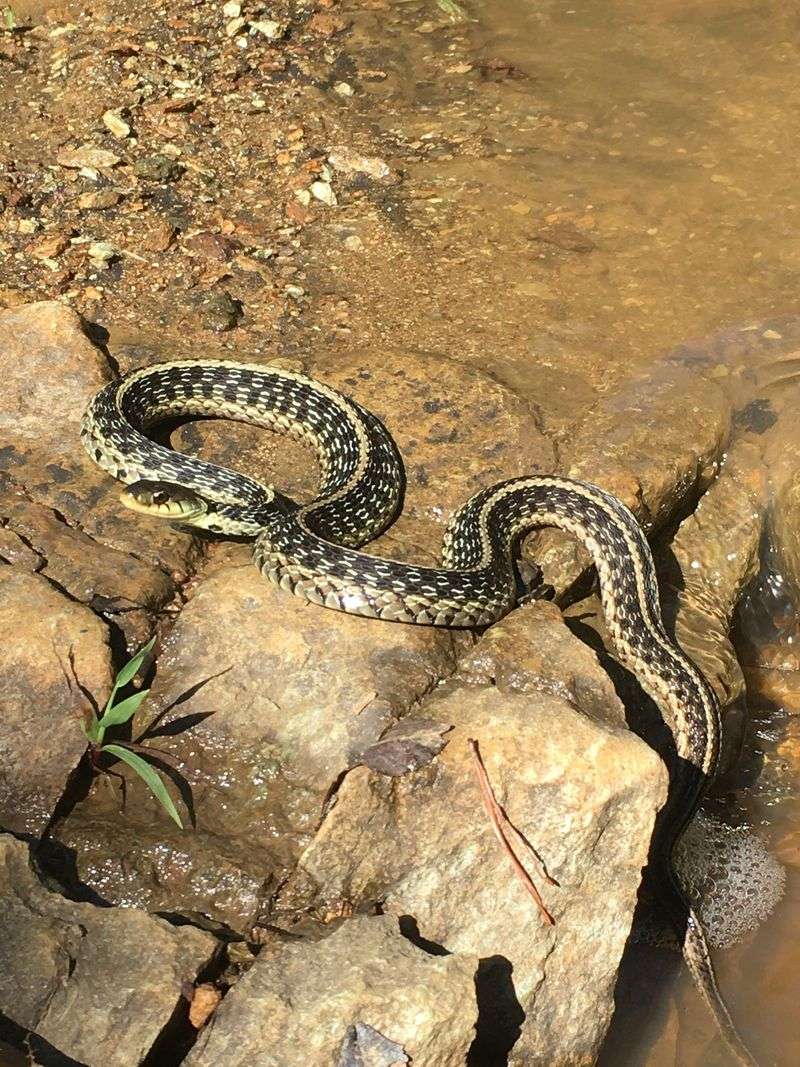
Small, striped, and quick as a blink, the garter snake is probably the snake Marylanders meet most often. It loves damp spots like mulch beds, rock walls, and the shady side of a pond.
Here is the funny part. When picked up, a garter snake may release a stinky musk that smells awful but does no harm.
It is basically the reptile version of saying, “Put me down, please.”
Gardeners should be glad to see one. Garter snakes gobble slugs, earthworm pests, and small insects that chew on young plants.
3. Eastern Hognose Snake
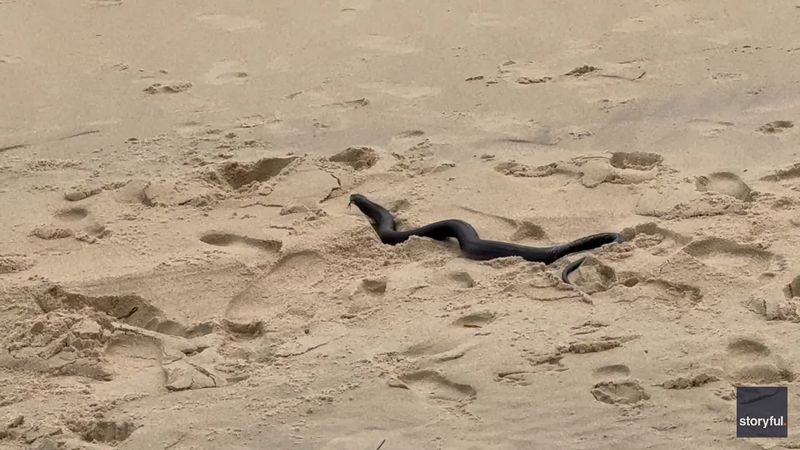
Few animals put on a show like this one. A startled hognose flattens its neck like a cobra and hisses loudly, which has convinced many people they found something deadly.
If the scary act fails, it flips onto its back, opens its mouth, and plays dead. It may even roll back over if you set it right side up, because in its mind, dead snakes stay belly-up.
Hognose snakes mostly eat toads and rarely bite people. They prefer sandy soil, so gardeners on the Eastern Shore may spot them more often.
Consider yourself lucky if you get the full drama.
4. Fishing Spider
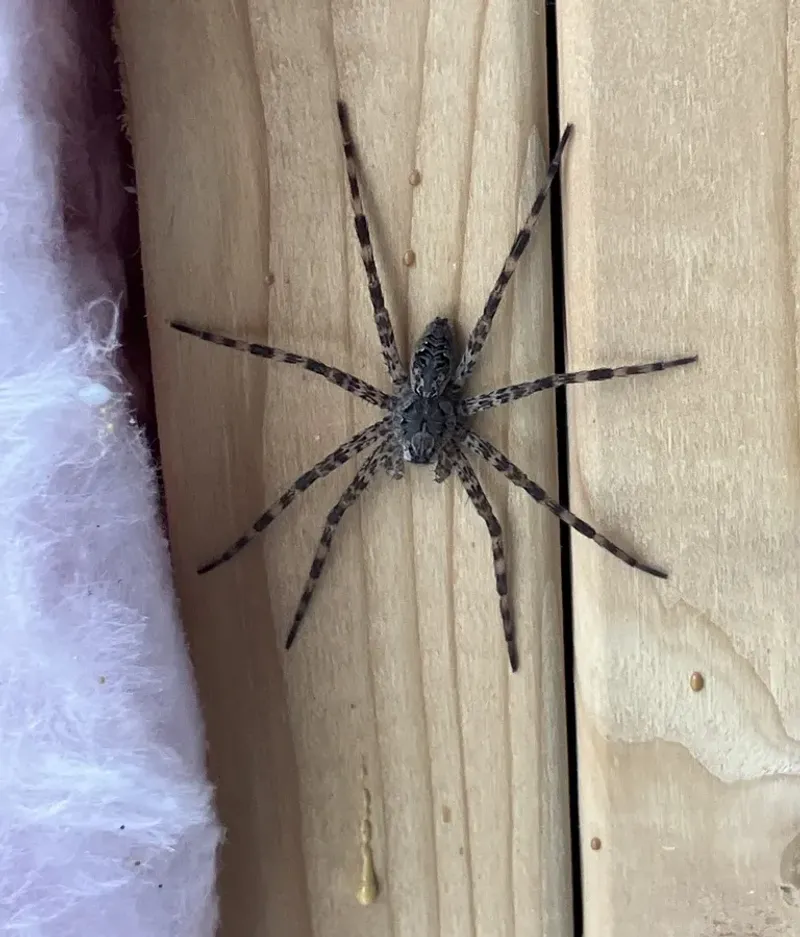
Did you know some spiders can walk on water and even dive under it? Fishing spiders do both, and their size, sometimes as big as your palm with legs spread, makes people gasp.
Around Maryland, they often sit on docks, porch walls, or garden ponds. Their bite is about like a bee sting and only happens if someone grabs them.
They are not considered dangerous to people.
These hunters catch insects, tadpoles, and occasionally tiny fish. A big spider by the pond simply means the pond is healthy enough to feed it.
5. Yellow Garden Spider
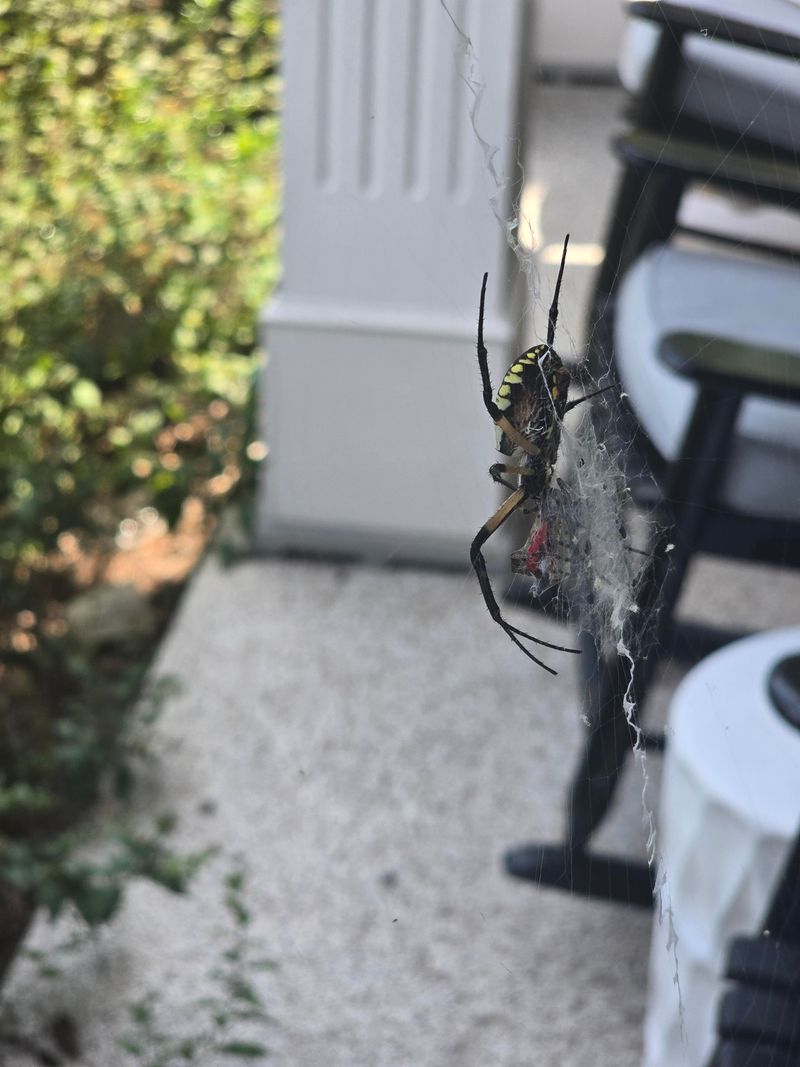
Late summer brings a striking guest to Maryland flower beds. Bright yellow and black, with a zigzag stitch running down its web, the garden spider looks like a warning sign come to life.
Truthfully, it is one of the calmest neighbors you can have. It sits in the middle of its web all day, catching grasshoppers, flies, and beetles that would munch your plants.
Many families even name theirs, like “Charlotte,” and check on it every morning. When fall arrives, it leaves behind a brown egg sac that will hatch next spring.
6. Tomato Hornworm
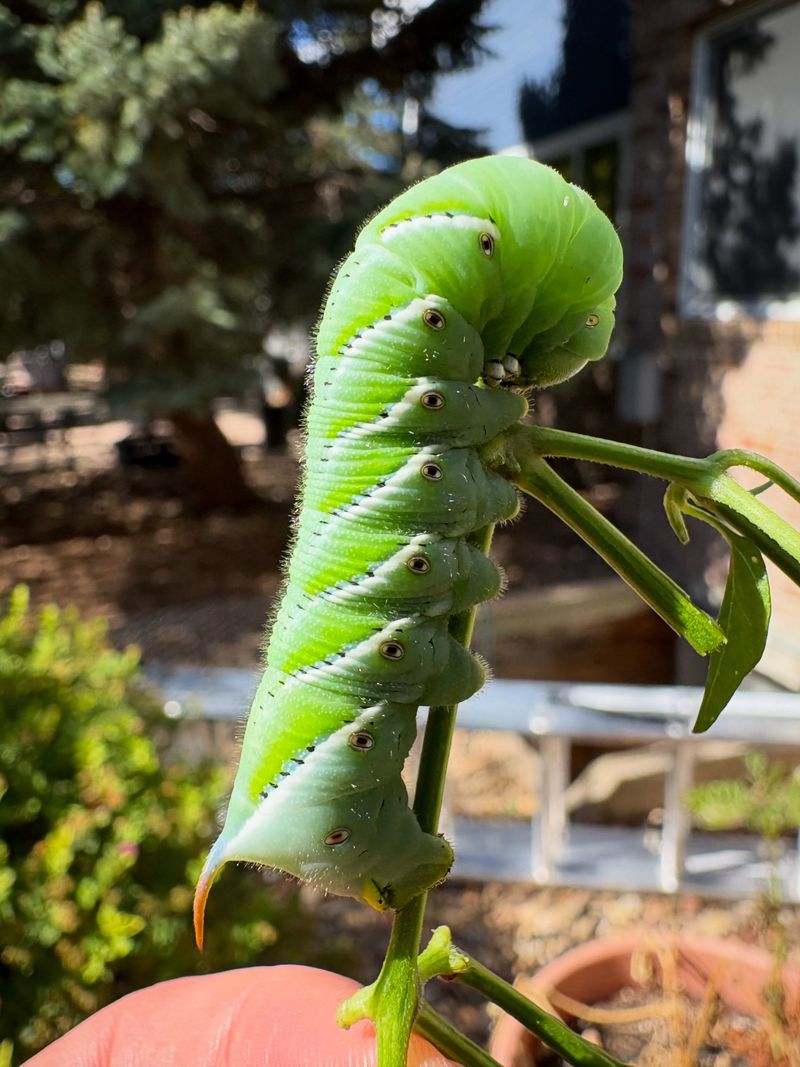
One morning your tomato plant has leaves. By evening, half of them are gone, and a fat green caterpillar with a horn on its rear end is staring at you.
That horn looks like a stinger, yet it cannot sting or poke you. The hornworm is just a hungry baby moth that will someday become a large sphinx moth, sometimes mistaken for a hummingbird.
Gardeners can simply pick them off by hand. Leave any covered in tiny white cocoons, because tiny wasps living inside will take care of the problem for you.
7. Five-Lined Skink
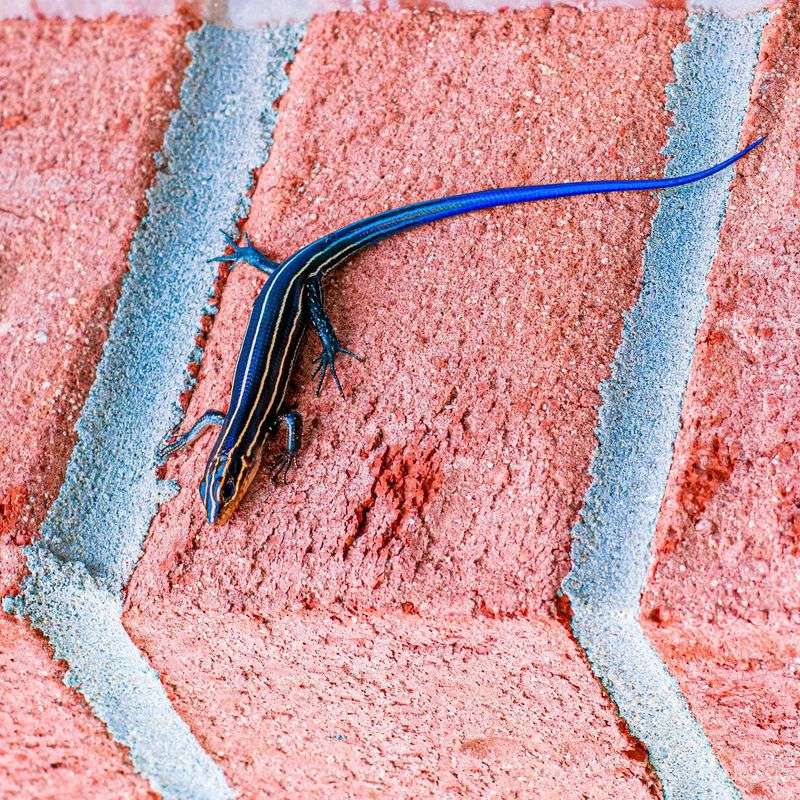
Kids often shout “A blue-tailed lizard!” when they spot a young five-lined skink sunning on a rock. That glowing blue tail rumor says it is poisonous, but that story is just a myth.
The blue color fades as skinks grow up. If a predator grabs the tail, it can snap off and wiggle while the skink escapes, then slowly grow back.
Skinks eat crickets, spiders, and beetle grubs. A woodpile or stone wall makes a perfect home for them, and they will happily patrol your beds for free.
A garden full of these misunderstood critters is a sign of balance, so next time something wiggles, take a breath before you panic.
Share this story