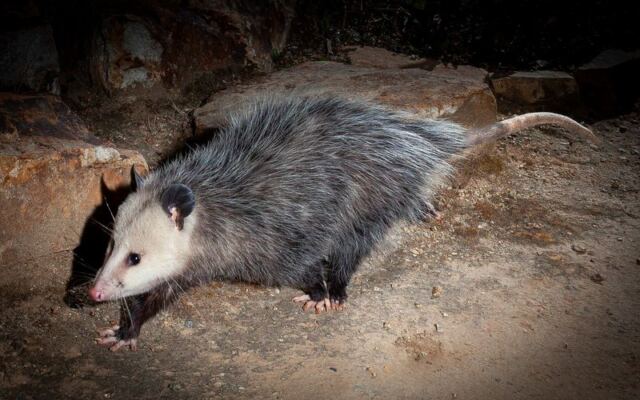
If you have spotted an opossum near your porch on a cold night, you are not alone, and there is usually a simple reason. These animals look for easy food and a safe place to rest, and a home can offer both.
Knowing what a sighting means helps you decide whether to do nothing, tidy up the yard, or call for help. Here is how to read the signs and respond safely.
What a winter visit can mean
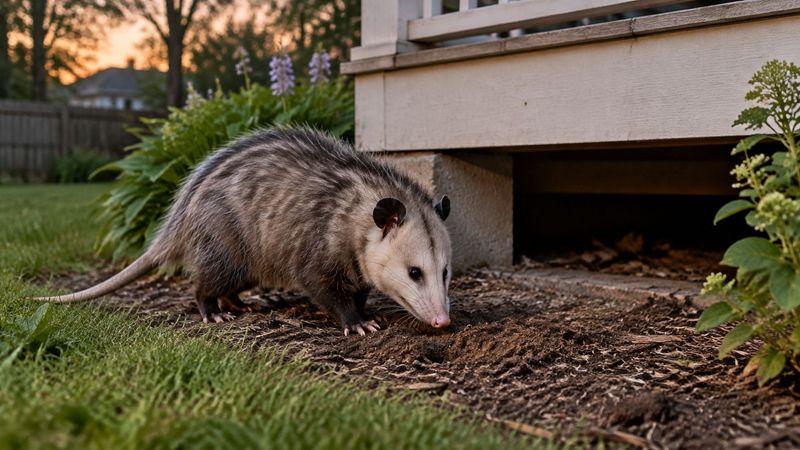
Seeing an opossum near your house in winter can feel surprising, but these animals are already part of Maryland neighborhoods. Maryland DNR describes opossums as common statewide, mostly active at night, and found in urban and suburban areas.
That means a sighting in your yard fits what they normally do.
An opossum near your home may simply be foraging. It may also be using nearby shelter, such as a spot under a porch or in a brush pile.
Either way, the animal is doing ordinary opossum things rather than doing something unusual.
Winter weather matters, too. Opossums do not hibernate, but the Pennsylvania Game Commission says they may den during cold or snowy periods.
That is regional context from Pennsylvania, not a Maryland study of winter activity. Still, it helps explain why an opossum may stay tucked away for a few days and then show up again when the weather eases.
Being present all year is not the same as being equally active every day. A mild evening may bring more movement, while a hard freeze may keep an animal in its den for a time.
One more point is worth keeping straight. The sources reviewed do not show a winter population increase in Maryland.
You may notice opossums more in winter because bare yards, early darkness, and snow tracks make them easier to spot. Treat your sighting as a clue about food and shelter on your property, not as a sign of a sudden surge.
Food and shelter can draw opossums close
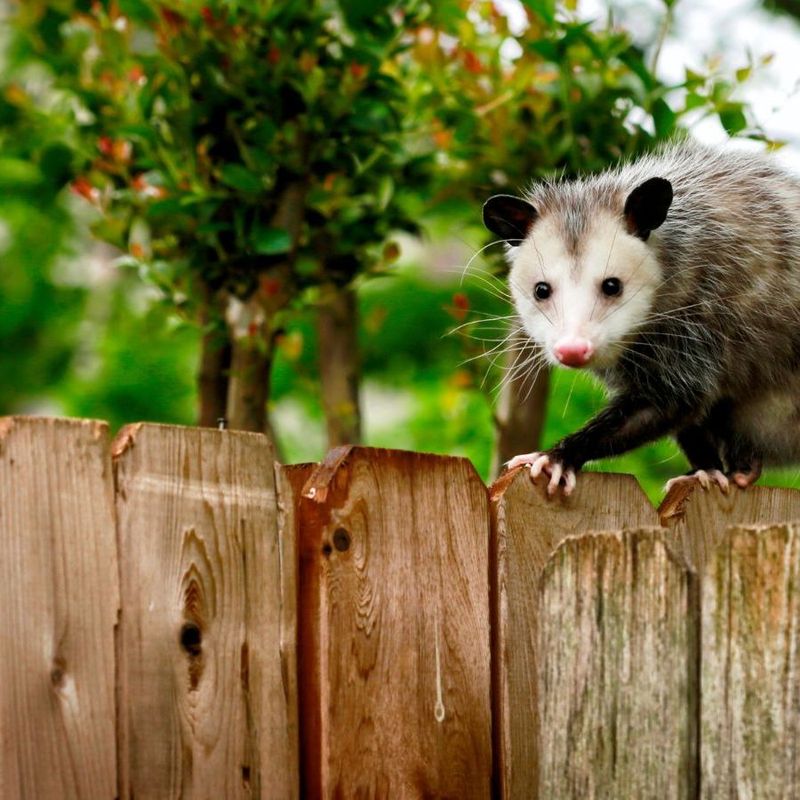
Opossums eat a wide range of foods, and a yard can look like a buffet. Maryland DNR notes that they feed at compost piles, garbage cans, and bird feeders.
Fallen seed under a feeder or scraps in an open bin can be enough to bring one back night after night.
Shelter is the other half of the picture. According to the same state account, opossums rest in protected places, including under porches.
Brush piles, sheds, and gaps beneath decks can all offer a dry, quiet spot out of the wind.
Here is where people often jump too far. An opossum eating cat food on your patio is feeding, and that does not mean it has moved into your crawl space.
A single visit to a food source is a very different thing from an animal using a structure as a home.
University of California IPM guidance makes the same split. Its advice depends on what is actually happening: a passing visitor, an animal drawn by an attractant, or one living in a protected space.
Matching your response to the situation saves effort and avoids needless confrontation.
Picture two homeowners. One finds an overturned trash can and a few tracks in the morning.
The other hears scratching beneath the porch every night. The first needs a better lid, while the second needs to look closer, as the next section explains.
How to tell a visit from possible denning
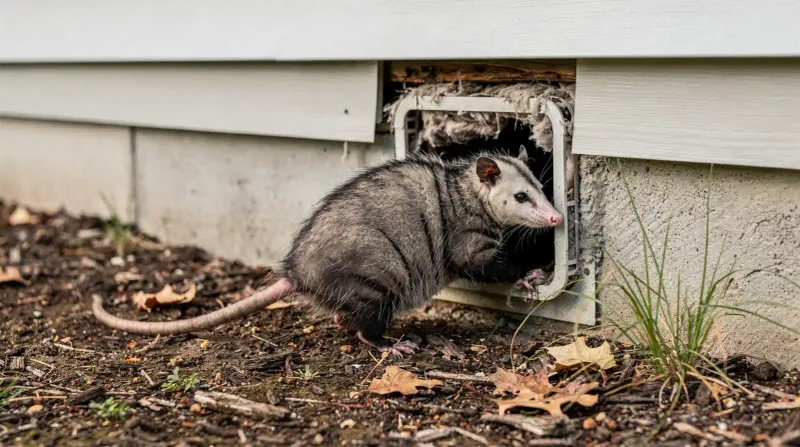
Start with a simple question: how often is the animal showing up? One sighting on a snowy night usually means it was passing through.
The same animal at the same spot on several nights points to an attractant nearby, and repeated activity near an opening calls for a closer look.
Daytime clues can help. Look for flattened vegetation or nesting material near a gap, tracks in snow or soft dirt, and droppings near an entry.
University of California IPM guidance suggests checking for signs of activity before deciding on any next step.
Sounds at night, such as scratching or shuffling under a floor or deck, can also suggest occupation. Try to observe from a distance and avoid poking into the space.
A frightened wild animal may hiss or bite.
Timing matters as well. Maryland DNR says opossums breed from January through July, so a winter or spring den could hold a mother with young.
If you think that may be the case, contact an expert rather than acting on your own.
To sum up the sorting: a one-time sighting calls for watching, a regular food stop calls for cleanup, and signs of living in a structure call for caution and likely professional advice.
Make food less accessible
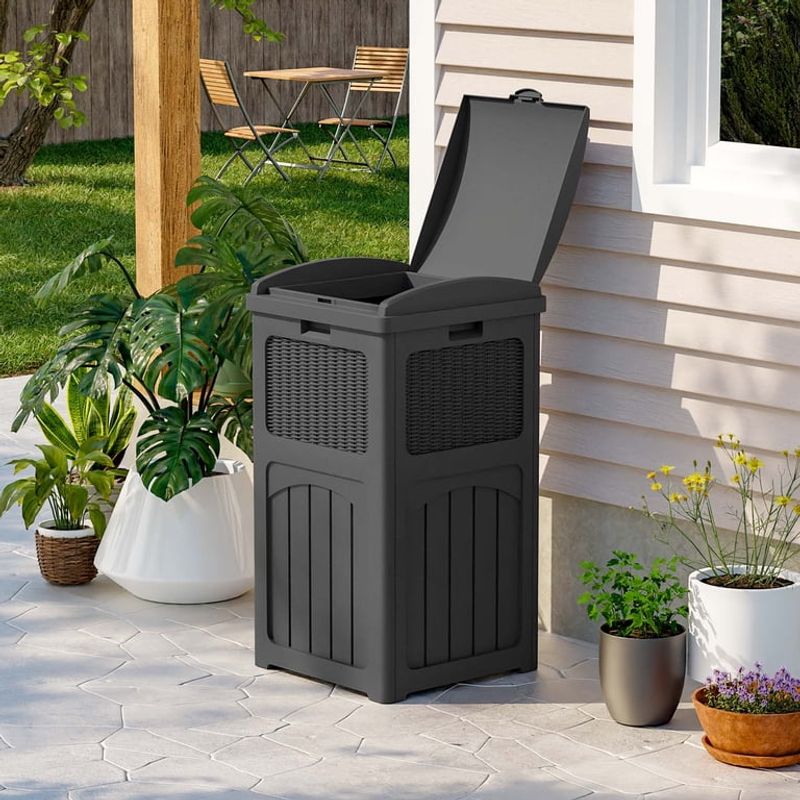
Take away the easy meals and a yard becomes less interesting. The steps are simple and cost little.
University of California IPM recommends securing garbage, bringing pet food inside at night, and managing compost and fallen fruit or other food.
Try this evening routine. Put trash cans in a garage or use tight lids, add a strap or bungee if wind or animals tip them, and carry pet bowls indoors before dark.
If you feed birds, sweep up spilled seed beneath the feeder.
Compost deserves a second look. Use an enclosed bin, bury kitchen scraps well, and skip meat and dairy.
Pick up windfall fruit and check for pet treats left on a deck.
Feeding wildlife on purpose is a bad idea. Maryland DNR warns that it can encourage nuisance behavior, and that includes leaving out food for a cute visitor.
Keep expectations realistic. These steps address the conditions that may encourage visits, but they will not guarantee that every opossum leaves the area.
Opossums may still pass through, and a sheltered spot can still attract one. Cleaning up food is the first and easiest layer of a bigger plan.
Check for occupants before closing an opening
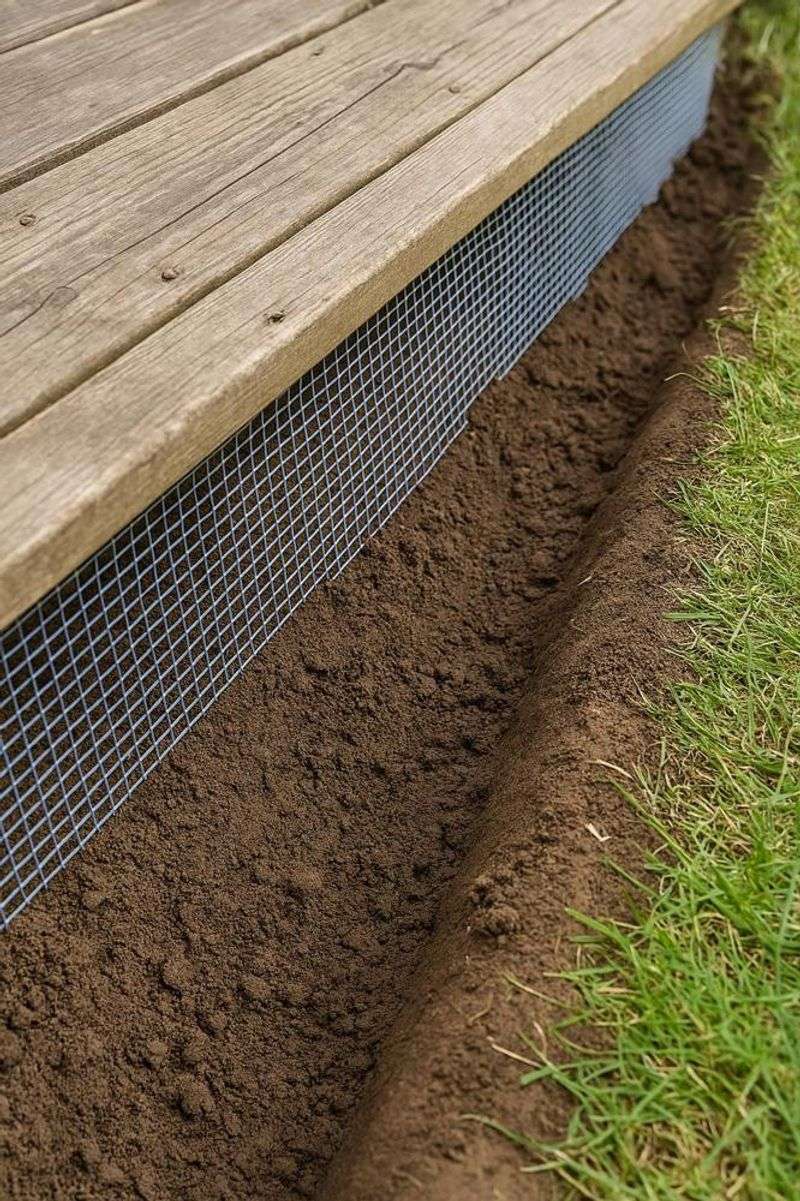
Closing a gap feels like the obvious fix, but timing is everything. Before you block any opening under a porch, deck, or building, make sure nothing is inside.
Sealing an animal in can cause it to suffer, and it may damage your property while trying to escape.
University of California IPM guidance describes checking for activity first and then using hardware cloth to block access once the space is empty. Sturdy mesh holds up far better than flimsy materials, and it should be fastened firmly so an animal cannot push it aside.
How do you confirm a space is empty? Watch the opening over several evenings and look for fresh tracks, new droppings, or disturbed material.
If signs keep appearing, assume someone is still using it.
Young animals add a serious complication. Because Maryland DNR notes a January through July breeding period, an occupied space could include a mother and dependent young.
Young cannot leave on their own, so a closed opening could trap them.
If you suspect a mother or young may be inside, or if activity continues, ask for expert advice before sealing anything. Waiting a short time and getting guidance costs far less than fixing a mistake.
When to contact a professional or seek care
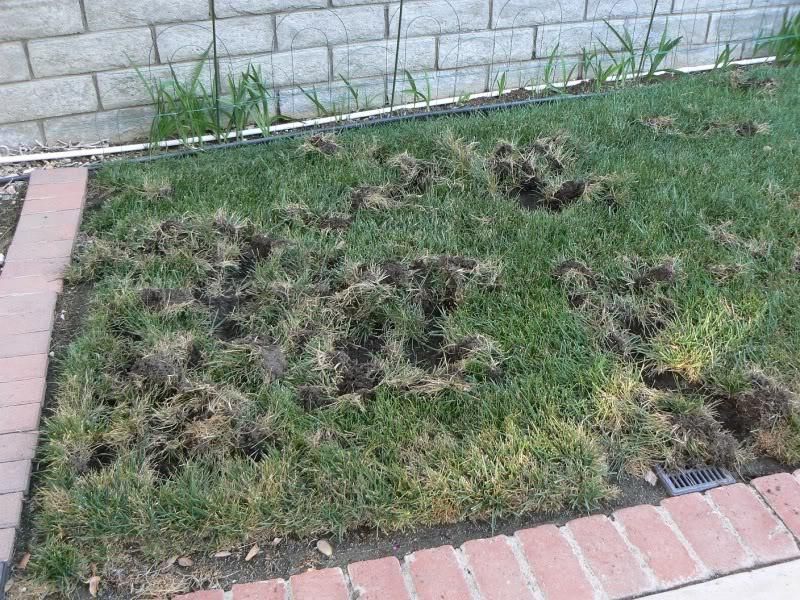
Some situations are beyond a DIY fix. If an opossum is a nuisance or you have a question about lawful removal, use the resources Maryland DNR recommends.
DNR’s wildlife problems page lists USDA Wildlife Services at 1-877-463-6497 within Maryland, or you can hire a licensed wildlife damage-control operator.
Please do not handle, corner, poison, or casually trap and relocate an animal. Rules apply to trapping and shooting, and a well-meant shortcut can be unsafe or unlawful.
A qualified operator knows the rules and can deal with dependent young.
Keep people and pets away from wild animals. Bring dogs and cats in at night if an opossum is visiting, and teach children to watch from a distance.
Maryland DNR describes opossums as highly resistant to rabies, but resistant does not mean immune.
If someone is bitten, or saliva reaches broken skin or the eyes, nose, or mouth, act right away. The Maryland Department of Health advises washing the wound promptly, seeking medical attention, and reporting the exposure.
The same steps apply to a pet that may have fought with a wild animal, so call your veterinarian.
Most opossums simply wander through and move on. Give them space, and they will usually do the same for you.
Share this story