A venomous mammal that weighs less than an ounce lives in the eastern United States, and its reported range includes Delaware. It is the northern short-tailed shrew, a tiny hunter whose saliva carries a toxin that helps it subdue prey.
Because it forages near the soil surface, a leafy garden bed is the kind of place it could hunt. Here is what is known about this small animal, what is not, and how to stay calm and safe around it.
The shrew occurs in Delaware
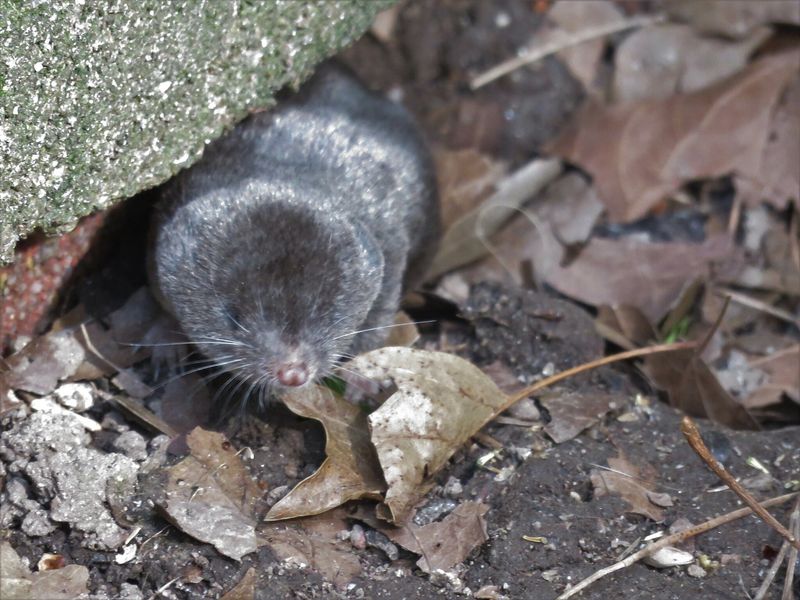
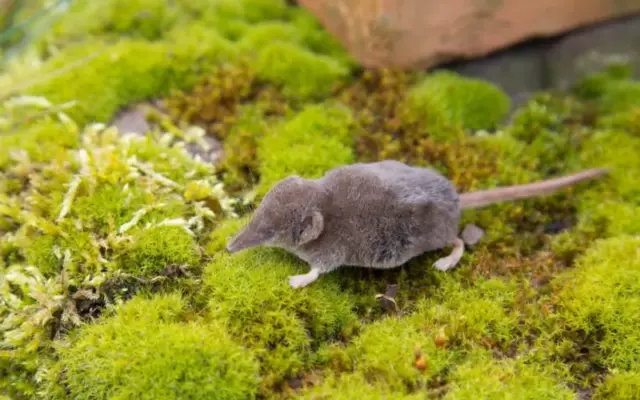
The animal behind this story is the northern short-tailed shrew, known to scientists as Blarina brevicauda. It is not every shrew, and it is not a mole or a mouse.
It is one particular species with a stubby tail, velvety gray fur, and a pointed nose that never seems to stop twitching.
According to the American Society of Mammalogists, the species’ reported range includes Delaware, along with many other states in the eastern and north-central parts of the country. So a shrew of this kind belongs on the list of animals that can turn up in the First State.
A range record is a broad statement, though. It tells you the species occurs somewhere across a large area, not that one lives in your yard.
Think of it like knowing that foxes live in Delaware: that fact does not tell you whether one is crossing your lawn tonight.
You may also notice that the shrew does not appear on DNREC’s small-mammal list. That list covers species of conservation priority, so it is not a complete checklist of every mammal in the state.
A species left off a priority list has simply not been flagged as needing special protection, and that omission does not mean the animal is absent.
What we can say, then, is simple. The northern short-tailed shrew is reported in Delaware, and where it lives within the state is a question this range record cannot answer.
A hunter built for the ground
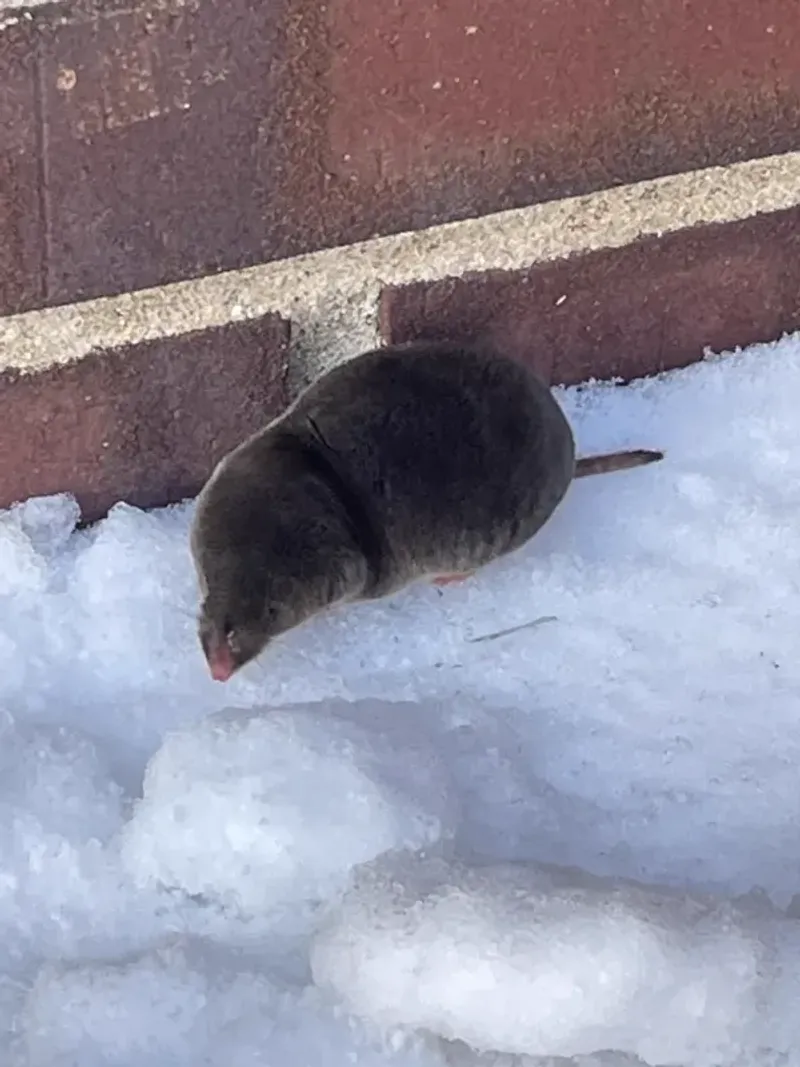
Few animals pack as much appetite into so little body. The Pennsylvania Game Commission reports that its short-tailed shrew account describes a weight of about 0.44 to 0.82 ounces, which is lighter than a single ounce.
That range comes from that account, so individual animals and other populations may differ.
Based on the Game Commission’s description, the shrew is active both day and night. It works the top few inches of soil and the leaf litter lying above it, searching for insects, worms, snails, and other small animals.
With such a fast lifestyle, it needs to eat often.
The shrew may dig its own tunnels, and it may also slip into those made by mice, voles, and other small mammals. That flexibility means it does not need to build everything from scratch.
Now consider a flower bed. Mulch, fallen leaves, and loose soil create a layer of cover where insects, worms, and snails gather.
It is reasonable to infer that such a spot could offer decent hunting ground for a shrew.
That is an inference from the animal’s habits, though. Nobody has documented shrews in Delaware flower beds in the sources behind this article, so treat the idea as a plausible possibility and not as a confirmed sighting.
Its toxin reaches prey through a bite
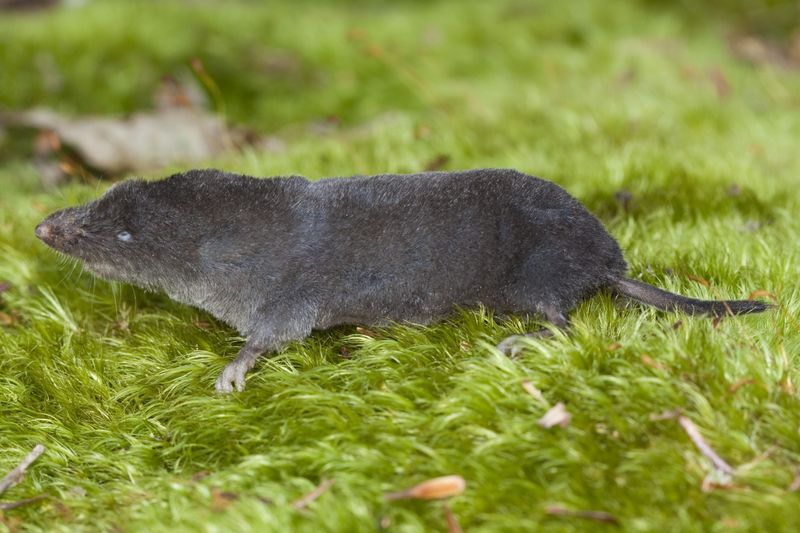
Calling this animal venomous is accurate, but the details matter. The northern short-tailed shrew makes a toxin in its saliva.
It does not have a snake-style injection system, so the toxin gets into prey through the small cuts its teeth make, as the Pennsylvania Game Commission explains.
Not every shrew species gets this label. The claim belongs to the short-tailed shrew in particular, so it would be wrong to call all shrews venomous.
Scientists have studied the toxin closely. In a peer-reviewed study, researchers isolated and characterized a toxin from the animal’s salivary glands.
That work focused on how the substance affects prey and lab animals.
What about people? The same research reports that human bite accounts have described local burning and swelling.
Those accounts describe a painful, localized reaction, and the study does not show that a bite is deadly to humans.
It helps to keep the two ideas apart. The toxin is a real tool for taking down insects, worms, and other small animals.
For people, a bite is an uncommon event with mostly local effects described, and the shrew is not an animal that goes looking for trouble.
A tunnel does not identify its occupant
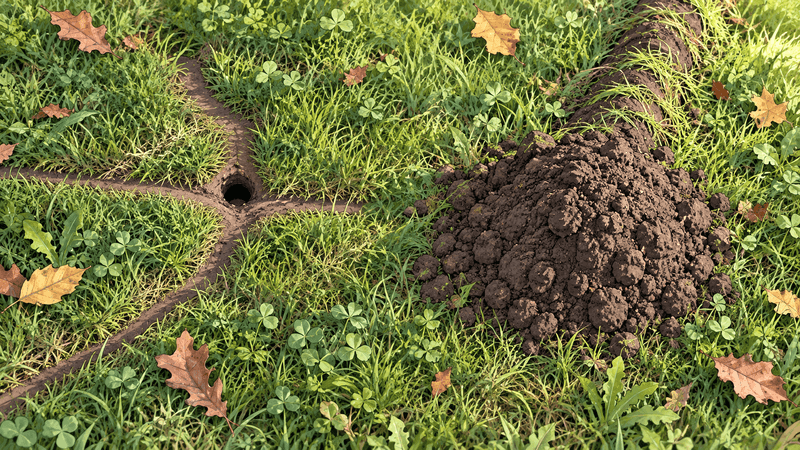
Spot a hole in the mulch or a ridge of raised soil, and the mind jumps to a culprit. Resist that jump.
Many small animals leave similar marks, and the marks alone rarely name the maker.
Penn State Extension, in its guide to moles, voles, and shrews, notes that people often confuse these three groups. It also points out that shrews may use runways or tunnels made by other small mammals.
A tunnel, then, may belong to someone else entirely.
That means a hole, a molehill, a chewed stem, or a patch of damaged lawn does not prove a shrew is around. The same disturbance could come from a mole, a vole, a mouse, or even insects and weather.
Plant damage is an especially poor clue, since the shrew’s diet leans toward insects, worms, and snails.
Picture a runway across a flower bed. A vole may have cleared it, and a shrew may be using it later.
Seeing the path tells you only that some small animal has traveled there.
There is no safe do-it-yourself test here. Digging into tunnels, setting out traps, or trying to catch whatever is inside would mean disturbing wildlife, and that is the very thing to avoid.
If you are curious, enjoy the mystery, or ask your local extension office for general guidance.
Leave wildlife alone and take bites seriously

The best plan for any small wild animal is the simplest one: give it space. Do not handle a shrew, try to catch it, trap it, or provoke it to see what it does.
Handling is how most wildlife bites happen, and a shrew has no reason to bother you if you leave it alone.
The same rule applies to animals that look sick or are already dead. Delaware DNREC advises against handling sick or dead wildlife, and it offers direction on reporting them.
Gloves and a shovel are not a substitute for that advice.
Gardening still deserves a bit of common sense. Wearing gloves when you move mulch, stones, or leaf piles protects your hands from many things, including splinters and thorns.
If a bite does happen, stay calm. Wash the wound promptly with soap and water.
CDC guidance on animal bites recommends this step and also advises having bites evaluated medically, so contact a healthcare professional for advice on what to do next.
That call is about getting good guidance, not about panic. Not every encounter calls for emergency care, and a shrew is not a likely threat.
Still, a quick conversation with a clinician is a sensible step after any wildlife bite.
Because tunnels and holes can be left by many animals, as Penn State Extension points out, you rarely know what made them. That is one more reason to keep your hands out of burrows.
What the garden clues can tell you
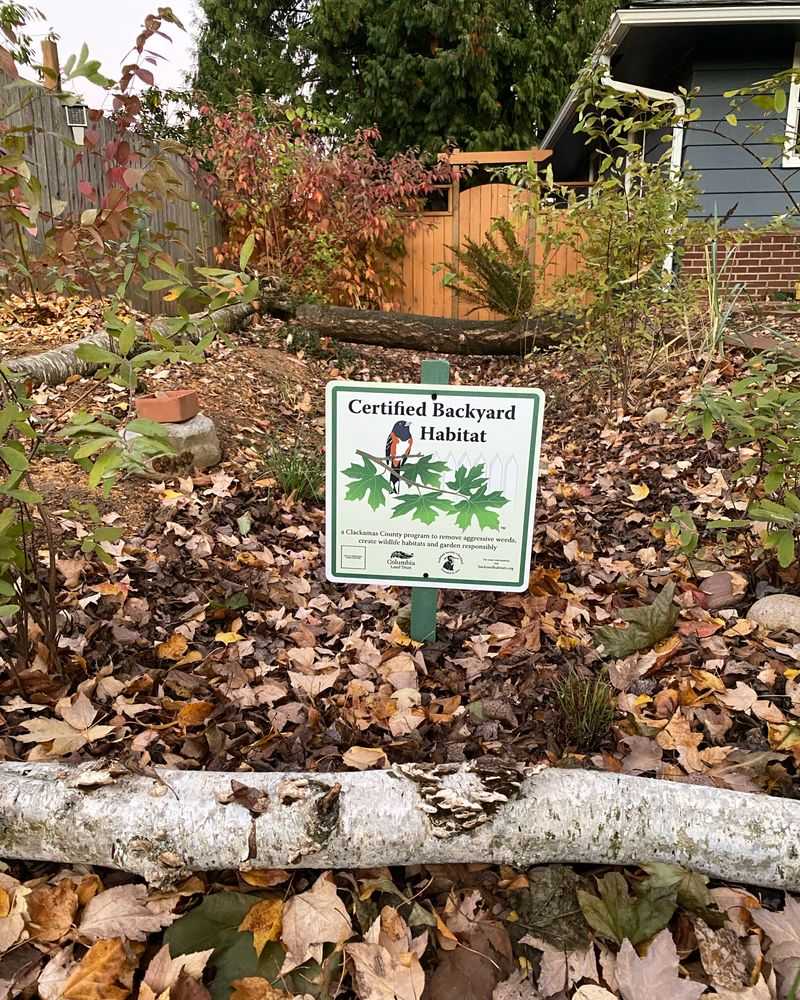
Put the pieces together and a clear, modest picture appears. The reported range of the northern short-tailed shrew includes Delaware, according to the American Society of Mammalogists.
Its habit of foraging in leaf litter and the upper soil, described by the Pennsylvania Game Commission, makes a covered bed a plausible habitat.
Plausible is the key word. None of the sources confirm an animal under any particular flowers.
So the bed outside your window holds a possibility, and a quiet one at that.
Share this story