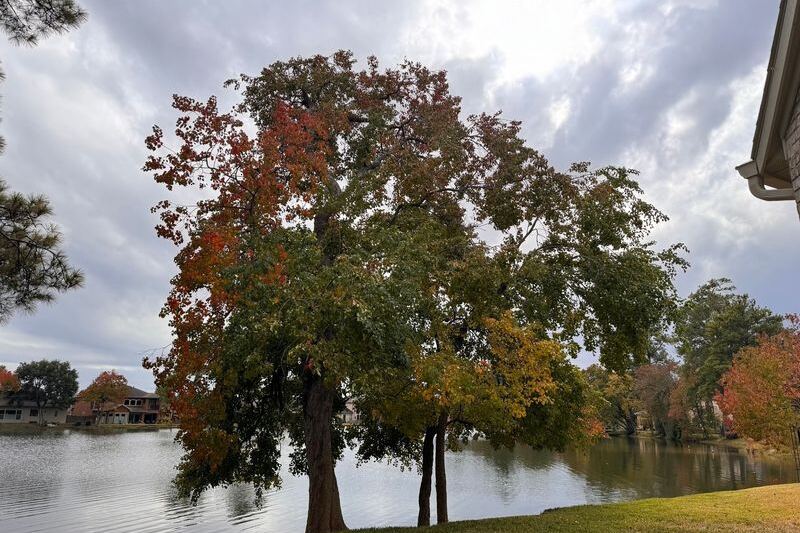
Every fall, Texas oak trees drop thousands of acorns, and a whole crowd of hungry animals shows up for the feast. Some of these visitors are fun to watch, while others can dig up your lawn or sneak into your attic.
Knowing who is eating your acorns helps you understand what is happening in your yard and how to respond. Here are seven acorn lovers you might spot, plus what each one means for your home.
1. Eastern Fox Squirrel
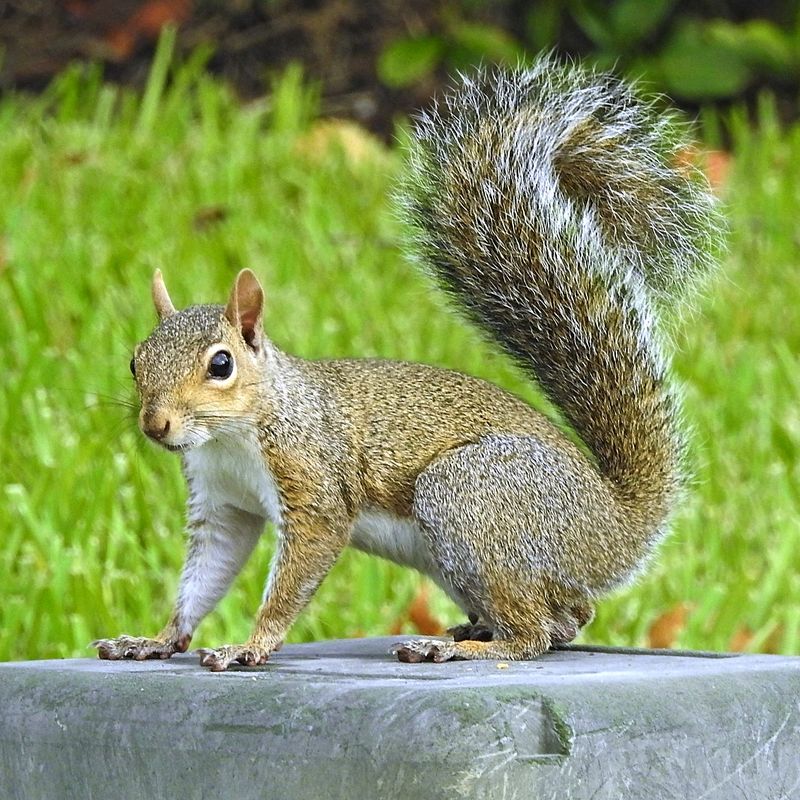
Ever watched a squirrel bury an acorn, pat the dirt, and then sprint off like it just robbed a bank? Fox squirrels are the most common acorn thieves in Texas backyards.
Their rusty bellies and bushy tails make them easy to recognize.
These squirrels stash acorns all over your lawn and forget many of them. That forgetfulness is why oak seedlings pop up in flower beds each spring.
You may also see small holes in your grass where they dug up a snack.
For your yard, fox squirrels are mostly harmless, though they can chew on wooden decks or sneak into attics. Pull up unwanted seedlings early, trim branches that touch your roof, and you can enjoy the show without the headaches.
2. White-Tailed Deer
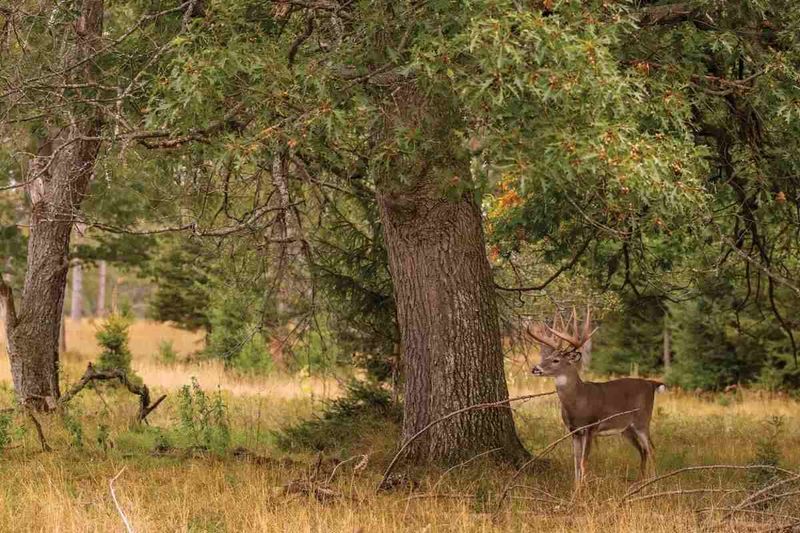
Hill Country homeowners know the scene well: a doe and two spotted fawns strolling across the driveway at sunset. Acorns are a fall superfood for white-tailed deer, packed with fat to help them survive winter.
A big acorn crop can pull deer right into neighborhoods.
The trouble starts after the acorns run out. Hungry deer often switch to your roses, hostas, and young trees.
Bucks also rub their antlers on saplings, which can strip bark and kill small trees.
Raking up extra acorns may reduce visits, and deer-resistant plants like lantana, salvia, and rosemary are smart picks. A tall fence works best if deer are truly wrecking your garden.
3. Blue Jay
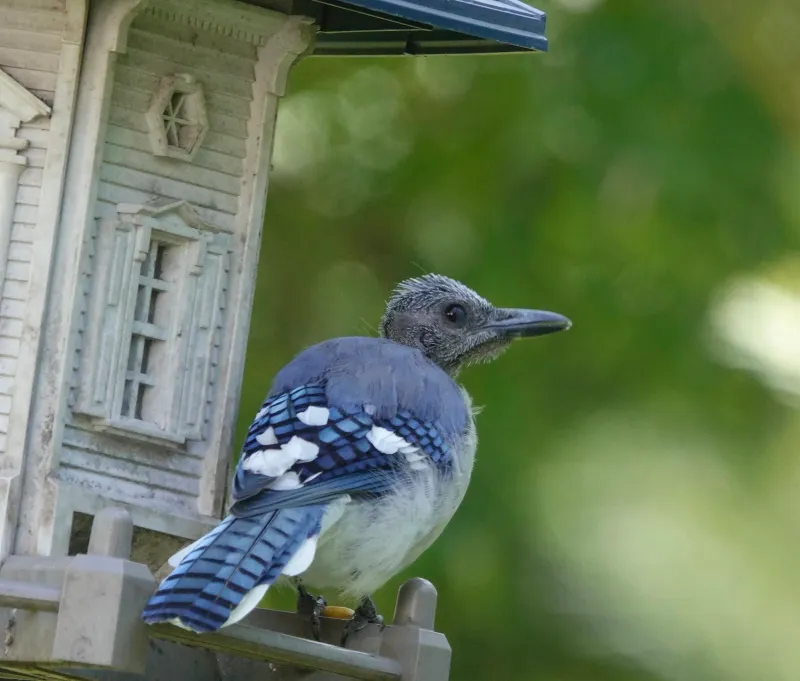
Loud, flashy, and a little bossy, blue jays act like the neighborhood announcers. They can carry up to five acorns at once, holding some in a stretchy throat pouch.
Then they fly off and bury them one by one.
Fun fact: scientists believe blue jays helped oak forests spread north after the last Ice Age. One jay can cache thousands of acorns in a single fall.
That makes them tiny tree planters with wings.
In your yard, blue jays are good news. They eat insects too, and their alarm calls warn other birds about hawks and cats.
Just expect a few surprise oak sprouts.
4. Raccoon
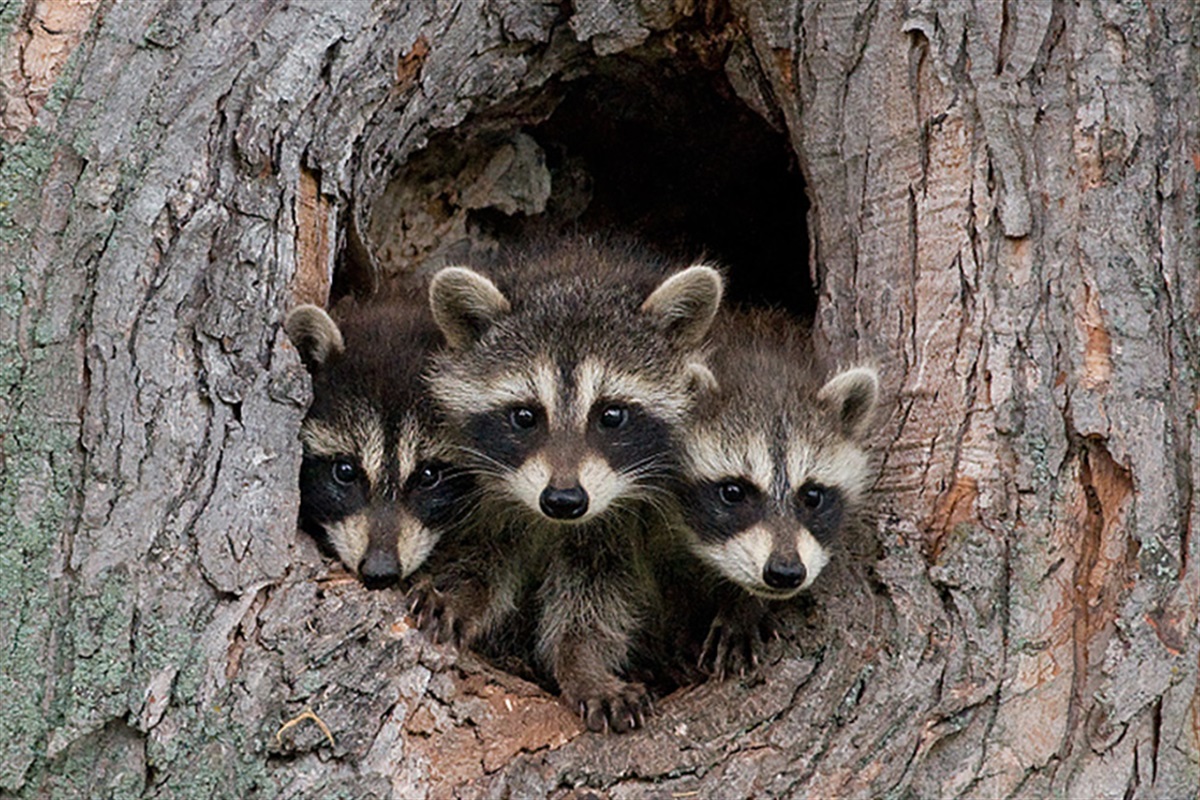
If your trash cans are tipped over and your lawn looks like someone flipped the sod, a masked bandit might be to blame. Raccoons eat almost anything, and acorns are a favorite fall snack.
They usually show up at night.
While hunting acorns, raccoons also dig for grubs. That leaves torn-up patches of grass that look like tiny rugs rolled back.
They may also check out pet food, bird feeders, and open garage doors.
Keep lids locked tight and bring pet bowls inside after dark. Because raccoons can carry rabies, never try to handle one.
Call a wildlife pro if one moves into your attic or chimney.
5. Feral Hog
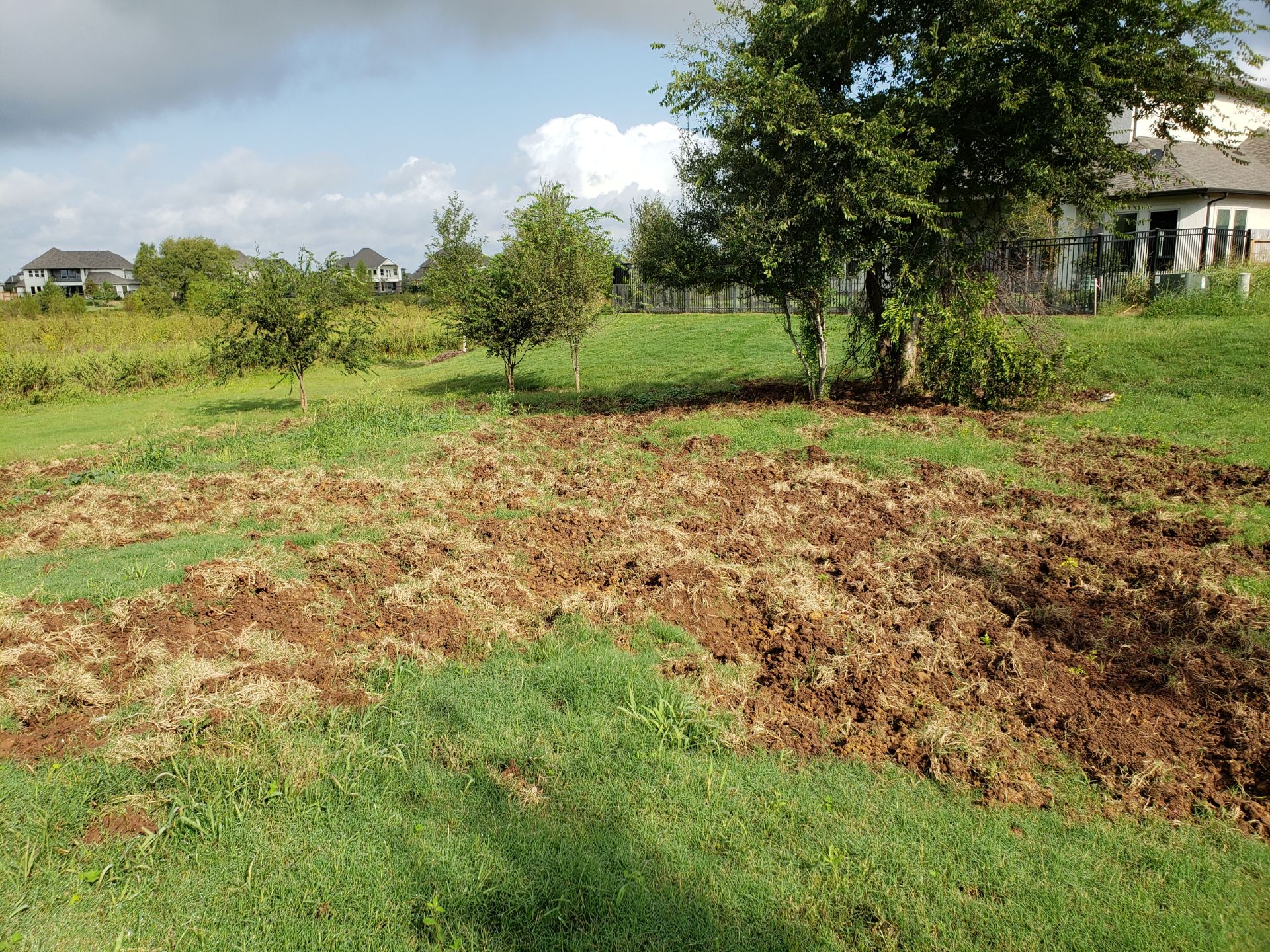
Picture waking up to find your yard looks freshly plowed. Feral hogs cause that kind of damage, and Texas has more of them than any other state, around 2.6 million by some counts.
When acorns fall, hogs come running.
Hogs root with their strong snouts, ripping up turf, gardens, and landscaping overnight. They also compete with deer and turkeys for food.
On rural and edge-of-town properties, they are a serious problem.
Sturdy fencing and quick acorn cleanup can help. Many landowners work with trappers or county extension agents for control.
Keep your distance, since hogs can be aggressive and fast.
6. Wild Turkey
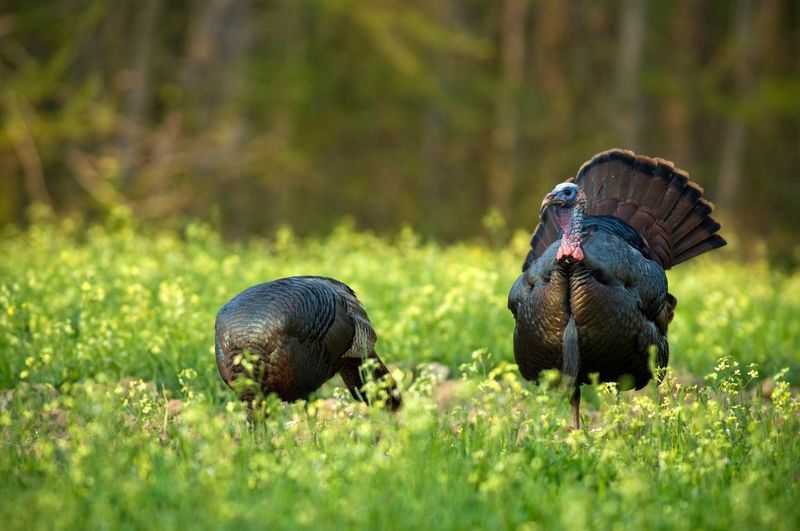
Few sights feel more Texan than a flock of Rio Grande turkeys strutting across a ranch yard. These big birds gobble down acorns whole and grind them up in their tough gizzards.
Fall acorn crops help them bulk up for cold months.
Turkeys usually visit homes near woods, creeks, or open country. They scratch through leaves and may leave shallow scrapes in mulch.
Otherwise, they do little harm and even eat ticks and grasshoppers.
Seeing turkeys means your area has healthy habitat. Enjoy them from a distance and avoid feeding them, since fed turkeys can get pushy with people.
7. Acorn Weevil
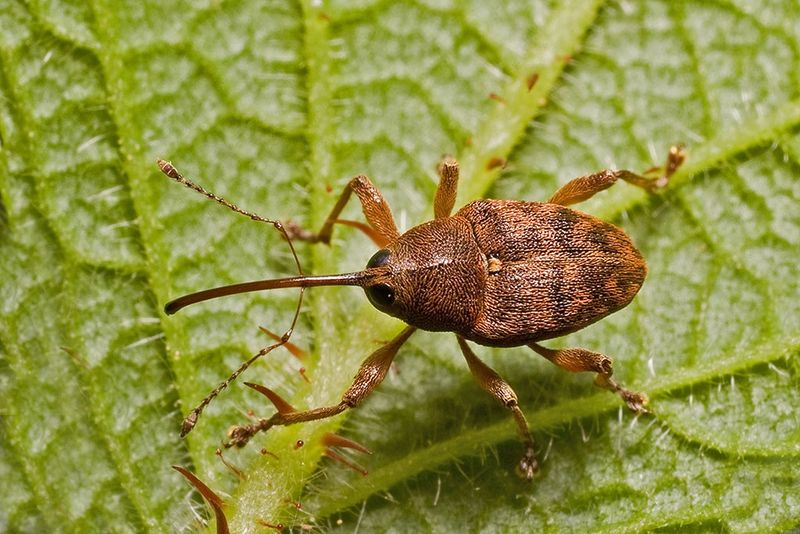
Not every acorn eater has fur or feathers. Notice tiny round holes in fallen acorns?
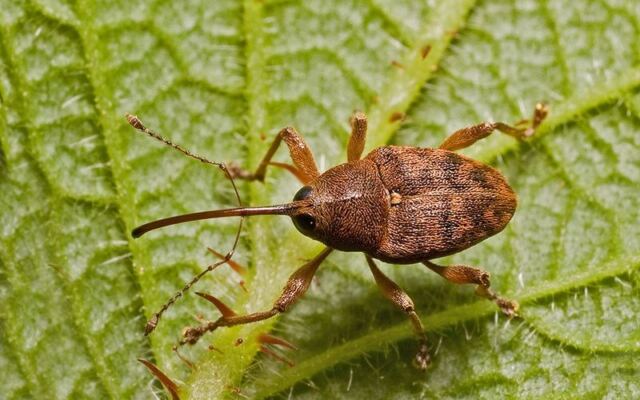
That is the exit door of an acorn weevil larva. The adult beetle has a snout longer than its body, which it uses to drill into young acorns.
Females lay eggs inside, and the grubs eat the nut from the inside out. When the acorn drops, the larva chews its way out and burrows into the soil.
Some stay underground for a year or more.
Weevils do not harm your oak tree, so no spraying is needed. They are simply part of the food web.
Birds and other critters happily eat the grubs, too.
Share this story