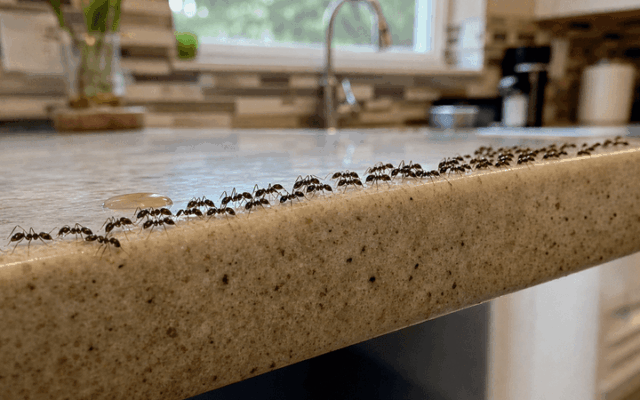
You wipe the counter, and an hour later a thin line of tiny dark ants is back. It is easy to blame the cold weather or a crumb you missed.
The real story is a little different, and knowing it can save you time and frustration. Here is what is known, what is only possible, and what you can safely do about it.
Tiny dark ants do not reveal their species
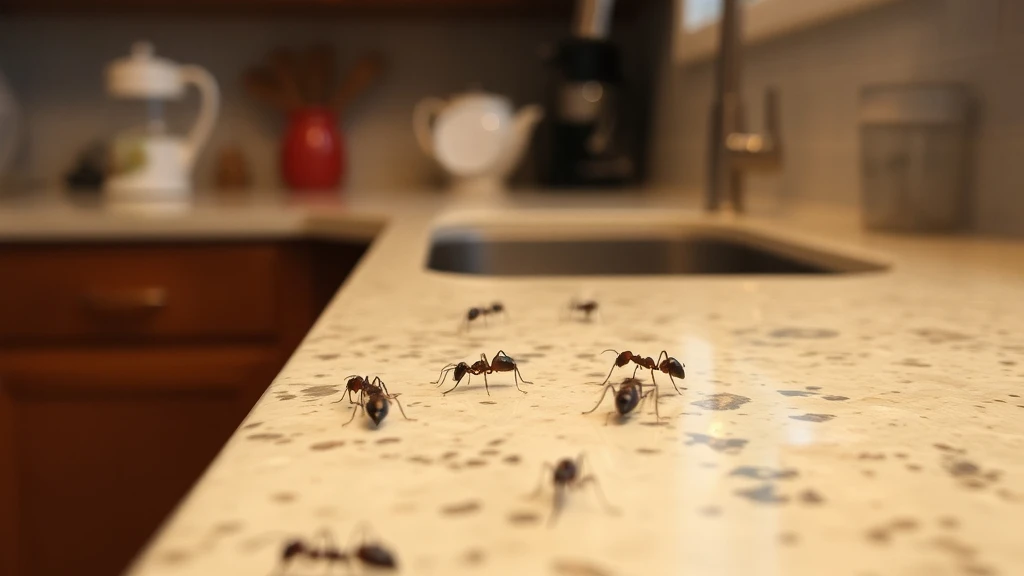
Small, dark ants look a lot alike to the naked eye. Clemson Cooperative Extension notes that about 200 ant species live in South Carolina, so a tiny dark ant on your counter could belong to several different groups.
Odorous house ants are one plausible suspect. They are small and brown to black, and crushed workers may give off a smell often compared to rotten coconut.
That smell can be a helpful clue, but it is only a clue and not proof.
Argentine ants are usually brown and close to the same size, so color and size will not separate them from odorous house ants. Little black ants and other small species can fool a homeowner too, as Mississippi State University Extension points out in its identification notes on look-alikes.
So if you cannot say for sure which ant is in your kitchen, that is normal. A trained person with a sample of the ants can give a far more reliable answer than a quick glance can.
Your local Extension office is a good place to start if you want a firm identification.
For the rest of this article, think in terms of likely ant behavior rather than a diagnosis. Many small ants follow similar patterns, and the cleanup steps below work as a sensible starting point whichever species turns out to be marching across your counter.
Could cool weather bring some Argentine ants indoors?
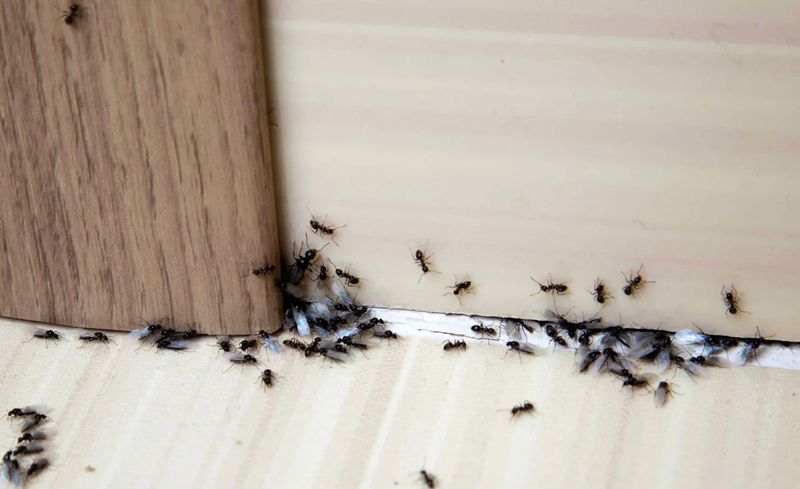
Here is where the winter idea comes from. University of Georgia Extension describes Argentine ants entering homes in winter to escape the cold.
Mississippi State Extension says cool weather can push some Argentine ant nests indoors, and that excessive rain or drought can do the same.
Notice the wording: some nests, and Argentine ants specifically. That does not cover every tiny ant, and it does not cover odorous house ants as a group.
A cold snap is one possible reason among several, and moisture, food, and available nesting spots all matter too.
Argentine ants also do not stay active in every kind of cold. Texas A&M’s Urban and Structural Entomology Program notes they may go dormant during extreme cold and resume activity when warm periods return.
A mild South Carolina winter afternoon can wake a colony back up.
What does this mean for your kitchen? If ants show up on a chilly day, cold could be part of the story, but you cannot prove it from the sighting alone.
Treat the weather as one clue, not as the answer.
A more useful question is what is drawing them to your counter right now. That is where the next section picks up.
Ants lay the trail; food and moisture may attract foragers
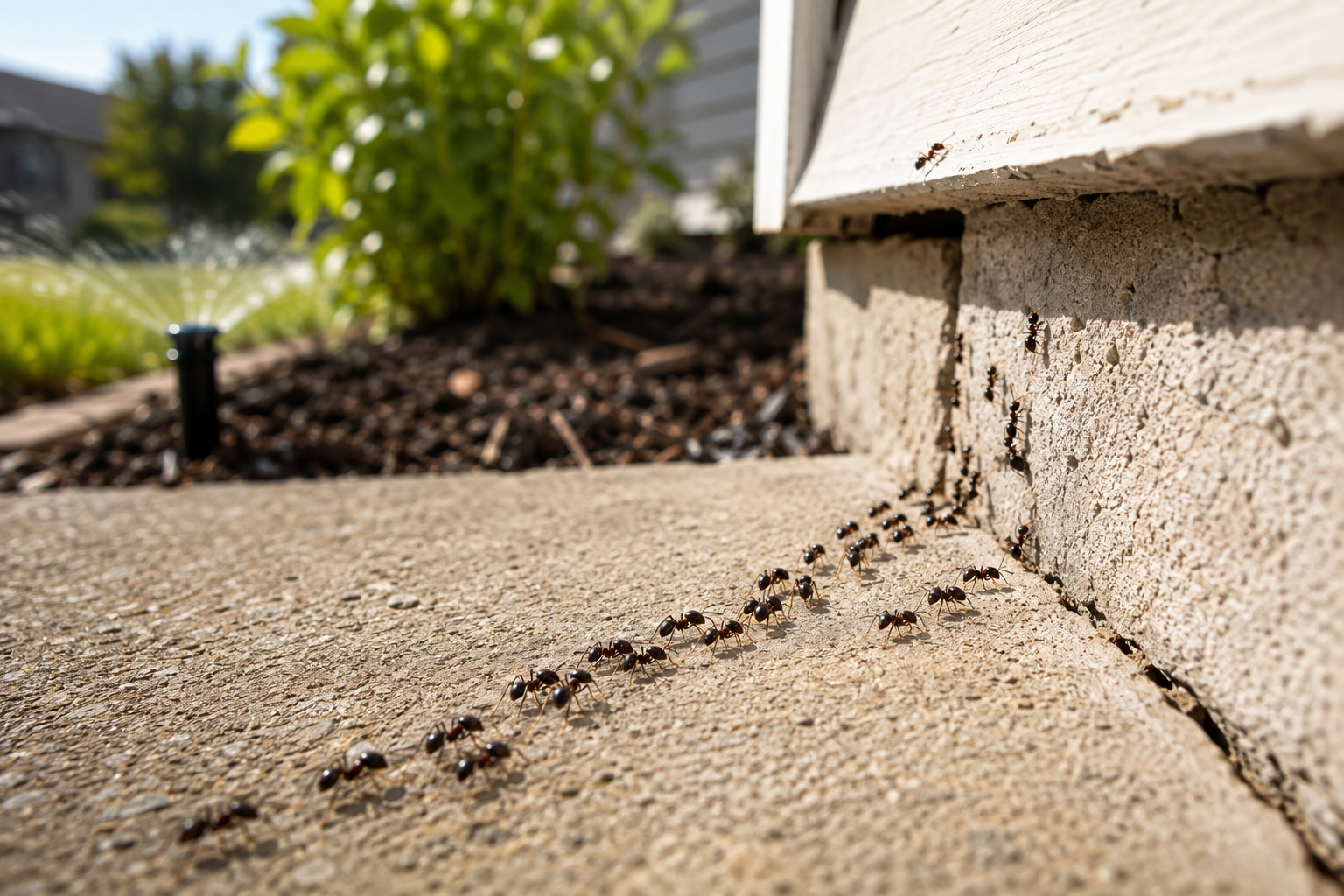
The idea that you left a scent trail is a common mix-up. The ants lay the chemical trail themselves, and their nestmates follow it.
Nothing you did created that path.
What you might have left is the reason a scout showed up in the first place. Crumbs, grease, sticky spills, open food, and standing water can all attract foragers, as described by Mississippi State University Extension.
Think of it as two separate pieces: the trail is the road, and the food or moisture is the destination. Cleaning removes the destination, and wiping interrupts the road for a while.
Neither one alone settles the question.
Not every trail ends at something you can see. A line might lead to a hidden crumb behind the toaster, a damp spot under the sink, or simply a route passing through your kitchen.
Look along the path, but do not be surprised if the reward is hard to find.
The University of California Statewide IPM Program recommends following the ants back to learn where they enter and what they are after. A few minutes of watching can tell you more than a lot of guessing.
A soapy wipe interrupts the route, not the colony
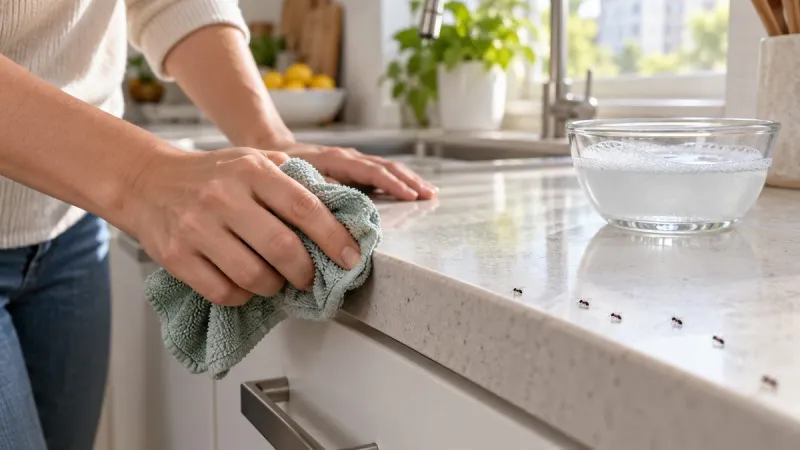
Start with a damp, soapy cloth. Wipe up the visible ants and the path they were walking, since both the Mississippi State and University of California guides suggest this to disrupt the current route.
Next, remove what drew them in. Clean up crumbs, grease, and sticky spills, and wipe the surfaces around the stove, sink, and pet bowls.
Seal food in containers, take out the trash regularly, and fix any leaks or drips.
Then be honest about what you have done. You have interrupted one route, which is useful, but you have not reliably removed the colony.
Ants can lay down a new trail, and they may keep coming in through another gap.
Indoor nests, several nest sites, and steady access to food or water can all bring ants back. If the line returns the next day, that does not mean you did the cleanup wrong.
It means the source is still active.
Think of wiping as a first step and a way to learn. Where the ants reappear, and how fast, tells you where to look for the entry point or the attractant you missed.
Surface cleaning is not a permanent fix, so plan for what comes next.
Let foragers carry bait back to the nest
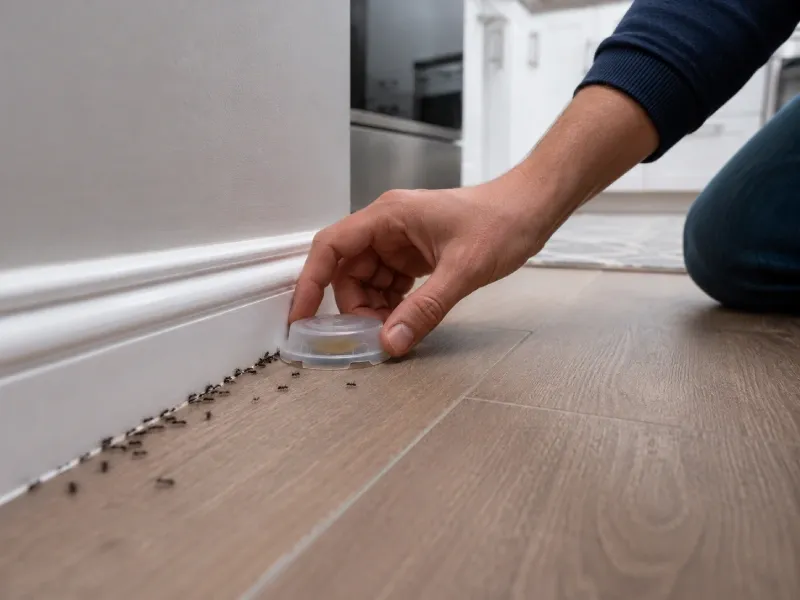
Baiting works differently from wiping. Instead of erasing a trail, you let foragers take a slow-acting bait back to the nest.
Clemson notes that sweet baits can work for odorous house ants, though not always, and that large colonies may need several weeks.
Place a suitable bait near active trails, somewhere children and pets cannot reach. Keep it fresh and follow the directions on the label.
The EPA explains that labels say where and how a product may be used, and using it differently breaks federal law. Use only products labeled for the intended site.
Here is the tricky part. Once ants are feeding, leave the route to the bait alone.
Do not wipe it or spray beside it, because that can put ants off feeding, as the Mississippi State guide and University of California guide both caution. Keep cleaning up food spills elsewhere so the bait stays the most attractive option.
Expect some surprises. Ant activity may briefly increase as they find the bait, and results can take days to weeks.
Success depends on the ants actually eating it, so it will not work in every case.
Do not spray visible ants as a shortcut. Keep all baits and pesticides away from children and pets, and read the EPA’s label advice for pet owners before you start.
Reduce access and conditions that invite ants back
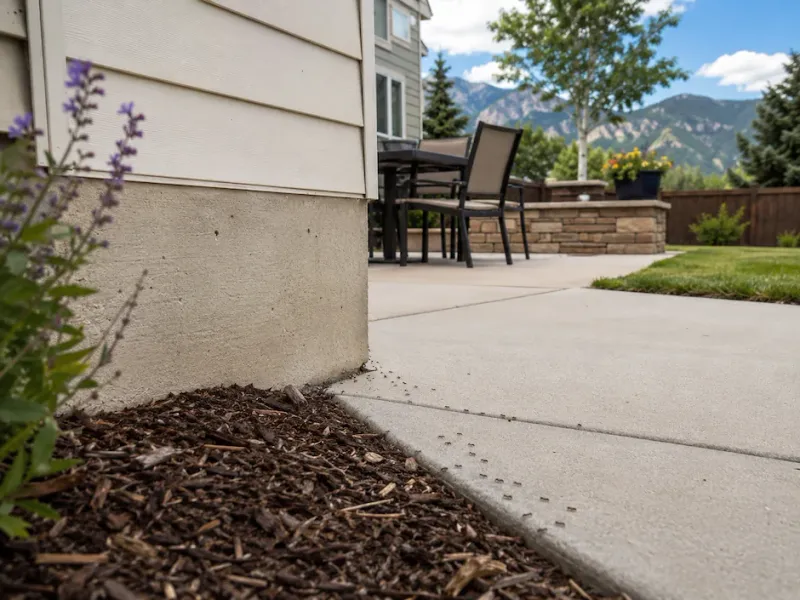
Once the kitchen is under control, look outside. Walk the edge of the house and seal any gaps you saw ants using, such as cracks around pipes, windows, and door frames, where that is practical.
Trim back shrubs, vines, and branches that touch the walls, since ants can use them as bridges. Pull mulch and leaf litter back from the foundation too, because ants may nest there or travel through it.
Mississippi State Extension and University of Georgia Extension both point to these habits as ways to reduce ant routes and nesting spots.
These steps cut down opportunities, but they cannot guarantee ants stay away. Colonies can have several connected nest sites, and a gap you missed may still be open.
Keep expectations modest and check back after rain or a temperature swing.
The best approach pairs habits with action. Keep food sealed and surfaces clean, fix moisture problems, and use bait or other control only as the label allows.
No single step is a cure, but together they make your kitchen a harder place for ants to settle.
Ants are patient scouts, and a tidy kitchen is simply a less rewarding stop on their route.
Share this story