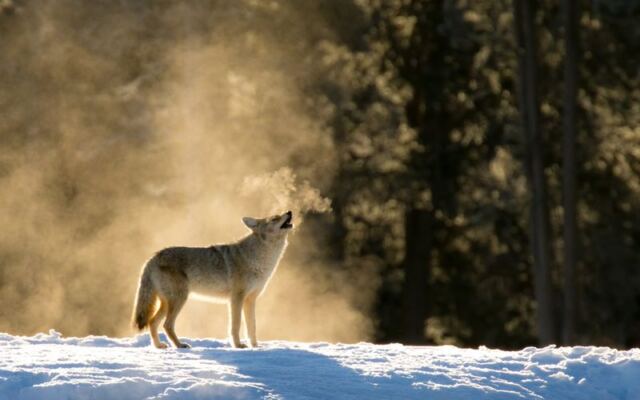
Coyote howls, yips, and barks are ways of staying in touch. They can share where an animal is, invite a reply, or mark a patch of land as already in use.
No single call works like a dictionary word, though, so the sounds outside your window say less than you might think. Knowing what the calls can and cannot tell you helps you feel calmer and act wisely around your home.
Why coyotes call near neighborhoods
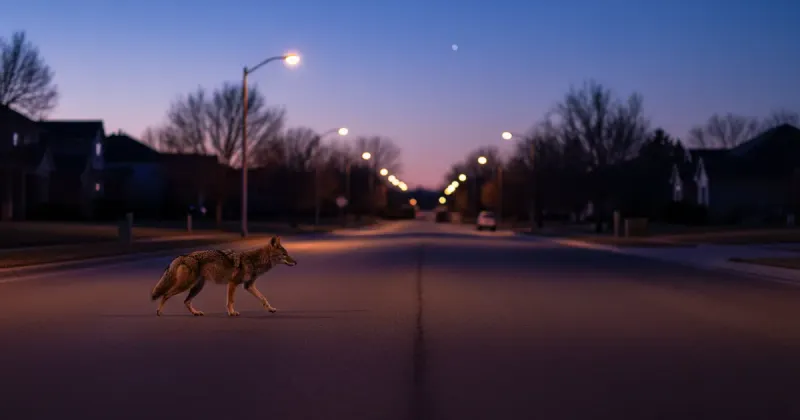
Late-night howling often surprises people who thought coyotes lived only in faraway wilds. In truth, the Louisiana Department of Wildlife and Fisheries says coyotes live in both urban and rural areas.
That means they can turn up near suburban edges, pine woods, sugarcane fields, and bayou country alike.
The same agency describes coyotes as largely nocturnal while they roam neighborhoods. That is why so many people hear them after dark, when streets are quiet and sound carries far.
Largely nocturnal does not mean only at night, so a coyote may also be seen at other times of day.
A howl in the dark is simply what a nearby wild animal sounds like when the rest of the neighborhood has gone still. It tells you coyotes are somewhere in the area, which is common across Louisiana.
It does not tell you that one is heading toward your yard, and it does not mean anyone is in danger.
Think of it as hearing an owl or a barking fox. The animal is going about its business, and you happen to be within earshot.
The sections below explain what the calls may be doing and what to do if you want to be careful.
A howl carries possibilities, not a translation
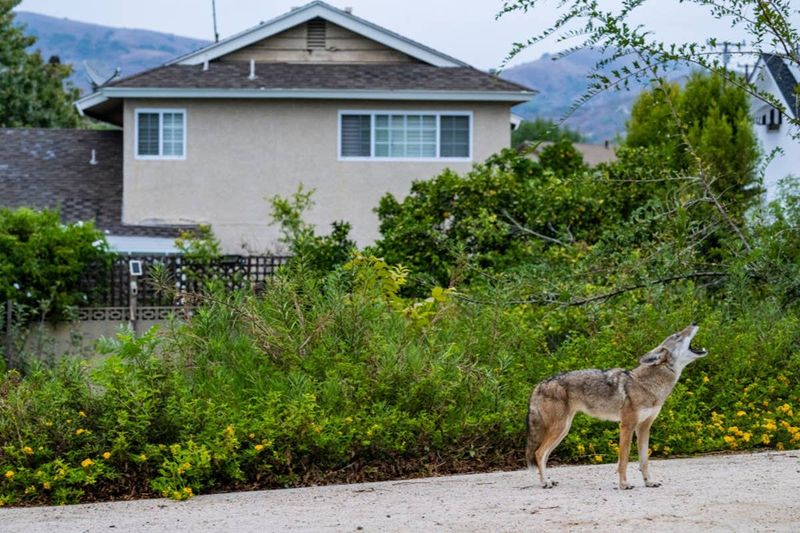
Coyotes have a wide vocal range, including howls, barks, yips, and whines. According to USDA wildlife damage guidance, howling can broadcast a coyote’s location, prompt other coyotes to answer, or indicate an occupied home range.
Group yip-howls may also help reinforce family bonds and advertise territory.
Those are broad possibilities, not a decoder ring. Hearing a howl does not let you say that the caller is announcing a boundary, calling a family member, or warning off a neighbor.
From sound alone, a listener cannot reliably tell those situations apart.
Researchers have studied this too. In a 1974 study of long-distance coyote calls, the call types blended into one another along a continuum.
The meanings suggested for them were ideas to be tested, not proven translations.
So when you hear a chorus, a fair reading is that coyotes are probably communicating with each other in some way. The exact message stays private.
That is a good reason to enjoy the mystery instead of trying to solve it.
A few callers can sound like a crowd
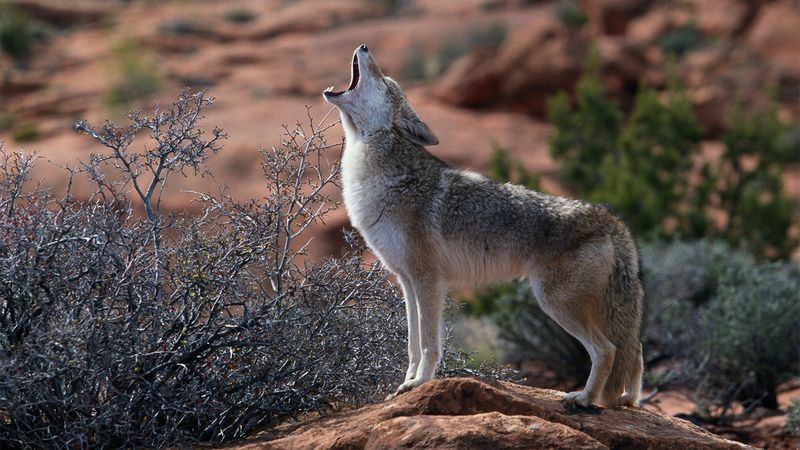
Ever listened to a racket that sounded like a whole pack, then spotted only a couple of animals? Sound can play tricks.
USDA notes that two coyotes can sound like six when their calls overlap and vary.
The effect comes from how the voices stack. Coyotes shift pitch, switch between howls and yips, and often call at the same time.
Your ear hears a tangle of sounds with no clear starting or stopping point, and your brain fills in extra animals.
Night and distance add to the confusion. Sound bounces off trees, buildings, and open fields, so a few voices can seem to come from several directions.
Wind can make the group seem closer or farther than it is.
For that reason, counting callers by ear does not work. A chorus cannot tell you whether three, five, or ten coyotes are out there.
If a number matters to you, the only honest answer from sound alone is that you do not know.
What Louisiana’s coyote calendar can—and cannot—tell you
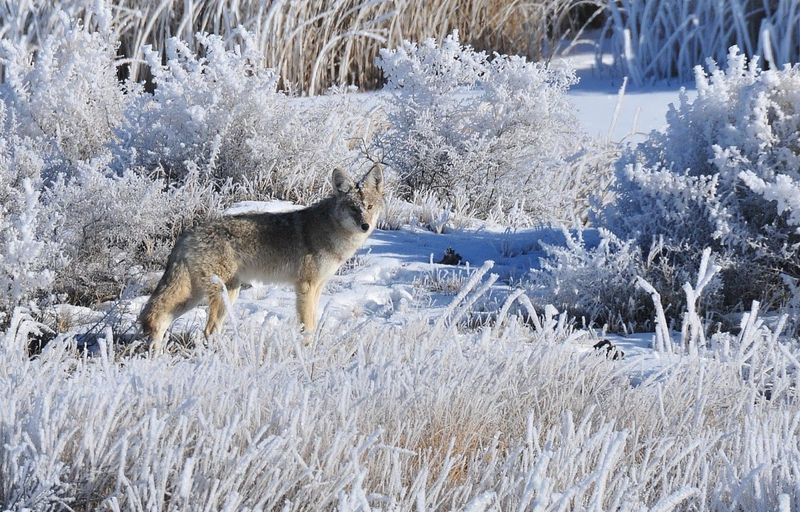
Seasons give useful background. Louisiana wildlife officials say coyotes here usually breed in January or February, and pups are born from late March through May.
Timing can vary from one animal or year to the next.
After that, a family may stay together for a while. USDA describes young coyotes dispersing in late summer or fall, when they leave to find their own ranges.
So the year has a rough rhythm, with mating in winter, births in spring, and youngsters moving on later.
Treat that rhythm as context, not a way to read a particular night. A chorus in February might involve mating, or it might not.
A chorus in April might be near a den, or it might be nothing of the kind.
No sound can be labeled a pup call from the porch. Hearing yips or howls cannot establish that pups are calling or that a den is close by.
Coyotes also call in every season, so the month on the calendar cannot explain every chorus.
A howl alone is not an alarm
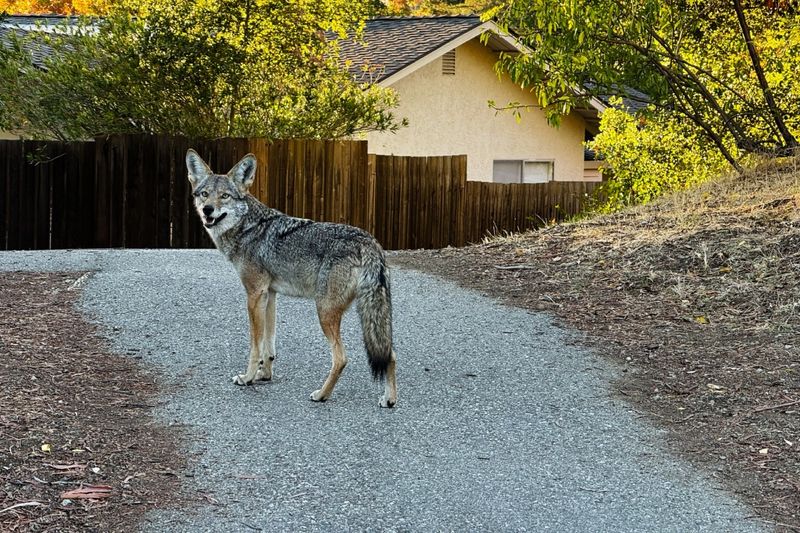
Hearing a coyote and meeting one are very different things. A howl by itself is not proof that an attack is coming, that a pet has been harmed, or that an animal is aggressive.
It mostly shows that coyotes are somewhere in the area.
Still, a little planning helps. The Louisiana Department of Wildlife and Fisheries suggests watching or kenneling small pets, picking up leftover pet food, and keeping pets indoors at night.
It also advises against feeding coyotes, since food teaches them to linger around homes.
Simple habits make a difference. Walk small dogs on a leash, go out with them after dark, and bring bowls inside.
Check that trash is closed and that fallen fruit or birdseed is not piling up.
If you actually see a coyote, stay calm and do not approach it. Florida wildlife officials recommend keeping children and pets close and, if a coyote comes toward you, making noise and acting assertively.
Clap, shout, and stand tall until it leaves.
Never try to feed or handle a coyote, even a bold-looking one. Giving it room is safer for you and for the animal.
Bites and scratches need prompt professional advice
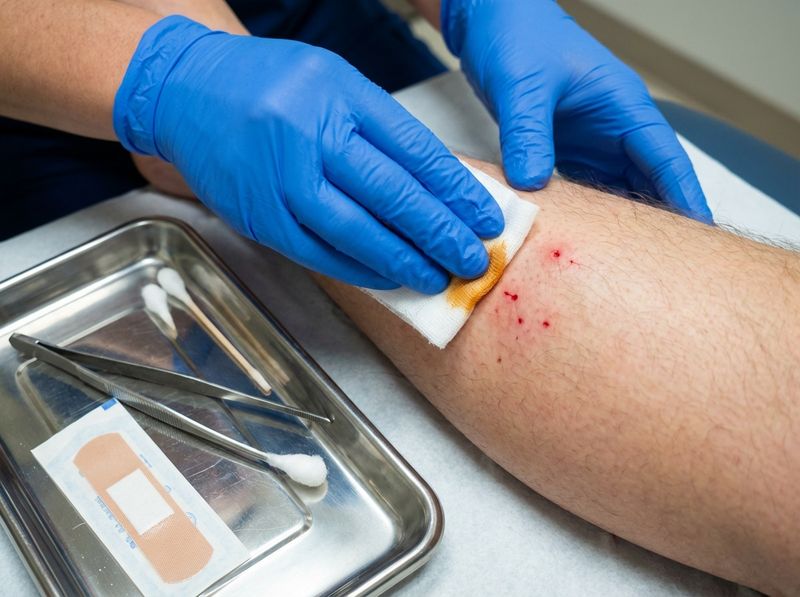
Bites and scratches from coyotes are uncommon, but they call for quick action. If a person is bitten or scratched, wash the area and contact a doctor right away.
If a pet is hurt, call your veterinarian promptly.
The Louisiana Department of Health advises prompt medical or veterinary consultation after a bite or scratch, including guidance about possible rabies exposure. A professional can judge the wound and decide what follow-up care is needed.
Keep this in proportion. Hearing a howl or spotting a coyote does not by itself suggest rabies.
The concern begins when a bite or scratch has actually happened, and then the right move is to get advice instead of waiting.
Treat the calls as communication, not a warning code
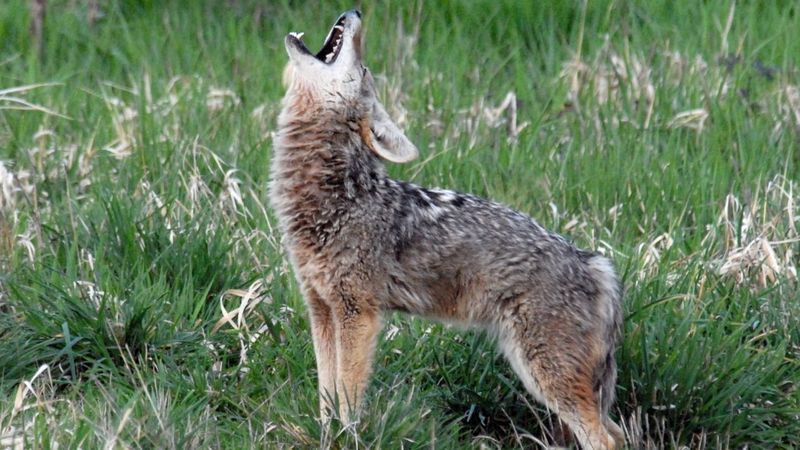
Coyote calls do real work. USDA describes them as ways to share location, answer others, and mark an occupied range, but they are not a sound-by-sound code, and they do not prove danger.
The useful response is steady habits. Secure pet food, keep pets protected at night as Louisiana wildlife officials suggest, and respond calmly if one approaches.
Next time the yips drift across the yard, you can simply listen. Some conversations are not meant for us.
Share this story