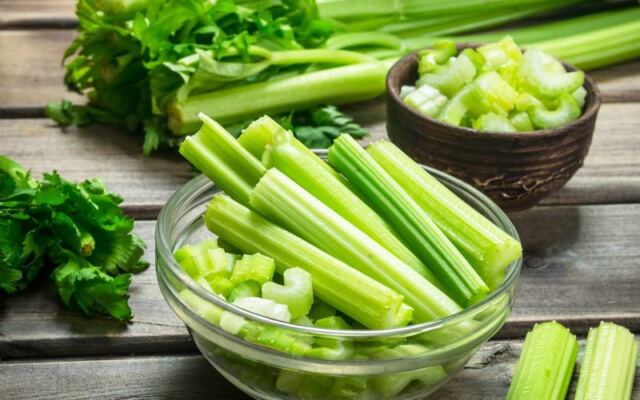
Celery shows up in Minnesota garden beds, farmers market stalls, and lunch boxes all summer long. Lots of people wonder if crunching on it every day does something special for the body.
The honest answer is simpler and more useful than the hype. Here is what celery really offers, what it does not do, and how to handle it well.
Celery adds water, fiber, and very few calories
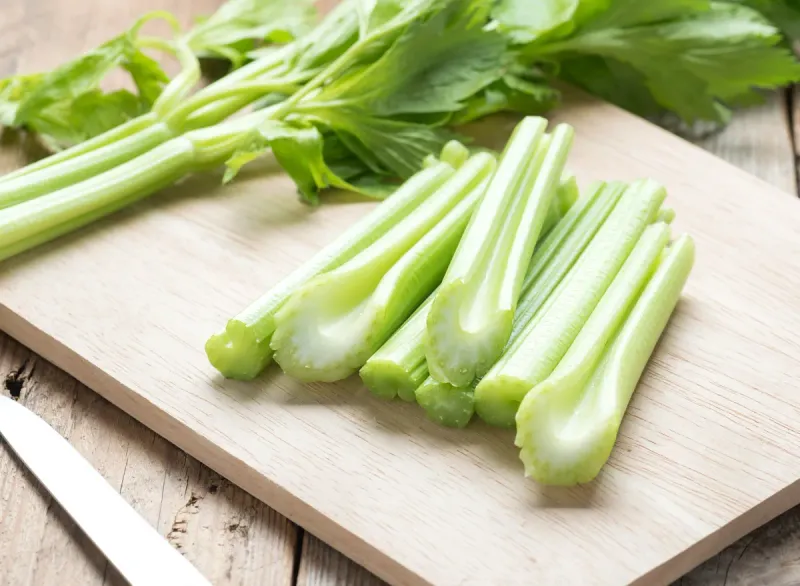
Picture a 100-gram handful of raw celery, roughly one large stalk or a bit more. According to USDA food composition data, that amount has about 16 calories, 1.6 grams of fiber, and 95 grams of water.
In other words, celery is mostly water wrapped around crisp plant fiber.
The same USDA entry shows some potassium and other nutrients, though how much you actually get depends on how much you eat. A single snack stalk weighs less than 100 grams, so it delivers less than those figures.
Celery also has naturally occurring sodium, about 80 milligrams per 100 grams, so it is not a sodium-free food. It has very little protein too, so it will not stand in for beans, eggs, or meat.
Pair it with peanut butter, hummus, or a yogurt dip if you want a snack that fills you up.
These numbers describe what is in the food. They do not prove that eating celery every day causes a particular change in your body.
Think of them as a nutrition label: useful for knowing what you are putting on your plate, not a promise of a health result.
For many people, celery’s main job is crunch and freshness. It adds volume to soups, salads, and tuna sandwiches without adding many calories, and that is a perfectly good reason to buy it.
Do celery studies prove that daily stalks change health markers?
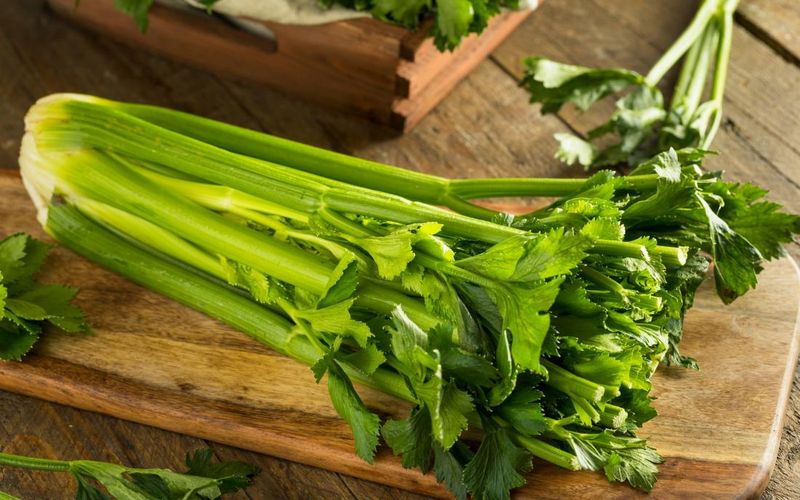
Headlines love a study with the word celery in it. A 2025 review of randomized trials pooled 10 studies with 511 adults and reported some favorable results for blood pressure, blood sugar, and triglycerides.
That sounds promising, but the details matter. The trials tested varied celery preparations, which can include seed extracts and supplements, not only ordinary stalks.
The reviewers also noted substantial differences between the studies, small sample sizes, and a need for better trials.
So what does that mean at the farmers market? A result from a concentrated extract cannot simply be moved over to a daily snack of fresh stalks.
The review does not show that eating celery every day lowers blood pressure, blood sugar, or triglycerides.
It also does not offer a dose. No one has established how much celery, if any, would be the right amount for general health.
If you are managing high blood pressure, diabetes, or high triglycerides, celery is not a substitute for the plan you made with your care team. You can still enjoy it as one vegetable among many, and treat the early research as a reason for more study rather than a reason to change your treatment.
A celery habit is not a body cleanse

Your liver and kidneys already do the filtering work every day. Detox and cleanse claims suggest that a special food or drink can speed that up, and celery juice often gets tagged with that promise.
The National Center for Complementary and Integrative Health says evidence for detox diets is limited and low quality, and there is no compelling research showing they remove toxins. That finding does not turn celery juice into a cleanse.
It simply means the claim lacks support.
None of this makes celery a bad choice. A stalk dipped in hummus is a fine snack.
The trouble starts when a normal vegetable gets described as a reset button for the body.
The same goes for bigger promises about digestion, inflammation, or illness. A food habit is not medical treatment, and celery should never replace care from a doctor.
If a plan asks you to drink only juice for days or to skip your medicines, that is a red flag. A better approach is steady, ordinary eating, with celery as one crunchy option if you like it.
Minnesota celery season starts indoors

Celery likes cool weather and a long runway, which is why Minnesota gardeners start early. UMN Extension recommends starting seeds indoors around mid-February and lists mid-May as the typical time to plant outdoors.
Treat those dates as general guidance, since spring weather and local conditions can shift the schedule.
If you would rather skip the seed trays, farmers markets carry celery through the summer. Ask the grower when it was picked and pick stalks that look firm and crisp.
Homegrown and market celery both need a good wash. The FDA says to rinse produce under running water before preparing or eating it, and notes that washing can reduce bacteria but does not eliminate them.
Skip soap, detergent, and commercial produce wash. Separate the stalks, rub them under the tap, and pay attention to the base where soil likes to hide.
How much you eat is up to you. There is no set number of stalks to aim for, so grow or buy what you will actually enjoy.
Could celery cause an allergic reaction?

For most people celery is a plain, crunchy vegetable. For some, it can set off symptoms.
The American College of Allergy, Asthma and Immunology explains that celery can trigger pollen-food allergy syndrome in some people who have pollen allergies.
Typical signs include itching in the mouth or throat, and swelling can happen too. Severe reactions are uncommon with this syndrome, but they have been reported, so it is not safe to assume every reaction stays mild.
If you notice a tingle after eating raw celery, particularly during pollen season, pay attention. Recurring symptoms are worth an appointment with an allergist.
Celery allergy can also be a true food allergy, and groups such as Anaphylaxis UK offer fact sheets on it. Do not count on cooking to make celery safe for everyone with an allergy.
If you suspect or have been diagnosed with a celery allergy, general food tips are no substitute for advice from a clinician who knows your history. Get that guidance before you try it again.
Warfarin users should keep vitamin K intake consistent
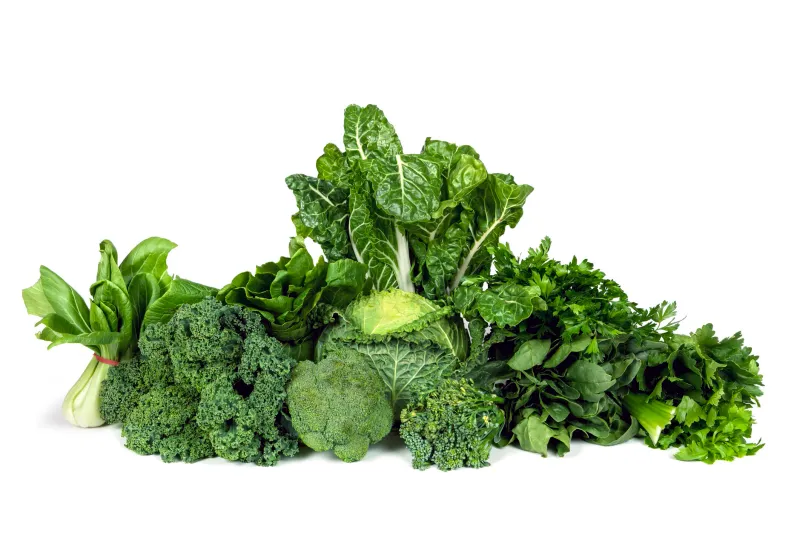
Warfarin is a blood thinner, and vitamin K plays a role in how blood clots. That is why the NIH Office of Dietary Supplements advises people taking warfarin to keep their vitamin K intake consistent rather than making sudden changes.
Notice what that advice is not. It does not say you must avoid celery or any other vegetable.
The point is steadiness, so your medication dose and your eating pattern stay in step.
Say you are at the market in July and want to add a lot of celery, kale, and other greens to every meal after eating very few before. That is the kind of big swing worth talking over first.
If you take warfarin, mention major diet changes to your clinician or anticoagulation team. They can check your levels and adjust the plan when needed.
Everyone’s situation differs, so a celery-specific risk is not something a general article can estimate. The most useful habit is simple: eat in a regular pattern and ask before making a big shift.
Treat celery as a useful vegetable, not a prescription

Celery is a low-calorie, water-rich vegetable with some fiber, as USDA data show. A 2025 trial review looked at celery preparations, not everyday stalks, so no daily dose or disease benefit is established.
If you like it, add it to soups, salads, and snacks as part of a varied diet. Keep the allergy and warfarin cautions in mind if they apply to you.
Celery is a good crunch, not a cure.
Share this story