Your Missouri backyard might look peaceful, but a few of its residents carry a powerful bite or sting. From snakes hiding under woodpiles to spiders tucked inside garden gloves, venomous creatures share our grass, gardens, and garages.
Knowing what they look like helps you stay safe without panicking every time something moves. Here are eight to watch for, plus the clues that make each one easy to recognize.
1. Copperhead
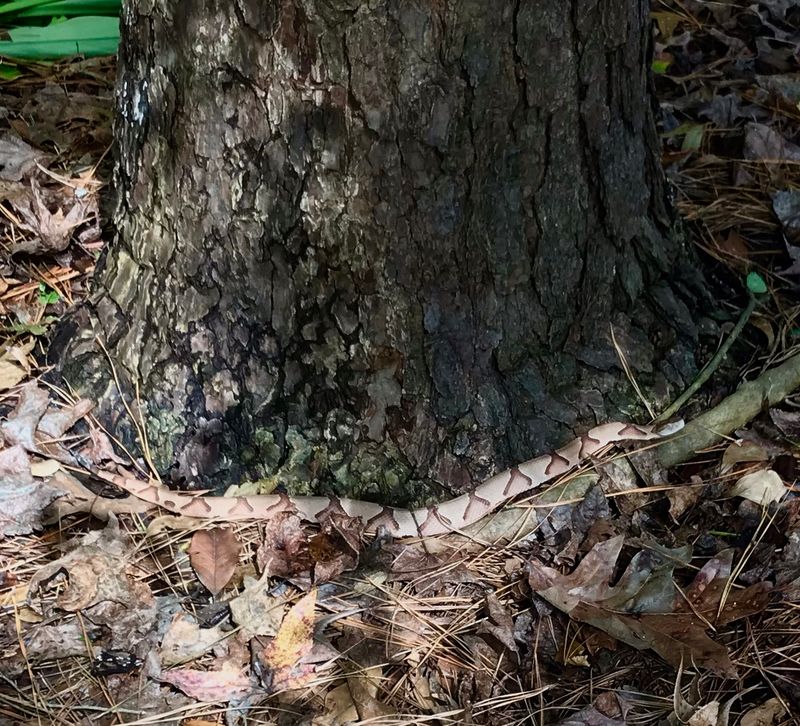
Missouri’s most common venomous snake is also a master of disguise. Copperheads blend so well into fallen leaves that many people step right beside one without ever knowing it.
Look for a tan or pinkish body crossed by dark, hourglass-shaped bands. The bands are wide on the sides and narrow along the back, a pattern some folks compare to Hershey’s Kisses.
Young copperheads also have a bright yellow tail tip they wiggle to lure frogs.
You’ll often find them near woodpiles, rock walls, and leafy flower beds. Their bites are rarely deadly, but they hurt badly and need medical care.
Wearing gloves and boots while doing yard work is a smart habit.
2. Timber Rattlesnake
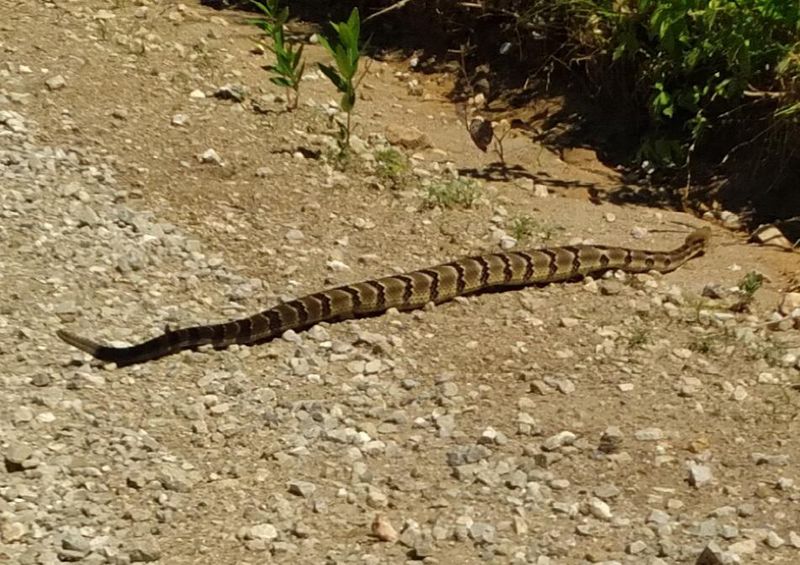
Picture a heavy-bodied snake that can stretch over four feet long, with a black tail ending in a buzzing rattle. That’s the timber rattlesnake, the largest venomous snake in the state.
Its body color ranges from yellowish to gray, crossed with dark, jagged chevrons that look like zigzag stripes. The tail is almost always solid black, which is one of the easiest clues to spot.
Rural homes near wooded bluffs and rocky slopes see them most often.
Here’s the good news: timber rattlers are calm and would rather sit still than fight. If you hear that rattle, back away slowly.
Give it space, and it will usually slip off on its own.
3. Cottonmouth
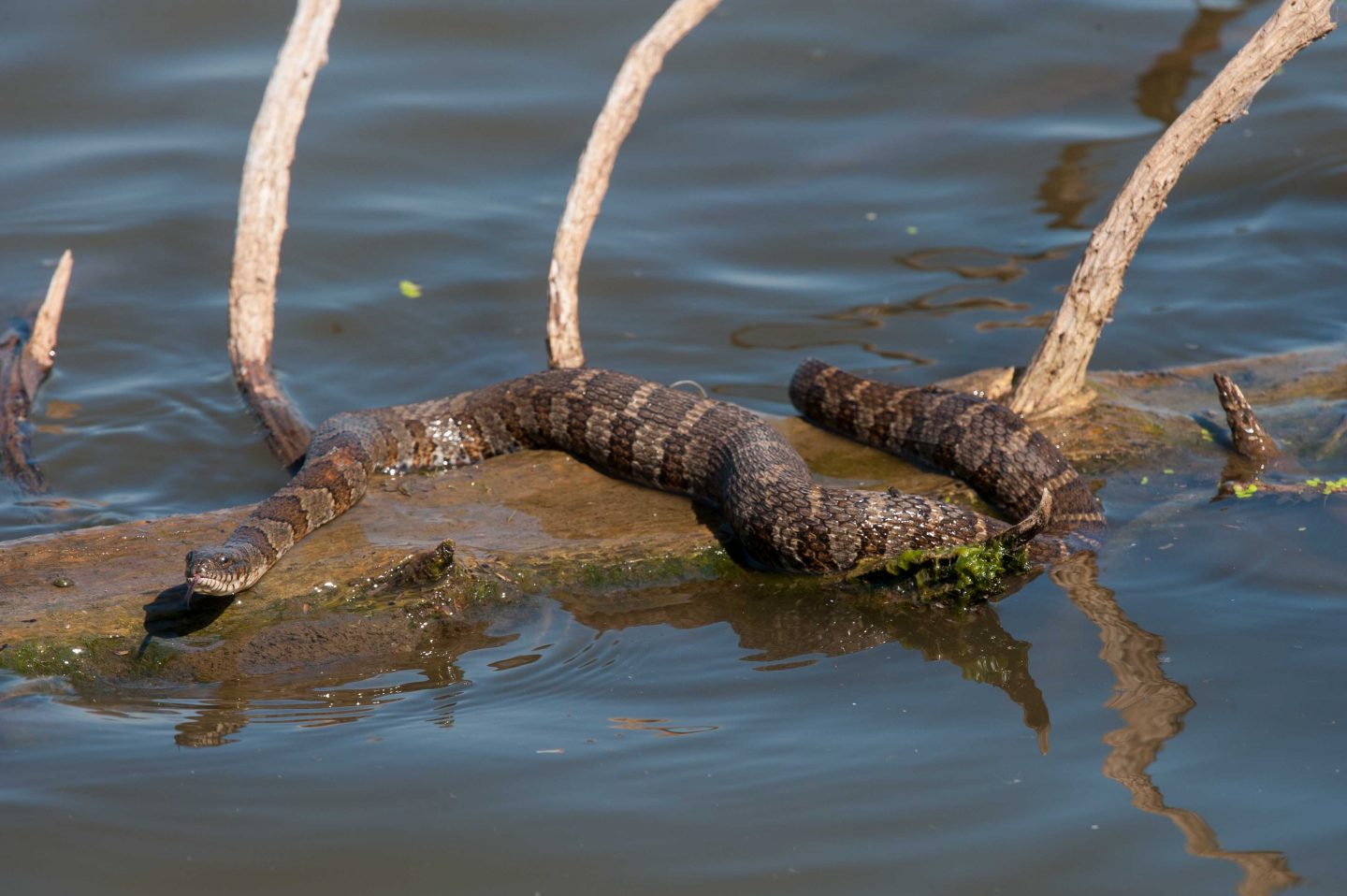
Ever seen a snake open its mouth wide like it’s yawning at you? A cottonmouth does exactly that, flashing a bright white interior as a warning.
These thick, dark snakes live in southeast Missouri near ponds, swamps, and slow creeks. Adults are often olive, brown, or nearly black, and their pattern can fade with age.
They swim with their whole body floating high on the water, while harmless water snakes usually swim with just their heads up.
Homes with backyard ponds or drainage ditches in the Bootheel region should stay alert. Many harmless water snakes get mistaken for cottonmouths, so watch for that blocky head and white mouth before deciding.
4. Pygmy Rattlesnake
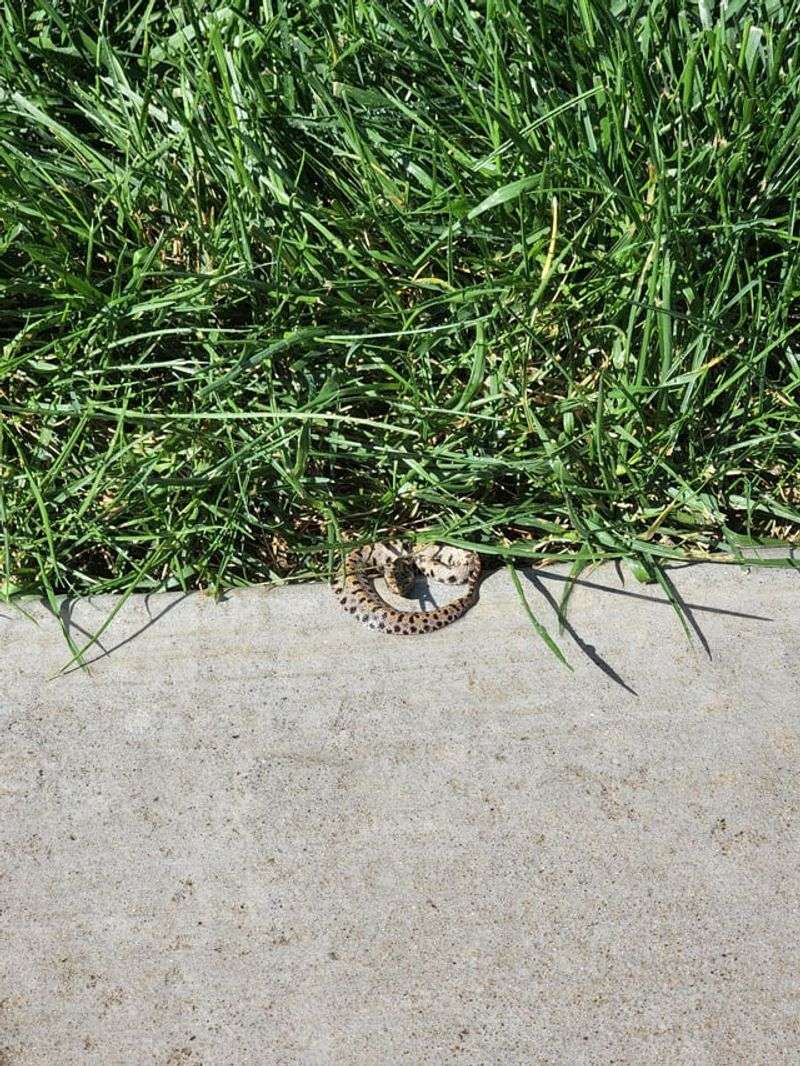
Small but feisty, the western pygmy rattlesnake rarely grows longer than 20 inches. Its rattle is so tiny it sounds more like an insect buzz than a warning.
Watch for a gray body covered in dark blotches, often with a rusty orange stripe running down the back. It lives mostly in the rocky glades of southern Missouri and the Ozarks.
Because it’s so little, it’s easy to overlook while clearing brush. Bites are painful, though rarely serious.
Fun fact: this snake is one of the few rattlers that likes to hunt centipedes.
5. Brown Recluse Spider
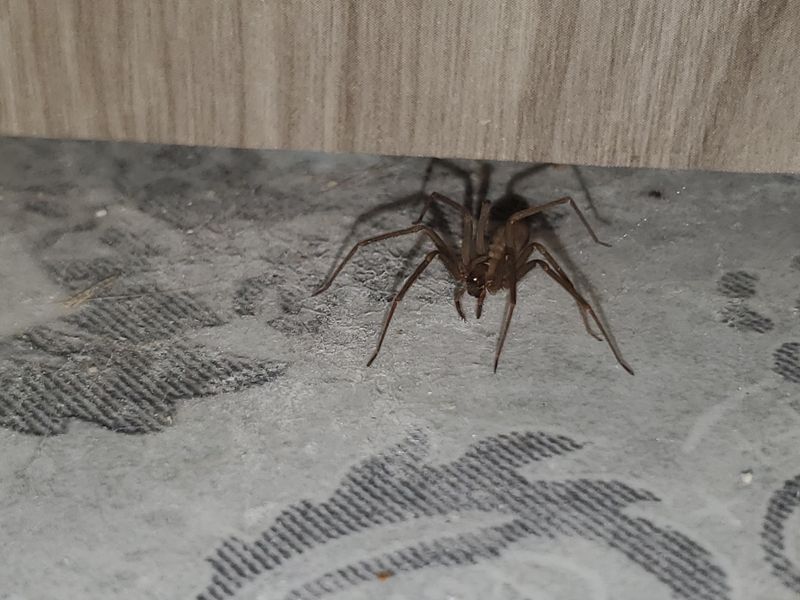
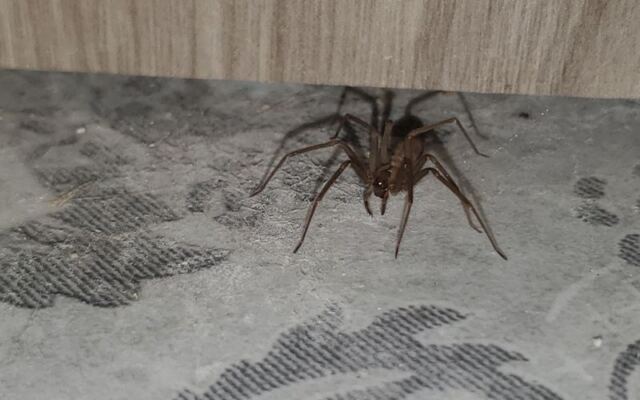
Shy by nature, the brown recluse lives up to its name. It hides in dark corners, cardboard boxes, old shoes, and garage clutter all across Missouri.
This spider is tan to brown with a darker violin shape on its back. The neck of the violin points toward the rear.
Another clue is its eyes: it has six arranged in pairs instead of the usual eight.
Bites often happen when someone slips on a glove or shirt where one is resting. Shake out clothes stored in the garage or shed.
If a bite starts forming an open sore, see a doctor quickly.
6. Black Widow Spider
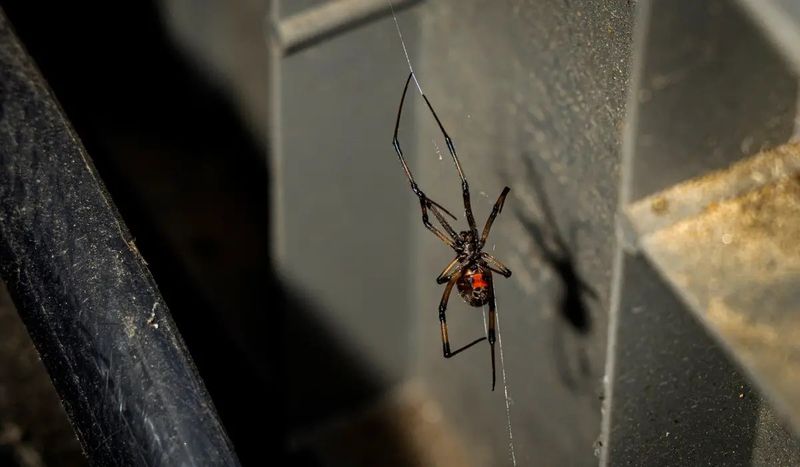
Shiny, black, and marked with a red hourglass, the female black widow is one of the most recognizable spiders on the planet. Most people know her on sight, which makes avoiding her a little easier.
Look under deck boards, inside meter boxes, behind flower pots, and around outdoor furniture. Black widows spin tangled, messy webs close to the ground and often hang upside down so the hourglass shows.
Males are small and harmless, but the female’s venom affects the nerves and can cause strong muscle pain. Wear gloves when reaching into hidden spaces.
Medical help works well, and serious cases are uncommon.
7. Saddleback Caterpillar
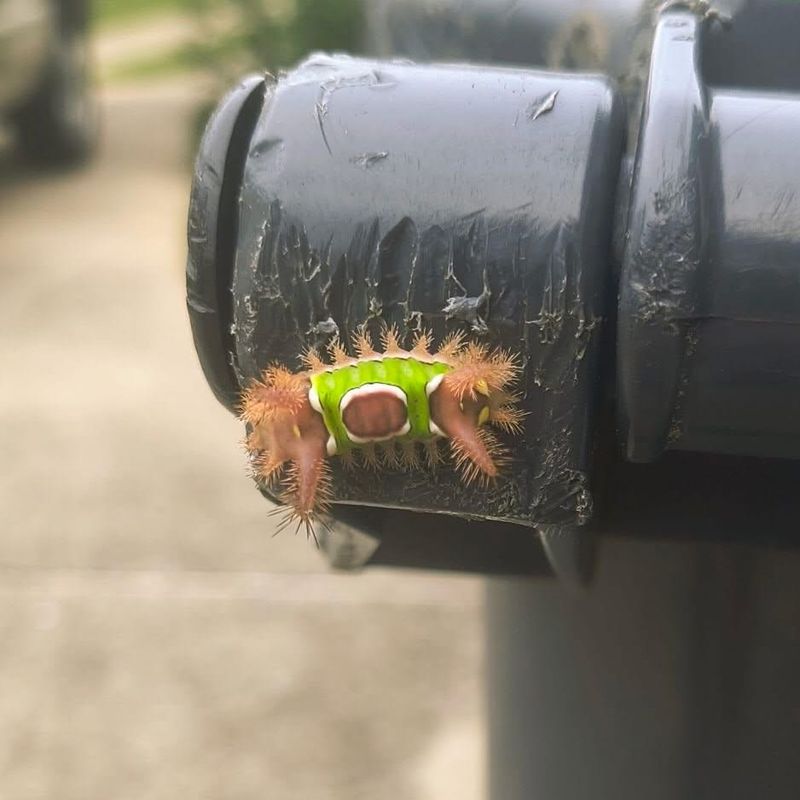
Caterpillars seem harmless, right? Not this one.
The saddleback caterpillar looks like a tiny cartoon creature wearing a green blanket with a brown spot in the middle.
Spiky horns stick out from both ends, and those spines carry venom. Brushing against one while gardening can cause a burning sting, redness, and swelling that lasts for hours.
You’ll find them on leaves of trees, shrubs, corn, and garden flowers in late summer. Use tape to pull out spines if you get stung, then wash the area.
Teach kids to look but never touch.
8. Puss Caterpillar
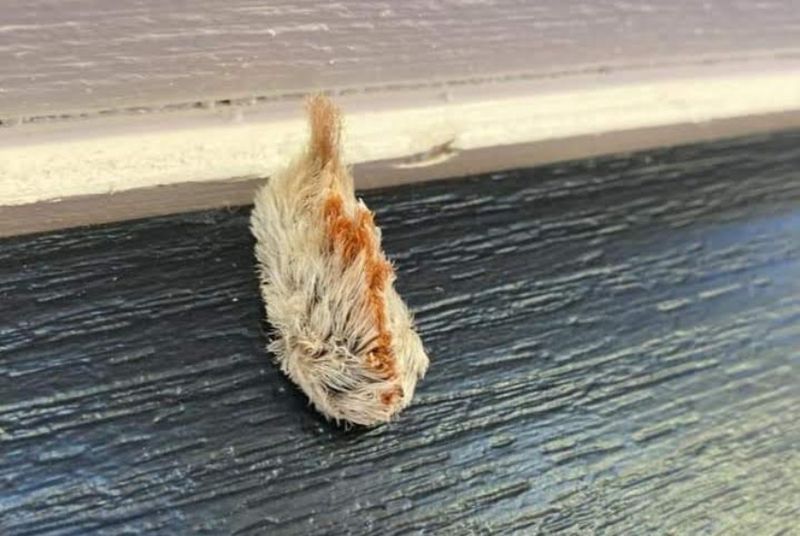
Fluffy as a tiny toupee, the puss caterpillar looks soft enough to pet. That fuzz hides venomous spines, making it one of the most painful stingers in North America.
It’s covered in tan, gray, or orange hairs and often rests on oak, elm, and maple trees. People describe its sting as throbbing pain that can spread up the arm, sometimes with nausea.
Check fences, tree trunks, and patio furniture in fall when they’re most active. If stung, remove spines with tape and seek care if symptoms get worse.
Admire it from a distance.
Share this story