When the leaves start turning in Massachusetts, a lot of small creatures start looking for a warm place to spend the winter. Some of them carry venom, and your woodpile, garage, or basement might look like the perfect hotel.
Most of these critters are shy and rarely cause serious harm, but knowing who they are helps you stay safe while raking leaves or hauling in firewood. Here are ten venomous or stinging neighbors that get bolder and busier as autumn rolls in.
1. Yellowjackets
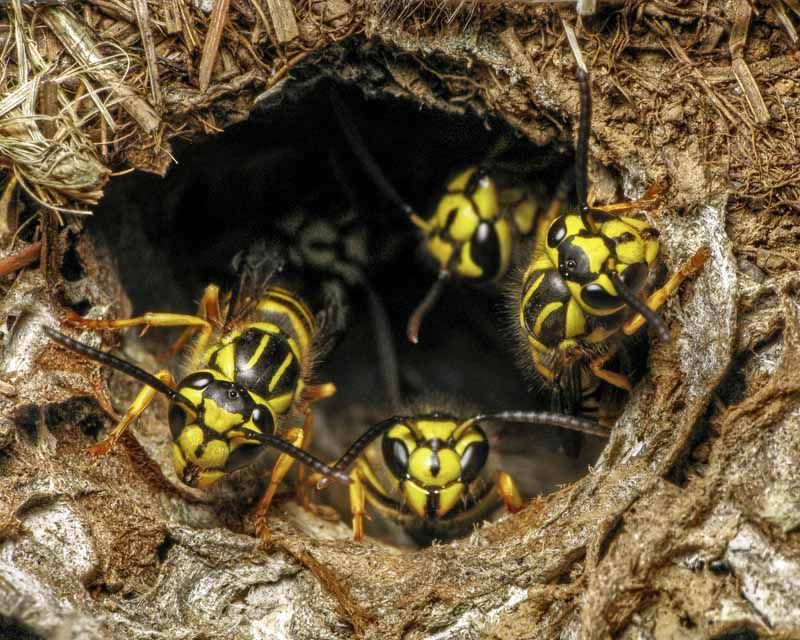
Ever had a picnic crashed by a buzzing striped bully? Late September is peak season for yellowjacket grumpiness in Massachusetts.
Their colonies are at their largest, and food is getting scarce.
Workers that spent summer hunting caterpillars suddenly crave sugar. That puts them right in your soda can, your apple cider, and your fallen backyard apples.
Many yellowjackets nest underground, often in old rodent holes. Running a mower over one can trigger a furious swarm, and unlike honeybees, they can sting again and again.
Watch for a steady stream of wasps zipping in and out of a single spot in the grass, and keep drinks covered outdoors.
2. Bald-Faced Hornets
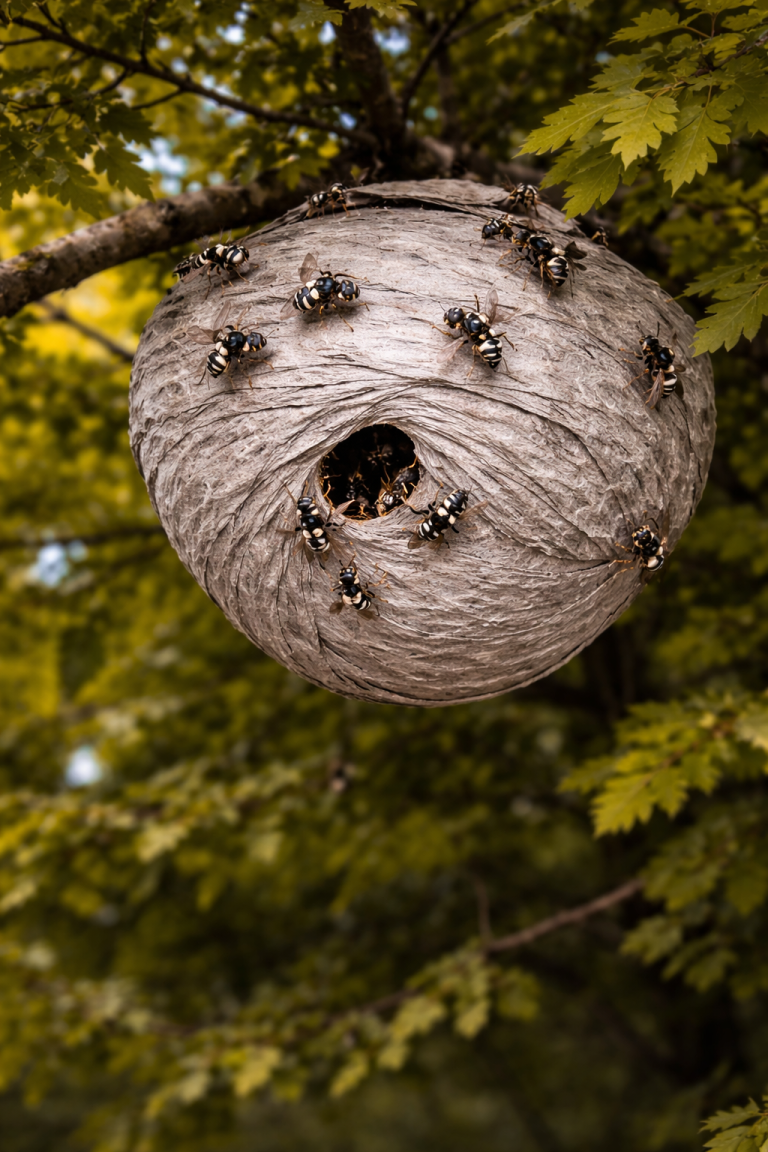
Leaf drop has a sneaky side effect. Suddenly, that football-sized gray paper nest hanging over your driveway is in plain view, and you realize you walked under it all summer.
Bald-faced hornets are actually a type of yellowjacket, black with creamy white markings on the face. They guard their nests fiercely and can spray venom toward the eyes of an intruder.
Here is the good news. Once hard frosts arrive, the colony dies off and only new queens survive by hiding elsewhere.
Old nests are not reused, so a nest spotted in November can usually be left alone or removed safely after a few freezing nights.
3. Paper Wasps
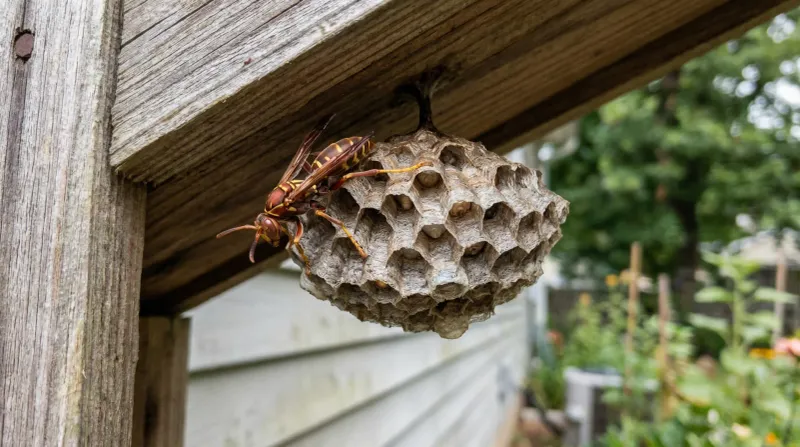
Picture a sunny October afternoon on the south side of your house. Paper wasps drift lazily along the siding, testing cracks around the windows.
Those slow fliers are often fertilized queens searching for a sheltered spot to spend winter. Attics, wall gaps, and window frames suit them perfectly.
They are less aggressive than yellowjackets, yet a sting still hurts plenty. Problems usually happen when one wanders indoors on a warm winter day and lands on someone’s arm.
Sealing gaps around windows and soffits before Halloween keeps these drowsy guests outside where they belong.
4. Northern Black Widow Spider
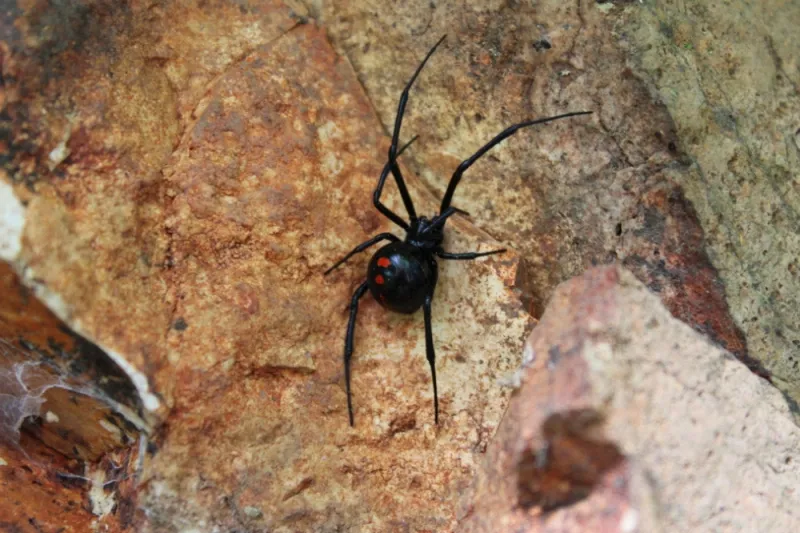
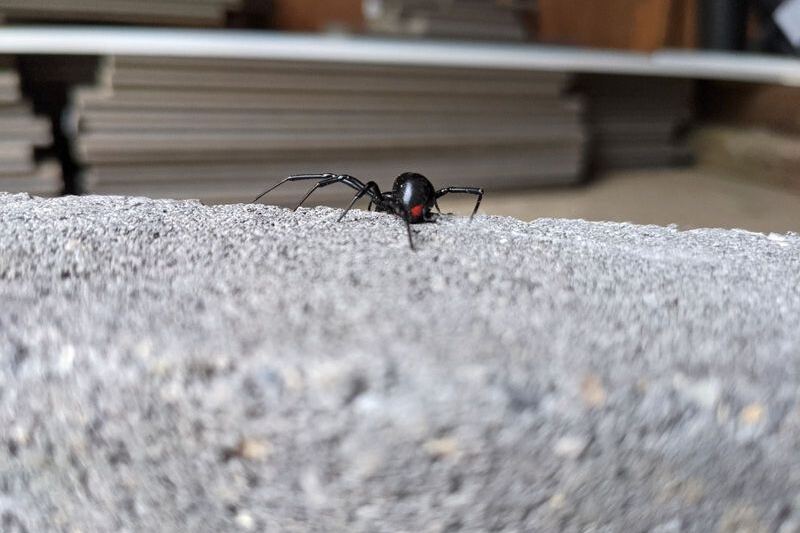
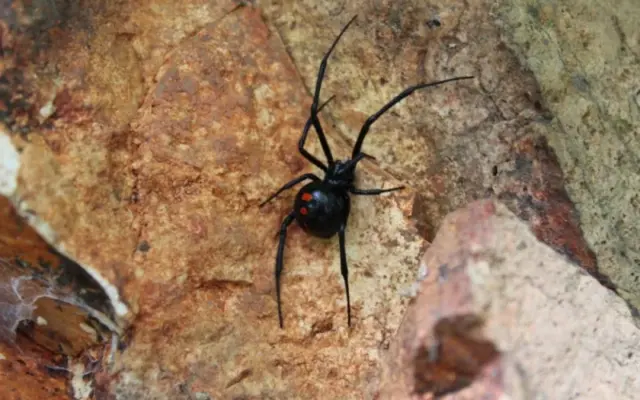
Yes, Massachusetts has black widows. The northern black widow lives here quietly, tucked into woodpiles, stone walls, and cluttered sheds.
You can spot it by its shiny black body and a broken red hourglass on the belly, sometimes with red spots along the back. Fall is when people start pulling firewood, flipping flowerpots, and reaching into storage bins, which is exactly where widows hide.
Bites are rare and rarely deadly, but the venom can cause painful muscle cramps and sweating. Wearing work gloves while stacking wood is a simple habit that makes a big difference.
Anyone bitten should get medical care, especially kids and older adults.
5. Yellow Sac Spider
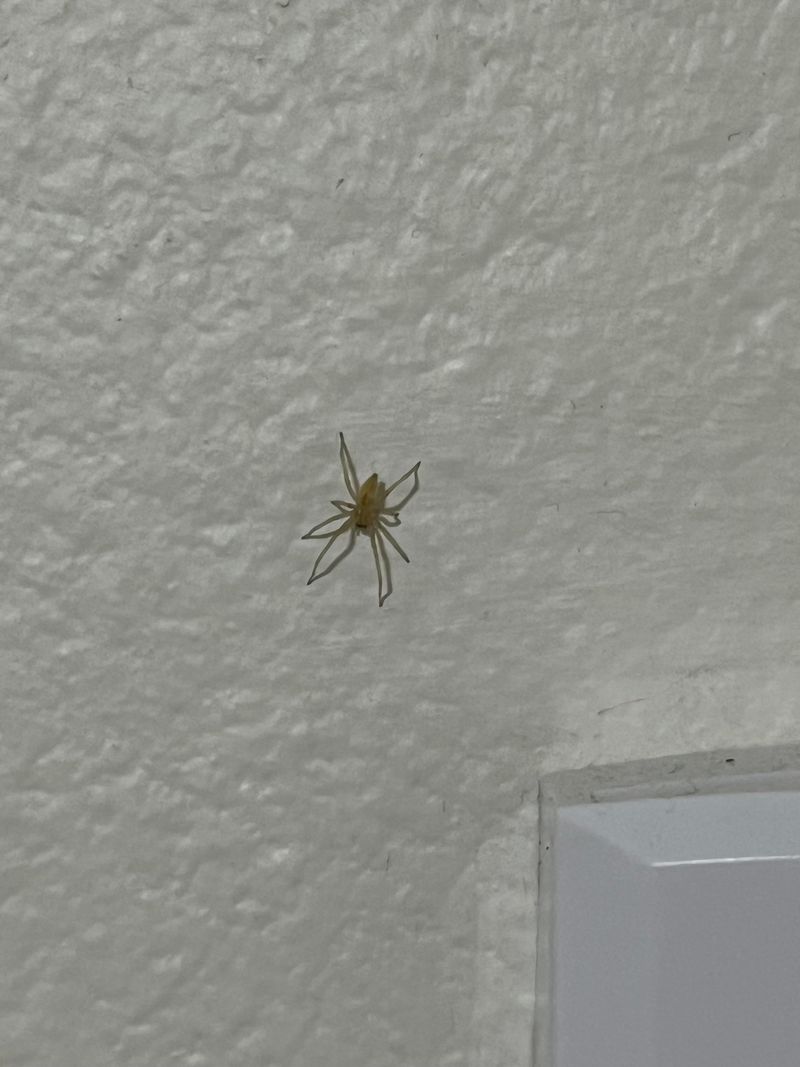
Small, pale, and fast, the yellow sac spider is the critter most likely to bite you inside your own house. Cooler nights push it indoors, where it wanders at night hunting tiny insects.
It does not spin big webs. Instead, it builds little silk pouches in ceiling corners and behind picture frames, then roams freely after dark.
Bites usually happen when the spider gets trapped in clothing or bedding. Expect a red, itchy bump that heals on its own in most cases.
Shaking out sweaters pulled from summer storage is a smart move.
6. Timber Rattlesnake
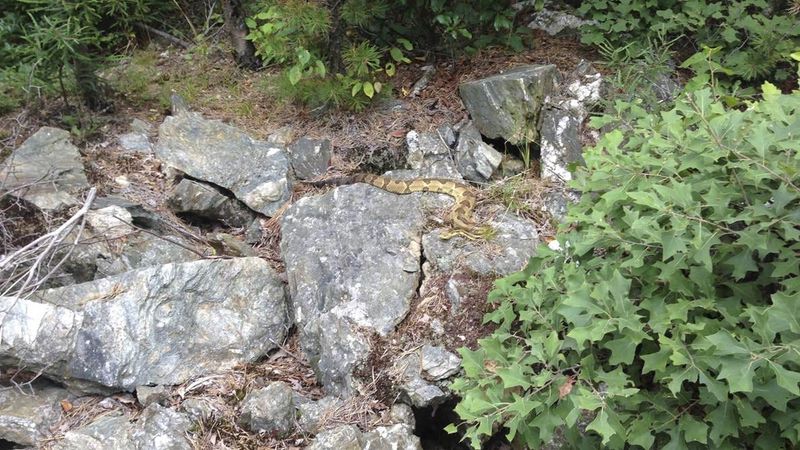
Few people realize a rattlesnake lives within sight of Boston’s skyline. Timber rattlesnakes survive in a handful of rocky spots, including the Blue Hills and parts of western Massachusetts.
Autumn is migration time for them. They travel back toward rocky dens, called hibernacula, and bask on sun-warmed ledges to soak up heat.
Timber rattlers are endangered in the state and protected by law, so harming one is illegal. They are calm snakes that would rather rattle and retreat than strike.
Stay on trails, watch where you put your hands while scrambling over rocks, and give any rattler plenty of room.
7. Northern Copperhead
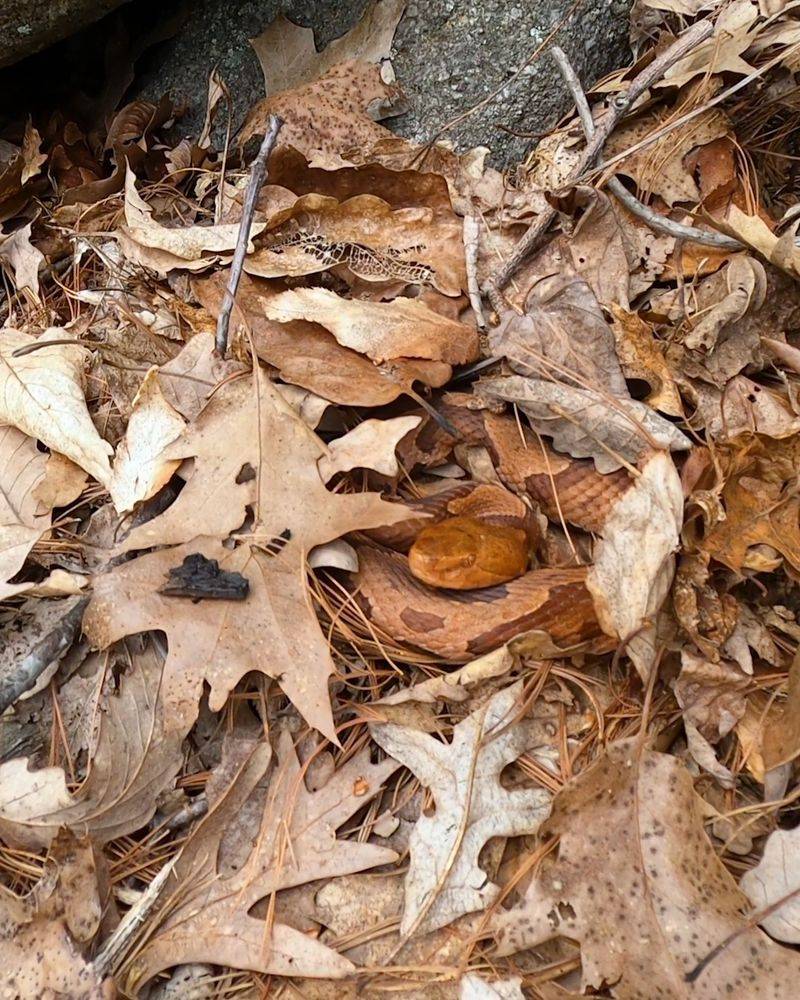
Leaf litter is the copperhead’s secret weapon. Its copper and tan hourglass bands blend almost perfectly into a carpet of fallen oak leaves.
In Massachusetts, copperheads are found in only a few rocky areas, mostly in the Connecticut River Valley and the Blue Hills region. Like rattlers, they head toward communal dens in fall and may be seen basking along the way.
Fun fact: young copperheads have bright yellow tail tips they wiggle like worms to lure frogs. Bites are painful but seldom life-threatening.
Hikers in those regions should wear sturdy boots and avoid stepping blindly into leaf piles near rocks.
8. Saddleback Caterpillar
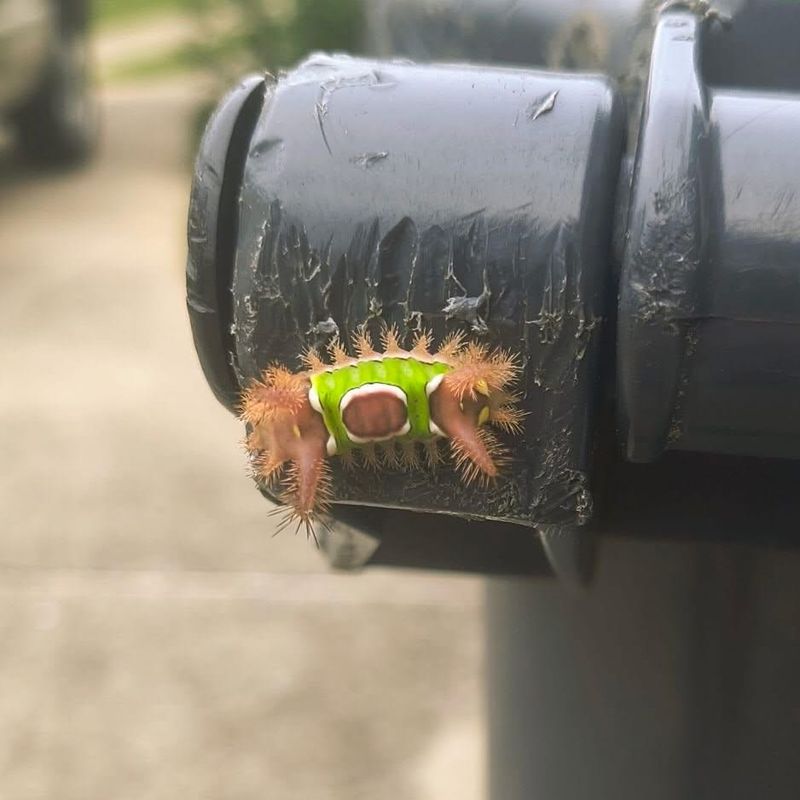
It looks like a tiny creature wearing a green saddle blanket. Cute, right?
Not to touch.
The saddleback caterpillar is covered in hollow spines that inject venom on contact. A brush against one can cause a burning sting, swelling, and sometimes nausea.
These caterpillars show up on garden plants, shrubs, and corn leaves in late summer and early fall. Kids love picking up caterpillars, so teach them this one is strictly look, not touch.
Pressing tape on the area pulls out stuck spines.
9. Hickory Tussock Moth Caterpillar
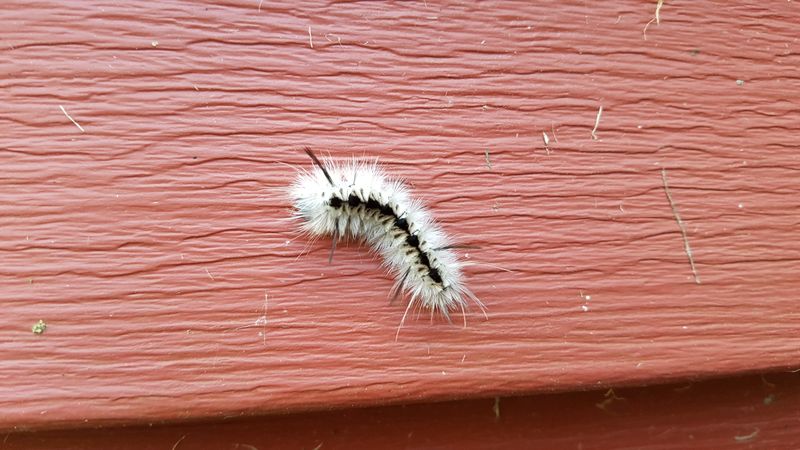
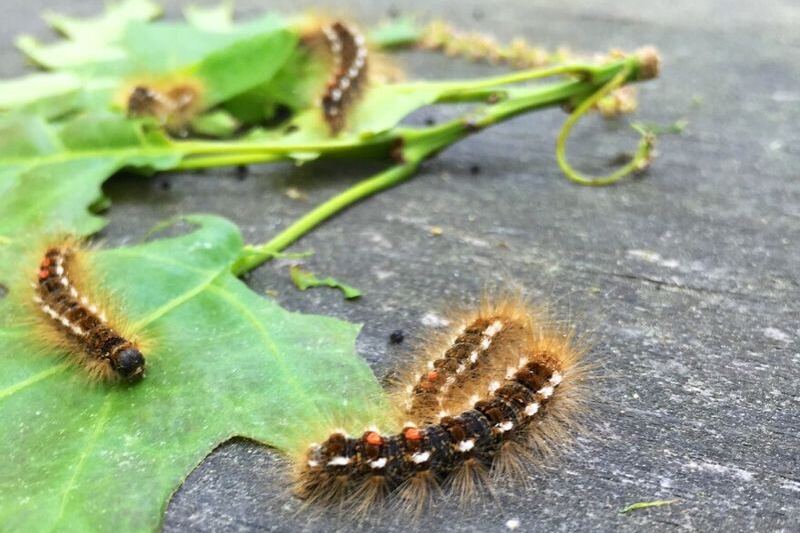
Every September, social media fills with photos of a fluffy white caterpillar with black tufts. People find them crawling on decks, sidewalks, and picnic tables all over the state.
Hickory tussock caterpillars are wandering to find a spot to spin a cocoon for winter. Their hairs can carry irritating chemicals that cause an itchy, burning rash for some people.
Reactions are usually mild, a lot like a nettle sting. Still, they look like a soft toy, which tempts little hands.
Use a leaf or stick to move one off your patio, and wash skin with soap if contact happens.
10. Short-Tailed Shrew
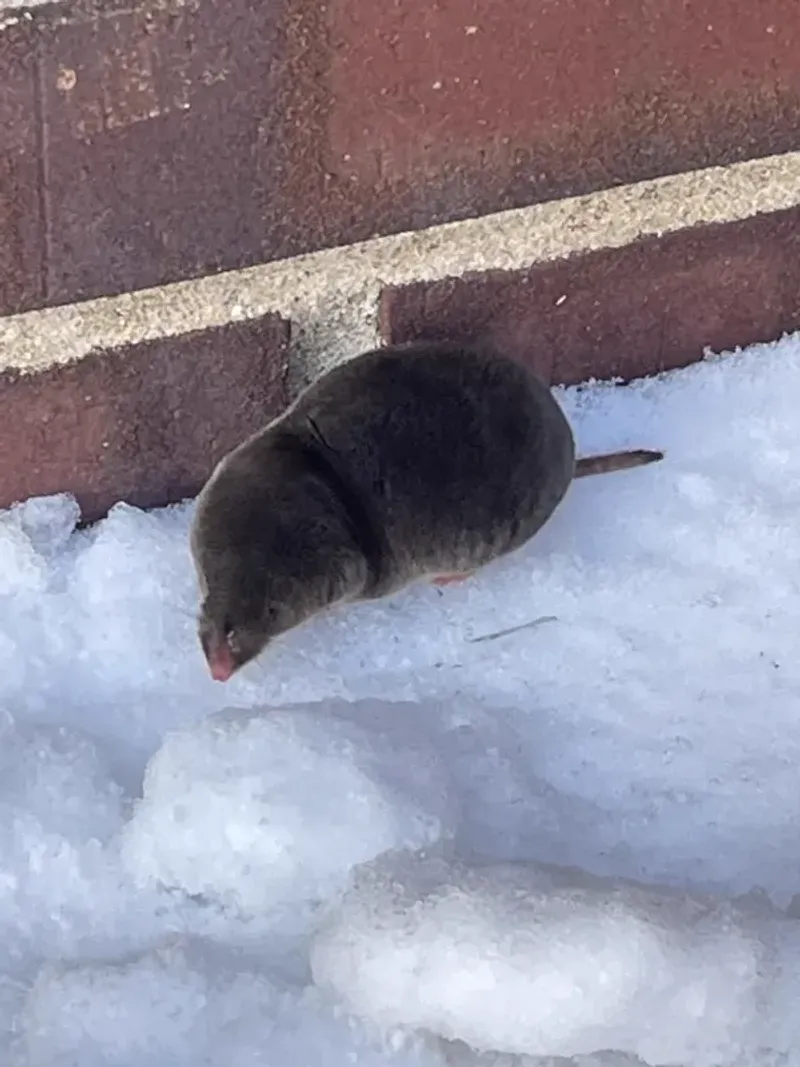
Here is a surprise to finish the list: a venomous mammal. The northern short-tailed shrew, a tiny gray furball, has toxic saliva that helps it paralyze prey like worms, insects, and even mice.
Shrews get busy in fall, tunneling through leaf litter and sometimes slipping into garages or basements. Cats often catch them and leave them on doorsteps as gifts.
A bite to a human hurts and may swell for a few days, but it is not dangerous. Just never pick one up bare-handed.
Honestly, having shrews around is a win, since they eat plenty of garden pests.
Share this story