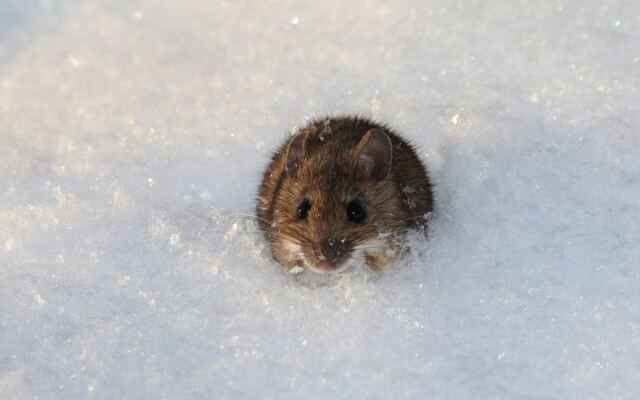
Minnesota snow hides more than a shrew. Voles and other small mammals can spend winter in the thin layer where snow meets the ground, and many of them stay active instead of sleeping.
Scientists call this hidden habitat the subnivean zone. Learning how it works helps you picture what is happening beneath your boots on a quiet January day.
The subnivean zone sits where snow meets the ground
Picture a field after the first big snowfall. On top, everything looks smooth and empty.
Underneath, right at ground level, there is a thin layer of living space called the subnivean zone.
The word subnivean simply means beneath the snow. The zone is the habitat at the ground and snow interface.
It is not a big hollow tunnel network running through the whole snowpack, which is a common picture people have in their heads. Most of the action happens in a narrow band close to the soil.
What makes that band usable? Grass stalks, leaf litter, fallen logs, rocks, and shrubs all hold the snow up a little as it settles.
That leaves small gaps and pathways around them. Animals can slip along these routes and find shelter from wind and cold without ever going above the surface.
Snow itself plays a role too. A U.S.
Forest Service biodiversity report describes how snow can moderate temperatures at the ground, though the effect varies with snow structure and conditions. Because every yard, marsh, and woodlot has different plants and different snow, the zone looks different from place to place.
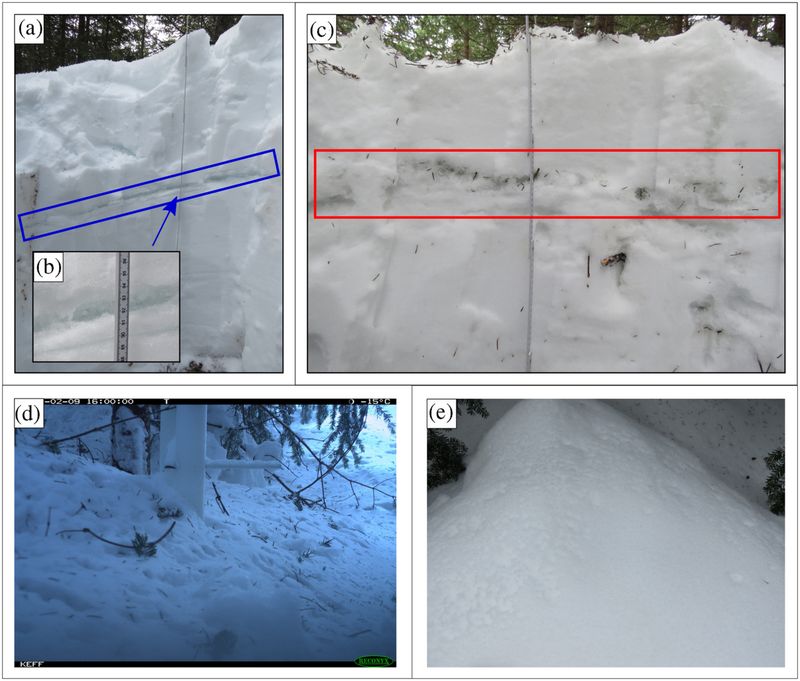
Scientists have also found ways to peek inside. A camera-trap study built for the subnivean environment opened up a view of this world that was long hidden from researchers.
Think of it as a small, cluttered crawl space, not a grand underground hallway.
Voles can travel and feed beneath the snow
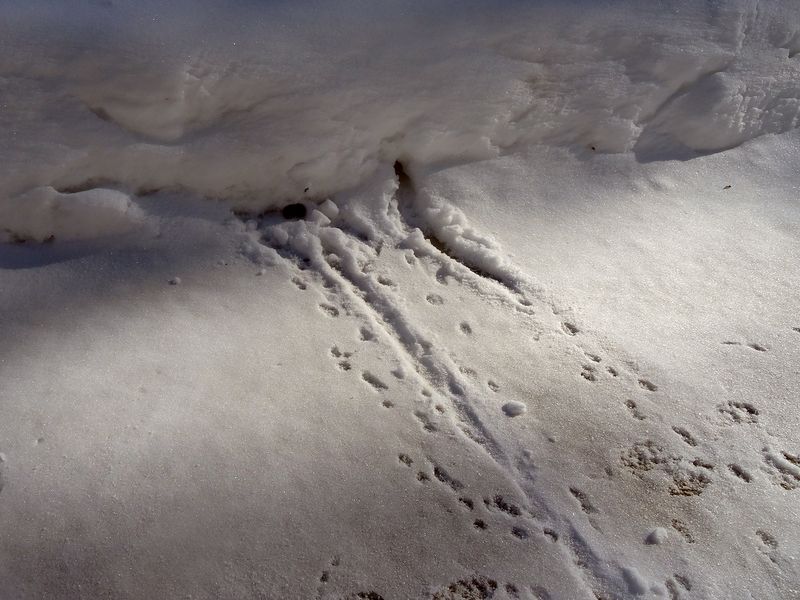
Ask the Minnesota DNR where voles spend winter and the answer is surprisingly simple: in vegetation at the ground surface, beneath the snow. The DNR’s page on mice, voles, and lemmings says voles and lemmings use this space during the cold months.
It also notes that the meadow vole is common across the state.
So while you are bundled up inside, a vole may be scooting along a grassy route under the white blanket. Small mammals there can travel and feed without crossing open, windy ground.
That is a big deal for an animal with a small body and a big appetite.
Voles are not the only animals tied to this habitat. The U.S.
Fish and Wildlife Service describes mice, voles, and shrews as using the subnivean world. That gives a sense of how many kinds of small animals can be linked to the space under snow.
Still, a few cautions matter. These examples do not mean every species in Minnesota lives beneath the snow all winter.
They also do not mean the animals are simply asleep. Voles are the active kind, busy foraging while the snow stays above them.
A shrew is not a mouse
Shrews fool people all the time. They are small, brown or gray, and quick, so many folks call them tiny mice.
They are not mice, and they are not rodents at all.
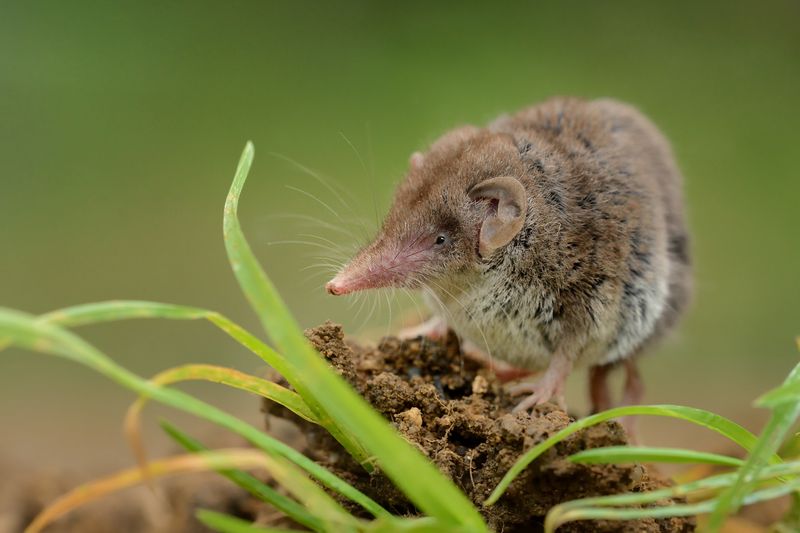
According to the Minnesota DNR, shrews are insect-eating mammals with pointed snouts. The DNR says they feed day and night and have very high food needs.
Their diet can include insects, earthworms, and even small mammals.
A quick way to tell the difference is the face. A mouse has a blunter nose and noticeable front teeth made for gnawing.
A shrew’s nose tapers to a point, like a tiny probing tool for sniffing out prey.
That nonstop feeding explains why shrews are good candidates for staying active in winter instead of sleeping. Researchers have caught hints of this life under the snow.
A camera-trap study in a subarctic habitat recorded an active shrew, a vole, and a stoat in the subnivean environment.
That study took place in a subarctic area, not in Minnesota. It shows that active animal life under snow is ecologically possible, which fits what Minnesota’s shrews and voles are known to do, but it is not a record of Minnesota animals.
Snow can shelter animals, but conditions vary
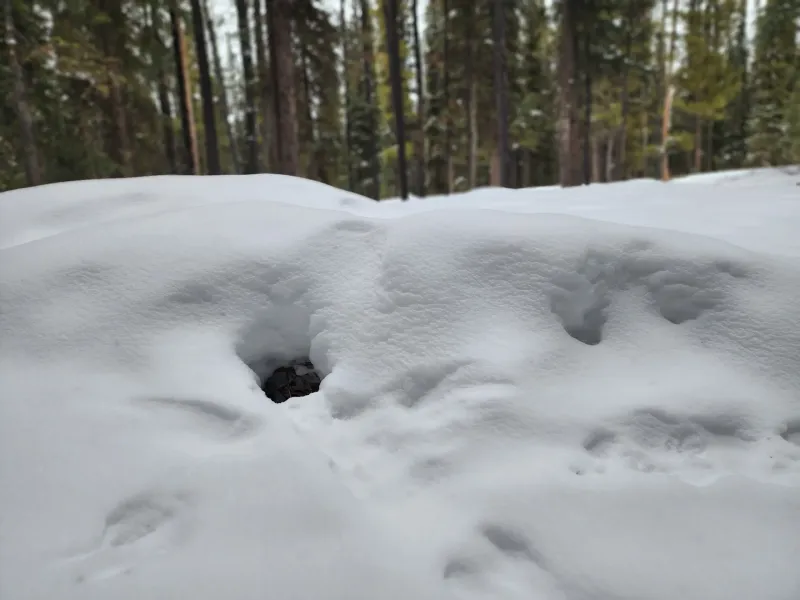
Snow works a bit like a blanket, though not a perfect one. It can soften the swings in temperature at the ground and cut the wind.
A U.S. Forest Service report describes this buffering effect, and it also describes its limits.
How well the blanket works depends on the snow itself. Fluffy snow traps air and insulates better.
Compacted snow can lose insulation and make it harder for small animals to move around. Where snow is thin or packed down, there may be little usable habitat left.
Depth alone does not settle the question. Vegetation, snow structure, and local features such as logs and brush all shape the space at the ground.
You may see numbers quoted for a magic snow depth or temperature, but no single figure works everywhere.
The shelter also comes with risks. Research on small rodents in Fennoscandia, published in the Journal of Animal Ecology, found that ice can limit access to food beneath the snow.
That work comes from northern Europe, so it is a reminder that the space is not risk-free, not a forecast for Minnesota.
A packed driveway edge and an untouched grassy field may offer very different conditions only a few steps apart.
Small mammals follow different winter routines
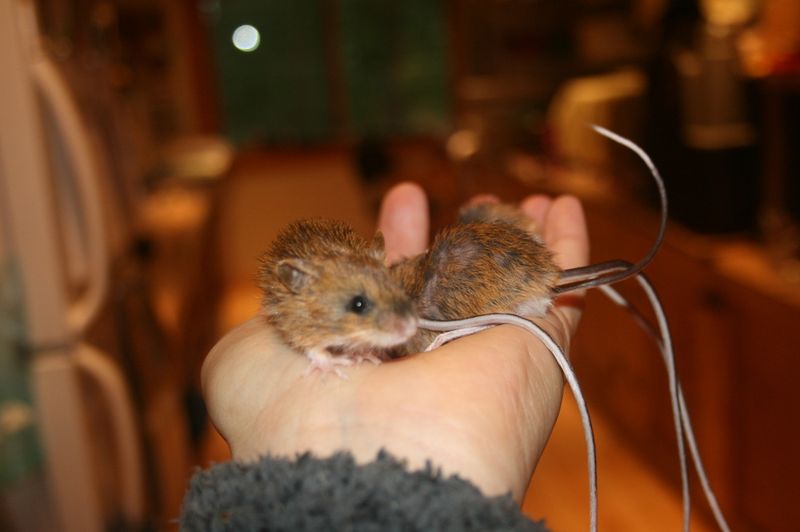
Lump all small mammals together and you will get winter wrong. Their routines vary a lot by species.
The Minnesota DNR says that meadow and woodland jumping mice hibernate. Those animals are truly asleep for the cold season, tucked away rather than scurrying beneath the snow.
The same DNR page says woodland voles spend most of their time under leaf litter, a different kind of cover at the ground.
That is why the word mice causes trouble. It covers animals with different lifestyles, and a jumping mouse has little in common with a vole when it comes to winter.
Even among voles, the exact hideout can change with the habitat, whether it is a grassy meadow or a leafy woodland floor.
Here is a handy way to think about it. Voles and shrews can stay active in winter.
Jumping mice hibernate. Other species may lean on leaf litter or other shelter instead of the snow layer.
So when you look at a snowy patch of Minnesota, no single story fits every animal living there. Some are awake and working, some are sleeping deeply, and some are using a different kind of cover altogether.
Look for vole signs after the snow melts
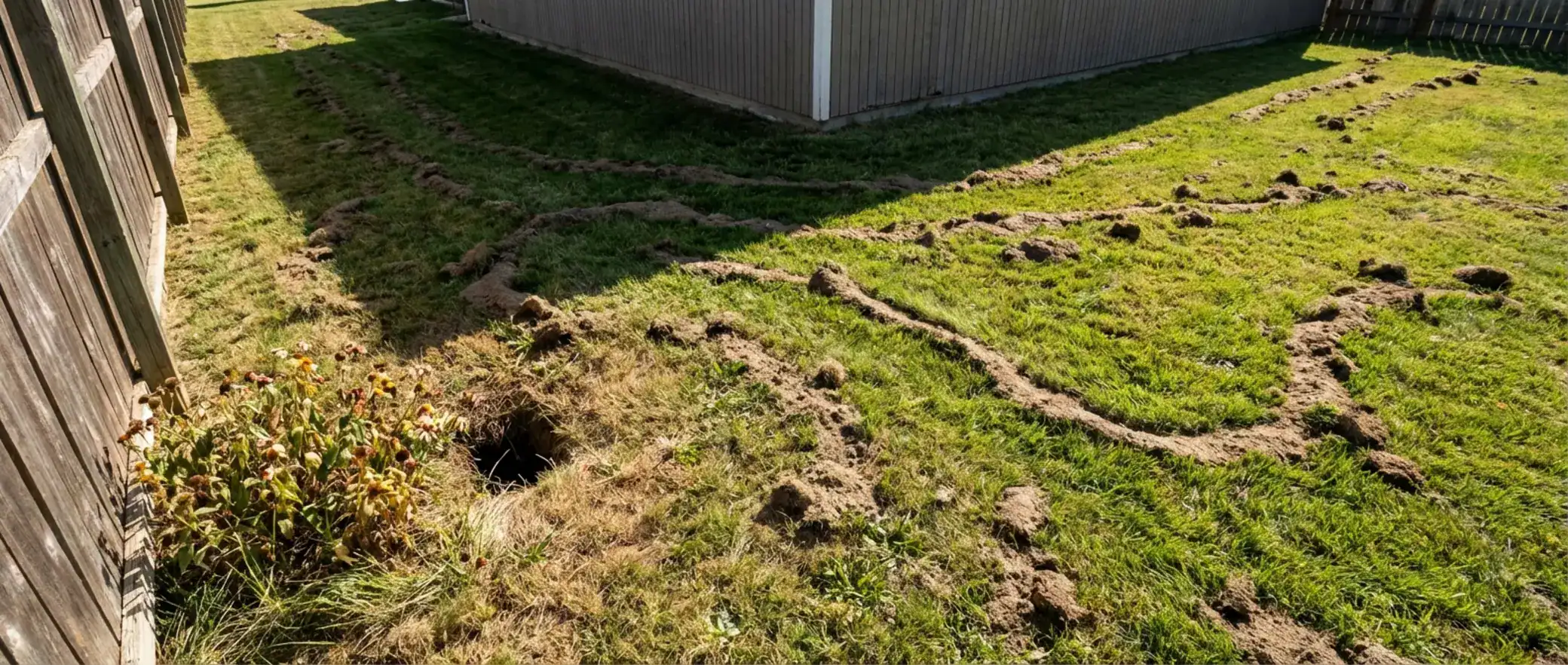
You cannot peek under the snow without wrecking it, and you should not try. Waiting for spring gives you a gentler window.
As the snow pulls back, clues that were hidden all winter can show up on the ground.
The Minnesota DNR notes that vole trails and nests may become visible after the snow melts. Look for winding runways pressed into the grass, like tiny footpaths that wander without any clear plan.
You might also spot small nests made of grass.
The best places to check are grassy edges, meadows, and unmowed patches. Walk slowly, stay on existing paths, and keep your hands off nests so you do not disturb the habitat.
A phone photo gives you a record without any impact.
Be careful about guessing too much. Not every crack, hole, or tunnel belongs to a vole.
Other animals, plant growth, and frost heaving can leave marks that look similar at a glance.
A good rule is to trust what you can clearly see, such as winding grassy trails and woven nests, and leave the rest as an open question. Matching clues with the right habitat builds confidence over time.
Beneath the snow, winter routines differ
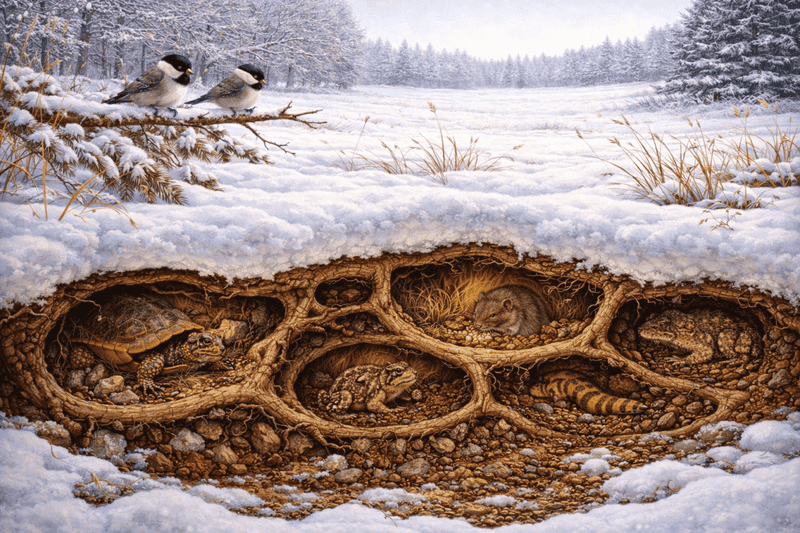
Subnivean simply means beneath the snow, and in Minnesota it points to the ground-level habitat where voles and some other small mammals can stay active. How much shelter it gives depends on snow structure, compaction, and local features, and not every species uses it the same way.
Next time snow settles over a field, remember the busy ground-level world beneath it. The quiet surface is only half the story.
Share this story