Get the latest garden guides in your inbox →
Gardening Latest
  • General Gardening
  • Lawn Care
  • Plant Care
  • Composting
  • Soil Health
  • Backyard
  • Garden Muse Magazine
  • General Gardening
  • Lawn Care
  • Plant Care
  • Composting
  • Soil Health
  • Backyard
  • Garden Muse Magazine
  • News
  • Gardening Calendar
  • Garden Structures
  • Vegetable Garden
  • Vertical Garden
  • Raised Beds
  • Hydroponics
  • General Equipment
  • Community Gardens
Garden Themes
  • Spiritual Garden
  • Hydroseeding
  • Seeding and Laying Sod
  • Artificial Grass
  • Lawn Care Equipment
  • Plants
  • Trees
  • Planting Tools
  • Composting Basics
  • Fertilizer
  • Alternative Growing Mediums
  • Front Yard
  • Backyard Activities
  • Landscaping
Gardening Latest

Explore by state

Which state is your garden in?

All states

Northeast

  • Connecticut —
  • Delaware 16
  • Maine —
  • Maryland 3
  • Massachusetts 18
  • New Hampshire —
  • New Jersey 3
  • New York 12
  • Pennsylvania 12
  • Rhode Island —
  • Vermont —

Southeast

  • Alabama 3
  • Arkansas —
  • Florida 3
  • Georgia 3
  • Kentucky 16
  • Louisiana 2
  • Mississippi —
  • North Carolina 1
  • South Carolina 15
  • Tennessee —
  • Virginia 2
  • West Virginia —

Midwest

  • Illinois 2
  • Indiana 4
  • Iowa 15
  • Kansas —
  • Michigan 3
  • Minnesota 2
  • Missouri 2
  • Nebraska —
  • North Dakota —
  • Ohio 3
  • South Dakota —
  • Wisconsin 17

Southwest

  • Arizona 3
  • Colorado —
  • Nevada —
  • New Mexico —
  • Oklahoma —
  • Texas 2
  • Utah —

West

  • Alaska —
  • California 3
  • Hawaii —
  • Idaho —
  • Montana —
  • Oregon —
  • Washington —
  • Wyoming —

No state matches that search.

Site menu

Gardening Latest
  • General Gardening
    • News
    • Gardening Calendar
    • Garden Structures
    • Vegetable Garden
    • Vertical Garden
    • Raised Beds
    • Hydroponics
    • General Equipment
    • Community Gardens
    Garden Themes
    • Spiritual Garden
  • Lawn Care
    • Hydroseeding
    • Seeding and Laying Sod
    • Artificial Grass
    • Lawn Care Equipment
  • Plant Care
    • Plants
    • Trees
    • Planting Tools
  • Composting
    • Composting Basics
  • Soil Health
    • Fertilizer
    • Alternative Growing Mediums
  • Backyard
    • Front Yard
    • Backyard Activities
    • Landscaping
  • Garden Muse Magazine

Explore

  • About GardeningLatest.com
  • Contact Us

Get the latest from the garden

New guides on lawn care, plants and backyard projects, sent when they go up.

Subscribe →

Follow

  • Facebook
  • X
  • Pinterest
  • YouTube
Lawn and Garden Maintenance

Can I Use Compost for Top Dressing?

Yes, you can use compost for top dressing. Indeed, it is an excellent top dressing for your lawn and can be far…

By Keith Hardy

September 14, 2026 · 4 min read

Can I Use Compost for Top Dressing?

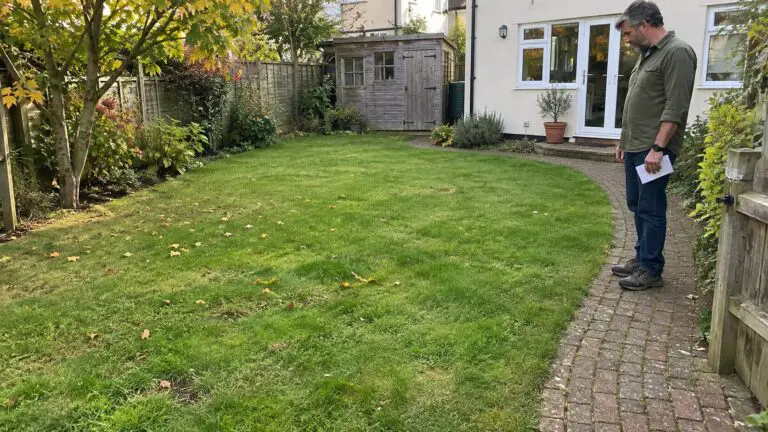
Yes, you can use compost for top dressing. Indeed, it is an excellent top dressing for your lawn and can be far better than commercially bought top dressings, especially if it is prepared correctly before use.

It is essential to ensure that the compost you use for top dressing is weed-free and that any larger pieces are removed. Below we will look at how you can prepare your compost for use as a top dressing so that your lawn can get the most nourishment possible.

Table of Contents
  • Why Does Compost Make Good Top Dressing?
  • How to Apply Compost for Top Dressing to Your Lawn
  • Can You Use Compost for Top Dressing Lawns?
  • Commercial or Self-Made Compost for Top Dressing
  • Notes:

At a glance

Filed under
Lawn and Garden Maintenance
Read
4 minutes
Published
September 14, 2026

Why Does Compost Make Good Top Dressing?

Compost is good for soil development, and top dressing is a soil development technique. It is an organic material that is full of nutrients, together with microbes, protozoa, beneficial fungi, and good nematodes, which feed and nourish the soil so that your lawn thrives.

Using compost with some sand mixed in can also help the lawn by allowing it to retain moisture, again important to maintain strong grass growth.

Adding a thin layer of compost for top dressing will make your lawn healthier and can prevent lawn diseases because of the nitrogen contained within the compost. It can also help with lawn care as the microorganisms contained in the compost will help break down thick thatch, allowing the lawn to breathe.

How to Apply Compost for Top Dressing to Your Lawn

Compost for Top Dressing

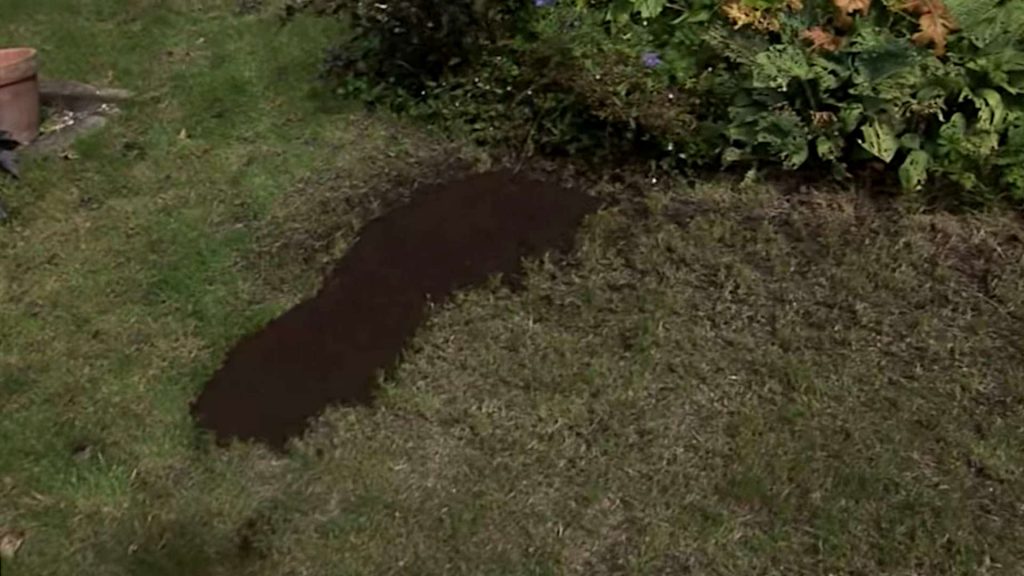
You should apply compost as top dressing in small 1/4-inch layers. For sandy soils, you should increase the depth of the layer to around 1⁄2 inch. Make sure that you spread the materials out evenly with a rake and then work them into the top inch of your soil.[1]

If you have clay-type soil, you will need to mix around an inch of compost for top dressing into the top couple of inches of soil. Again spread it evenly with a rake and work it well into the soil.

The advantage of purchasing a commercial top dressing is that it is ready to put down and should do the job you require of feeding and improving your lawn.

After you have added the even layer of top dressing and worked it into the surface water the ground well.

You should be careful not to put too much top dressing on. Generally, a 1⁄4 to 1⁄2 inch in depth is enough going to an inch if the soil is clay-type and particularly compact. If you add too much top dressing, you will find that after watering it can sink.

The application rates for top dressing your lawn will largely depend on the type of soil you have. Usually, top dressing lawns should only be done once a year at the most, and every two years is probably nearer to where you should be in terms of application rates.

Can You Use Compost for Top Dressing Lawns?

Compost is one of the best top dressing solutions for your lawn and provides you with control over exactly what you are putting on your lawn as opposed to commercially bought solutions.

Compost and top dressing are terms that are often used interchangeably in terms of adding them to your lawn. Top dressing is the application of compost to the lawn in a layer approximately 10-15mm thick.

Compost, in general, is an organic product and a soil conditioner. It is made from a variety of ingredients including green waste, manure, straw, grass clippings, and shredded paper. Compost has a rich organic structure, is very dark in color, smells earthy, and is friable to the touch.

If using compost it should be screened to remove larger particles, but it will still contain lots of ‘fines’ which are particles less than 2mm in diameter.

Using compost for top dressing is particularly beneficial for lawns as it contains millions of beneficial bacteria, fungi, protozoa, and often earthworms. These organisms help to break down organic and inorganic materials, releasing nutrients, improving soil structure, and making the soil more friable.

Commercial or Self-Made Compost for Top Dressing

You can purchase specifically formulated top dressing from most Garden Centers. These products do a great job, tending to be high in nutrients, peat-free, and often containing a high percentage of sand, which can help with drainage. 

The advantage of purchasing a commercial top dressing is that it is ready to put down and should do the job you require of feeding and improving your lawn.

The disadvantage is that you are paying for something that, if you are a keen gardener, you can easily produce yourself.

With self-made compost for top dressing, you get to control exactly what is going on your lawn. You can determine what goes into the finished compost. You can adjust the pH levels to suit your soil and know that the nutrients are completely organic. You even can decide on whether you want any sand content.

The disadvantage is that you have to prepare the compost for it to act as top dressing. Filtering out the larger pieces and adding sand if you need it. This tends to be worthwhile though because of the control you have over the content and production, shaping the top dressing to the needs of your particular lawn.

Notes:

[1] University of Tennesse: Turfgrass Maintenance Topdressing

Tagged
  • compost

Share this story

Written by

Keith Hardy

More from Keith Hardy →

Keith has been involved in the gardening and landscaping industry fro the past 21 years. From a jobbing gardener to running his own landscaping services. He is now dedicated to bringing you the latest in gardening news.

About Gardening Latest

Gardening Latest provides in-depth guides to maintaining and enhancing your garden and backyard. Learn how to make the most of the space you have and create a beautiful garden.

More about us →

Latest stories

  • Wisconsin GardeningWhy Is a Red Fox Crossing Your Wisconsin Yard This Winter? Some Possible Explanations

    Why Is a Red Fox Crossing Your Wisconsin Yard This Winter? Some Possible Explanations

    1 hr ago
  • Iowa GardeningWhy Pulling Creeping Charlie Once Rarely Brings Lasting Control in Iowa Lawns

    Why Pulling Creeping Charlie Once Rarely Brings Lasting Control in Iowa Lawns

    1 hr ago
  • Massachusetts GardeningMassachusetts Law Says This About Cutting Your Neighbor’s Overhanging Tree Branches Before Winter Storms Hit

    Massachusetts Law Says This About Cutting Your Neighbor’s Overhanging Tree Branches Before Winter Storms Hit

    2 hr ago
  • Delaware GardeningCan Your Delaware Neighbor’s Tree Branches Legally Hang Over Your Yard? Here’s What the Law Actually Says

    Can Your Delaware Neighbor’s Tree Branches Legally Hang Over Your Yard? Here’s What the Law Actually Says

    2 hr ago
  • Kentucky GardeningCan You Legally Cut Your Neighbor’s Tree Branches Hanging Over Your Kentucky Fence? Here’s the Answer

    Can You Legally Cut Your Neighbor’s Tree Branches Hanging Over Your Kentucky Fence? Here’s the Answer

    2 hr ago

Gardening by state

Stories for your state, and the hardiness zone most of it gardens in.

Keep exploring

Read next

All Lawn and Garden Maintenance →
Lawn CareFall Lawn Care: A Practical Plan for Your Grass Type
Lawn Care

Fall Lawn Care: A Practical Plan for Your Grass Type

Sep 21
Lawn CareWhat Are the Benefits of Adding Lime to Your Lawn?
Lawn Care

What Are the Benefits of Adding Lime to Your Lawn?

Apr 26, 2024
Lawn Care9 Proven Ways to Speed Up Grass Seed Germination
Lawn Care

9 Proven Ways to Speed Up Grass Seed Germination

Jul 28

More from Lawn and Garden Maintenance

  • Benefits of Using Earthworm Castings for Your Lawn

    Apr 28, 2024
  • Choosing the Right Grass in Texas for the Perfect Lone Star Lawn

    Oct 17, 2023
Back to top
Gardening Latest

In-depth guides to maintaining and enhancing your garden and backyard: how to make the most of the space you have, and how to make it beautiful.

  • Facebook
  • X
  • Pinterest
  • YouTube

We may earn a portion of sales from products or services that are purchased through our site as part of our affiliate partnerships with retailers.

Explore

  • About GardeningLatest.com
  • Contact Us
  • Terms and Conditions
  • Privacy
  • Editorial Note:
  • FTC Disclosure

Newsletter

New garden guides and seasonal tips, straight to your inbox.

We’ll email you a link to confirm. Unsubscribe any time.

Almost there! Check your inbox and tap the link to confirm.

© 2026 Gardening Latest. All rights reserved.

Back to top

Last Updated on September 14, 2026