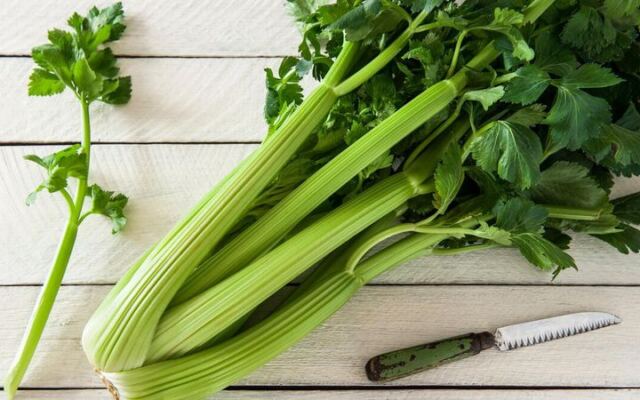
Celery is a crunchy, watery vegetable that adds a few calories, some fiber, and a little potassium to whatever you eat it with. For most people, a daily stalk or two is a light nutritional boost, not a dramatic body makeover.
Celery grows easily in backyard plots and shows up at farm stands and grocery stores, so it is easy to see why people wonder what a regular habit might do. Here is what a serving really provides, what studies do and do not show, and a few safety points worth knowing.
What a serving of celery provides
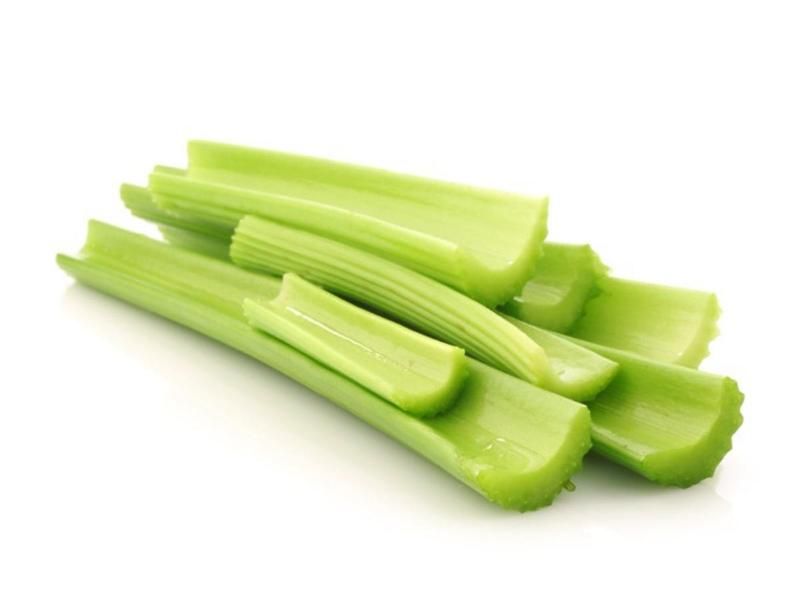
Start with the numbers. According to FDA reference values, two medium raw celery stalks (110 g) provide 15 calories, 2 g of fiber, 260 mg of potassium, and 115 mg of sodium.
That is a small amount of energy for a lot of crunch. Most of a celery stalk is water, which is why it feels light and fresh.
The fiber is a helpful bit of bulk, and the potassium is a mineral the body uses every day.
The sodium is worth a glance too. Celery has some naturally, though 115 mg is modest.
It can change quickly if the stalks are paired with salty dips, cheese spreads, or heavily seasoned toppings, so what goes on the celery often matters more than the celery itself.
These figures describe what celery contributes to a day of eating. They are nutritional contributions, not predictions of a change in health or in how your body works.
Two stalks will not transform anyone’s blood pressure or energy on their own, and nothing in these reference values says they will.
One more point about the headline. The sources reviewed for this article do not document how often Delawareans eat celery, so a daily habit across the state is unverified.
What can be said is that celery is a common garden vegetable here, and its nutrition is easy to look up.
Think of a serving as a low-calorie way to add a vegetable to a snack, soup, or salad. That is a reasonable role, and a perfectly useful one.
Make room for a variety of vegetables
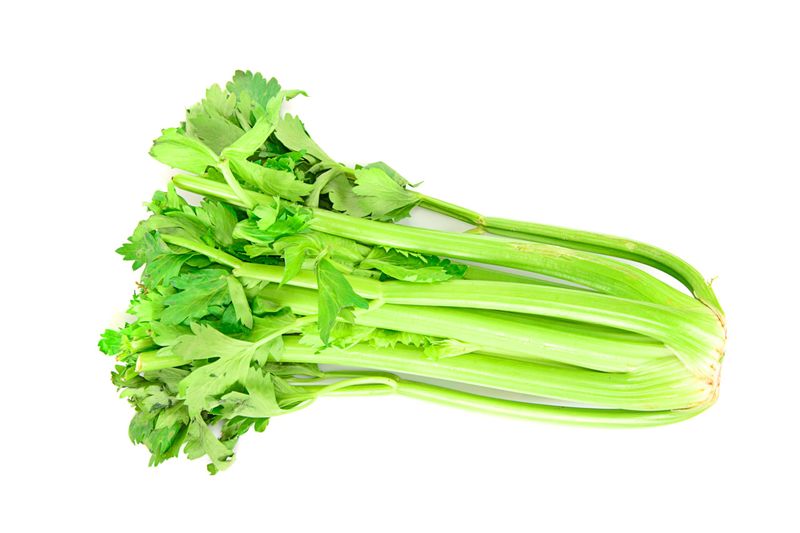
Picture a farm stand table in late summer. Celery sits next to tomatoes, peppers, beans, and greens, and each one brings something a little different.
Celery counts toward vegetable intake, but general dietary guidance leans toward eating a variety of vegetables rather than leaning on one. A federal summary of the Dietary Guidelines encourages whole vegetables, raw or cooked, and suggests limiting juice.
That last point matters for anyone drawn to celery juice. Juice leaves behind much of the fiber you get from chewing a whole stalk, and the guidance favors the whole vegetable.
The reviewed guidance does not set a celery-specific daily target. There is no number of stalks that everyone should eat, so nobody needs to chase a quota.
Guidance focuses on total vegetable intake and on mixing up the types you eat.
In practice, celery can be one of several vegetables that show up in a week. Maybe it is chopped into a soup on Monday and sliced for a lunch box on Thursday, while other days feature different vegetables entirely.
If you enjoy celery, there is no reason to skip it. Just let it share the plate with other vegetables instead of replacing them.
What celery studies can—and cannot—show
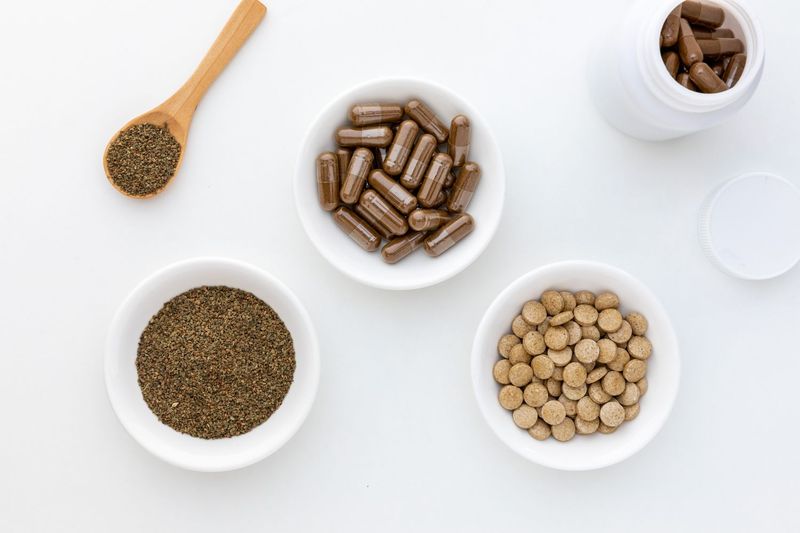
Headlines about celery often come from studies of celery preparations, such as extracts or powders, not from people munching on stalks. That difference is the key to reading the research.
A 2025 meta-analysis pooled 10 randomized trials involving 511 adults. It reported possible improvements in blood pressure, fasting glucose, and triglycerides from celery preparations.
The word possible matters here. The results varied a lot from study to study (researchers call this heterogeneity), and the individual studies were small.
The authors called for larger, longer trials. The same analysis found no overall effects on total cholesterol, LDL, or HDL.
The preparations and doses in those trials are not interchangeable with a serving of ordinary raw stalks. So the findings do not show that eating celery every day lowers blood pressure, blood sugar, or triglycerides, and celery is not a proven treatment for any of them.
Observational research adds another piece. The INTERMAP study found an association between cooked celery intake and blood pressure.
An association means the two things showed up together in the data. It does not prove that celery caused lower blood pressure, because people who eat more cooked vegetables may also differ in many other habits.
Taken together, these studies are interesting leads, not instructions.
Detox claims lack compelling evidence
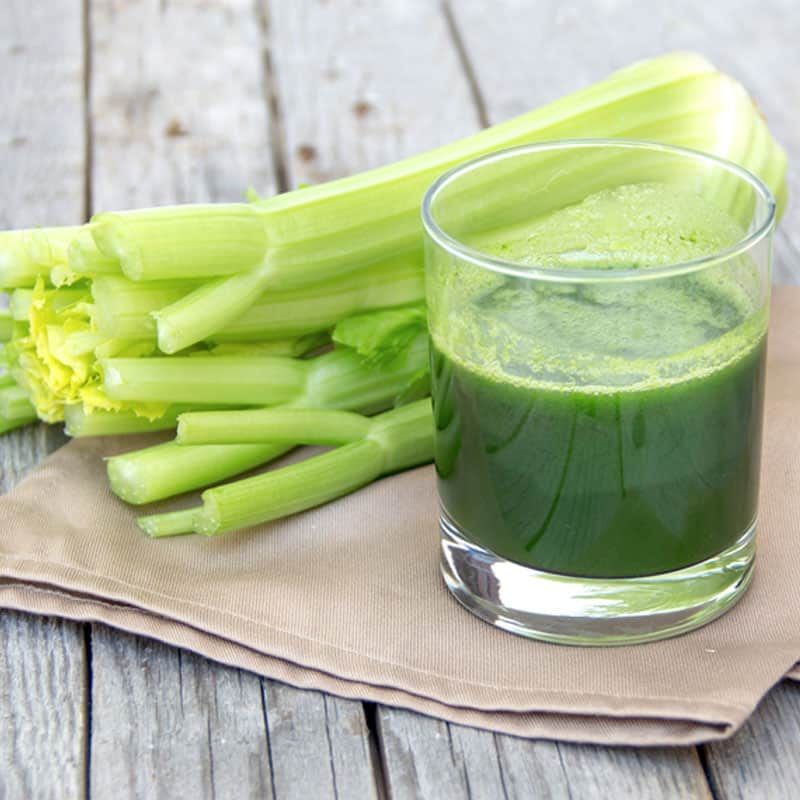
Celery juice is often sold as a cleanse. The promise sounds simple: drink it, and your body gets rid of toxins.
The National Center for Complementary and Integrative Health says research on detox programs in people is limited and generally low quality. It also finds no compelling evidence that detox diets eliminate toxins.
That means there is no good basis for saying celery or celery juice detoxes the body, removes unspecified toxins, or treats or reverses disease. The claim is not backed up, and the vague word toxins is often a clue that a product is promising more than it can deliver.
None of this makes celery a bad food. It simply means celery belongs on the plate as a vegetable, not as a cure.
If you take prescribed medicine or are managing a health condition, keep following your care plan. Do not replace prescribed care with celery, celery juice, or supplements.
Cleanse approaches can carry risks, so it is smart to talk with a health-care provider before trying one.
When medication or kidney conditions matter
For most people, celery is an easygoing food. A couple of health situations call for a little more care, though.
If you take warfarin, vitamin K is the nutrient to watch. The NIH Office of Dietary Supplements advises keeping vitamin K intake consistent rather than making sudden changes.
Celery contains vitamin K, but leafy greens are more prominent sources.
A practical example: if you suddenly started eating celery daily when you rarely did before, mention it to your clinician. Anyone planning to substantially change their regular intake should check first.
Potassium is the other point. The NIH potassium fact sheet explains that typical food intake is not ordinarily a concern for healthy people.
Celery’s 260 mg per two medium stalks is a modest amount.
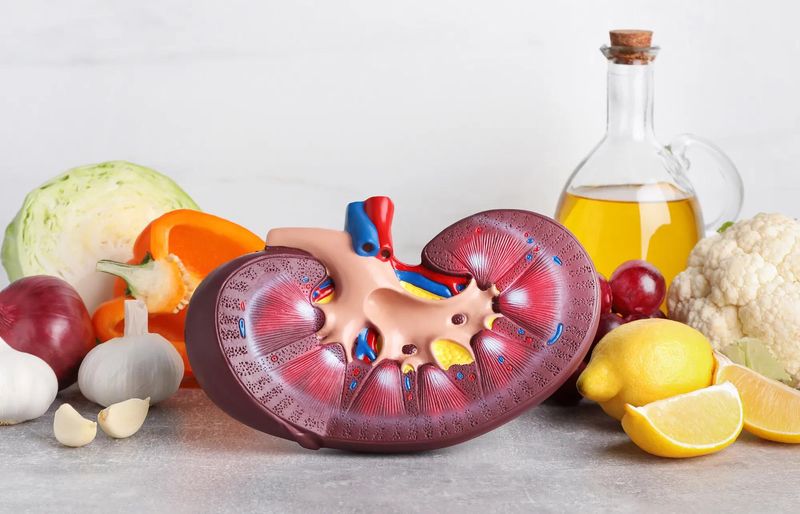
People with chronic kidney disease, certain other conditions, or certain medications can develop high blood potassium even from typical food intake. If that describes you, ask your clinician or a dietitian what is right for you.
The takeaway is not to avoid celery. It is to match your habits to your own health picture and ask when you are unsure.
Know the allergy signs and wash celery safely
Some people notice an itchy mouth after biting into raw celery. That can be a pollen-food allergy, and the American College of Allergy, Asthma and Immunology notes that raw celery can trigger these symptoms in some people with hay fever.
Symptoms beyond the mouth, such as hives, swelling, trouble breathing, or stomach upset, can signal a risk of a serious allergic reaction. If that happens, stop eating it and get medical help promptly.
An allergist can help sort out what is going on.
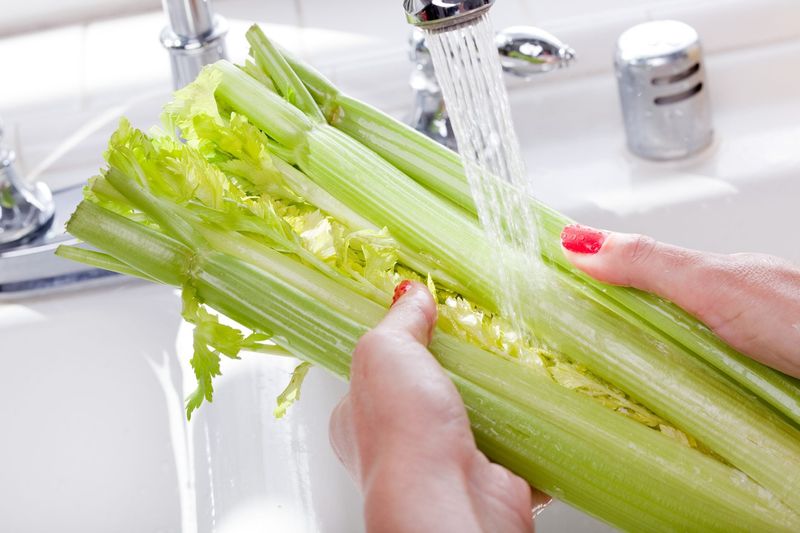
Now to washing. Celery from a grocery store, a farm stand, or your own backyard bed should all get the same treatment, according to FDA produce safety advice.
Wash it under running water before eating or cutting it. Do not use soap, detergent, or commercial produce wash.
Rinsing reduces bacteria but does not eliminate it. Garden soil tends to cling between the ribs of the stalk, so rub the surface and rinse the grooves well.
Washing before you slice also keeps surface germs from being carried in by the knife.
A practical takeaway
Celery can be one part of a varied diet. Two medium raw stalks bring 15 calories, 2 g of fiber, 260 mg of potassium, and 115 mg of sodium, and federal dietary guidance favors variety over any single vegetable.
The reviewed evidence does not establish a special effect from eating ordinary celery stalks every day. The sources also do not establish how often Delawareans eat celery, so the daily habit in the headline stays unverified.
A crisp stalk is a fine snack. It just is not a miracle.
Share this story