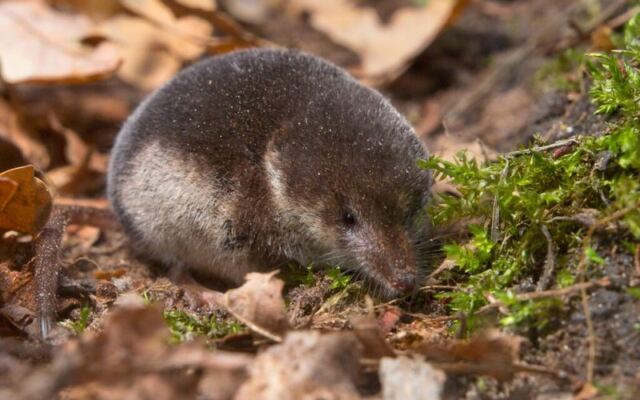
Venom is a word most Tennesseans link with copperheads, rattlesnakes, and spiders. Yet one small mammal that may slip through your garden has a toxic secret in its saliva.
Researchers have studied it in a lab, and what they found is surprising, though it is not a reason for panic. Before you worry about the next gray blur in your tomato bed, here is what is known, what is still unknown, and how to stay safe.
A gray garden sighting does not identify the shrew
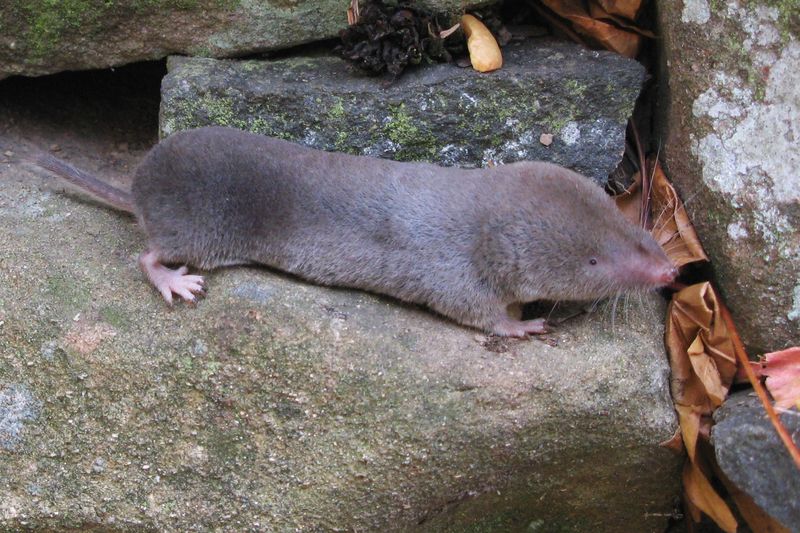
Spot a small gray animal darting between mulch and tomato stakes, and you might guess you know exactly what it is. Not so fast.
Tennessee has more than one look-alike shrew, and a quick glimpse tells you very little.
The Tennessee Wildlife Resources Agency places the northern short-tailed shrew in middle and eastern Tennessee. It also lists the southern short-tailed shrew in the state as a similar species.
TWRA’s species page cautions that the two can be hard to tell apart without looking at skull and dental features, sometimes with expert help.
That means color is no help at all. A gray coat fits both animals, and plenty of other small mammals can look gray at a glance too.
Even a careful photo from the porch will not settle it.
The venom question adds another wrinkle. The evidence is strongest for the northern species.
For the southern one, the picture is murkier: one university-hosted species account says its saliva had not been tested in experiments, while another species summary leans on older reports and resemblance to its northern cousin.
So the honest answer for a backyard sighting is simple. You may be looking at a shrew with documented toxic saliva, or you may not.
Without an expert exam, nobody can say which.
What researchers found in northern short-tailed shrew saliva
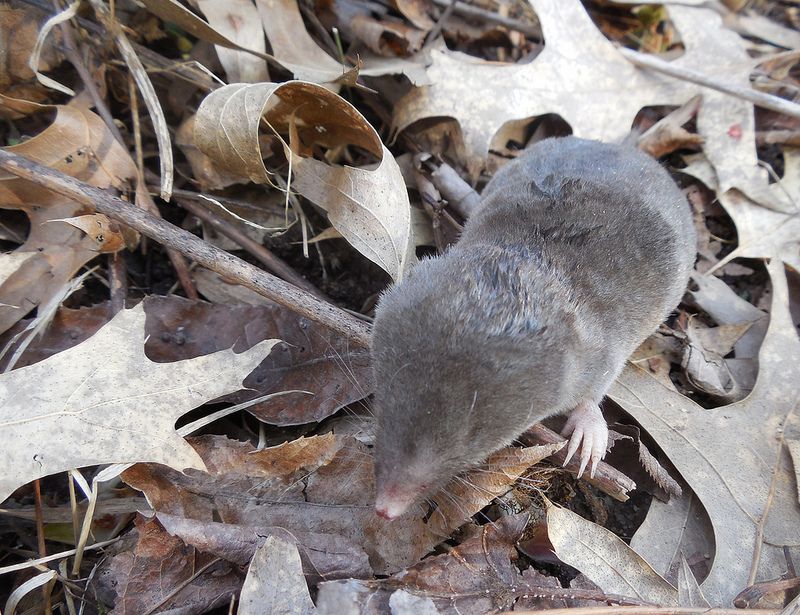
Scientists have looked closely at the northern short-tailed shrew, Blarina brevicauda, and found something unusual for a mammal. In a study published in PNAS, researchers isolated and characterized a toxin from the animal’s salivary glands.
They named it Blarina toxin.
Experiments then tested what the toxin does. It showed toxic effects in laboratory animals, which backs up the old idea that this shrew uses its saliva to help overpower prey.
That gives us solid footing for two statements. The northern short-tailed shrew’s saliva is toxic, and its bite can fairly be called venomous.
It also helps to know where the evidence stops. The work centered on the northern species, so it does not prove that every short-tailed shrew in Tennessee has equally confirmed venom.
And it does not show that the toxin acts on people the same way it acts on test animals.
Think of it like a recipe tested in one kitchen. It tells you the dish works there, but you would not promise the same result in every oven without trying it.
How the shrew delivers venom remains uncertain
Word choice matters here. A poisonous animal is harmful when you touch or eat it.
A venomous animal delivers its toxin through a bite or sting, and that is the right label for this shrew’s toxic saliva.
Picture a snake and you might imagine hollow fangs working like tiny needles. Shrews are different.
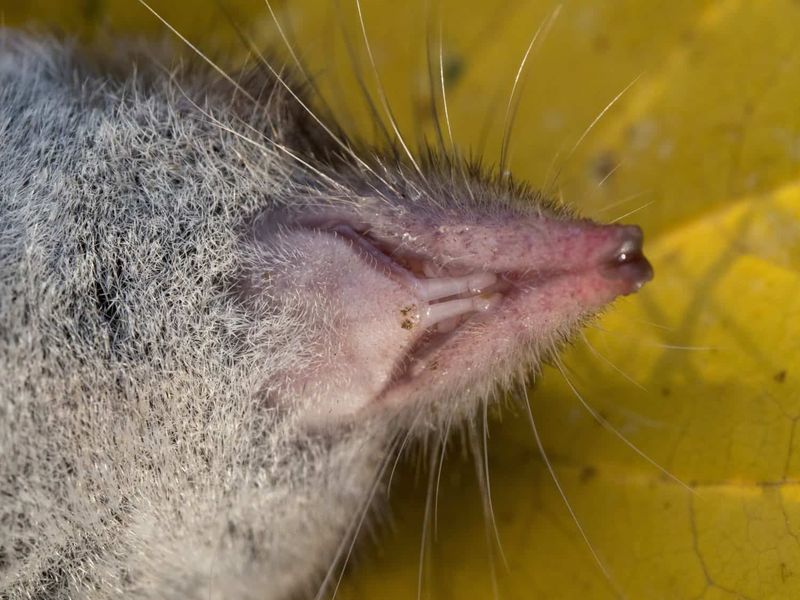
A scientific review of venom in shrew relatives says their teeth are not grooved, and the ways venom might travel from saliva into a victim have not been tested.
So how does it happen? Researchers have ideas, but ideas are not proof.
Nobody can yet say that a shrew injects venom the way a rattlesnake does.
For a gardener, the practical lesson is to skip the dramatic mental picture. There is no confirmed needle-like injection to fear, and no confirmed mechanism to dismiss either.
What is known is that saliva with a toxin in it can end up in a wound, and the details are still being worked out.
Animal toxicity does not establish a deadly human threat
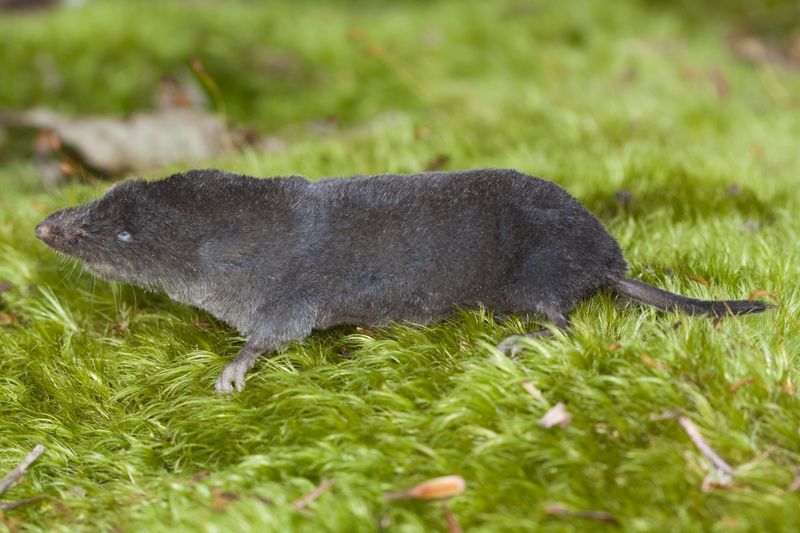
Headlines love a scary venom story, but the lab work behind this one involved animals. The toxin showed its effects in laboratory animals, and that is a different thing from showing what happens to a person.
The same paper mentions reports of local burning and swelling after human bites. Those accounts are worth knowing about, yet they are thin.
They do not show that a shrew bite is typically life-threatening. They also do not show that a bite is harmless.
Both of those claims would go further than the evidence allows.
Where does that leave you? In the middle, which is an honest place to be.
Shrews are not proven killers of people, and they are not proven to be nothing to worry about.
A sensible response treats a bite the way you would treat any wildlife bite: take it seriously, clean it, and ask a professional. Panic is not called for, and a shrug is not either.
A shrew’s garden habitat and diet
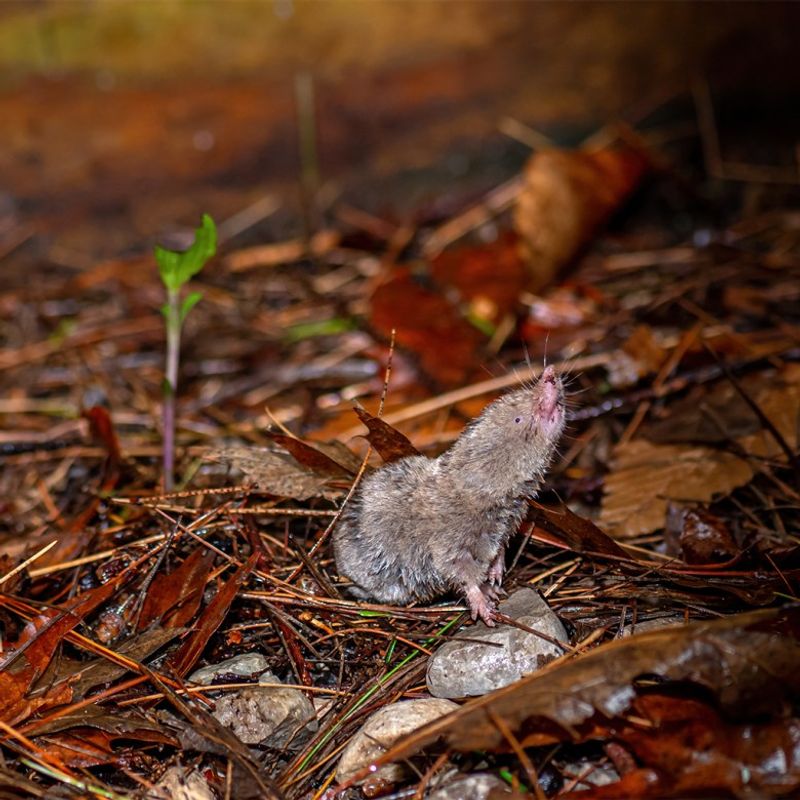
Shrews turn up where the ground stays damp and cover is easy to find. According to TWRA, northern short-tailed shrews use grasslands, brushlands, field edges, and moist areas.
A garden bordered by tall grass or a mulched bed can look a lot like that.
The menu is wide. Spiders, centipedes, snails, earthworms, and insect larvae are among the main foods.
Shrews also take occasional vertebrate prey, and they eat some plant foods too.
That variety is why the label of insect-eater falls short. It is also why shrews are not usually pictured as serious garden-plant pests.
A shrew rooting through leaf litter for a snail is not the same as a rabbit working through your lettuce.
For a gardener, the takeaway is practical. A shrew near your beds is likely following food and moisture, hunting the small creatures that live in soil and mulch.
It is simply going about its busy day.
The measurements do not support the thumb-size claim
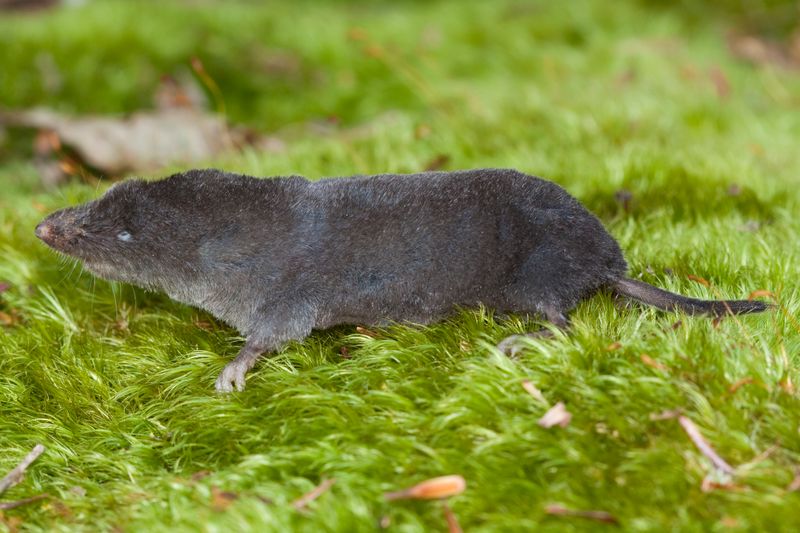
The headline promised an animal smaller than your thumb. The numbers say otherwise.
TWRA lists the northern short-tailed shrew’s body length at 3.7 to 5 inches.
The tail is counted separately, at 0.7 to 1.0 inch. That gives you a body measurement and a short tail, which fits the name.
Hold your hand out and compare. A thumb is a few inches long at most, so a shrew at the top of that range stretches well beyond it.
Add the tail and the gap grows.
The animal is still small and quick, easy to miss under a flowerpot or along a fence line. But small does not mean thumb-sized.
Knowing the real size can also help you judge what you saw, since a creature much tinier than these figures may be something else entirely.
Keep your distance and wash bites or scratches promptly
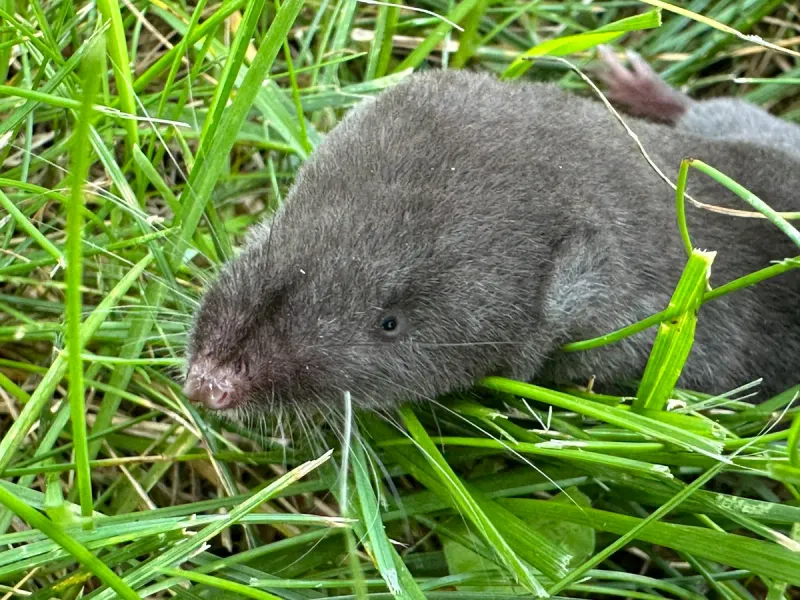
If a shrew crosses your path, let it go on its way. Never pick up or corner a wild one, even to get a better look or a photo.
CDC guidance on wildlife recommends keeping your distance from wild animals.
Cornered animals defend themselves, and a bite or scratch is the usual result. Wear gloves when you work in brushy corners, and keep pets and children back from small critters in the mulch.
If someone is bitten or scratched, wash the wound promptly with soap and water. Then contact a healthcare or public-health professional.
CDC rabies guidance explains that a professional can assess wound care and any rabies-related concern. That step is routine for wildlife bites, and shrews are not known as rabies carriers.
A gray flash in the garden calls for caution, not panic and not handling. Watch from a few steps back, and the shrew will keep hunting snails and keep its secrets.
Share this story