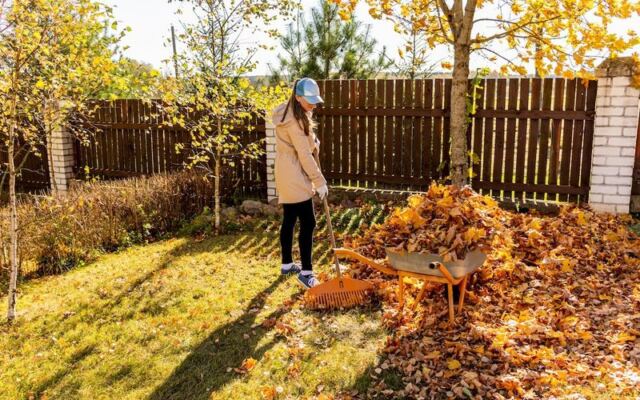
A big pile of oak and maple leaves looks harmless, but it can be a cozy hideout for creatures that bite or sting. In late fall, many animals in Massachusetts crawl under leaves to stay warm before winter.
When you rake, you might be pulling the roof right off their shelter. Knowing who lives under there can help you rake smarter and stay safe.
1. Timber Rattlesnake
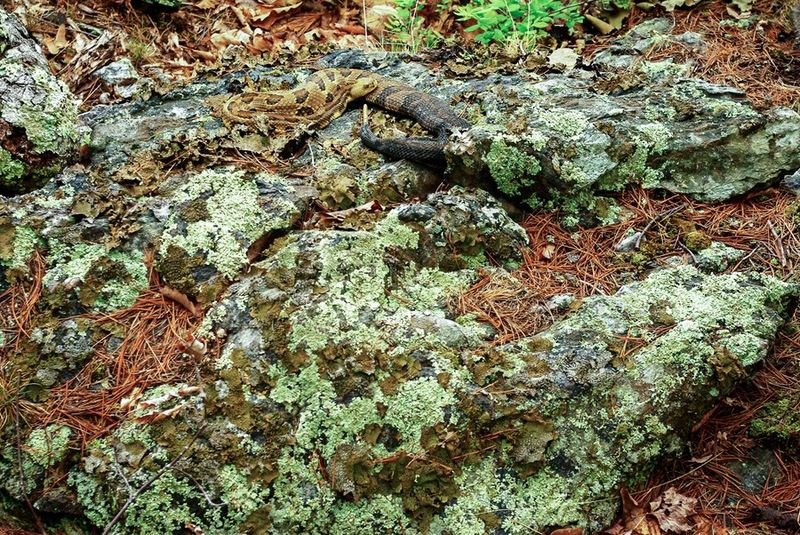
Picture a rare visitor wearing a camouflage suit that blends perfectly with dead oak leaves. The timber rattlesnake is one of only two venomous snakes in Massachusetts, and it is listed as endangered in the state.
Most people will never meet one. They live in a few rocky, wooded areas, such as parts of the Blue Hills and western Massachusetts hills.
Homes that back up to ledges or forests in those regions are the most likely spots for a surprise encounter.
By late fall, rattlesnakes head toward their winter dens, so a sluggish one could pass through a leafy yard. If you hear a buzzing rattle, step back slowly and give it lots of space.
Never try to move or kill it, since the species is protected by law, and call local wildlife officials if it needs relocating.
2. Northern Copperhead
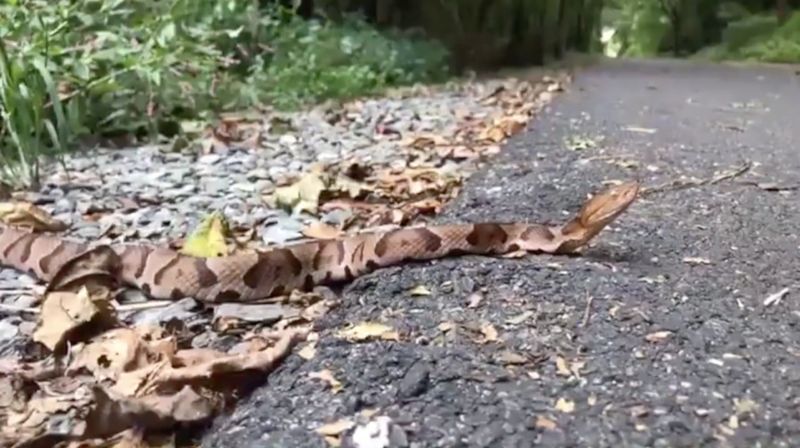
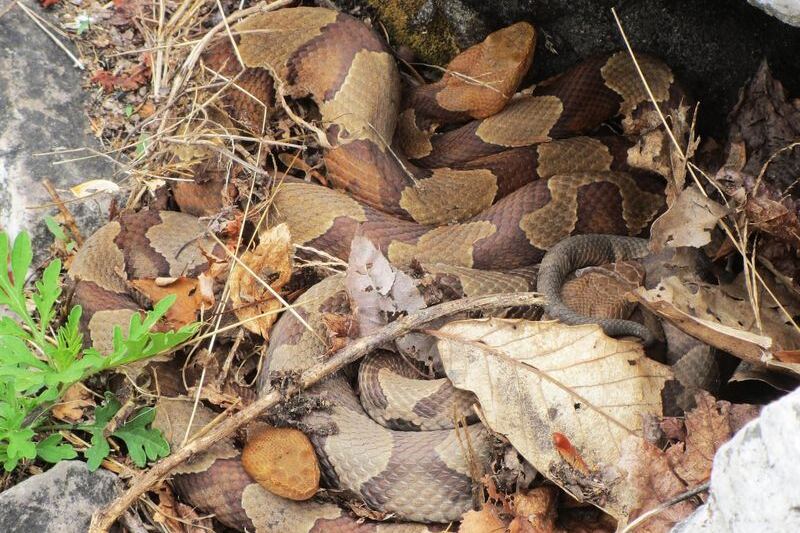
Hourglass shapes, copper colors, and a talent for vanishing into leaf litter. That is the northern copperhead in a nutshell.
Massachusetts copperheads are even rarer than rattlesnakes, found mostly in a handful of spots along the Connecticut River Valley and a few rocky areas. Their coloring matches autumn leaves so well that people sometimes almost step on them.
Unlike rattlers, they give no warning sound before they strike.
Thankfully, copperhead bites are rarely deadly, though they hurt and need medical care right away. Wearing sturdy boots and using a long rake instead of your hands keeps you a safe distance away.
If you live near one of their known areas, scan the pile before you scoop it.
3. Yellowjackets
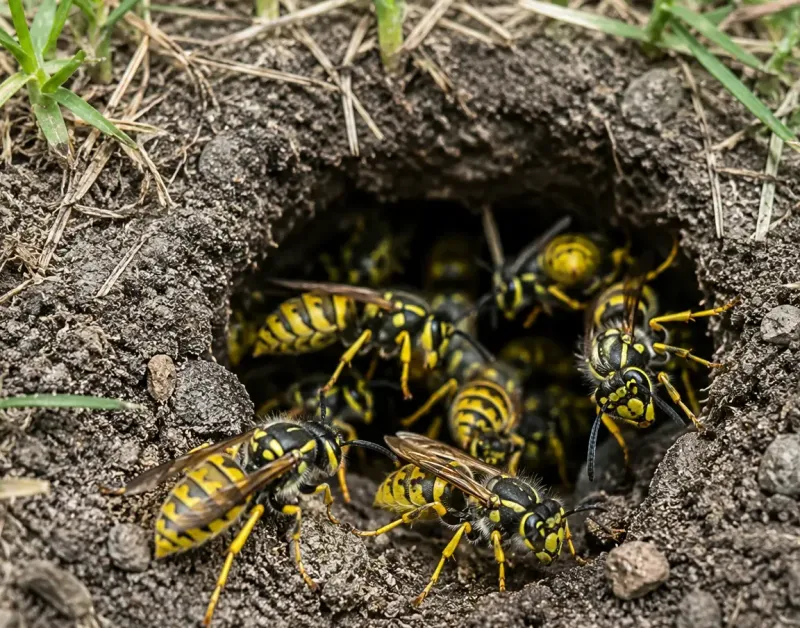
Ask any landscaper about their worst fall day, and the story often starts with a rake and ends with a sprint. Yellowjackets build nests in the ground, and leaves can hide the entrance hole completely.
Late fall is when these wasps are at their crankiest. Their colonies are big, food is running low, and they defend the nest hard.
Unlike honeybees, a single yellowjacket can sting again and again.
Watch for a steady stream of wasps flying in and out of one spot in the lawn. If you find a nest, mark it and rake elsewhere until a hard freeze kills off most of the colony.
Anyone with a sting allergy should keep their medicine close while doing yard work.
4. Black Widow Spiders
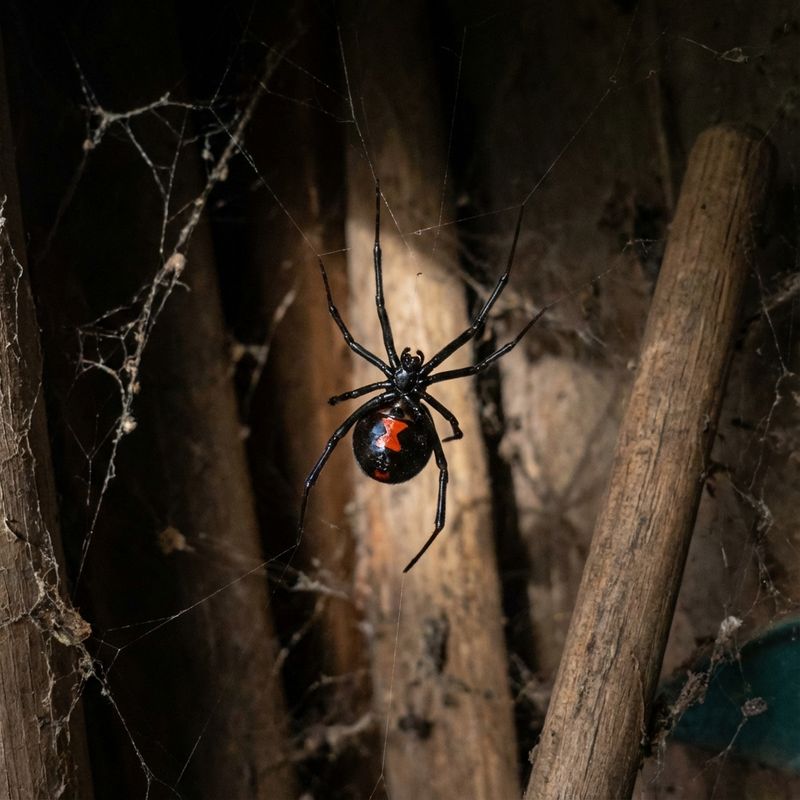
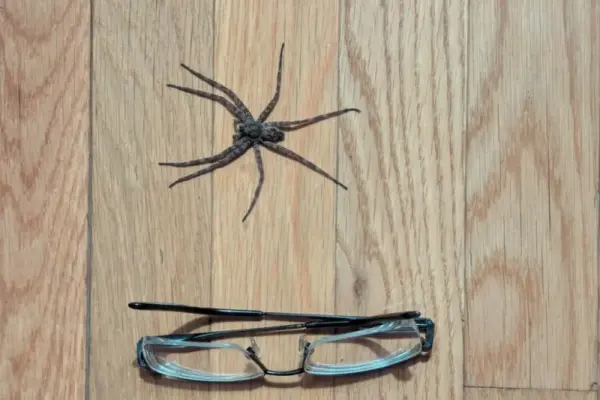
Shiny, black, and marked with a red hourglass, the northern black widow looks like it came straight out of a Halloween decoration aisle. Yes, they really do live in Massachusetts.
These spiders like dark, quiet places such as woodpiles, stone walls, old flower pots, and the bottom of leaf piles that have sat for weeks. They are shy and bite only when pressed against skin, like when you grab a handful of leaves without gloves.
A bite can cause muscle cramps and pain, and it deserves a call to a doctor. Good news, though: serious cases are uncommon.
Thick work gloves are the simplest shield you can buy for fall cleanup.
5. Bald-Faced Hornets
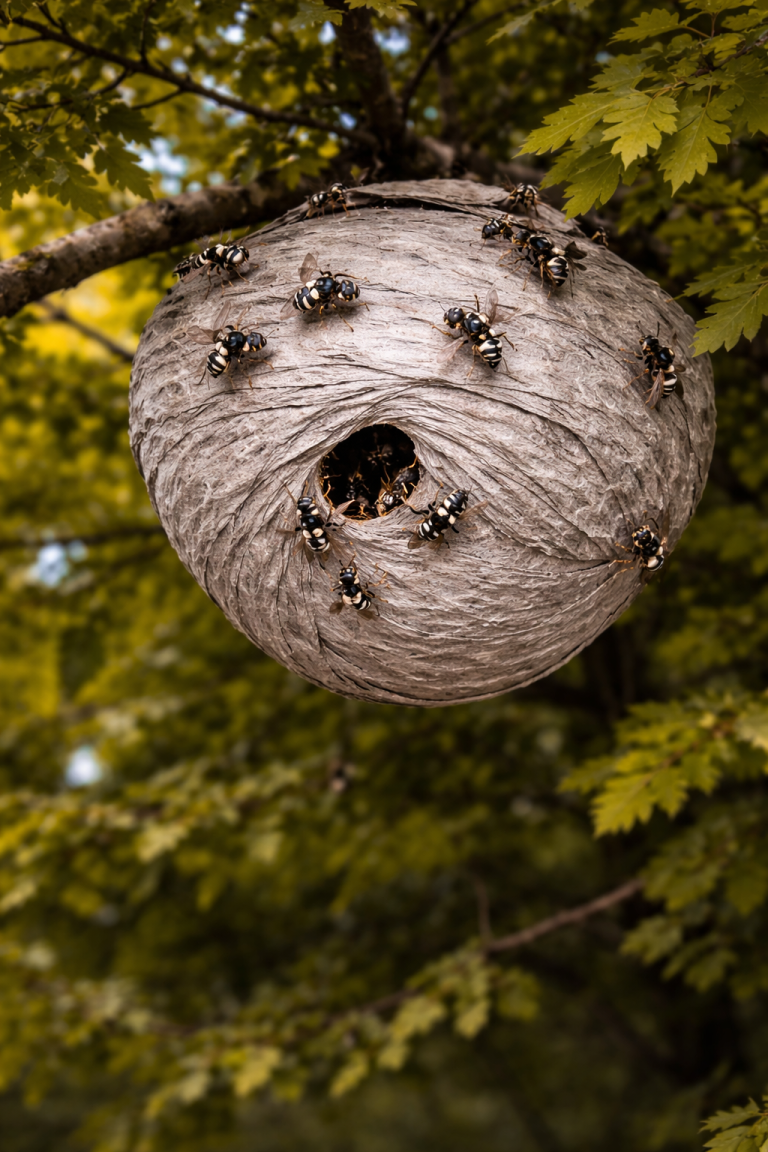
Once the leaves drop, something new appears in the bushes: a gray paper ball the size of a football. Bald-faced hornets build these nests all summer, and many homeowners only spot them in fall.
Rakes and leaf blowers can bump low shrubs, and that is when trouble starts. These black and white insects are actually a type of yellowjacket, and they guard their homes fiercely.
Vibration and noise can send dozens flying out at once.
Fun fact: these nests are made from chewed wood mixed with saliva, basically homemade paper. After several freezing nights, the nest is usually empty and safe to remove.
Until then, keep your blower pointed away from it.
6. Northern Short-Tailed Shrew
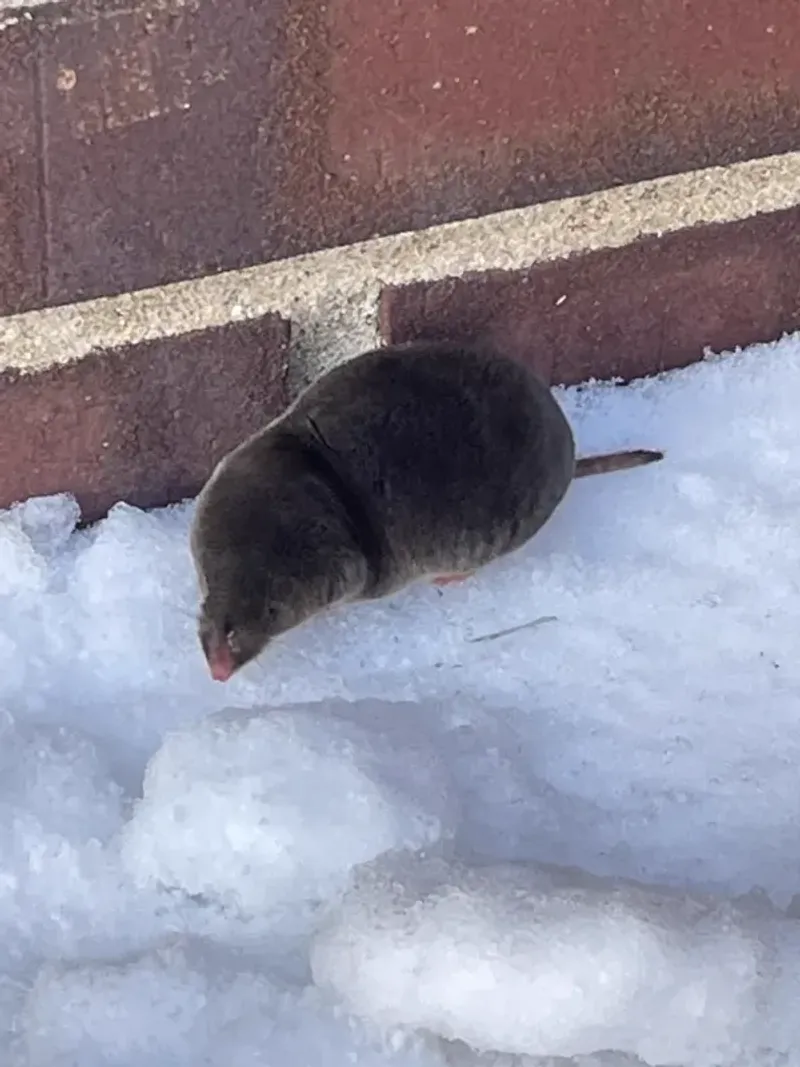
Here is a surprise most people never expect. One of the venomous animals in your yard is a tiny furry mammal.
The northern short-tailed shrew, common across Massachusetts, has venomous saliva that helps it stun worms, insects, and even mice. It tunnels through leaf litter all year, hunting nonstop because it burns energy so fast.
Raking can easily uncover one scurrying along.
For people, a bite is painful and might swell for a few days, but it is not dangerous. Shrews only bite when grabbed, so leave them alone and let them keep eating your garden pests.
Honestly, they are working for you for free.
7. Smart Raking Habits
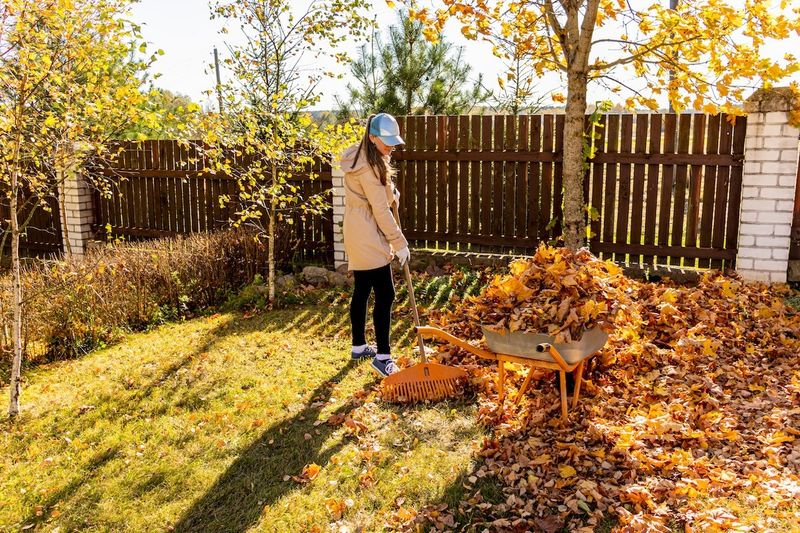
Gloves, boots, and a little patience go a long way. Most fall bites and stings happen because hands reach where eyes have not looked first.
Start by gently stirring a pile with the rake before scooping it up. Wear long pants tucked into socks, and choose leather or thick rubber gloves.
Rake on warmer afternoons only if you are watching for slow-moving snakes, which often bask in the sun.
Another tip is to skip raking some areas entirely. Leaving leaves in garden beds helps butterflies and helpful bugs survive winter.
Less raking means fewer surprises and a healthier yard, which sounds like a win to almost anyone.
Share this story