If yellowjackets are nesting near your North Carolina home, the first move is to keep people and pets away from the nest entrance and the path the insects fly. After that, you can decide whether the nest needs to be dealt with at all.
Some nests can be left alone, and others cannot. Here is how to tell the difference and stay safe while you decide.
Keep people and pets away first
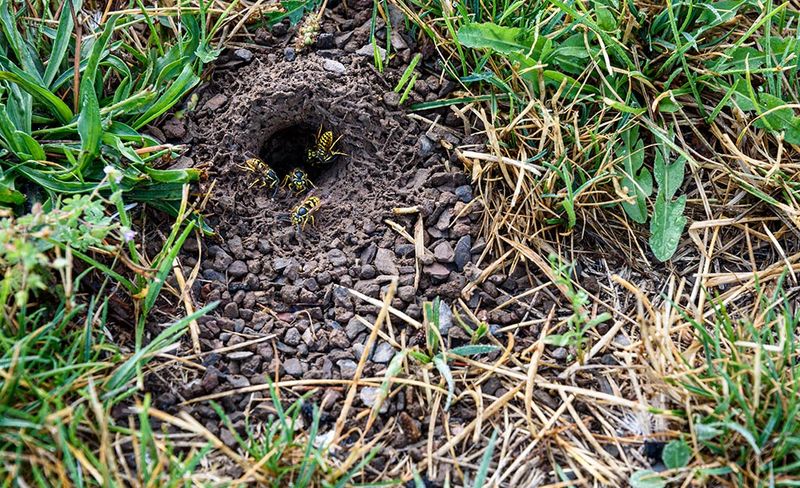
Step back and calmly move children, adults, and pets away from the spot where the insects are coming and going. The nest entrance and the line the insects fly to reach it are the danger zones.
Treat that whole area as off limits until you know more.
Yellowjackets defend their nests, and NC State Extension describes them swarming defensively when a nest is disturbed. That is why an urgent response should never turn into an attempt to handle the nest yourself.
Do not kick the spot, dig into it, mow over it, or block the entrance. Each of these can set off a swarm.
Even a small opening in the ground may lead to a large nest below.
If you need to keep others away, a few lawn chairs or a rope line placed at a distance can help. Keep dogs on a leash, and bring in pets that tend to sniff around holes.
Put off mowing, trimming, or yard play near that area until you have a plan.
Foraging yellowjackets do not prove a nest is nearby
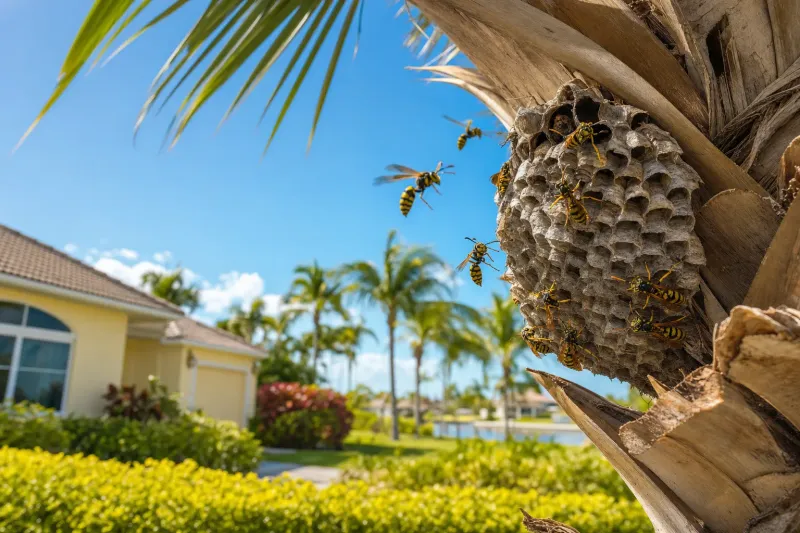
A yellowjacket on your soda can or hamburger is not proof that a nest sits beside your patio. Foraging insects can travel from some distance to find food.
Defensive behavior is tied to nest defense, and NC State says the chance of stings drops greatly when the nest is not close by.
Still, a visiting yellowjacket can sting, so reduce what draws it in. Cover outdoor food and drinks, clean up spills quickly, and keep trash cans covered.
These steps cut down on visitors, but they are not a way to remove a nest.
A steady stream of insects flying to and from one spot is a different story, and it deserves the distance described earlier. If you are unsure what the insects are, or where they are living, do not disturb them.
Ask your county Extension office or a pest professional for help.
You may see fake paper nests sold to scare wasps away. Penn State Extension reports no clear evidence that these decoys keep yellowjackets from nesting, so do not count on one.
Location and exposure determine whether to act
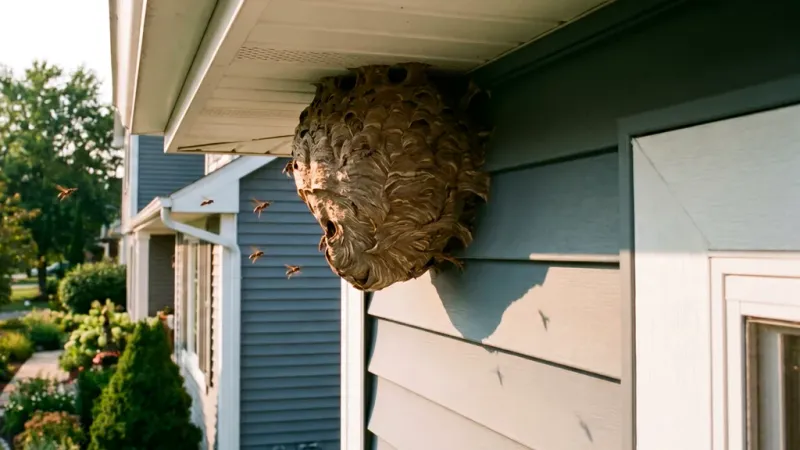
Where the nest sits matters more than the fact that it exists. A nest in a secluded spot, far from where anyone walks, plays, or works, may be left alone.
NC State Extension says control may be warranted when a nest is near a doorway, play area, or other busy spot, or when someone is highly sensitive to stings.
Ask yourself a few plain questions. Does anyone pass within a few steps of the entrance each day?
Do children or pets play nearby? Does anyone in the household react badly to stings?
A yes to any of these points toward control.
Time is on your side only in some cases. NC State notes that colonies die out in late fall or early winter, the nest is not reused, and next year’s queens shelter alone elsewhere.
That makes waiting reasonable for a nest that is truly out of the way. It is not a good plan when people face the nest every day, because weeks of risk can pass before the colony fades.
If you are leaving a nest alone, keep the area clear and watch for changes in foot traffic near it.
Know when a sting needs emergency care
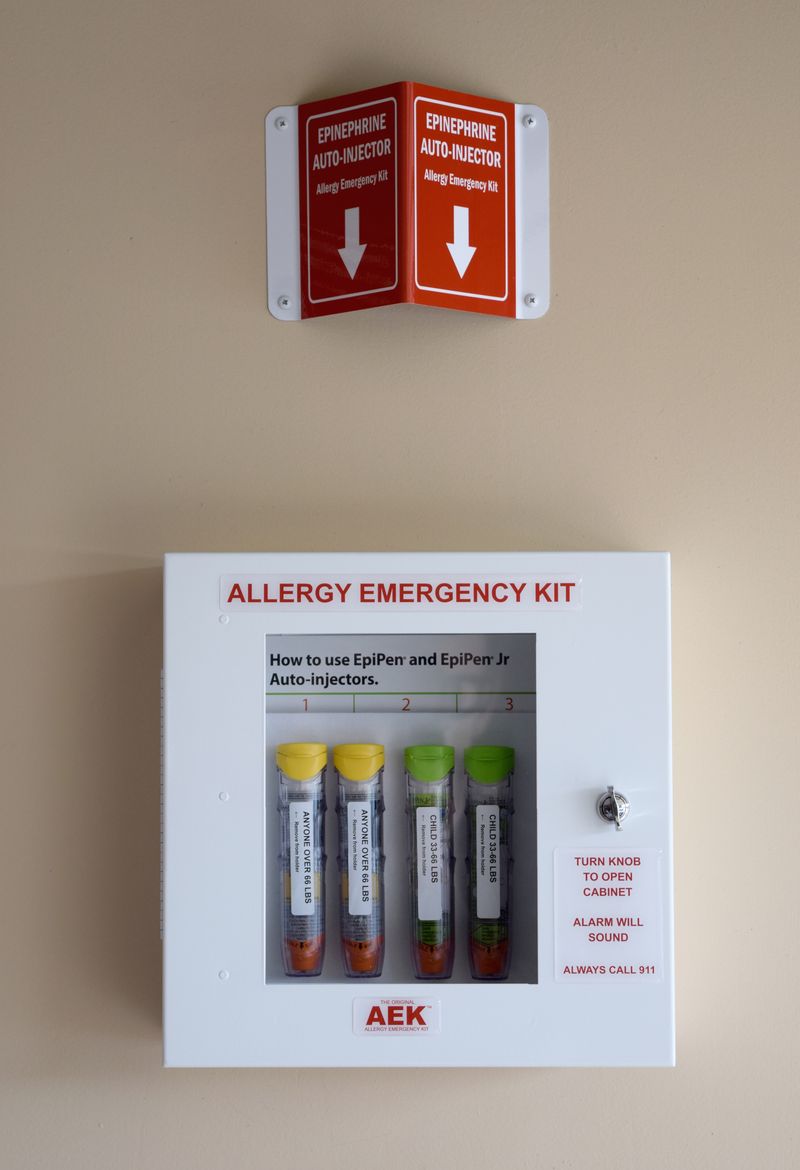
Nest advice is one thing, and medical care is another. Anyone with a known severe sting allergy should carry their prescribed epinephrine auto-injector, especially outdoors during warm months.
The American College of Allergy, Asthma and Immunology advises using it at signs of anaphylaxis and calling 911.
Do not wait to see whether things improve on their own. Use the auto-injector as prescribed and call for emergency help right away.
Tell the dispatcher that someone was stung and is having a severe reaction.
This article cannot diagnose a reaction, and nothing here replaces a doctor or emergency responders. If someone in your home has had a serious reaction before, talk with their doctor about a plan.
Share that plan with family members so they know what to do.
Treat an accessible nest only when control is needed
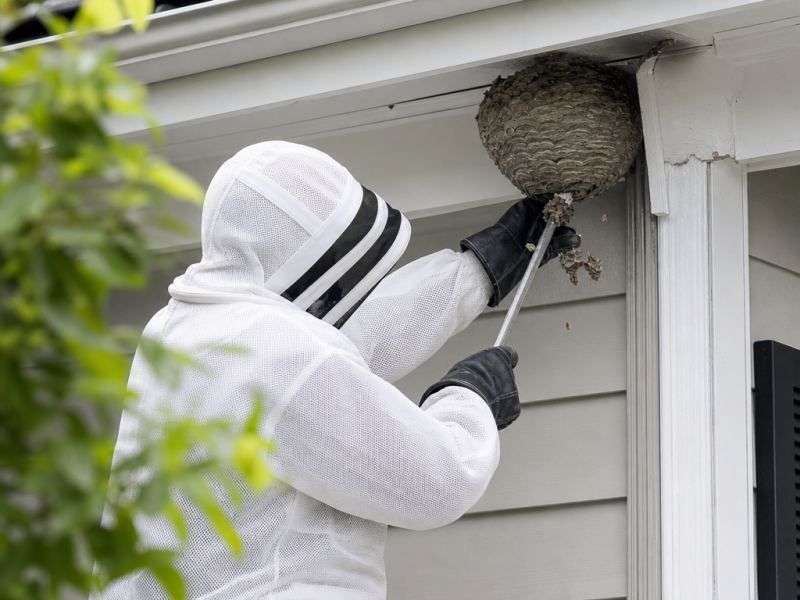
Being able to reach a nest does not mean you should treat it. A secluded nest that is easy to see can still be left alone.
Treatment makes sense when the location or exposure puts people at risk.
If you decide to treat an accessible nest, follow the exact product label. Labels differ, and no store-bought spray is safe or suitable for every case.
For example, one EPA-registered label says its product is for outdoor use only and gives its own directions.
The 2026 NC Agricultural Chemicals Manual says treatment is generally aimed at the nest or its opening after dark, when the insects have returned. It also notes that repeat treatment may be necessary.
Treat those points as background, and let the label decide the details.
Never use gasoline or fire. NC State says not to pour gasoline into a nest, and Penn State Extension warns of toxic exposure, fire, injury, and property damage.
Traps are not a substitute for controlling a nearby nest. NC State says commercial traps have not shown value in the Southeast, while its landscape guidance says a baited trap may lower local numbers.
Neither claim means a trap will eliminate a nest.
Get professional help for a nest in a wall
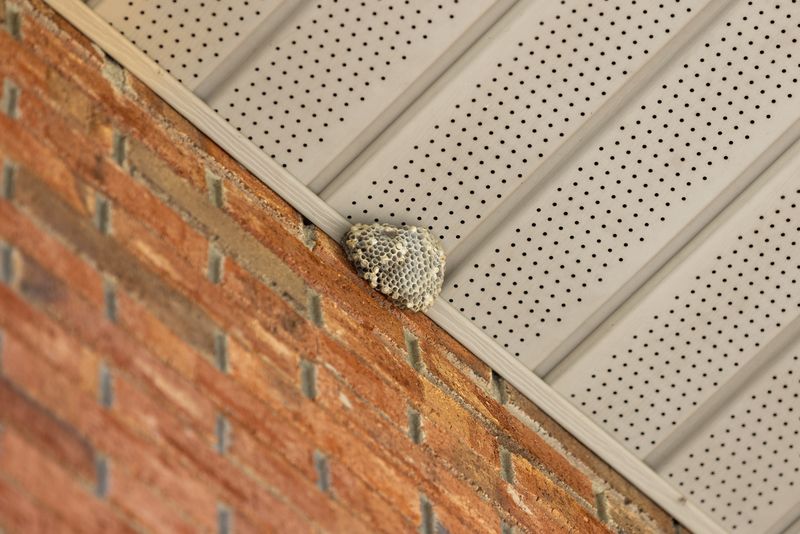
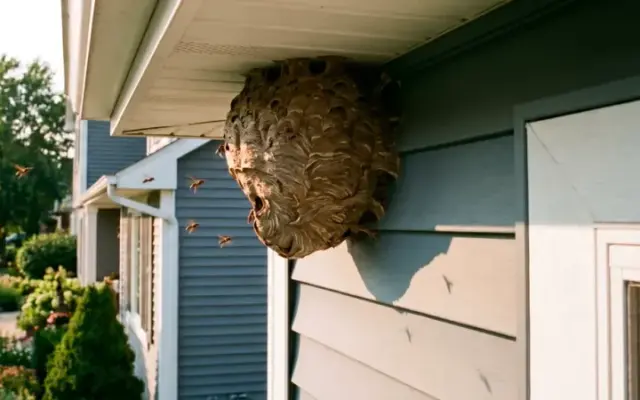
Some nests are tucked inside a wall void, an attic, or another place you cannot safely reach. Yellowjackets can nest in these spots, and the opening may be a small crack that is easy to miss.
In these cases, NC State recommends considering a pest-control operator.
Resist the urge to plug the hole. Do not seal a wall-nest entrance before treatment.
University of Maine Extension warns that blocking the exit can lead wasps to enter the building.
Instead, keep everyone away from the exterior opening and any indoor spots where insects appear. Call a licensed professional, tell them what you have seen, and let them handle the hidden nest.
This article does not give steps for reaching or treating one, because that work belongs with trained people.
Keep the decision simple
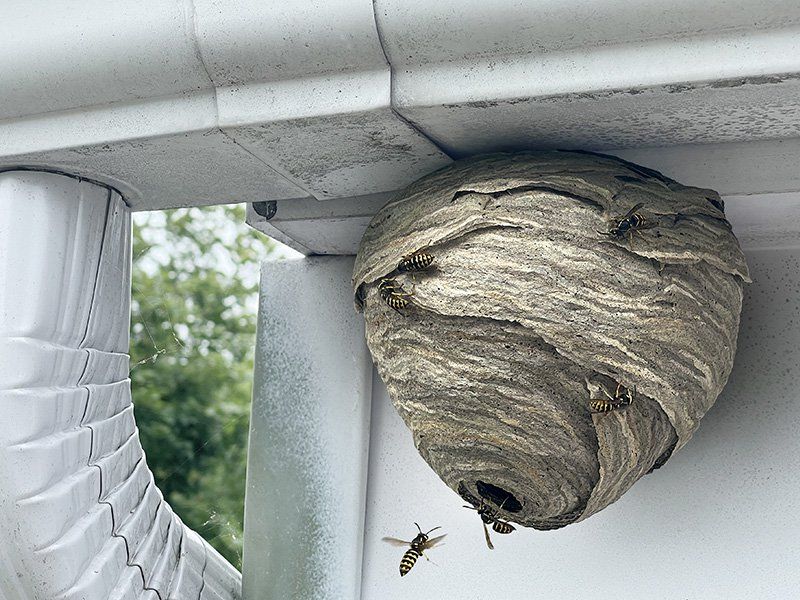
Start by keeping clear of the nest and its flight path. Then judge whether the spot puts anyone at risk, using what NC State Extension says about location and sting sensitivity.
Choose label-led treatment or a professional only if control is truly needed.
A nest far from daily life may simply fade with the season. The best plan is the one that keeps people from getting stung.
Share this story