When the leaves drop and the garden dies back, your yard suddenly has nowhere to hide its secrets. Late fall is the season when many Virginia homeowners spot snakes, spiders, and stinging bugs they never knew were living right next to them.
Some of these critters are heading for winter shelter, and some are just easier to see without summer’s thick cover. Knowing who they are, and how to handle them, can keep your family and pets safe all season long.
1. Eastern Copperhead
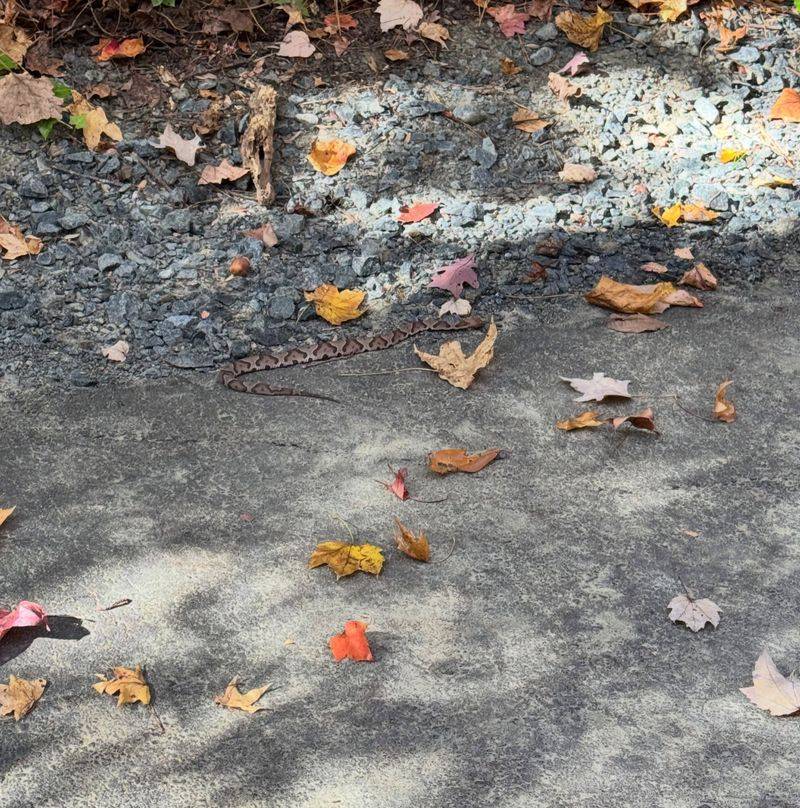
Picture raking a pile of oak leaves and realizing one of those leaves has eyes. The copperhead is Virginia’s most common venomous snake, and its hourglass pattern blends so well with fall foliage that people often step within inches of one without knowing.
As temperatures cool, copperheads move toward rock walls, woodpiles, and foundation cracks where they will spend the winter. That migration puts them right in the busiest parts of your yard.
On warm November afternoons, they also bask on sunny patios and stepping stones.
Bites are rarely deadly, but they hurt and can require a hospital visit. Wear gloves and boots when clearing debris, and use a rake instead of bare hands.
If you see one, simply back away and give it room to move along.
2. Timber Rattlesnake

Folks living near the Blue Ridge sometimes hear it before they see it: a dry, buzzing rattle from a sunny rock pile. Timber rattlesnakes are big, heavy-bodied, and surprisingly calm unless cornered.
In fall, these snakes travel back to communal dens, sometimes crossing yards, driveways, and trails along the way. Homes built near wooded ridges in the western half of the state see the most activity.
A rattler stretched across a warm driveway in October is not unusual in the mountains.
Here’s a quirky fact: timber rattlers can return to the same den for decades. They’re also protected in parts of Virginia’s coastal region, where the canebrake form lives.
Call wildlife professionals rather than trying to move one yourself.
3. Northern Cottonmouth
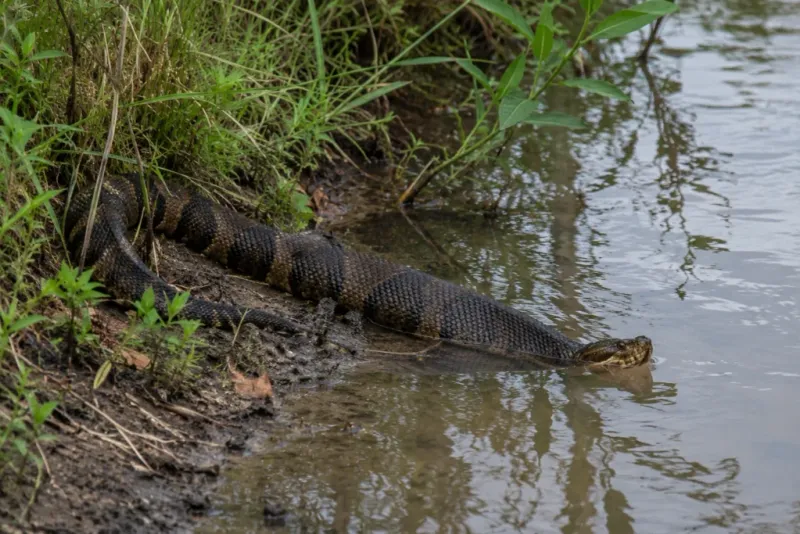
Ask anyone in Chesapeake or Suffolk about the cottonmouth, and you’ll probably get a story. These dark, thick snakes live in the swampy southeastern corner of Virginia, near the Great Dismal Swamp and nearby waterways.
When threatened, a cottonmouth opens its mouth wide to show a cotton-white lining. It’s a warning, not an attack.
Fall sends them searching for dry burrows and stumps near water, so backyard ponds and drainage ditches become hot spots.
Keep in mind that many harmless water snakes get blamed for being cottonmouths. If you live outside the southeast, odds are good that the snake in your pond is a northern water snake.
Either way, observe from a distance.
4. Black Widow Spider

That glossy black spider tucked behind your flowerpots? Flip it over in your mind and you’ll recall the famous red hourglass.
Black widows love quiet, cluttered places like sheds, garages, and the underside of patio furniture.
Late fall is cleanup season, which is exactly when hands reach into their hiding spots. Moving firewood, storing hoses, or packing away summer toys all disturb their tangled webs.
Females are the ones to watch, and they’re usually shy unless squeezed.
A bite can cause muscle cramps and pain, so seek medical help if one happens. Shake out gloves and boots stored in the garage.
A flashlight check before reaching into dark corners is a simple habit that pays off.
5. Brown Recluse Spider
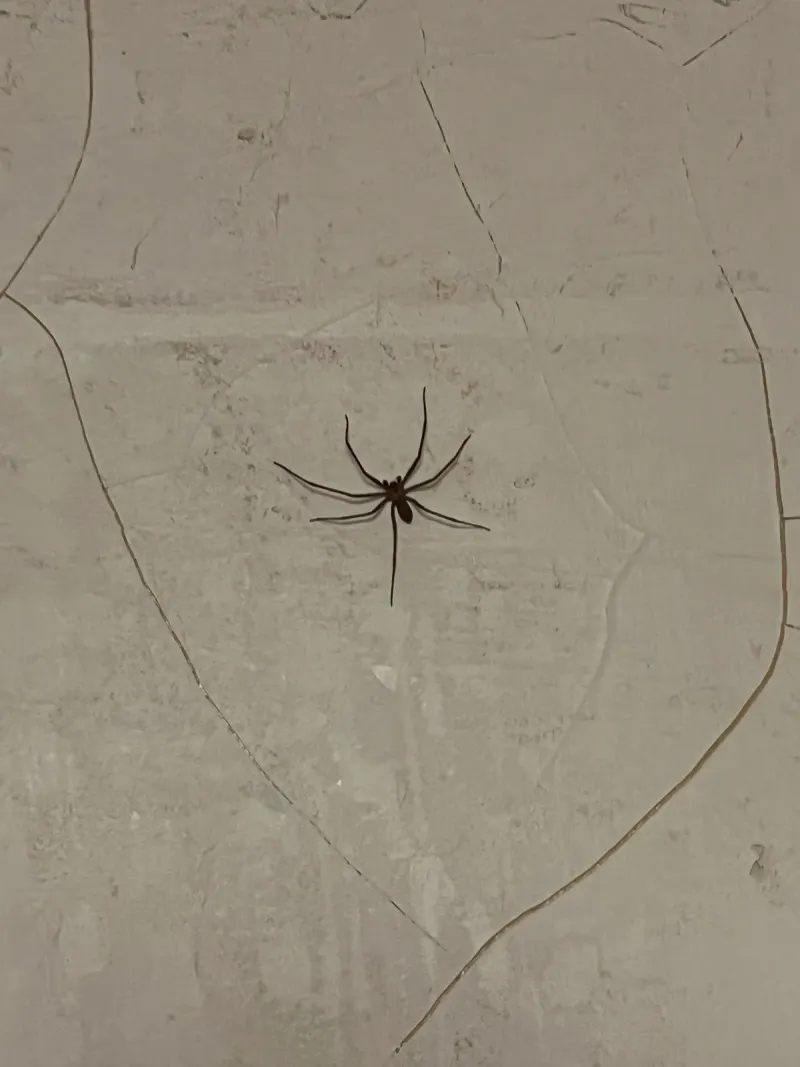
Honestly, the brown recluse is more rumor than resident in most of Virginia. It’s not native here, though it does occasionally show up after hitching rides in boxes or furniture from other states.
Fall is when spiders of all kinds wander indoors, so every brown spider in the basement suddenly becomes a suspect. The real recluse has a violin shape on its back and six eyes in pairs.
Most look-alikes are harmless wolf spiders or grass spiders.
If you do suspect a recluse, catch it in a jar and have an extension office identify it. Store items in sealed plastic bins rather than cardboard.
Knowing the facts beats losing sleep over a misidentified bug.
6. Yellowjackets
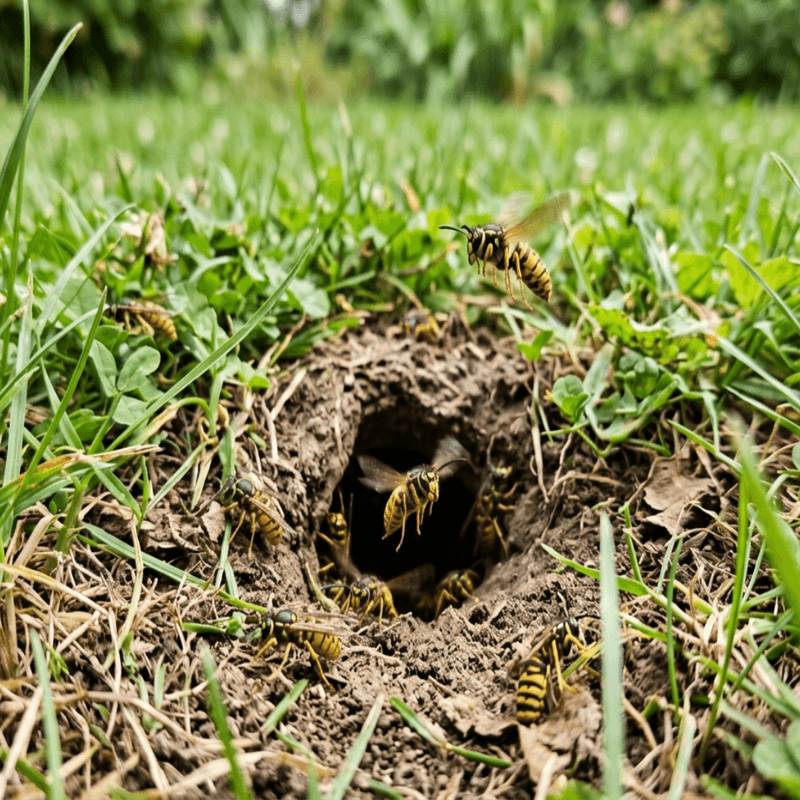
October picnics come with an uninvited guest that seems angrier than ever. Yellowjacket colonies peak in size during late summer and fall, and as their natural food runs short, workers turn bold and cranky.
Many Virginia nests are underground, often in old rodent burrows in the lawn. A mower pass or a misstep while raking can send hundreds pouring out.
Unlike honeybees, they can sting repeatedly.
The good news? The first hard freeze kills off most of the colony, leaving only new queens to overwinter.
Until then, cover sugary drinks and mark any ground nests with a flag. Professional removal is the safest choice for nests near doorways.
7. Bald-Faced Hornets
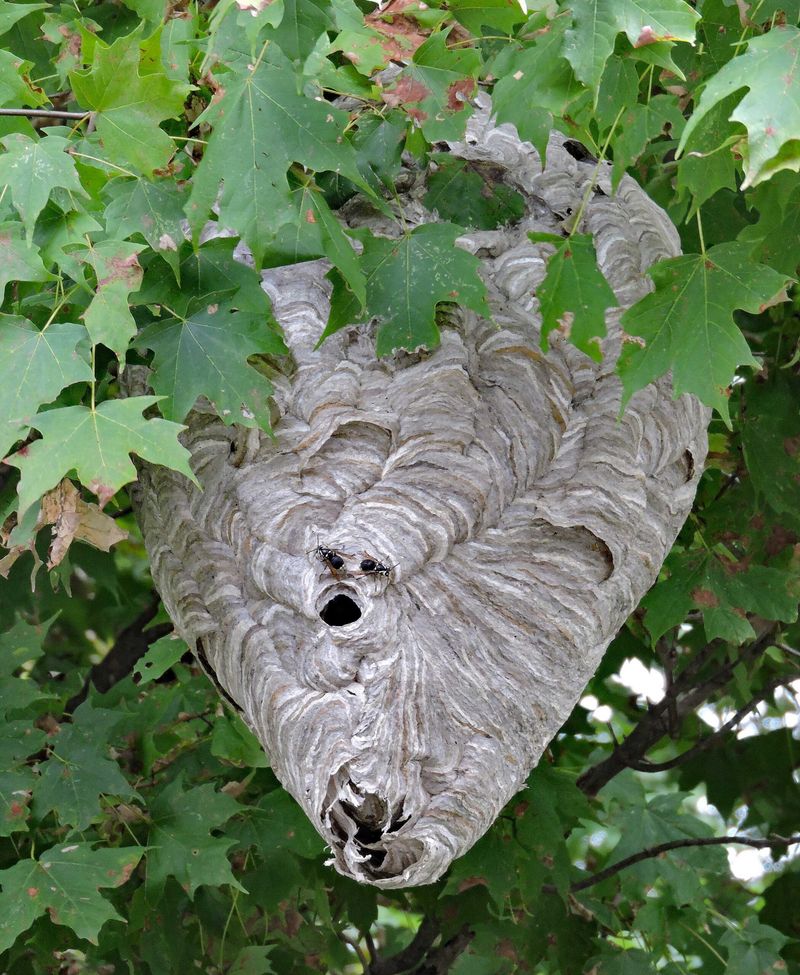
Once the maple drops its leaves, there it is: a gray paper nest the size of a football hanging right over the deck. Plenty of homeowners gasp at this discovery every November.
Bald-faced hornets are actually a type of yellowjacket, marked in black and white. They guard their nests fiercely during warm months.
By the time the nest becomes visible in late fall, though, it’s usually empty or nearly so.
Fun fact: these hornets build nests by chewing wood into pulp, making their own paper. Old nests aren’t reused, so after a few hard frosts you can safely knock one down.
Some people even keep them as natural curiosities.
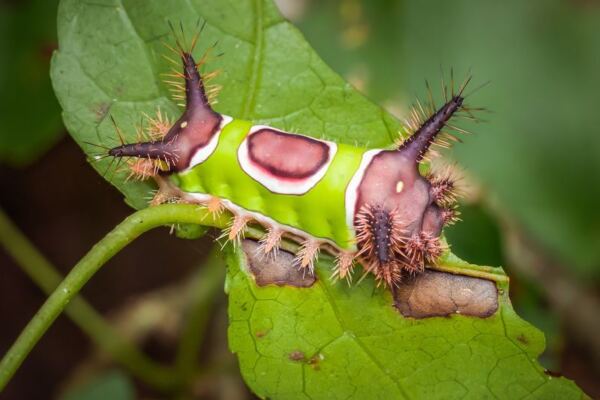
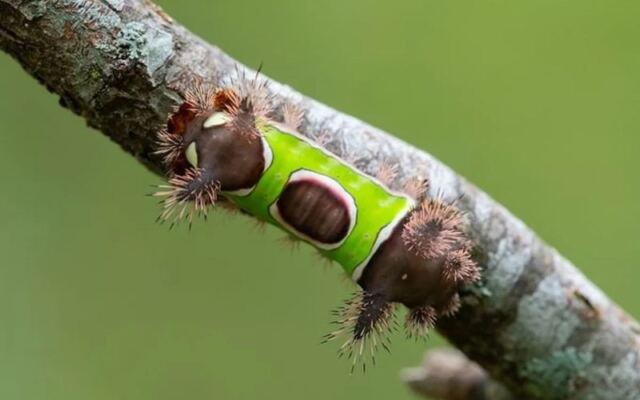
8. Saddleback Caterpillar
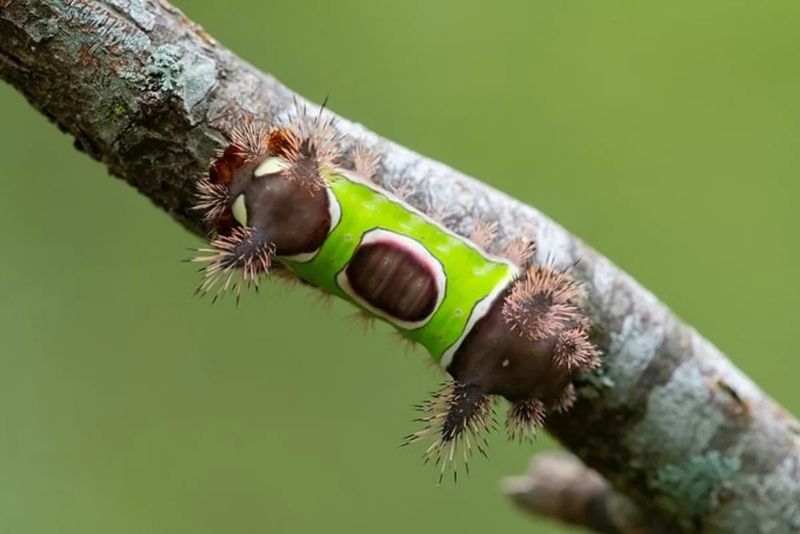
Kids love it on sight because it looks like a tiny cartoon creature wearing a green blanket. That’s exactly the problem.
The saddleback caterpillar’s spines deliver a painful sting that can burn for hours.
You’ll find them on garden plants, shrubs, and tree leaves into early fall, and fallen leaves can carry them closer to the ground. Gardeners cleaning out beds often brush against one without noticing.
If stung, press tape over the spot and pull it off to remove spines, then wash with soap. Teach children the simple rule of looking but not touching fuzzy or spiky caterpillars.
A sting is rarely serious, but it’s a memorable lesson.
9. Puss Caterpillar
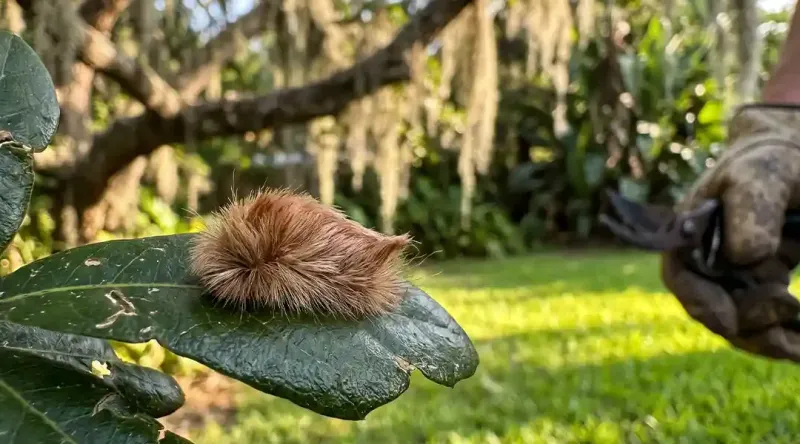
Soft, fluffy, and looking like a doll’s toupee, the puss caterpillar may be the most deceptive critter in your yard. Hidden under that fuzz are venomous spines considered among the most painful in North America.
These caterpillars feed on oaks, elms, and other common Virginia shade trees. They often show up on fences, walls, and outdoor furniture in fall as they search for spots to form cocoons.
Many stings happen when someone leans on a railing without looking.
Symptoms can include intense pain, swelling, and even nausea. Ice packs and a doctor’s call help if a sting feels severe.
Wear gloves when handling leaf piles beneath oak trees.
10. Harmless Look-Alikes
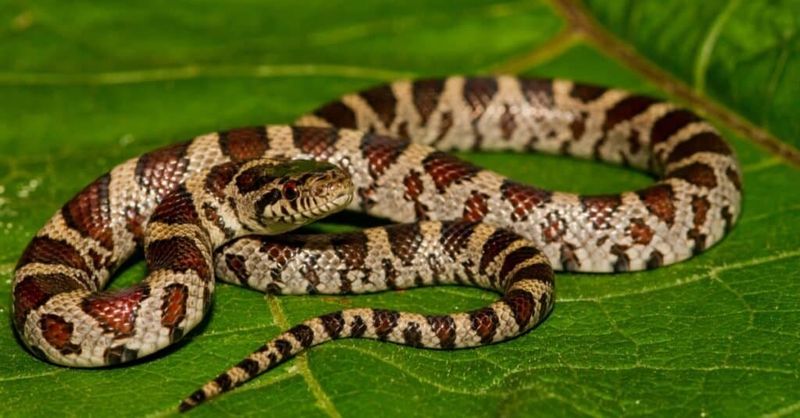
Here’s a twist worth remembering: most snakes Virginians find in the fall aren’t venomous at all. Rat snakes, garter snakes, water snakes, and juvenile black racers make up the bulk of backyard sightings.
Baby rat snakes have blotchy patterns that confuse people into thinking they’re copperheads. Water snakes get mistaken for cottonmouths nearly everywhere in the state.
Of Virginia’s roughly 30 snake species, only three are venomous.
These harmless neighbors eat mice, slugs, and even young copperheads. Snapping a photo and checking a reliable guide before reacting protects both you and a helpful animal.
A little knowledge turns fear into appreciation for the wildlife sharing your yard.
Share this story