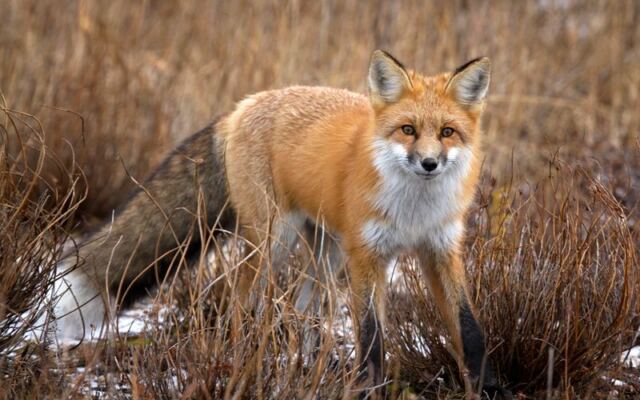
A red fox crossing your Virginia yard in winter usually has a simple reason: it is hunting, traveling between places it needs, or both. Winter also overlaps with the time of year when Virginia foxes typically breed.
One sighting cannot tell you exactly why a fox came by, but knowing the possibilities helps you respond with calm and good sense. Here is what to know, and how to keep people, pets, and wildlife safe.
Why a fox may cross a yard
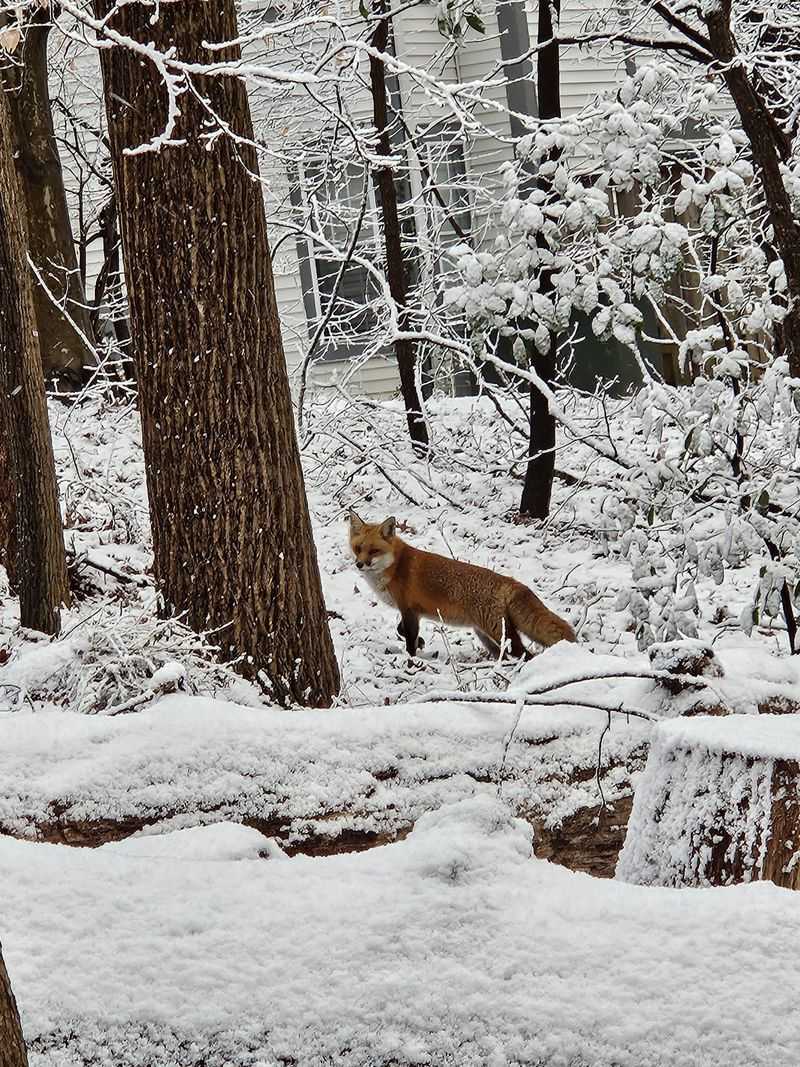
Red foxes live in many kinds of places across Virginia, including forests, meadows, farms, and urban areas. According to the Virginia Department of Wildlife Resources, their diet is varied and includes rabbits and mice.
A yard, even in a neighborhood, can fit easily into the world of an animal like that.
Two explanations are especially plausible. A fox may be hunting, since lawns, brush piles, garden edges, and spots under bird feeders can attract small animals such as mice and rabbits.
Or it may simply be traveling. Foxes move through a territory, and a yard can sit right on the path between a wooded edge, a creek, a field, and other places the animal uses.
Both can be true at once. A fox might cut across your lawn on its way somewhere and stop to listen for a rustle in the leaves along the way.
What a single sighting cannot do is reveal the fox’s motive. You are seeing a few seconds of a much longer routine, so it is wise to treat any explanation as a possibility rather than a fact.
Nothing about one visit proves that the fox is short on food or that your yard holds anything special.
It also helps to keep expectations realistic. Foxes do eat rodents, but that does not make a fox a dependable answer to a mouse problem at home.
Think of it as a wild neighbor going about its day, passing through ground it already knows.
Breeding season may overlap with winter sightings
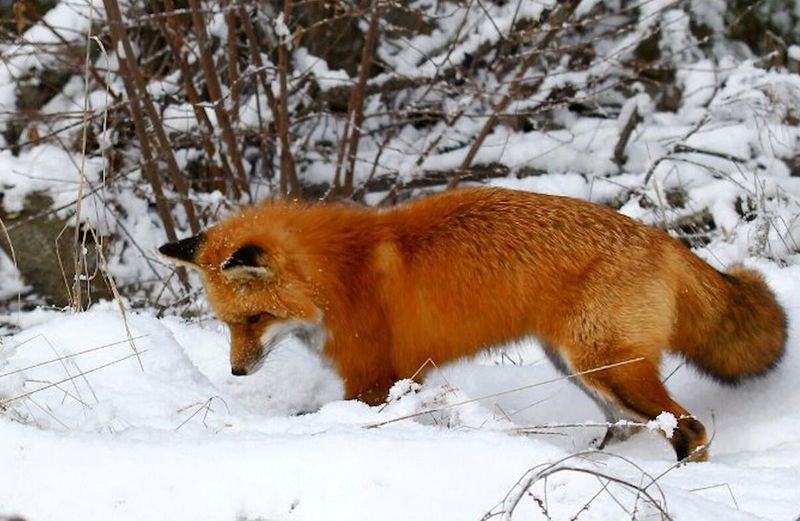
Winter happens to line up with the time when red foxes breed. In Virginia, the typical breeding period is January and February, as described by the state wildlife agency.
During these weeks, foxes may be on the move more than usual.
For wider context, a regional National Park Service report gives a longer window, running from late December to April. Most of the activity in that report falls in January and February, which matches what Virginia sources describe.
So the season may be one piece of the puzzle behind a winter sighting. A fox looking for a mate, or heading to a den site, could pass through places it might otherwise skip.
That said, the calendar does not explain any one visit. A fox crossing your yard on a January evening could just as easily be hunting or following a familiar route.
Without watching the animal over time, nobody can say which reason applies.
If you see a fox more than once, a few simple notes can help you understand its habits. Jot down the time of day, the direction it travels, and whether it lingers near anything.
Patterns often say more than a single glimpse ever can.
A daytime sighting is not a rabies test
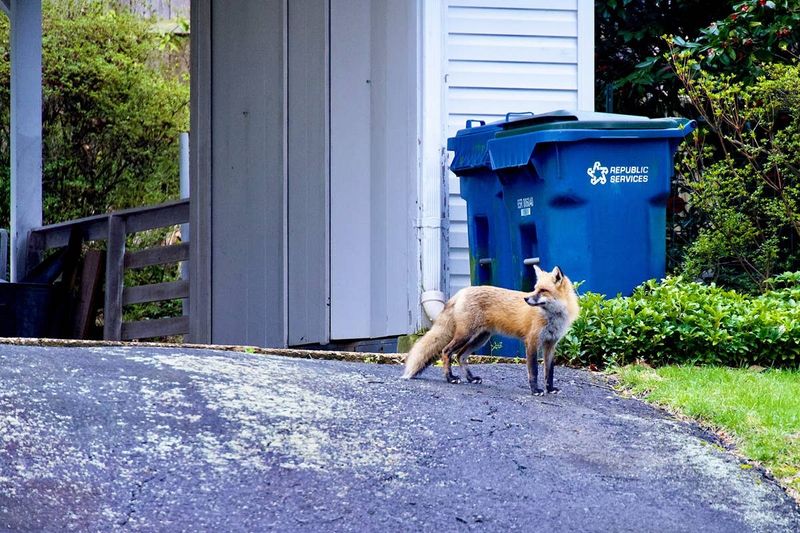
Foxes are mainly active at night, and around dawn and dusk. Even so, plenty of people spot one in broad daylight.
The National Park Service report and Fairfax County wildlife guidance both describe this mix of activity patterns.
Seeing a fox at noon does not mean something is wrong with it. The Virginia Department of Wildlife Resources says daytime activity alone does not necessarily imply illness or rabies.
The clock is simply not a diagnostic tool.
What matters more is how the animal looks and acts. A fox that is walking steadily, glancing around, and moving off when it notices you is behaving like ordinary wildlife.
An animal that appears sick or injured is a different situation, with signs such as a visible wound, trouble walking, or seeming unable to move away.
If you see an animal like that, keep your distance and contact local guidance. Your local animal control office or the state wildlife agency can advise you on reporting sick or injured wildlife.
Staying calm and watching from a window is usually the best response to a simple daytime sighting.
Reduce food attractants around your home
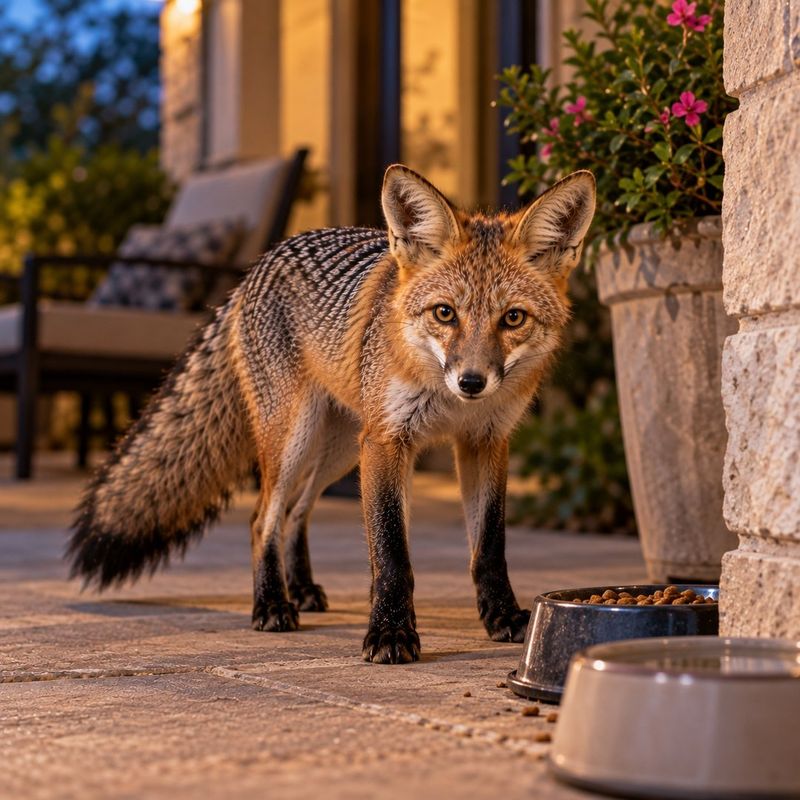
Foxes look for easy meals, so the most useful step is to make your yard offer less of them. Start with the basics: do not feed foxes, directly or by accident.
The DWR advice on fox problems points to the same habits that discourage other wildlife.
Secure your trash in containers with tight lids, and bring pet food indoors rather than leaving a bowl on the porch. Pick up fallen fruit from trees and garden beds.
These small chores remove snacks that could draw animals to the yard.
Birdseed deserves special attention. The Virginia wildlife agency notes that seed spilled beneath feeders can attract rodents, which in turn can attract animals that eat them.
Sweeping up under feeders is a simple way to cut that chain.
Think of these steps as ways to reduce attractants, not as a guarantee. A fox may still trot across your lawn on its way somewhere else, and that is normal.
The goal is to avoid giving it a reason to stick around.
Finally, keep your pets from chasing or harassing wildlife. A dog dashing after a fox can lead to stress, injuries, or bites for everyone involved, so a leash or a call back inside is the safer choice.
Give the fox space and protect pets
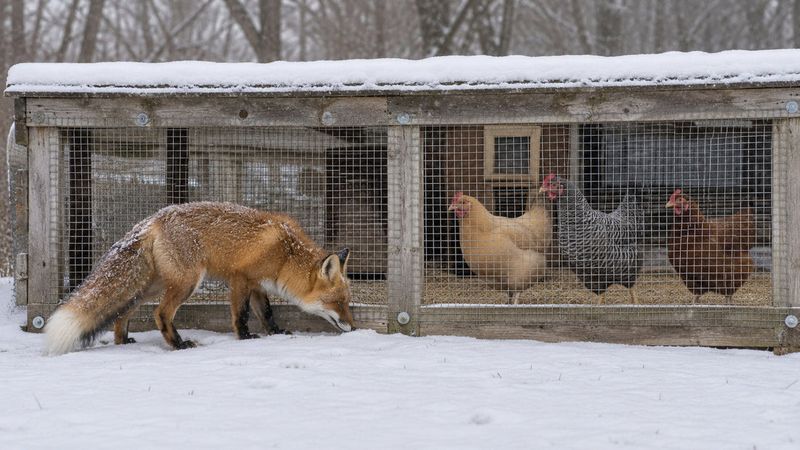
When a fox shows up, admiring it from a distance is the right call. Do not approach it, touch it, or try to handle it, even if it seems calm or curious.
Wild animals are best left to move along on their own, and Fairfax County wildlife guidance echoes this advice.
Pets need a little planning. Feed them indoors so bowls do not draw visitors, and keep small pets inside or in a securely penned area at night.
Cats, small dogs, and backyard poultry or rabbits are the animals most worth protecting.
Supervise your dog when it goes out, especially around dawn and dusk. The state wildlife agency asks owners to keep pets from chasing or harassing wildlife, which protects the pet as much as the fox.
If you want a closer look, use a window or binoculars. A porch light or a clap of your hands from a safe distance can usually encourage a fox to move on without any contact.
These are preventive habits for everyday life. They are separate from what to do if someone has actually been bitten or scratched, which calls for quick action of a different kind.
What to do after a bite or scratch

A bite or scratch from a wild animal is a real exposure, and it needs fast action. Wash the wound right away with soap and water.
The CDC advises washing immediately and then talking with a health professional about rabies risk.
After washing, seek medical guidance promptly. If a pet was bitten or scratched, contact your veterinarian too.
Then reach out to public-health or animal-control authorities so they can advise on next steps and record the incident.
This response is for direct contact. Simply seeing a fox in your yard, even in daylight, does not call for the same urgency.
Nobody can diagnose rabies by looking at an animal from a distance, and you should not try to.
If a fox appears sick or injured, keep your distance and ask for local help. The Virginia wildlife agency advises reporting sick or injured wildlife so trained people can guide you.
Keep children and pets indoors while you wait. Note where you last saw the animal, since that detail helps responders find it.
Respond calmly to a yard visit
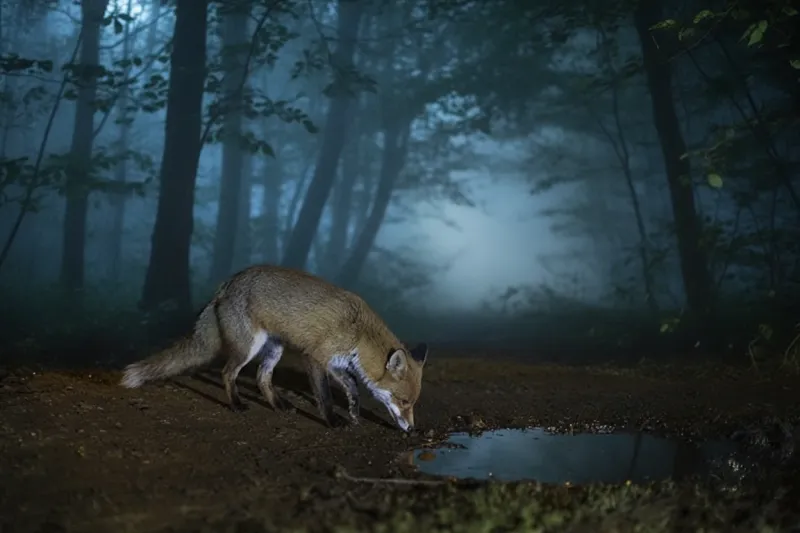
A fox in your yard is most likely hunting or passing through on a route it knows. The January and February breeding period may play a part, but one sighting never reveals a fox’s motive.
Your best response is steady and simple. Reduce food attractants, give the animal room, and keep pets from chasing it, as DWR guidance suggests.
If direct contact happens, follow the CDC steps and act promptly.
Most nights, the fox will be gone before you have finished your coffee, leaving only a line of prints in the frost.
Share this story