Get the latest garden guides in your inbox →
Gardening Latest
  • General Gardening
  • Lawn Care
  • Plant Care
  • Composting
  • Soil Health
  • Backyard
  • Garden Muse Magazine
  • General Gardening
  • Lawn Care
  • Plant Care
  • Composting
  • Soil Health
  • Backyard
  • Garden Muse Magazine
  • News
  • Gardening Calendar
  • Garden Structures
  • Vegetable Garden
  • Vertical Garden
  • Raised Beds
  • Hydroponics
  • General Equipment
  • Community Gardens
Garden Themes
  • Spiritual Garden
  • Hydroseeding
  • Seeding and Laying Sod
  • Artificial Grass
  • Lawn Care Equipment
  • Plants
  • Trees
  • Planting Tools
  • Composting Basics
  • Fertilizer
  • Alternative Growing Mediums
  • Front Yard
  • Backyard Activities
  • Landscaping
Gardening Latest

Explore by state

Which state is your garden in?

Currently viewing Georgia

All states

Northeast

  • Connecticut —
  • Delaware 45
  • Maine —
  • Maryland 31
  • Massachusetts 47
  • New Hampshire —
  • New Jersey 31
  • New York 40
  • Pennsylvania 40
  • Rhode Island —
  • Vermont —

Southeast

  • Alabama 31
  • Arkansas —
  • Florida 31
  • Georgia 31
  • Kentucky 45
  • Louisiana 30
  • Mississippi —
  • North Carolina 29
  • South Carolina 44
  • Tennessee 28
  • Virginia 30
  • West Virginia —

Midwest

  • Illinois 30
  • Indiana 32
  • Iowa 44
  • Kansas —
  • Michigan 31
  • Minnesota 30
  • Missouri 30
  • Nebraska —
  • North Dakota —
  • Ohio 31
  • South Dakota —
  • Wisconsin 45

Southwest

  • Arizona 30
  • Colorado —
  • Nevada —
  • New Mexico —
  • Oklahoma —
  • Texas 29
  • Utah —

West

  • Alaska —
  • California 30
  • Hawaii —
  • Idaho —
  • Montana —
  • Oregon —
  • Washington —
  • Wyoming —

No state matches that search.

Site menu

Gardening Latest
  • General Gardening
    • News
    • Gardening Calendar
    • Garden Structures
    • Vegetable Garden
    • Vertical Garden
    • Raised Beds
    • Hydroponics
    • General Equipment
    • Community Gardens
    Garden Themes
    • Spiritual Garden
  • Lawn Care
    • Hydroseeding
    • Seeding and Laying Sod
    • Artificial Grass
    • Lawn Care Equipment
  • Plant Care
    • Plants
    • Trees
    • Planting Tools
  • Composting
    • Composting Basics
  • Soil Health
    • Fertilizer
    • Alternative Growing Mediums
  • Backyard
    • Front Yard
    • Backyard Activities
    • Landscaping
  • Garden Muse Magazine

Explore

  • About GardeningLatest.com
  • Contact Us

Get the latest from the garden

New guides on lawn care, plants and backyard projects, sent when they go up.

Subscribe →

Follow

  • Facebook
  • X
  • Pinterest
  • YouTube
Georgia Gardening

Georgia Gardeners Jump at the Sight of These 7 Critters That Only Look Venomous

You reach for a tomato, and something long, hairy, or striped moves right next to your hand.

SB

By Savannah Brooks

November 28, 2026 · 5 min read

Georgia Gardeners Jump at the Sight of These 7 Critters That Only Look Venomous

You reach for a tomato, and something long, hairy, or striped moves right next to your hand. Most Georgia gardeners have felt that jolt of panic at least once.

The good news is that many of the scariest-looking creatures in our yards are actually harmless, and some are even helping your plants grow. Learning to tell friend from foe can save you a scare and save a helpful critter’s life.

At a glance

Where
Georgia Gardening
Hardiness zone
8 10 to 20°F
Read
5 minutes
Published
November 28, 2026

1. Eastern Rat Snake

Eastern Rat Snake
© Daniel Stowe Conservancy

One gardener in Macon swore she found a cottonmouth curled under her squash leaves. It turned out to be a rat snake, and it had probably been eating the mice chewing her seedlings for weeks.

Eastern rat snakes, sometimes called chicken snakes, can grow past six feet long. When cornered, they coil up, shake their tails in dry leaves, and even release a stinky musk.

All that drama makes them sound dangerous, but they have no venom at all.

Look for a long, slender body, a round pupil, and a head that is not much wider than the neck. Young ones have blotchy gray patterns that fool lots of people.

Leave this one alone, and your rodent problem may quietly shrink.

2. Eastern Hognose Snake
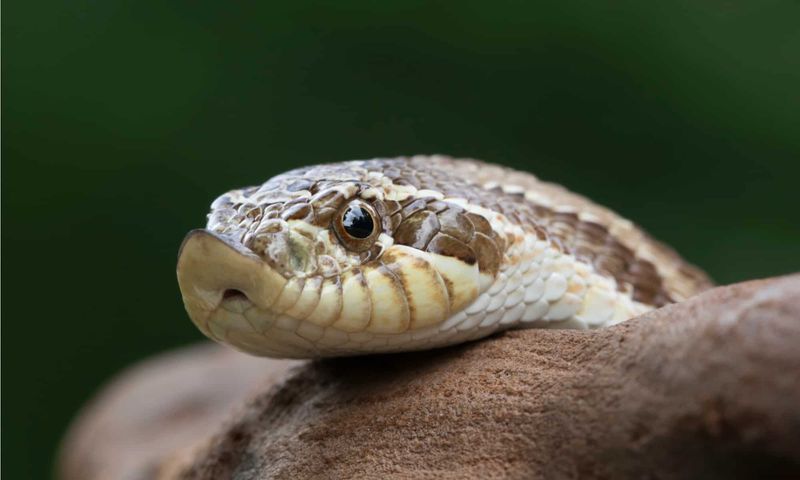
Eastern Hognose Snake
© A-Z Animals

Picture a snake that puffs up like a cobra, hisses loudly, and then flips over and plays dead with its tongue hanging out. That is the eastern hognose, and honestly, it deserves an award for acting.

Because of its wide head and loud hiss, folks often mistake it for a copperhead or rattlesnake. In reality, it almost never bites people.

Nothing gets a scream quite like a fat green caterpillar, thick as your finger, staring back from a tomato vine.

Its favorite meal is toads, which it digs up with its upturned, shovel-shaped nose.

Fun fact: if you flip a fake-dead hognose right side up, it will often roll back over to keep pretending. Give it a few minutes of space and it will slither off with its dignity mostly intact.

3. Five-Lined Skink
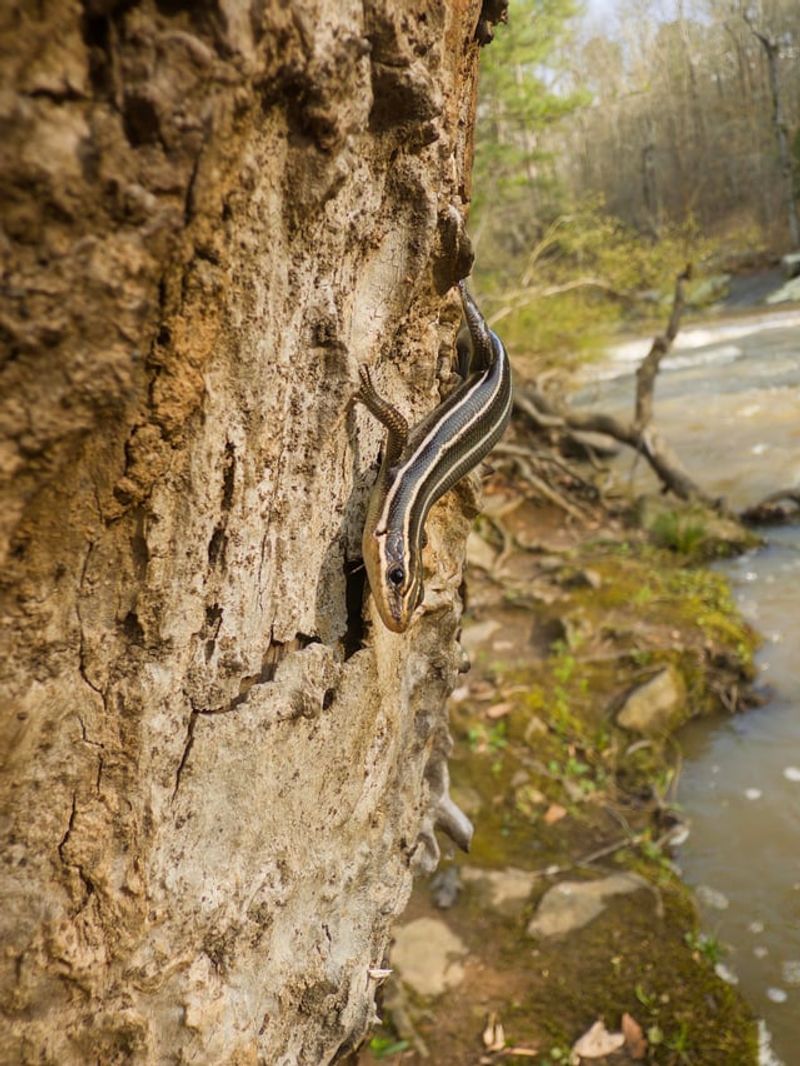
Five-Lined Skink
© Reddit

Old-timers across the South called it the scorpion, and plenty of grandparents warned kids that its bright blue tail could kill a cat. That legend has stuck around for generations, but it simply is not true.

Five-lined skinks are small, shiny lizards with stripes running down their backs. Young skinks wear that electric blue tail as a decoy.

If a bird grabs it, the tail snaps off and keeps wiggling while the lizard escapes.

These quick little hunters gobble crickets, beetles, and grubs in your flower beds. Adult males lose the blue and grow orange-red heads during spring.

No venom, no sting, just a speedy bug patrol.

4. Scarlet Kingsnake
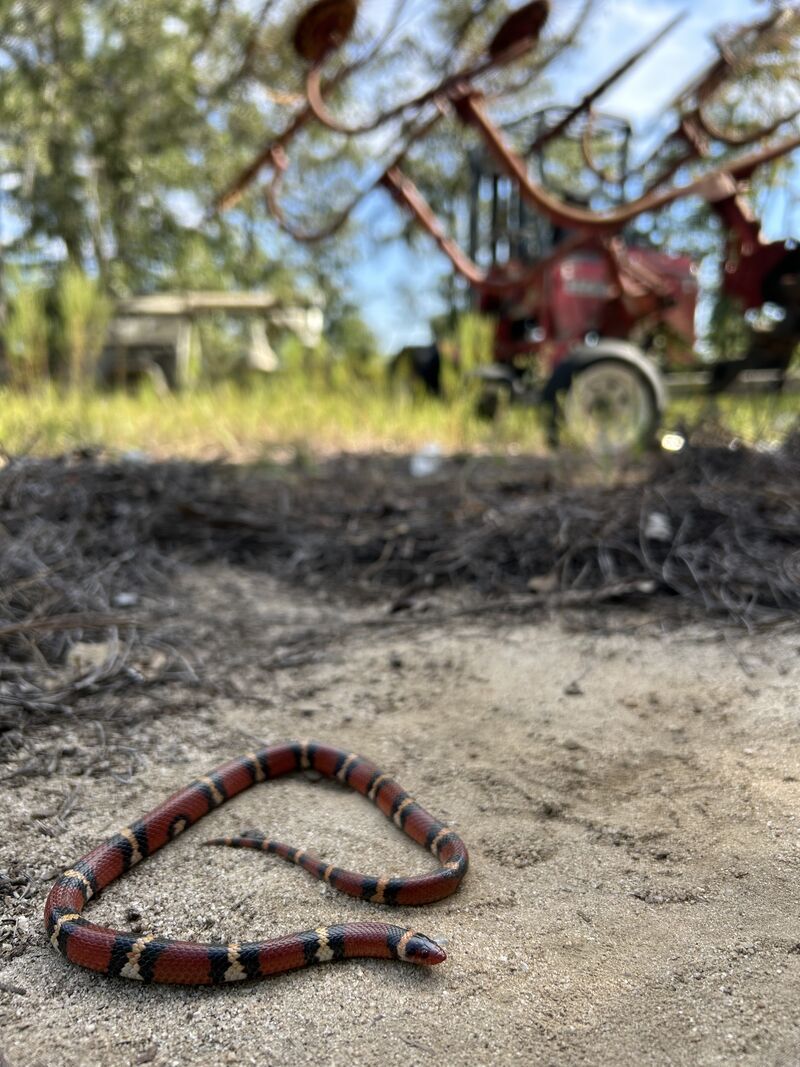
Scarlet Kingsnake
© LinkedIn

Red touches black, friend of Jack. Red touches yellow, kills a fellow.

Many Georgians learned that rhyme as kids, and the scarlet kingsnake is the reason it exists.

With red, black, and yellow bands, it looks a lot like the venomous coral snake. The trick is in the order of colors.

On a kingsnake, the red bands touch black, while a coral snake has red touching yellow.

Still, the rhyme only works reliably for snakes in the United States, so a little caution is smart. Scarlet kingsnakes are shy, rarely longer than two feet, and love hiding under logs and loose bark.

Spotting one is a real treat, since they spend most of their lives tucked out of sight.

5. Tomato Hornworm
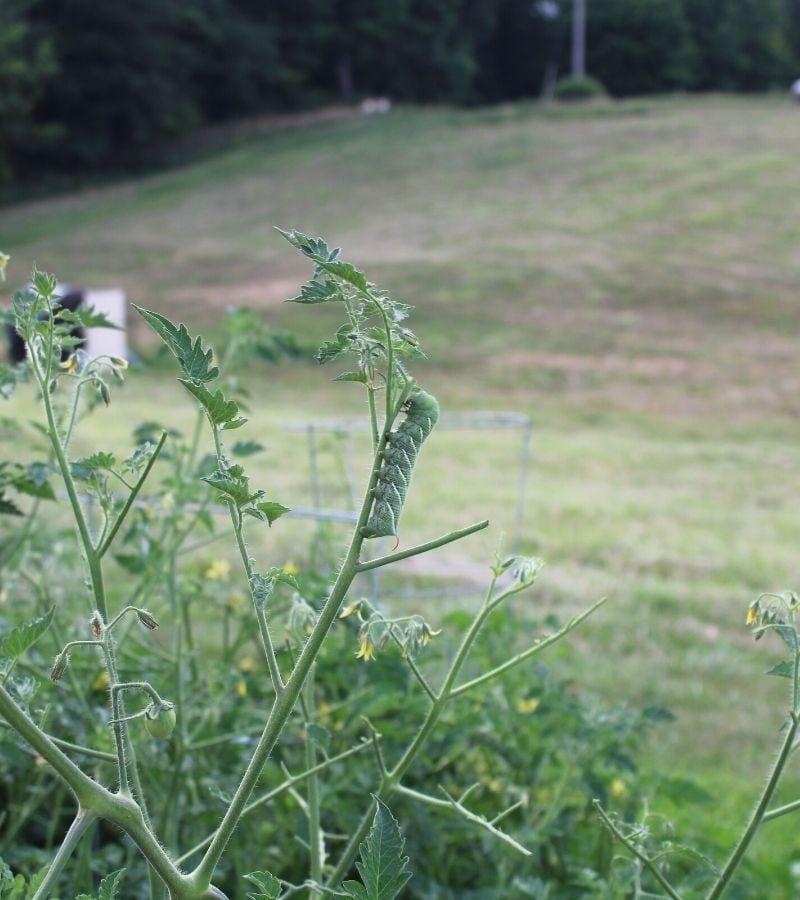
Tomato Hornworm
© Mama on the Homestead

Nothing gets a scream quite like a fat green caterpillar, thick as your finger, staring back from a tomato vine. Then you spot the sharp-looking horn on its rear and back away fast.

Here is the funny part. That horn is completely harmless and cannot sting you.

The tomato hornworm is just a big, hungry caterpillar that will grow into a sphinx moth.

Now, gardeners do have a fair reason to dislike it, since it can strip a tomato plant overnight. Pick them off by hand and drop them for the birds.

If you see one covered in tiny white cocoons, leave it be. Those are helpful parasitic wasps that will wipe out more hornworms for you.

6. Northern Water Snake
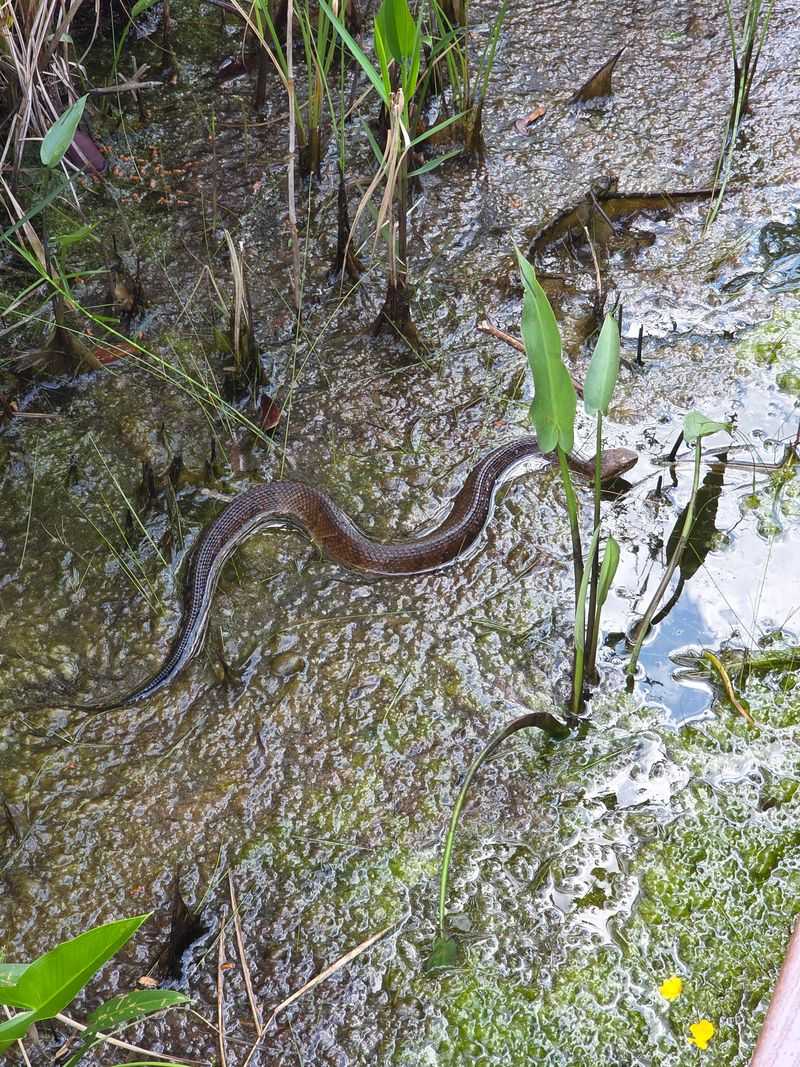
Northern Water Snake
© Reddit

Got a backyard pond or a rain garden? Then you may have met the snake people most often mistake for a cottonmouth.

Northern water snakes have thick bodies, dark bands, and a grumpy attitude when grabbed. They will bite if handled, and their saliva can make a scratch bleed a bit.

Even so, they carry zero venom.

A few clues help you tell them apart. Water snakes have round pupils and usually flee into the water fast.

Cottonmouths tend to hold their ground and float high on the surface. When in doubt, step back and enjoy the view from a distance.

7. Wolf Spider
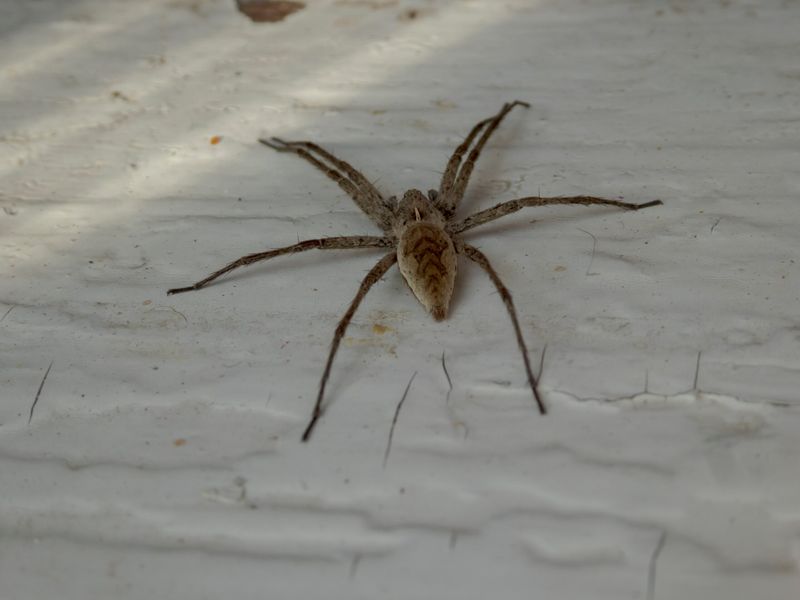
Wolf Spider
© Proforce Pest Control

Big, hairy, and fast, the wolf spider races across mulch like it owns the place. Many Georgia gardeners assume it must be a brown recluse or a tarantula.

Relax. Wolf spiders hunt bugs instead of spinning webs, and they would rather run than bite.

A bite is rare and usually feels like a bee sting at worst. Their eyes even shine green at night if you sweep a flashlight over the yard.

Mother wolf spiders carry their egg sacs and then dozens of babies right on their backs. It looks creepy but it is actually pretty sweet parenting.

Let them stay, and they will eat pests that chew up your greens.

Share this story
SB

Written by

Savannah Brooks

More from Savannah Brooks →

About Gardening Latest

Gardening Latest provides in-depth guides to maintaining and enhancing your garden and backyard. Learn how to make the most of the space you have and create a beautiful garden.

More about us →

Latest stories

  • Missouri GardeningIf Your Missouri Woodpile Sits Against the House, You’re Inviting Brown Recluses Indoors This Winter

    If Your Missouri Woodpile Sits Against the House, You’re Inviting Brown Recluses Indoors This Winter

    4 min ago
  • Tennessee GardeningBefore You Dig In, Here’s How To Recognize Every Venomous Creature Sharing Your Tennessee Yard

    Before You Dig In, Here’s How To Recognize Every Venomous Creature Sharing Your Tennessee Yard

    10 min ago
  • Alabama GardeningThat Burning Saddleback Caterpillar Sting in Your Alabama Garden Calls for These Steps Right Away

    That Burning Saddleback Caterpillar Sting in Your Alabama Garden Calls for These Steps Right Away

    16 min ago
  • Minnesota GardeningBefore You Pick Up That Big Black Caterpillar With White Spots In Minnesota, Read This

    Before You Pick Up That Big Black Caterpillar With White Spots In Minnesota, Read This

    22 min ago
  • Illinois GardeningDeer Are Rubbing Their Antlers on Your Illinois Saplings Right Now, and Here’s How to Save Them

    Deer Are Rubbing Their Antlers on Your Illinois Saplings Right Now, and Here’s How to Save Them

    28 min ago

Gardening by state

Stories for your state, and the hardiness zone most of it gardens in.

Keep exploring

Read next

All Georgia Gardening →
Georgia GardeningAn Opossum Hanging Around Your Georgia Home This Winter Is After Something Specific, and Here’s What to Do
Georgia Gardening

An Opossum Hanging Around Your Georgia Home This Winter Is After Something Specific, and Here’s What to Do

2 hr ago
Georgia GardeningJust Found A Yellow Jacket Nest Near Your Georgia Home? Here’s How To Deal With It
Georgia Gardening

Just Found A Yellow Jacket Nest Near Your Georgia Home? Here’s How To Deal With It

8 hr ago
Georgia GardeningFresh Fire Ant Mounds Show Up Across Georgia Lawns After a Rain, and They’re Trying to Tell You Something
Georgia Gardening

Fresh Fire Ant Mounds Show Up Across Georgia Lawns After a Rain, and They’re Trying to Tell You Something

11 hr ago

More from Georgia Gardening

  • Caught a Red Fox Trotting Through Your Georgia Yard This Winter? Blame Mating Season

    Nov 27
  • What Coyotes Are Telling Each Other When They Howl Outside Your Georgia Home After Midnight

    Nov 26
Back to top

Leave a response Cancel

Your email address stays private. Required fields are marked with an asterisk.

Gardening Latest

In-depth guides to maintaining and enhancing your garden and backyard: how to make the most of the space you have, and how to make it beautiful.

  • Facebook
  • X
  • Pinterest
  • YouTube

We may earn a portion of sales from products or services that are purchased through our site as part of our affiliate partnerships with retailers.

Explore

  • About GardeningLatest.com
  • Contact Us
  • Terms and Conditions
  • Privacy
  • Editorial Note:
  • FTC Disclosure

Newsletter

New garden guides and seasonal tips, straight to your inbox.

We’ll email you a link to confirm. Unsubscribe any time.

Almost there! Check your inbox and tap the link to confirm.

© 2026 Gardening Latest. All rights reserved.

Back to top