You reach for a weed, and something moves under the leaves. Your heart jumps, and you pull your hand back fast.
In North Carolina gardens, lots of creatures look scary but are actually harmless and even helpful. Knowing which ones you can relax around makes gardening safer, calmer, and a lot more fun.
1. Eastern Rat Snake

Picture a six-foot black snake draped over your tomato cage like a garden hose. Plenty of Tar Heel gardeners have dropped their trowels at that exact sight.
The eastern rat snake is one of the biggest snakes in the state, and its size alone sets off alarms.
Here is the good news. Rat snakes have no venom at all.
They kill prey by squeezing, and their favorite meals are mice, rats, and voles that chew on bulbs and roots.
Fun fact: these snakes are amazing climbers. They can shimmy straight up tree bark, which is why people sometimes find them in attics or birdhouses.
If one shows up, give it space and let it go about its pest-control business.
2. Eastern Hognose Snake
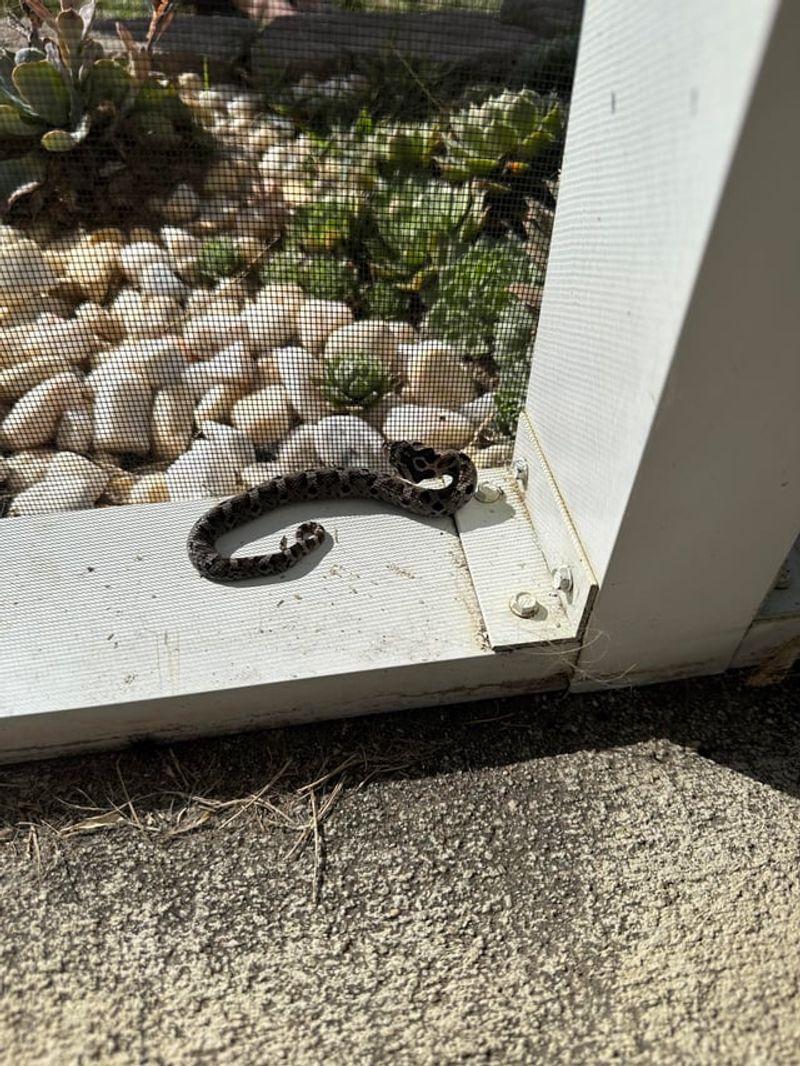
Few animals put on a show quite like this one. When cornered, the eastern hognose flattens its neck like a cobra, hisses loudly, and fakes strikes with its mouth closed.
If that bluff fails, it goes full drama queen. It flips onto its back, opens its mouth, lets its tongue hang out, and plays dead.
Flip it right side up and it will often roll back over, as if to insist it really is dead.
Because of the hood trick, people often mistake it for something deadly. In truth, it is harmless to humans and mostly eats toads.
Consider yourself lucky if you get to see the performance.
3. Black and Yellow Garden Spider
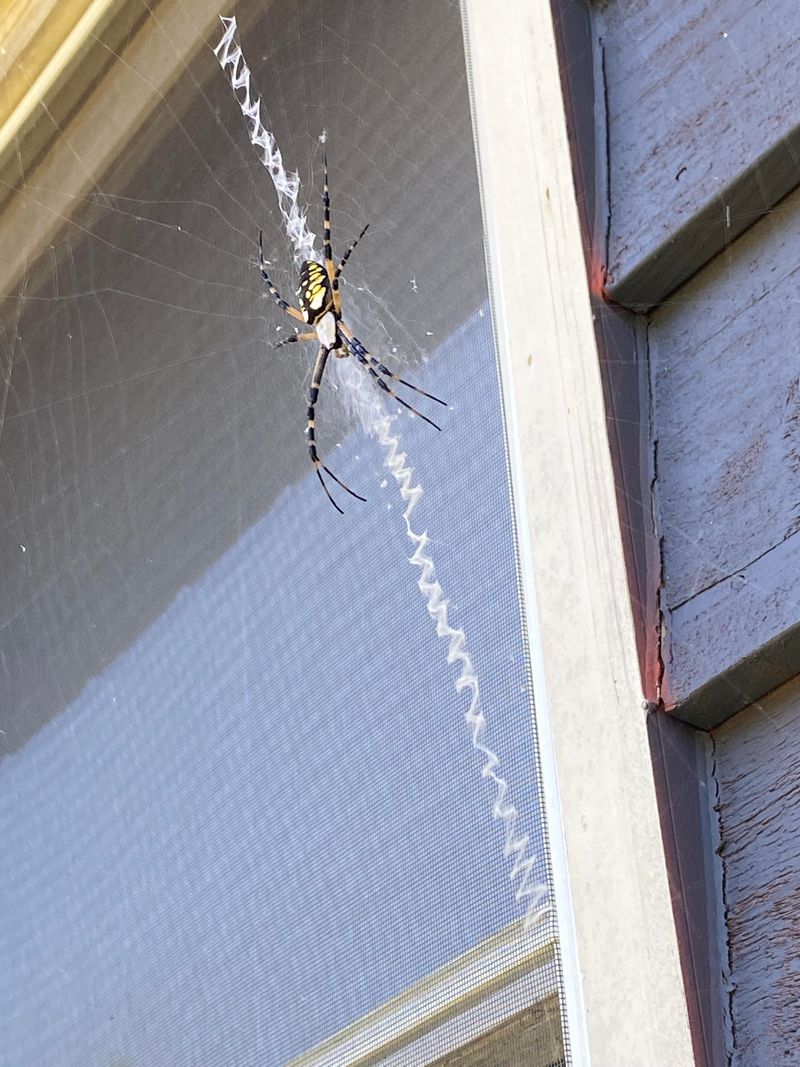
Late summer brings a surprise to many flower beds. One morning, a big spider with bold yellow stripes is sitting in a web as wide as a dinner plate, right between your zinnias.
The black and yellow garden spider, also called the writing spider, looks fierce. Its web even has a thick zigzag line down the middle, which old Southern stories claimed would spell out a name.
It is a fun legend, but nothing more.
While it can bite if grabbed, it is not dangerous to people. It spends its days trapping grasshoppers, flies, and other bugs.
Leave the web up and enjoy your free pest patrol.
4. Five-Lined Skink
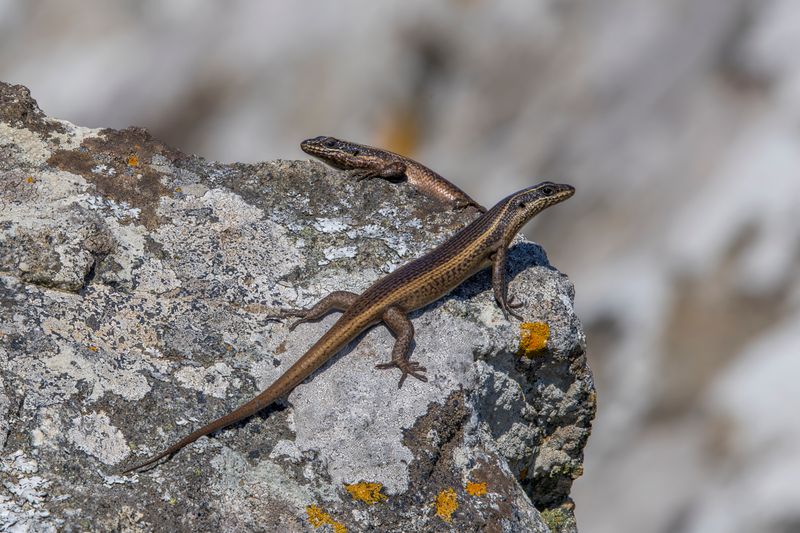
Ever seen a flash of electric blue zip across a stone path? That was probably a young five-lined skink.
Kids love them, and a lot of grown-ups jump when one darts out.
An old myth in the South says the blue-tailed skink is poisonous, sometimes called a scorpion. Not true.
These small lizards have no venom and pose zero threat to people or pets.
The bright tail actually helps them survive. If a bird grabs it, the tail breaks off and keeps wiggling while the skink escapes.
They eat crickets, beetles, and spiders, so they are welcome guests among your plants.
5. Eastern Garter Snake
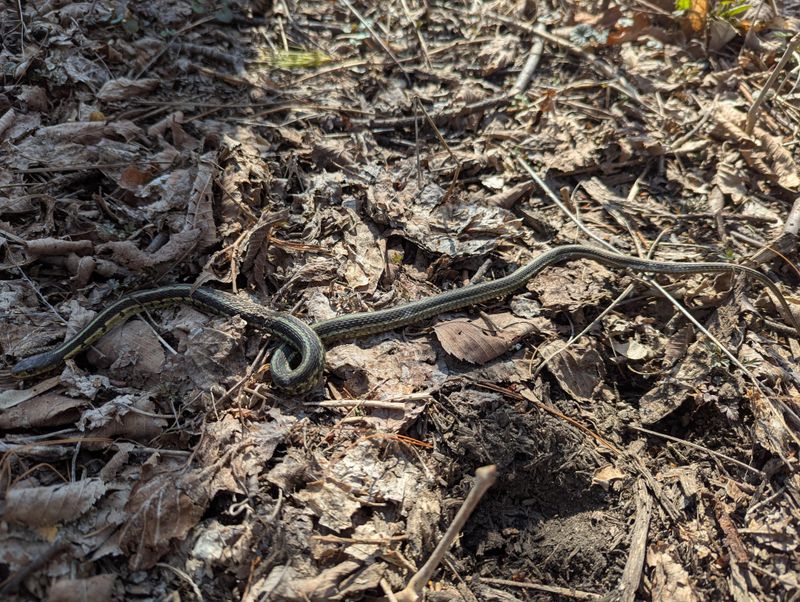
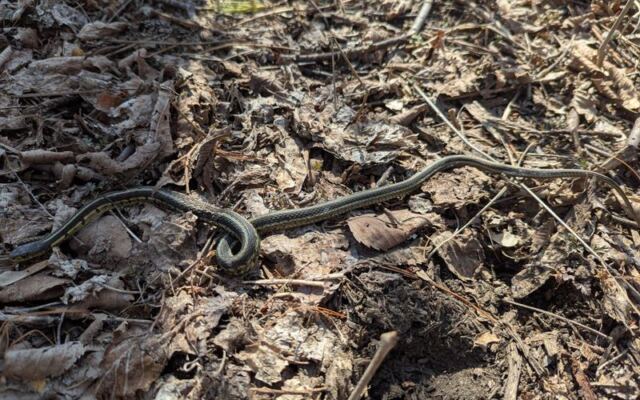
Spring weeding season often comes with a quick, striped surprise. Garter snakes love damp, leafy spots, so they turn up in lettuce rows and under mulch all the time.
They are slim, usually under three feet, with yellow or greenish stripes running down their backs. If you pick one up, it might release a smelly musk, which is unpleasant but totally harmless.
Gardeners actually have reason to cheer. Garter snakes gobble up slugs, worms, and insects that munch on young plants.
A few rocks or a small brush pile can give them a cozy place to stay.
6. Wolf Spider
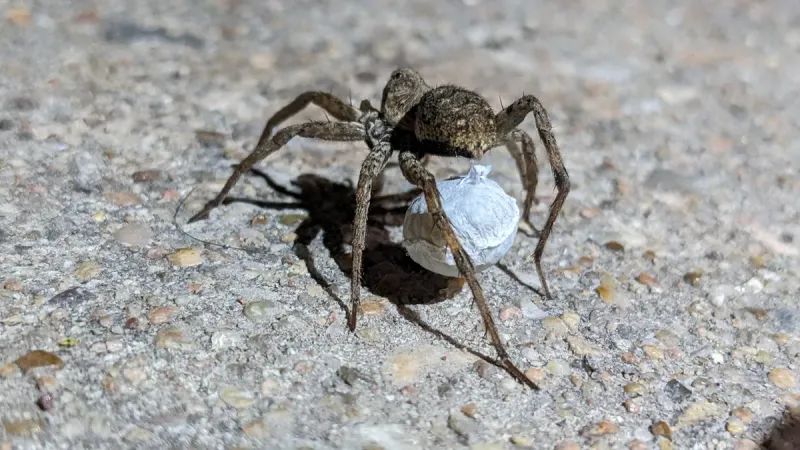
Hairy, quick, and about the size of a half dollar. That description alone is enough to send some folks running.
Wolf spiders don’t spin webs. They hunt on the ground, which means they sometimes race right past your shoes.
Mother wolf spiders are especially memorable. They carry their egg sacs, and once the babies hatch, the spiderlings ride on her back.
It is creepy and kind of sweet at the same time.
A bite is rare and usually feels like a mild bee sting. They are not considered dangerous.
Their nightly hunts help keep cockroaches and crickets in check.
7. Eastern Fence Lizard
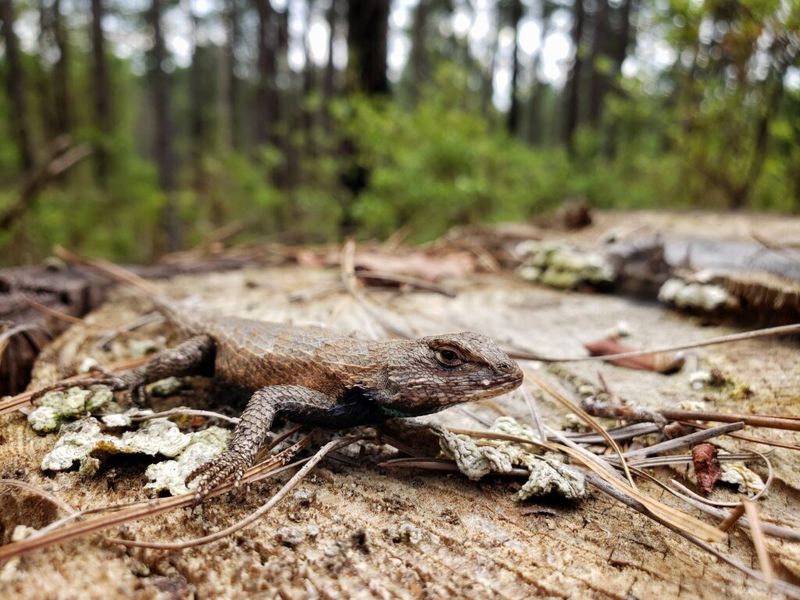
Some critters startle you by moving. This little guy startles you by staring back and doing push-ups.
Male eastern fence lizards bob up and down to show off and warn rivals.
They have rough, spiny scales and gray-brown coloring that blends right into tree bark and fence posts. When they freeze, you might not notice them until you nearly touch one.
That sudden discovery is what makes people jump.
Males also flash bright blue patches on their bellies during breeding season. They are completely harmless and feast on ants, beetles, and other garden bugs.
Think of them as tiny sunbathing bodyguards.
Share this story