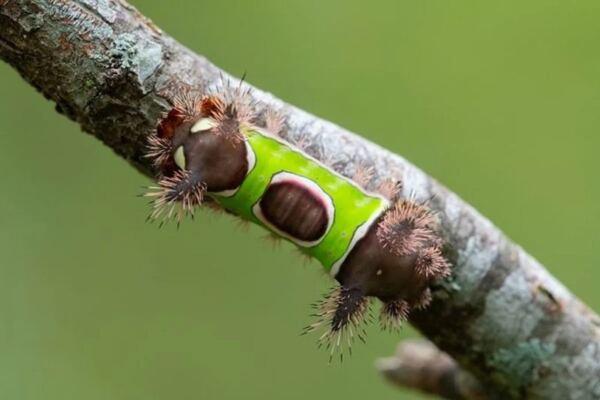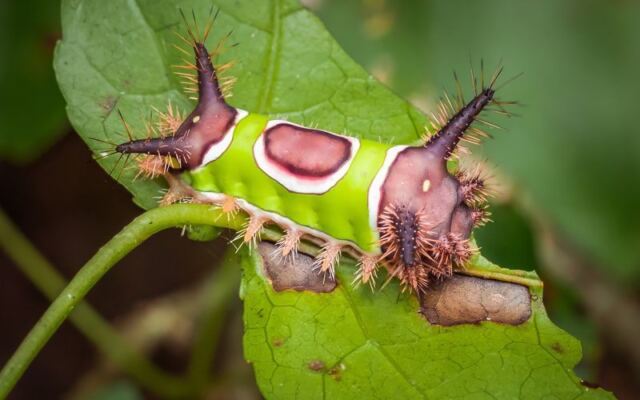
After a saddleback caterpillar sting, use a tool to remove the caterpillar if it is still on you, press sticky tape on the skin and lift it away, then wash with soap and water. A wrapped cool pack may ease the ache, and Virginia Poison Help at 1-800-222-1222 can advise you about your exposure.
Gardeners often get hit while pulling weeds or picking vegetables, so it pays to know the routine ahead of time. Here is how each step works and when to call for more help.
Why saddleback caterpillar contact can hurt
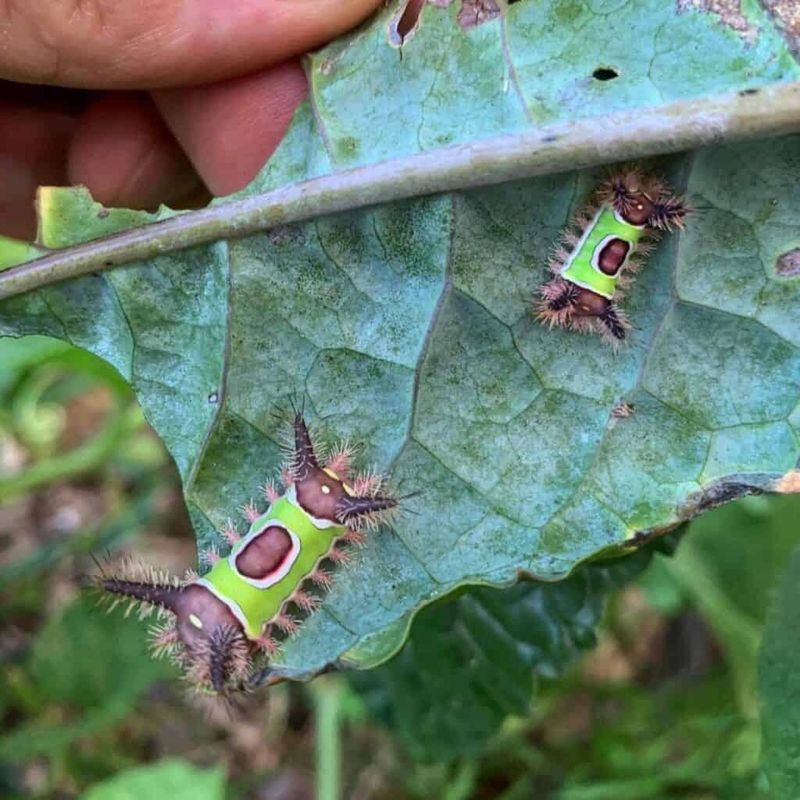
Brushing against a saddleback caterpillar can hurt because of its stinging hairs and spines. These are not a bee-like stinger.
They touch the skin or break off in it and cause irritation, which is why people call the contact a sting.
According to Poison Control, caterpillar contact involves these hairs or spines, and the reaction may come from a toxin in them. Pain can start right away.
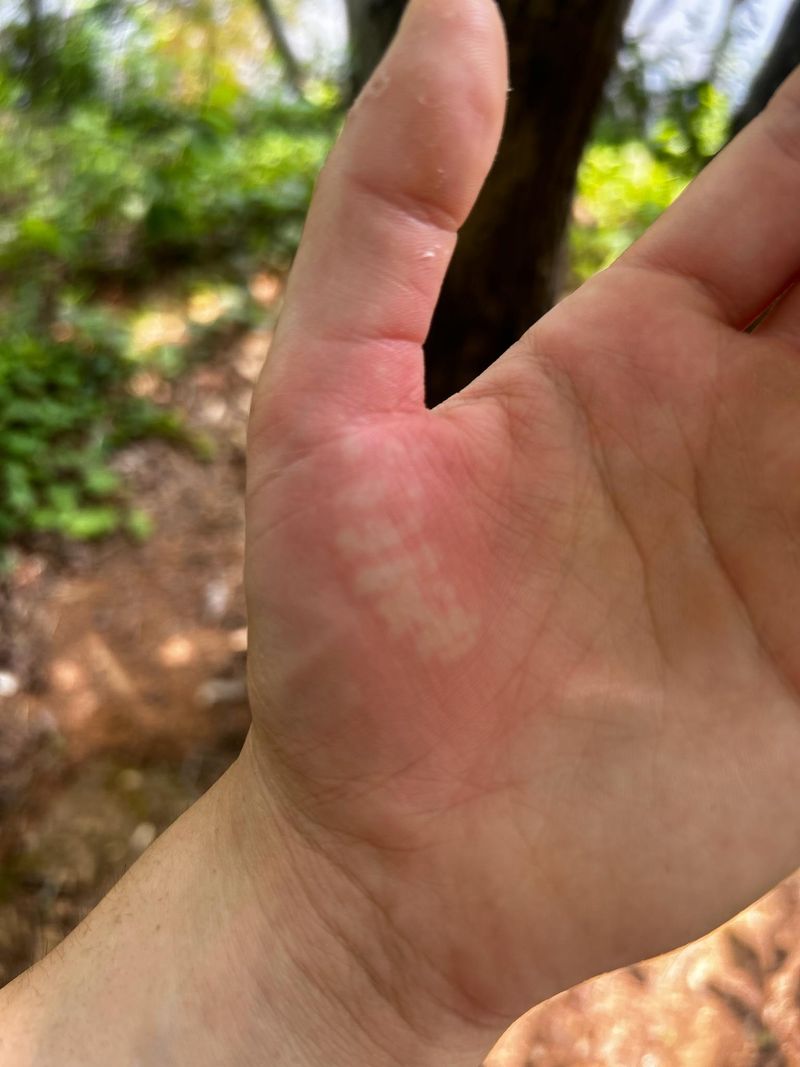
Redness, swelling, itching, or blistering may follow, and symptoms and severity vary from person to person.
The caterpillar has a green saddle-shaped patch on a brown body, with prominent knobs and smaller stinging projections along its sides, as described by Virginia Cooperative Extension. Treat that look as a clue, not proof.
A painful rash can have several causes, and Virginia has other stinging caterpillars too.
So never pick up a suspected caterpillar to figure out what it is. Extension guidance advises avoiding contact with stinging caterpillars.
Handling one only invites more hairs into your skin.
That is the reason the first steps matter. Stopping further contact and clearing away spines that may still be on the skin gives you the best chance of keeping the irritation from dragging on.
The next sections walk through each step in plain terms.
Remove the caterpillar without touching it
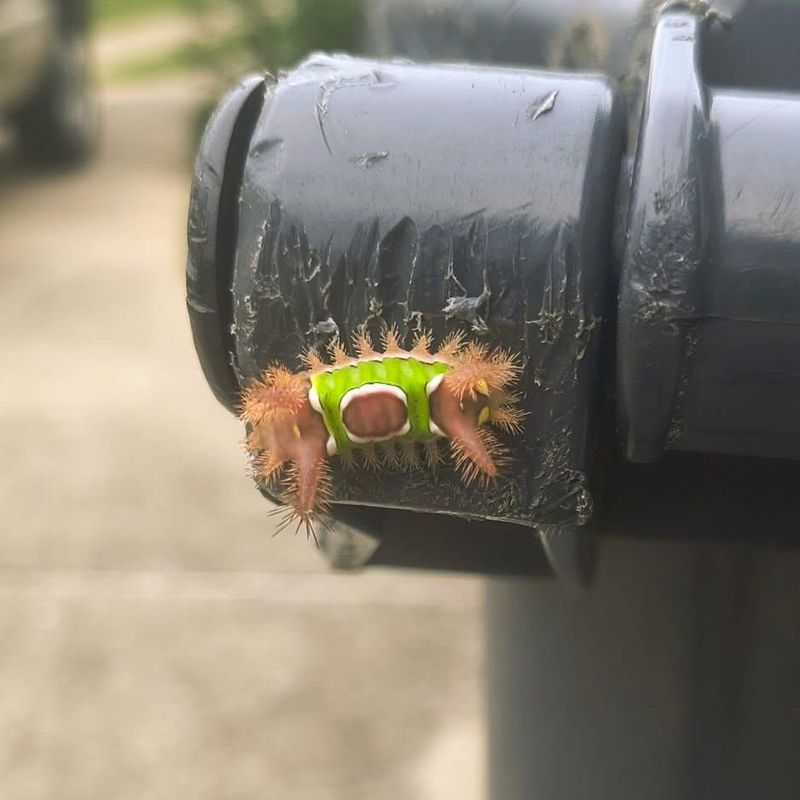
If the caterpillar is still on your skin, get it off with a tool or a stick. A twig, a pair of tweezers, or a folded piece of cardboard all work.
Bare fingers do not, because they put you in direct contact with the same hairs that caused the trouble.
Poison Control recommends removing the caterpillar with a tool rather than your hands. Do not crush it, do not swat or brush it away by hand, and do not pick it up.
Crushing can release more hairs and spread them across your skin.
Move it away from the area where you are working, then step back. Virginia Cooperative Extension advises avoiding contact with stinging caterpillars, and that includes the cleanup after the first sting.
You do not need to know for sure what kind of caterpillar it was before you start. Get it off first, and keep the identification question for later, from a safe distance or a photo.
Removing the caterpillar is a separate job from dealing with hairs already on your skin. Even after the insect is gone, loose spines may remain, and the next step handles those.
Use tape to lift away possible spines, then wash
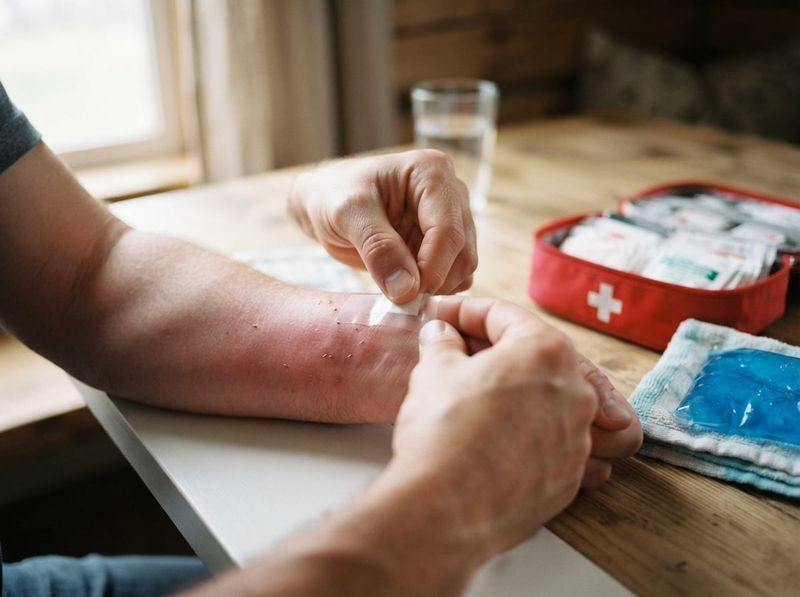
Once the caterpillar is gone, gently press a piece of sticky tape onto the affected skin and lift it straight off. The idea is to pull away hairs or spines that may be stuck there.
Use a fresh piece for each pass, and do not reuse tape.
Try not to rub the area before or during this step. Rubbing can push tiny spines deeper.
The Virginia Poison Center describes using tape to remove embedded hairs after a caterpillar sting.
Washing is the other half of the routine. Clean the skin with soap and water to clear away leftover hairs and irritants.
NC Poison Control also describes tape followed by washing.
Here is a wrinkle worth knowing. Sources do not agree on the order.
NC State Extension says to wash, let the skin dry, and then use adhesive to remove remaining spines.
No comparison studies show that one order beats the other. Both actions are recommended, so do both promptly, and do not stress over which comes first.
If you are unsure, a call to poison control can help you decide based on your situation.
Use a cool pack for comfort, not as a cure
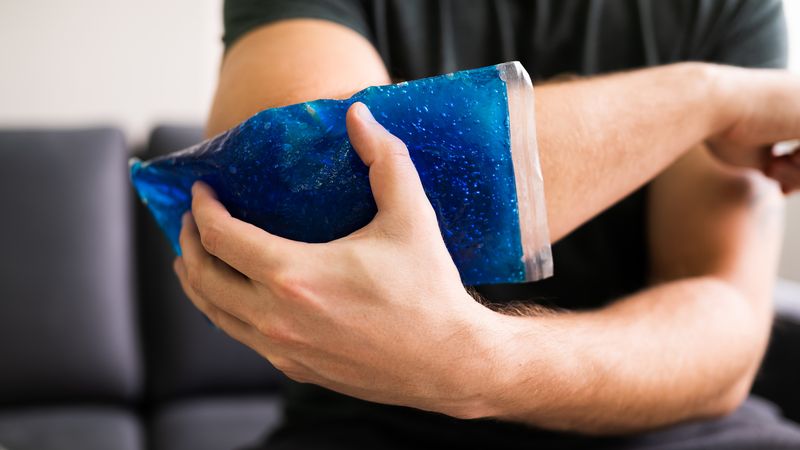
After the spines are off and the skin is clean, comfort becomes the goal. A cool pack wrapped in a cloth may help with swelling or discomfort, as noted by Virginia Cooperative Extension.
Keep a cloth between the pack and your skin so the cold does not irritate it further.
Think of it as relief, not a fix. Nothing here promises to stop the pain or prevent a serious reaction.
Ice, hydrocortisone cream, and antihistamines are sometimes suggested, but recommendations vary and so does how people respond.
You may also see baking-soda paste mentioned online. It is an unproven comfort idea, not something that neutralizes venom, and it is never a necessary first step.
Poison Control recounts a saddleback case where baking-soda paste and several other home remedies did not help.
Keep comfort measures separate from the steps that matter most: removing possible spines and getting advice when you need it. A cool pack should never take the place of either one.
If symptoms last or get worse, or if you see substantial blistering, seek medical advice. Recovery time differs from person to person, so there is no set number of hours or days to wait for.
Know when symptoms need emergency or medical care
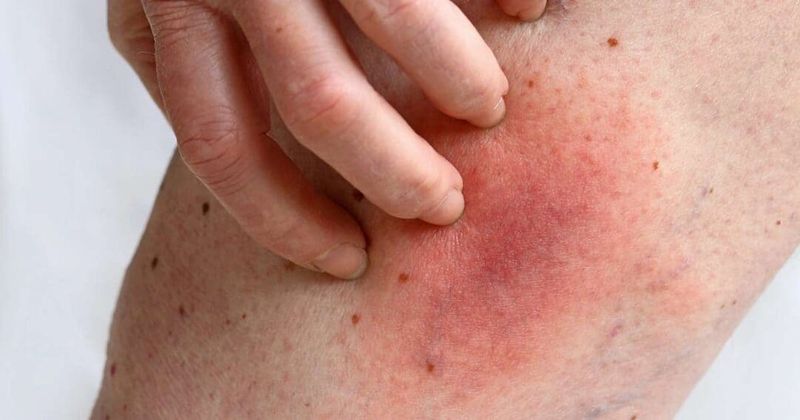
Most skin contact causes local irritation: pain, redness, itching, or a bit of swelling where the spines touched. That is uncomfortable, but it does not call for an ambulance.
Some reactions go beyond the skin, though, and those need fast action.
Call 911 for trouble breathing or swallowing, swelling of the lips or tongue, fainting, or other signs of a serious allergic reaction. MedlinePlus describes anaphylaxis as a life-threatening emergency.
Do not wait to see whether these symptoms get worse.
Eyes need special care. If hairs get into your eyes, rinse with plenty of water and seek medical help.
Do not rub them, since that can scratch the surface.
Breathing in hairs also deserves medical attention. MedlinePlus guidance on caterpillars covers these exposures, and a clinician can judge what is needed.
A simple way to sort it out: symptoms staying on the skin usually fit the home routine, while anything involving breathing, the face, the eyes, or feeling faint should move you to emergency or medical care right away.
Call Virginia Poison Help for advice about your exposure
The number to keep handy is 1-800-222-1222. Calling it connects you to your local poison center, and in Virginia that means the Virginia Poison Center.
The call is a way to get advice tailored to what happened to you.
Calling makes sense after a suspected caterpillar sting, especially if pain lingers, symptoms get worse, or blistering is substantial. A specialist can ask about your symptoms and suggest next steps.
The HRSA Poison Help guide explains what to expect when you call.
Poison Help is not a stand-in for 911. If you have trouble breathing or swallowing, swelling of the lips or tongue, or you faint, call 911 first.
For everything else, the plan is short. Avoid direct contact, remove the caterpillar with a tool, lift possible spines with tape, wash with soap and water, and reach for the right level of help.
No one can promise a recovery time, so let your symptoms guide you.
Save the number in your phone before gardening season gets busy. It takes ten seconds now and saves a scramble later.
Share this story