Get the latest garden guides in your inbox →
Gardening Latest
  • General Gardening
  • Lawn Care
  • Plant Care
  • Composting
  • Soil Health
  • Backyard
  • Garden Muse Magazine
  • General Gardening
  • Lawn Care
  • Plant Care
  • Composting
  • Soil Health
  • Backyard
  • Garden Muse Magazine
  • News
  • Gardening Calendar
  • Garden Structures
  • Vegetable Garden
  • Vertical Garden
  • Raised Beds
  • Hydroponics
  • General Equipment
  • Community Gardens
Garden Themes
  • Spiritual Garden
  • Hydroseeding
  • Seeding and Laying Sod
  • Artificial Grass
  • Lawn Care Equipment
  • Plants
  • Trees
  • Planting Tools
  • Composting Basics
  • Fertilizer
  • Alternative Growing Mediums
  • Front Yard
  • Backyard Activities
  • Landscaping
Gardening Latest

Explore by state

Which state is your garden in?

Currently viewing South Carolina

All states

Northeast

  • Connecticut —
  • Delaware 45
  • Maine —
  • Maryland 31
  • Massachusetts 47
  • New Hampshire —
  • New Jersey 31
  • New York 40
  • Pennsylvania 40
  • Rhode Island —
  • Vermont —

Southeast

  • Alabama 31
  • Arkansas —
  • Florida 31
  • Georgia 31
  • Kentucky 45
  • Louisiana 30
  • Mississippi —
  • North Carolina 29
  • South Carolina 44
  • Tennessee 28
  • Virginia 30
  • West Virginia —

Midwest

  • Illinois 30
  • Indiana 32
  • Iowa 44
  • Kansas —
  • Michigan 31
  • Minnesota 30
  • Missouri 30
  • Nebraska —
  • North Dakota —
  • Ohio 31
  • South Dakota —
  • Wisconsin 45

Southwest

  • Arizona 30
  • Colorado —
  • Nevada —
  • New Mexico —
  • Oklahoma —
  • Texas 29
  • Utah —

West

  • Alaska —
  • California 30
  • Hawaii —
  • Idaho —
  • Montana —
  • Oregon —
  • Washington —
  • Wyoming —

No state matches that search.

Site menu

Gardening Latest
  • General Gardening
    • News
    • Gardening Calendar
    • Garden Structures
    • Vegetable Garden
    • Vertical Garden
    • Raised Beds
    • Hydroponics
    • General Equipment
    • Community Gardens
    Garden Themes
    • Spiritual Garden
  • Lawn Care
    • Hydroseeding
    • Seeding and Laying Sod
    • Artificial Grass
    • Lawn Care Equipment
  • Plant Care
    • Plants
    • Trees
    • Planting Tools
  • Composting
    • Composting Basics
  • Soil Health
    • Fertilizer
    • Alternative Growing Mediums
  • Backyard
    • Front Yard
    • Backyard Activities
    • Landscaping
  • Garden Muse Magazine

Explore

  • About GardeningLatest.com
  • Contact Us

Get the latest from the garden

New guides on lawn care, plants and backyard projects, sent when they go up.

Subscribe →

Follow

  • Facebook
  • X
  • Pinterest
  • YouTube
South Carolina Gardening

Spotted a Big Black Snake Sunning on Your South Carolina Porch Steps This Winter? Here’s Which One It Is

A big black snake on your porch steps could be a black racer or a rat snake, and both are real possibilities…

BR

By Beau Rutledge

November 29, 2026 · 6 min read

Spotted a Big Black Snake Sunning on Your South Carolina Porch Steps This Winter? Here’s Which One It Is
Spotted a Big Black Snake Sunning on Your South Carolina Porch Steps This Winter? Here's Which One It Is

A big black snake on your porch steps could be a black racer or a rat snake, and both are real possibilities in South Carolina. But a dark adult cottonmouth can look a lot like them, so color and size alone will not tell you which one you have.

A warm winter day can bring snakes out to soak up the sun near doors and steps. Here is how to think through what you are seeing while staying a safe distance away.

At a glance

Where
South Carolina Gardening
Hardiness zone
8 10 to 20°F
Read
6 minutes
Published
November 29, 2026

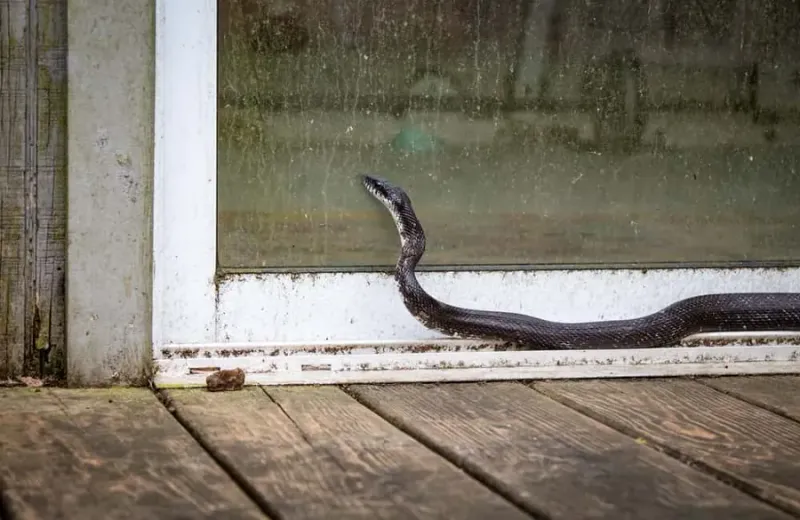
Warm weather can bring snakes out, but it cannot name one
Warm weather can bring snakes out, but it cannot name one
© Carolina Wildlife Removal

Here is the plain answer: a black racer or a rat snake is a plausible possibility for a big dark snake on your steps. An adult cottonmouth can also look dark, though.

The color, the size, the porch, and the winter date cannot settle the species, no matter how sure you feel.

Snakes depend on outside warmth to move around. South Carolina DNR explains in its overview of snakes of South Carolina that snakes are most active in the warmer months.

That fits with a peer-reviewed study in the state’s Atlantic Coastal Plain, which found that snake movement generally increased as temperatures rose.

What does that mean for your porch? A warm spell may increase snake activity, and a sunny slab of concrete is a handy place to warm up.

Basking is a sensible explanation for what you are seeing.

It is not a forecast, though. Nobody can name a single winter temperature that sends snakes out, and warmth does not tell you which species will turn up.

Treat the snake as unidentified until someone can confirm it from clear details.

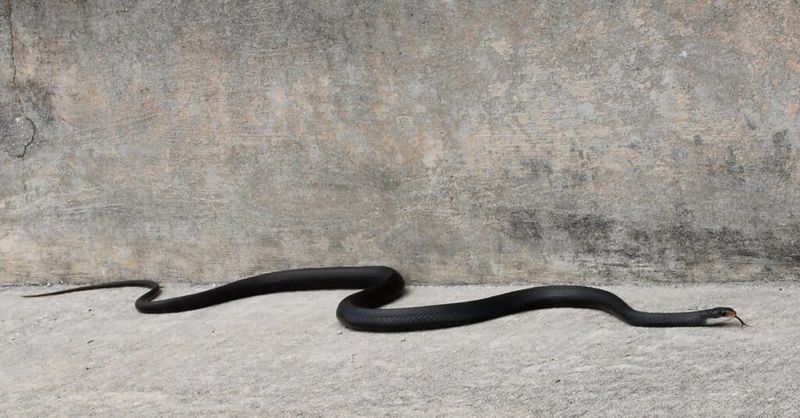
Racers and rat snakes can look different
Racers and rat snakes can look different
© A-Z Animals

South Carolina DNR gives some helpful descriptions in its guide to the black snakes. Adult black racers are dull black, slender, and fast-moving, and many have a white chin.

Adult black rat snakes in the upstate guide are shiny black, sometimes with faint blotches, and generally slower-moving.

Racers and rat snakes are nonvenomous, but DNR says larger nonvenomous snakes may bite if handled.

Age matters too. Young rat snakes are patterned, and they darken as they grow.

A blotchy snake on your steps could therefore still be a young rat snake rather than something else entirely.

Treat these as regional guidance, not a test that works the same everywhere in the state. In a coastal-plain guide from DNR, the southern black racer is the “black snake” most often observed there.

The same guide names the coastal rat snake as the yellow rat snake, so the rat snake you meet near the coast may not be black at all.

Even good descriptions are hard to use on a moving animal from across the yard. Think of them as clues that raise or lower your guess, not as proof.

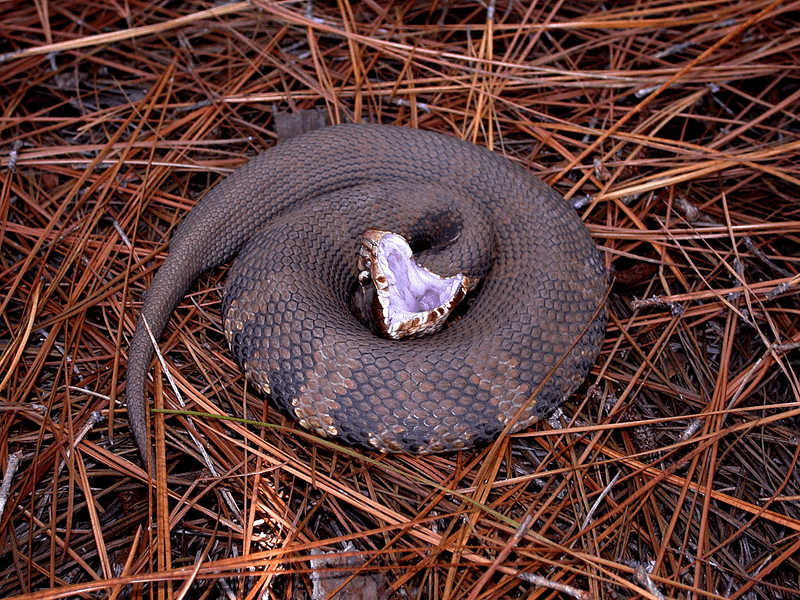
A dark snake could still be a cottonmouth
A dark snake could still be a cottonmouth
© Wikipedia

Many people expect a cottonmouth to look boldly banded. Adults often do not.

South Carolina DNR’s snake FAQ notes that adult cottonmouths can be dark, and their pattern may be hard to see. So a mostly black snake does not rule one out.

Cottonmouths are associated with wetlands and occur mainly in the Sandhills and Coastal Plain. DNR says they do not generally occur in the Piedmont or mountains, but it notes records in the Savannah River Valley in McCormick and Edgefield counties, as described in its reptile and amphibian FAQ.

Use that as background, not as proof. A porch does not make a snake a cottonmouth, and it does not exclude one either.

Near the coast, DNR’s coastal guidance says camouflage can make cottonmouths hard to see when they are basking.

Cottonmouths are also not the only venomous snakes here. South Carolina has multiple venomous species, which is one more reason to keep your distance from any snake you cannot name.

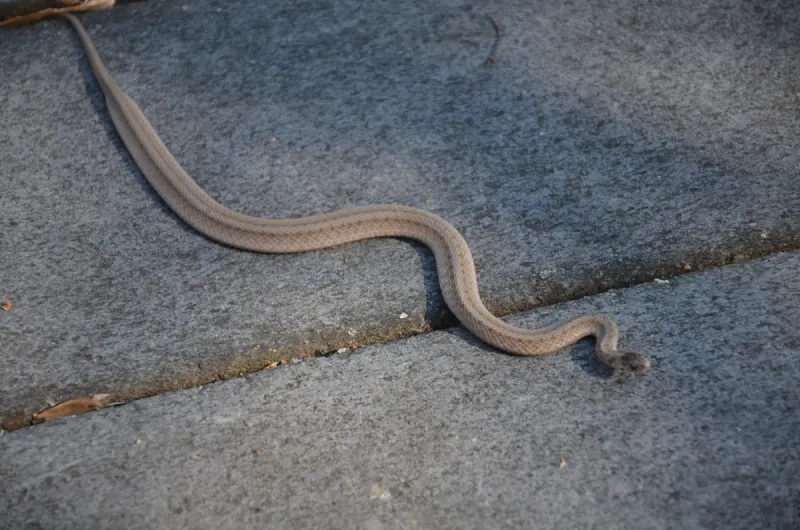
Familiar clues cannot settle the identification
Familiar clues cannot settle the identification
© BuzzSkito

Black color, a large body, a winter date, and a porch setting all feel like useful clues. None of them establishes a species.

Racers, rat snakes, and cottonmouths can all be dark, big, and sunning near a house.

Head shape is another trap. DNR notes that nonvenomous snakes can flatten their bodies and make their heads look larger or more triangular.

University of Florida extension guidance likewise warns against relying on single features. Head shape and apparent pupil shape cannot identify a venomous snake on their own, and nobody should step closer to study the eyes or facial pits.

What does help? Your county, plus a clear view of the whole snake from far away, gives an expert something to work with.

Where you live matters, since cottonmouths are mainly a Sandhills and Coastal Plain concern.

Even then, a photo may not be detailed enough. SCDNR cautions that poor-detail images may not support an identification.

If you are unsure, keep your distance and ask for reliable help.

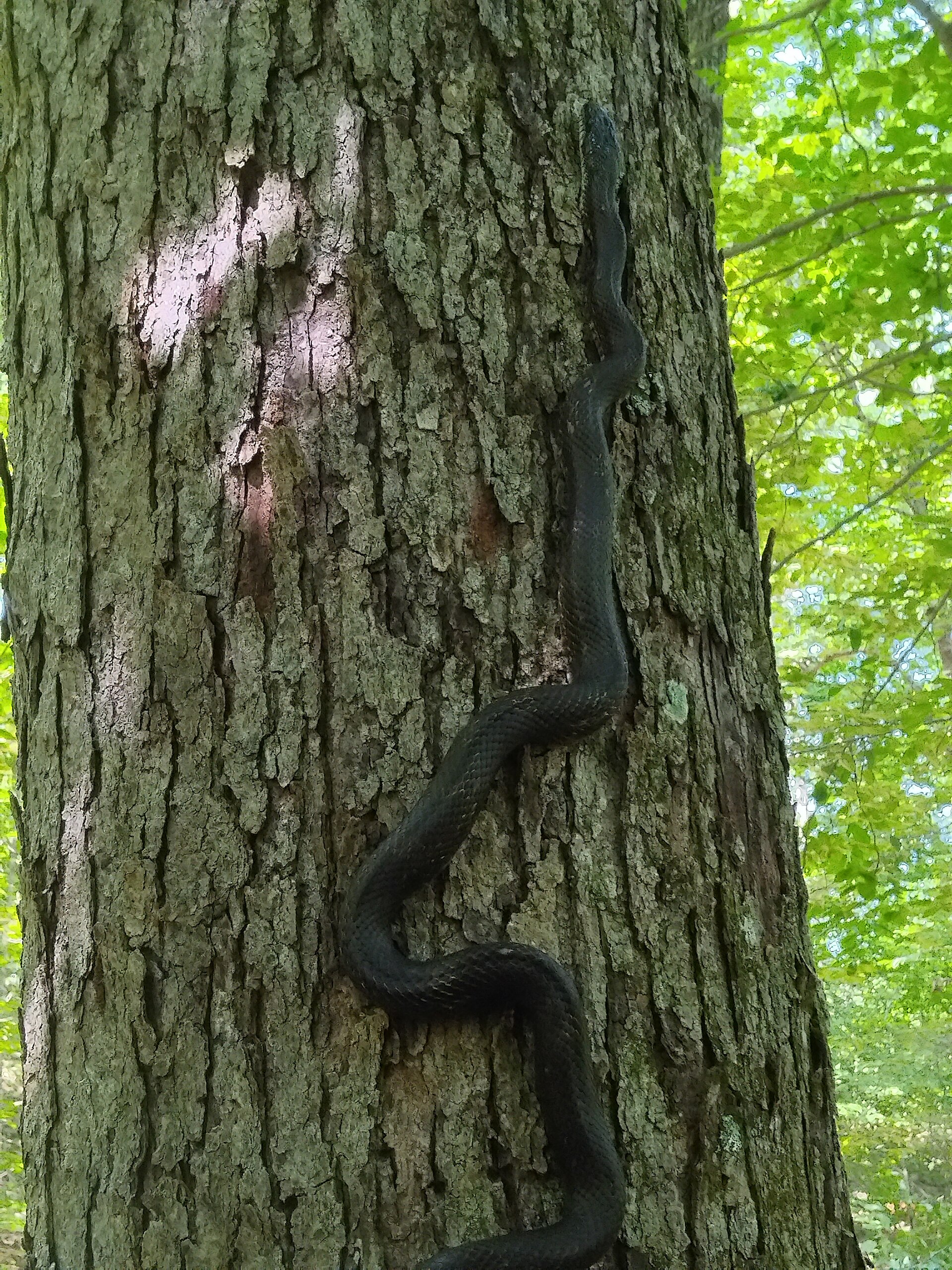
Give the snake room and take a photo only from a safe distance
Give the snake room and take a photo only from a safe distance
© Vinx Pest Control

At the doorway, the first job is simple: keep people and pets back. Bring dogs inside, call children away, and use another exit if you have one.

Give the snake room to leave on its own.

Do not corner, catch, move, handle, or try to kill it. Racers and rat snakes are nonvenomous, but DNR says larger nonvenomous snakes may bite if handled.

An unidentified snake could be venomous, and most bites happen when people try to interfere.

If you can take a photo without moving closer, do it. Zoom in from where you stand, include the whole snake, and note your county.

Skip the photo if getting it means stepping toward the animal.

You can then ask for help through SCDNR’s identification assistance page. Be aware that a blurry or partial image may not be enough for an answer.

If the snake is still there after a while, keep the area clear and rely on that expert help rather than a closer look.

Clear away hiding places in the yard
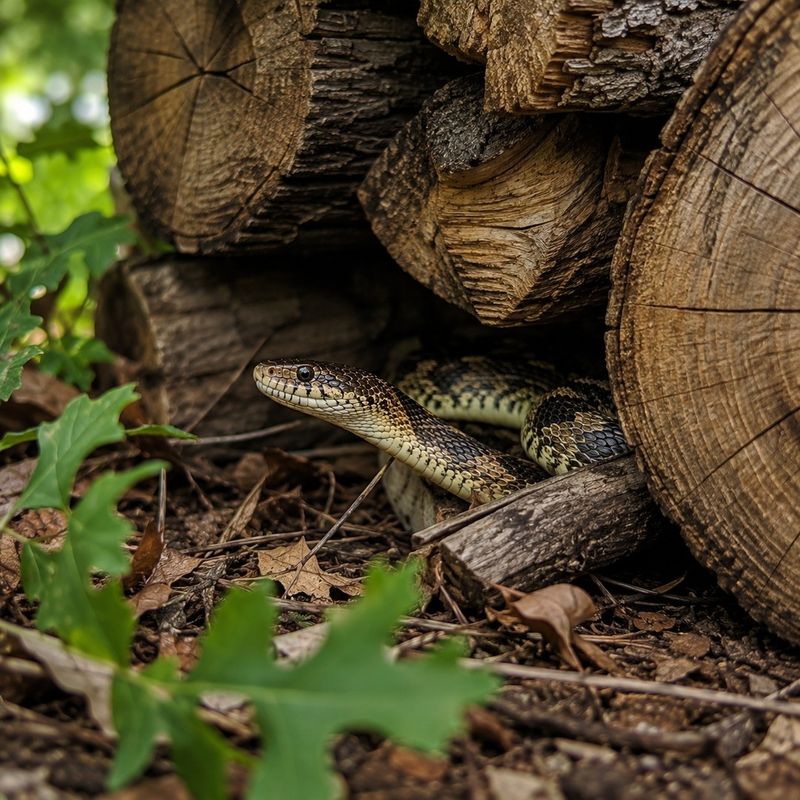
Clear away hiding places in the yard
© ecoprotx

No yard is guaranteed to be snake-free, but you can make yours less inviting. Snakes look for cover, and so do the rodents they hunt.

SCDNR recommends in its reptile and amphibian FAQ that homeowners reduce hiding places such as lumber, woodpiles, tin, and debris.

Start with the spots near doors and steps. Move scrap boards, old roofing tin, and loose piles away from the house, or get them off the ground.

Keep firewood stacked neatly and away from the foundation.

Next, look at the plants. DNR also suggests keeping grass and low shrub growth managed, which removes the dense cover that makes a sheltered resting spot.

Do this kind of cleanup on a cool day when you do not see any snakes around, and wear sturdy gloves and boots when moving things. Treat each pile as a possible hiding place and lift it with a tool rather than your bare hands.

Get medical care promptly after a suspected venomous bite
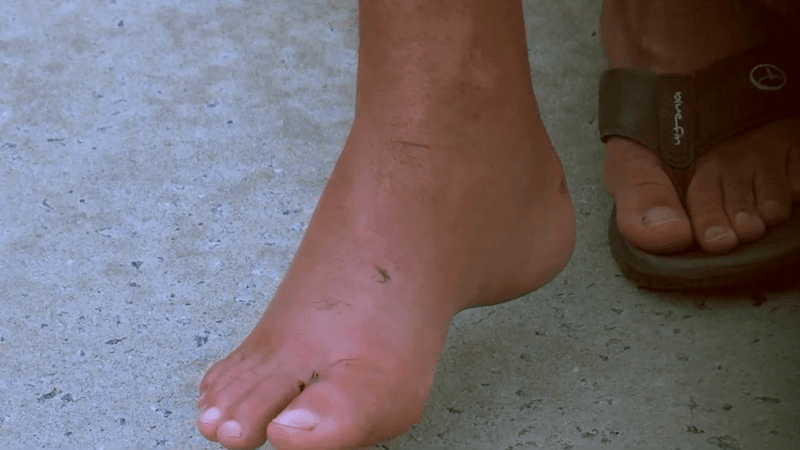
Get medical care promptly after a suspected venomous bite
© WACH

If someone is bitten and you think the snake may be venomous, seek medical attention promptly. The South Carolina Department of Public Health lists this kind of guidance in its animals and insects safety advice.

Do not wait to be sure of the species.

Do not cut the wound, and do not try to suck out the venom. Skip other home remedies too, since they are not supported and can make things worse.

Leave the treatment to medical professionals.

Also avoid any attempt to catch or kill the snake to prove what it was. DNR’s snake FAQ advises against trying to kill venomous snakes.

Get away from the snake and get help.

A calm distance is the best protection you have.

Share this story
BR

Written by

Beau Rutledge

More from Beau Rutledge →

About Gardening Latest

Gardening Latest provides in-depth guides to maintaining and enhancing your garden and backyard. Learn how to make the most of the space you have and create a beautiful garden.

More about us →

Latest stories

  • Missouri GardeningIf Your Missouri Woodpile Sits Against the House, You’re Inviting Brown Recluses Indoors This Winter

    If Your Missouri Woodpile Sits Against the House, You’re Inviting Brown Recluses Indoors This Winter

    3 min ago
  • Tennessee GardeningBefore You Dig In, Here’s How To Recognize Every Venomous Creature Sharing Your Tennessee Yard

    Before You Dig In, Here’s How To Recognize Every Venomous Creature Sharing Your Tennessee Yard

    9 min ago
  • Alabama GardeningThat Burning Saddleback Caterpillar Sting in Your Alabama Garden Calls for These Steps Right Away

    That Burning Saddleback Caterpillar Sting in Your Alabama Garden Calls for These Steps Right Away

    15 min ago
  • Minnesota GardeningBefore You Pick Up That Big Black Caterpillar With White Spots In Minnesota, Read This

    Before You Pick Up That Big Black Caterpillar With White Spots In Minnesota, Read This

    21 min ago
  • Illinois GardeningDeer Are Rubbing Their Antlers on Your Illinois Saplings Right Now, and Here’s How to Save Them

    Deer Are Rubbing Their Antlers on Your Illinois Saplings Right Now, and Here’s How to Save Them

    27 min ago

Gardening by state

Stories for your state, and the hardiness zone most of it gardens in.

Keep exploring

Read next

All South Carolina Gardening →
South Carolina GardeningFound a Bright Red Velvet Ant in Your South Carolina Yard? It’s a Wasp, and Its Sting Is Brutal
South Carolina Gardening

Found a Bright Red Velvet Ant in Your South Carolina Yard? It’s a Wasp, and Its Sting Is Brutal

3 hr ago
South Carolina GardeningThat Big Hairy Spider Darting Across Your South Carolina Floor in Winter Is a Wolf Spider Escaping the Cold
South Carolina Gardening

That Big Hairy Spider Darting Across Your South Carolina Floor in Winter Is a Wolf Spider Escaping the Cold

6 hr ago
South Carolina GardeningThat Fuzzy Caterpillar Hiding Under Your South Carolina Oak Leaves Stings Harder Than a Wasp
South Carolina Gardening

That Fuzzy Caterpillar Hiding Under Your South Carolina Oak Leaves Stings Harder Than a Wasp

9 hr ago

More from South Carolina Gardening

  • Those Slow, Fuzzy Black-and-Orange Caterpillars Crossing Your South Carolina Driveway Right Now Are Looking for a Winter Bed

    Nov 27
  • Those Bright Orange Mushrooms Popping Up in Your South Carolina Mulch After Rain Are Jack-o’-Lanterns, and They’re Poisonous

    Nov 26
Back to top

Leave a response Cancel

Your email address stays private. Required fields are marked with an asterisk.

Gardening Latest

In-depth guides to maintaining and enhancing your garden and backyard: how to make the most of the space you have, and how to make it beautiful.

  • Facebook
  • X
  • Pinterest
  • YouTube

We may earn a portion of sales from products or services that are purchased through our site as part of our affiliate partnerships with retailers.

Explore

  • About GardeningLatest.com
  • Contact Us
  • Terms and Conditions
  • Privacy
  • Editorial Note:
  • FTC Disclosure

Newsletter

New garden guides and seasonal tips, straight to your inbox.

We’ll email you a link to confirm. Unsubscribe any time.

Almost there! Check your inbox and tap the link to confirm.

© 2026 Gardening Latest. All rights reserved.

Back to top