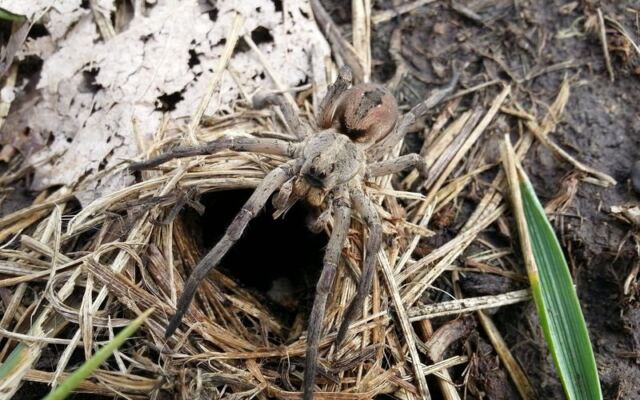
That big hairy spider sprinting across your floor in winter may well be a wolf spider, and South Carolina extension experts say it is a plausible visitor. Spotting one can be a real jolt, especially when it moves fast and looks large.
Knowing what clues to look for, how much a bite matters, and how to get it out of your house can turn panic into a calm plan. Here is what to know before you reach for a shoe or a spray can.
Why a wolf spider may show up in winter
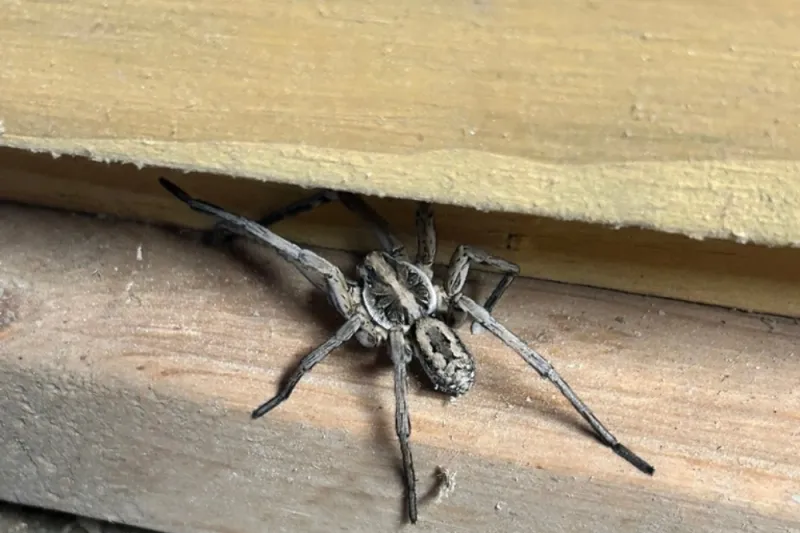
Clemson Extension reports that some South Carolina wolf spiders may wander into homes before winter and remain there during cold weather. So if a big, fast spider crosses your floor in January, a wolf spider is a reasonable guess.
It is a plausible winter visitor, though.
A guess is not a confirmed identification. Plenty of spiders are brown, hairy, and quick, and seeing one in the cold months does not tell you which kind it is.
It also does not tell you what the spider was thinking when it came inside.
It helps to know where this guidance comes from. Clemson’s wolf spider fact sheet was originally published in May 2001, so it is local extension guidance built on long-standing observations.
It is not the result of a recent South Carolina study that tested why spiders enter homes.
That still makes it useful. It tells you that finding a wolf spider indoors during the colder months is not strange for this state, and that you do not need to assume something is wrong with your house.
A single spider on the floor is usually just a single spider.
The next sections cover how to separate the reasons behind a sighting from the assumptions, how to check what you are really looking at, and what to do about it.
A winter sighting does not explain why a spider came inside
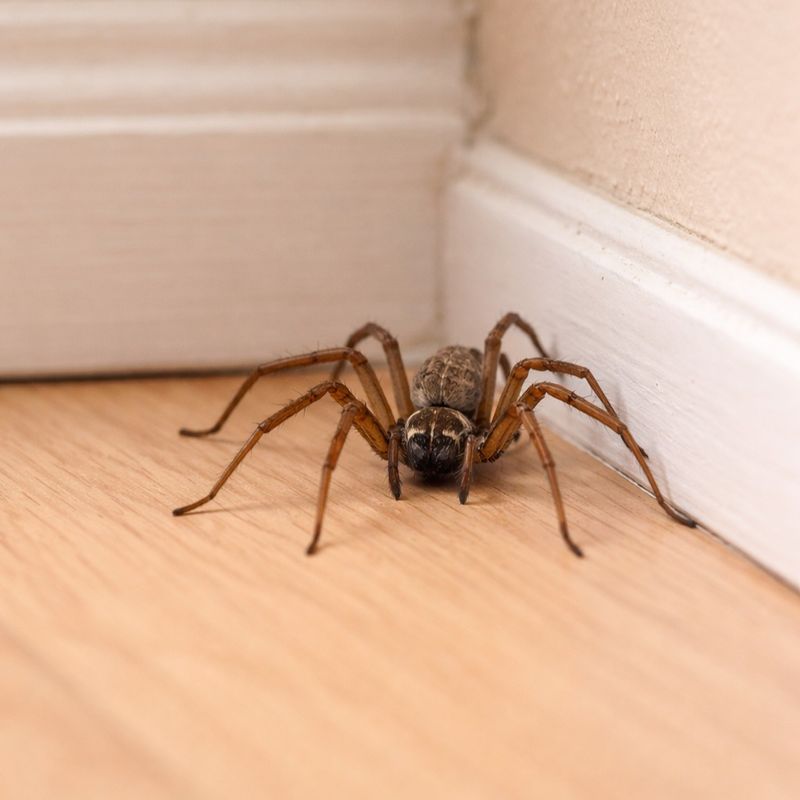
Many people repeat the idea that spiders come indoors because they are cold. That is a tidy story, but it is too broad.
Clemson’s observation is specific to some South Carolina wolf spiders wandering in before winter, while the general claim covers every spider in every home.
The Burke Museum’s arachnology resource disputes the idea that spiders generally move inside to escape the cold. It says many indoor spiders live in buildings all year.
It also notes that seasonal wandering can reflect mating, and that some outdoor spiders simply become dormant when temperatures drop.
That general account does not cancel out what Clemson reports. The Burke Museum is not describing South Carolina specifically, so it cannot rule out that some local wolf spiders do wander in around the start of cold weather.
Both statements can be true at once.
What this means in practice is that timing is a weak clue. A spider on your floor in winter might have wandered in last fall, might have lived in your walls for months, or might have been searching for a mate.
You cannot tell which from the calendar alone.
So it is fair to say a wolf spider could be seeking shelter, but not fair to say the cold is the reason every spider appears. Treat the season as background information, not proof.
Looks alone cannot identify a wolf spider
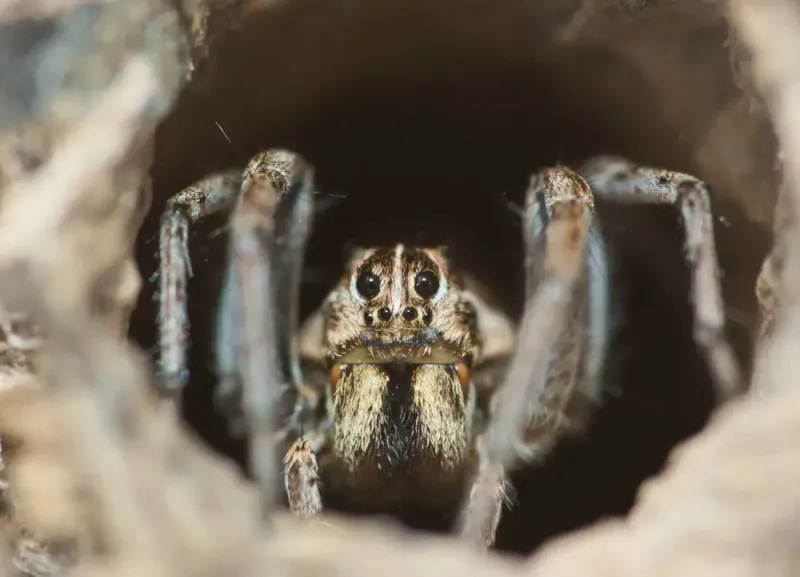
Large, hairy, and fast describes a lot of spiders. Size is not a reliable identifier, since some wolf spiders are small and some are large.
The Burke Museum explains that wolf spiders are distinguished by their characteristic eye arrangement, which is a more useful clue than how big or fuzzy the spider looks.
Wolf spiders have eight eyes in three rows, with two large eyes prominent on the face. Seeing that pattern takes a close look, often with a magnifier or a clear photo.
Even then, a quick glance at a moving spider will not give you a confident answer, so hold your conclusion loosely.
Behavior offers another hint. According to Utah State University Extension, wolf spiders are wandering hunters and are not typically web-dwelling spiders.
Females also carry egg sacs and later their spiderlings. A spider sprinting across open floor fits that hunting style, but it is not proof.
Other spiders also turn up indoors. As one regional example, University of Georgia Extension describes southern house spiders living in cracks and crevices inside buildings, and notes that males and females look very different.
That example shows how varied indoor spiders can be. It is not an estimate of how common they are in South Carolina.
If you want certainty, take a clear photo and contact your local Clemson Extension office. If not, it is perfectly reasonable to just treat it as an unidentified spider and handle it gently.
How much should you worry about a bite?
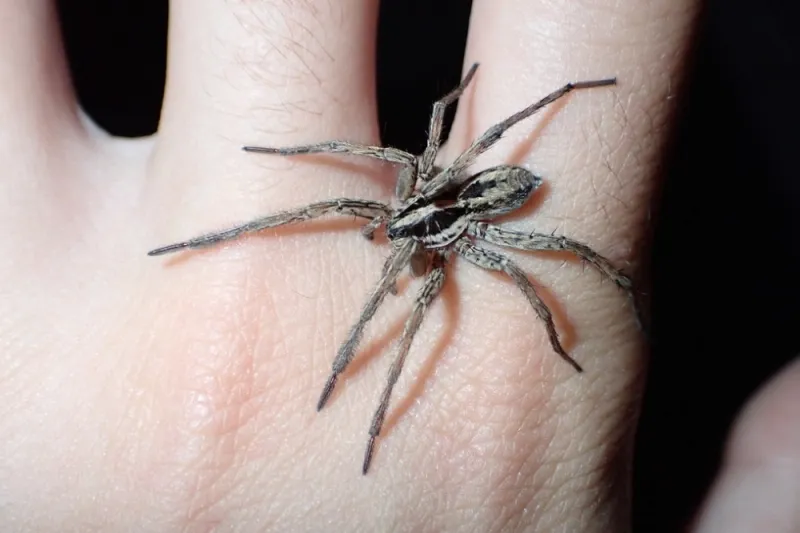
A fast spider near your bare feet is unsettling, but the health picture is reassuring. Utah State University Extension says wolf spiders are not known to be a health hazard.
They are generally treated as low-risk.
Penn State Extension adds that no serious medical consequences have been noted for their bites. That is a helpful reference point if you are worried about a child or pet.
Low-risk does not mean a bite can never happen. If a spider is handled, trapped in clothing, or pressed against skin, it may bite in self-defense.
A bite could still be sore or irritating, and people react differently.
That is why the most practical advice is simple: do not pick one up. Skip the bare-hand grab, and do not swat at it while it sits on your arm or in a towel.
Let it move off, or use a container and a sheet of paper to guide it out.
Neither extreme helps here. Calling every wolf spider dangerous is not supported, and promising that every bite will be harmless goes further than the sources do.
A sensible middle path is to give the spider space, keep skin away from it, and watch for unusual symptoms if you are ever bitten.
The next section explains which symptoms deserve a call to a professional.
When a suspected bite needs medical attention
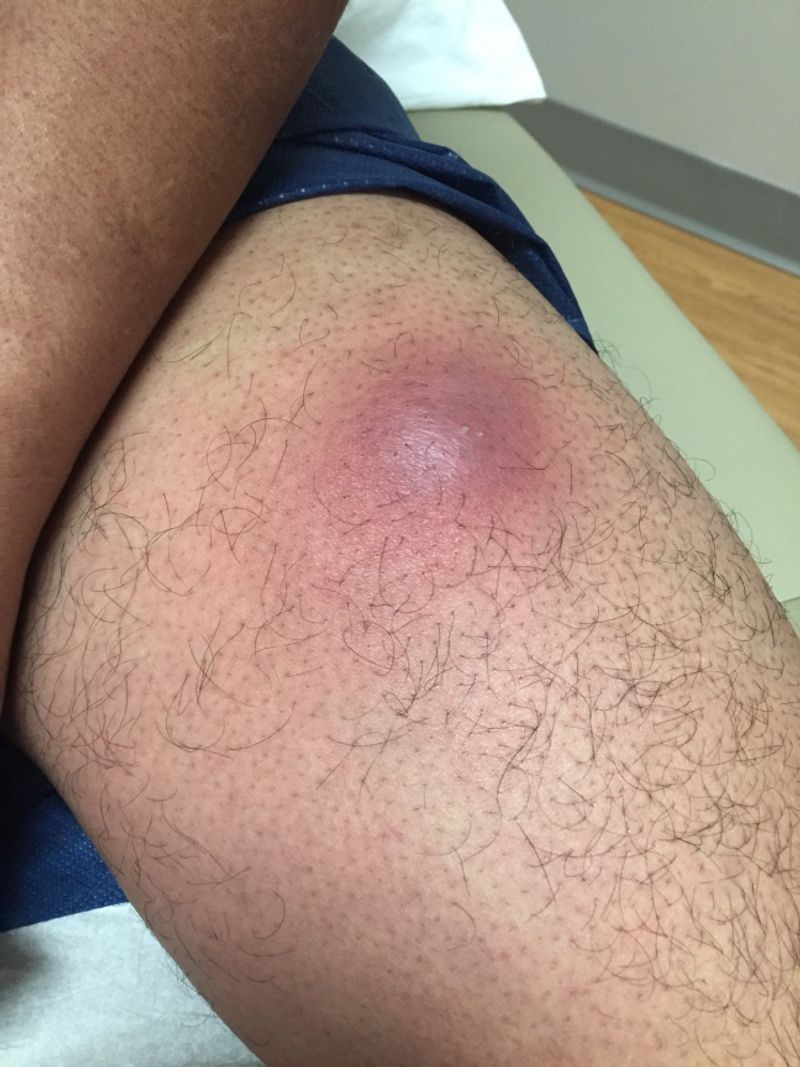
Finding a red bump or sore on your skin can make you assume a spider did it. That is a common leap, and it is not always right.
The UC Statewide IPM Program cautions that spider bites are often blamed without proof that a spider was involved, and a mark’s appearance alone may not show what caused it.
Because of that, base your decisions on symptoms rather than on guessing the cause. Whether or not you saw a spider, certain signs call for medical care.
According to the 2024 American Heart Association and American Red Cross first aid guidelines, you should seek medical care for a suspected spider bite if pain spreads or becomes severe and cannot be controlled, if an open wound develops, or if symptoms affect the body more broadly.
Call emergency services for difficulty breathing, muscle rigidity, dizziness, or confusion. Do not wait to see whether these pass, and do not drive yourself if you feel faint.
For minor irritation without those signs, gentle washing and watching the area are reasonable. If the spot changes, grows, or worries you, a clinician can evaluate it.
Bringing a photo of the spider, if you have one, may help, but it is not required for care.
Keep spiders out and remove strays without handling them
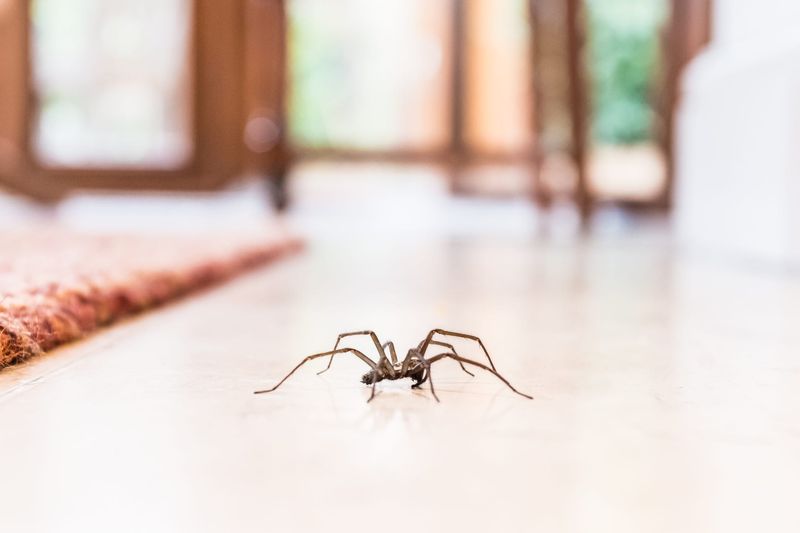
For one spider, physical removal beats spraying. Clemson advises that you catch a wolf spider in a container and release it outdoors.
A jar and a sheet of paper work well: set the jar over the spider, slide the paper underneath, and carry it outside. A vacuum is another option when a spider is hard to reach.
Keeping them out is the longer-term job. Clemson recommends keeping doors and windows screened and closed, and sealing gaps around framing with weather stripping.
Check the bottom of exterior doors, since a thin line of daylight is an easy way in.
Broader guidance from the UC Statewide IPM Program adds a few steps. Seal cracks and gaps, cut down clutter indoors, and reduce hiding places near the foundation outside, such as woodpiles, debris, and dense plantings pressed against the wall.
When you move boxes, firewood, or stored items, wear gloves. That lowers the chance of an accidental bite if a spider is tucked inside.
It is tempting to grab a can of insecticide, but UC IPM says insecticides generally do not provide long-term control. For a single wanderer, spraying adds chemicals to your home without solving the entry problem.
Sealing and tidying does more.
A spider on the floor is one more neighbor you did not invite, and the polite response is a jar and an open door.
Share this story