Texas backyards are full of life, and a few of those critters pack a painful or even dangerous bite or sting. Knowing which ones carry venom can help you keep your kids, pets, and yourself safe while you garden, play, or grill outside.
The good news is that most of these animals have clear clues that give them away once you know what to look for. Here are ten venomous neighbors you might meet in a Texas yard and the simple ways to spot each one.
1. Western Diamondback Rattlesnake
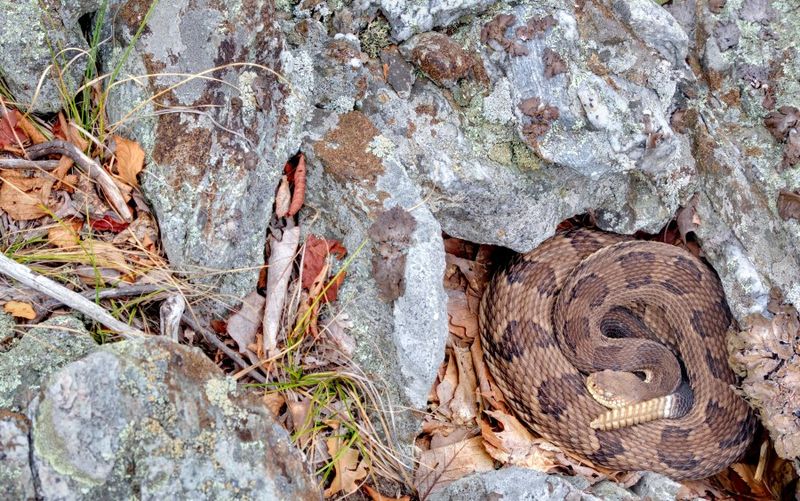
Ask any old-timer in West Texas about snakes, and this is the one they’ll mention first. The western diamondback is responsible for more serious snakebites in the state than any other species.
It can grow over five feet long, so it’s hard to miss once you see it.
Look for dusty brown or gray diamonds running down its back, each outlined in lighter scales. The real giveaway is the tail, which has bold black and white rings right before the rattle.
Folks call this the coontail look.
Diamondbacks like to hide under woodpiles, brush, and porches during hot days. If you hear a buzzing sound like dry leaves shaking, back away slowly.
Never try to move or kill one yourself, since many bites happen that way.
2. Copperhead
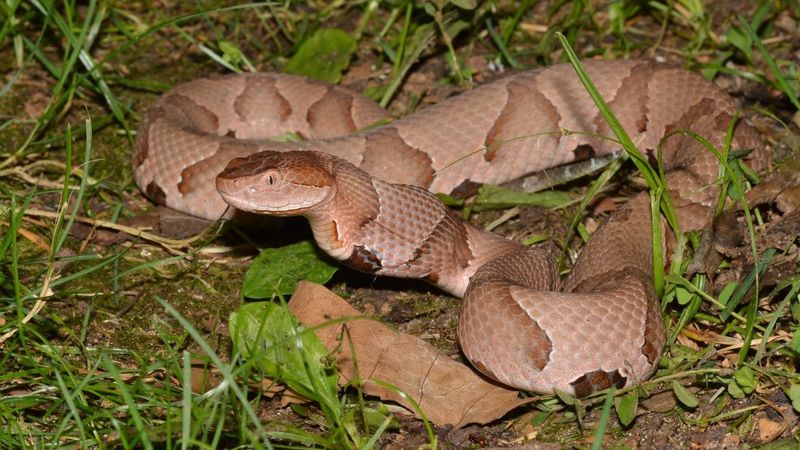
Here’s a snake that plays hide-and-seek better than any kid on your block. Copperheads blend right into fallen leaves, which is why people often step near them without noticing.
They live across much of central and eastern Texas.
Their bodies are tan or pinkish with darker reddish-brown bands. From the side, those bands look like an hourglass or a pair of Hershey’s Kisses.
The head is a solid coppery color with no pattern at all.
Copperhead bites hurt a lot but are rarely deadly to adults. Still, always get medical care if bitten.
Wear gloves and boots when raking leaves or pulling weeds in shady spots.
Fun fact: baby copperheads have bright yellow tail tips that they wiggle like worms to lure in frogs.
3. Cottonmouth (Water Moccasin)
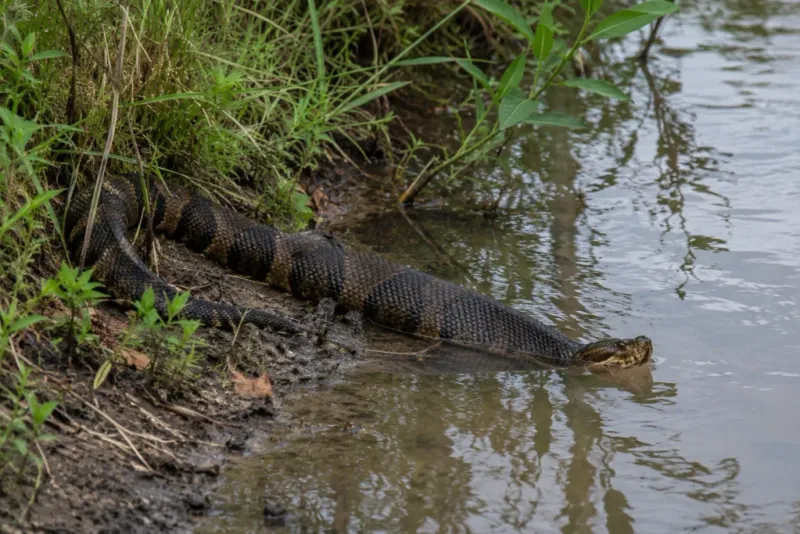
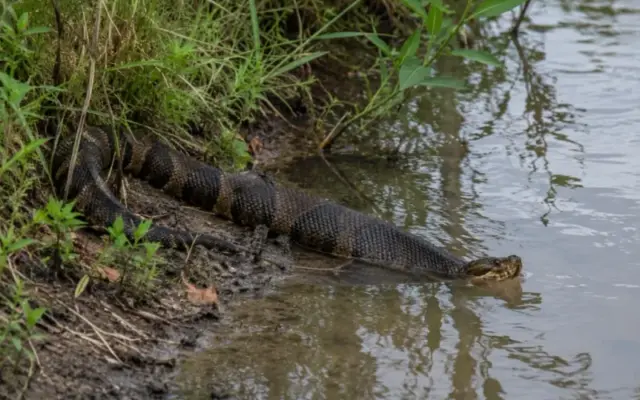
Got a pond, creek, or drainage ditch near your home? Then the cottonmouth could be a visitor.
This thick, heavy snake loves water but will happily cross a lawn to get to it.
Adults are usually dark olive, brown, or nearly black, and their patterns can fade with age. When threatened, they open their mouths wide to flash a bright white lining.
That warning display is how they got their name.
Another clue is how they swim. Cottonmouths float high with most of their body on top of the water, while harmless water snakes swim lower.
Their heads are also blocky with a dark stripe through the eye. Give them plenty of room, and keep pets away from muddy banks.
4. Texas Coral Snake
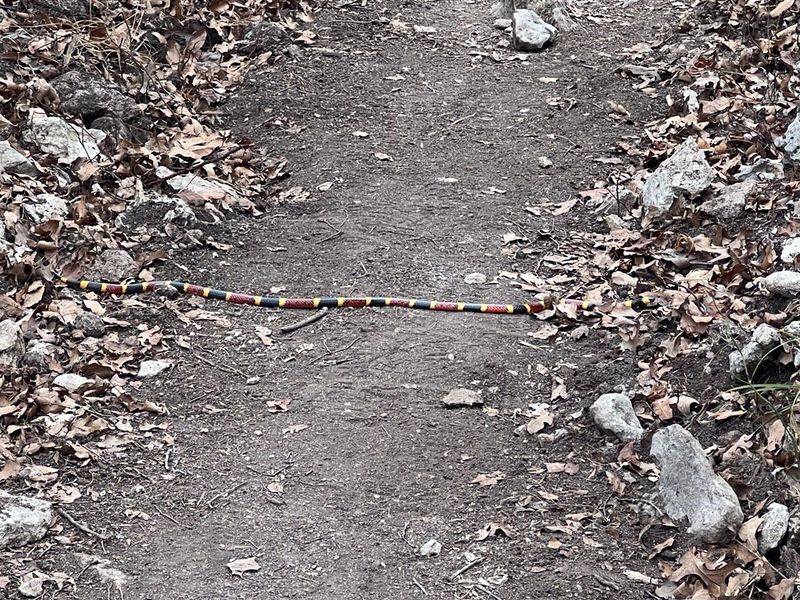
Red touches yellow, kills a fellow. That old rhyme has helped Texans tell coral snakes apart from harmless look-alikes for generations.
The Texas coral snake is slim and shiny with wide red and black bands separated by thin yellow rings. Its nose is black, and its tail has no red at all.
Milk snakes and kingsnakes have similar colors, but on them, red touches black instead.
Coral snakes are shy and spend much of their time under mulch, leaf litter, and rotting logs. Their venom attacks the nervous system, and symptoms can show up hours after a bite.
Even if you feel fine, head to the hospital right away. Honestly, the safest rule is simply not to pick up any brightly banded snake.
5. Black Widow Spider
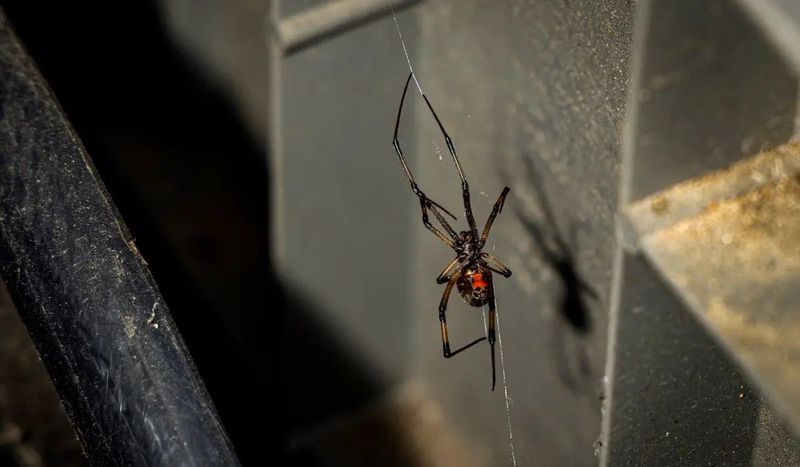
Picture a glossy black spider hanging upside down in a messy, tangled web. Flip her over, and you’ll find a red hourglass on her round belly.
That’s the classic female black widow.
These spiders love dark, quiet places like garages, sheds, water meter boxes, and under patio furniture. Their webs look sloppy and are surprisingly strong.
Males are smaller and mostly harmless, so the females are the ones to watch.
A bite can cause muscle cramps, sweating, and belly pain. Shake out gloves and shoes that have been sitting outside before you put them on.
Clearing clutter makes your yard much less inviting to them.
6. Brown Widow Spider
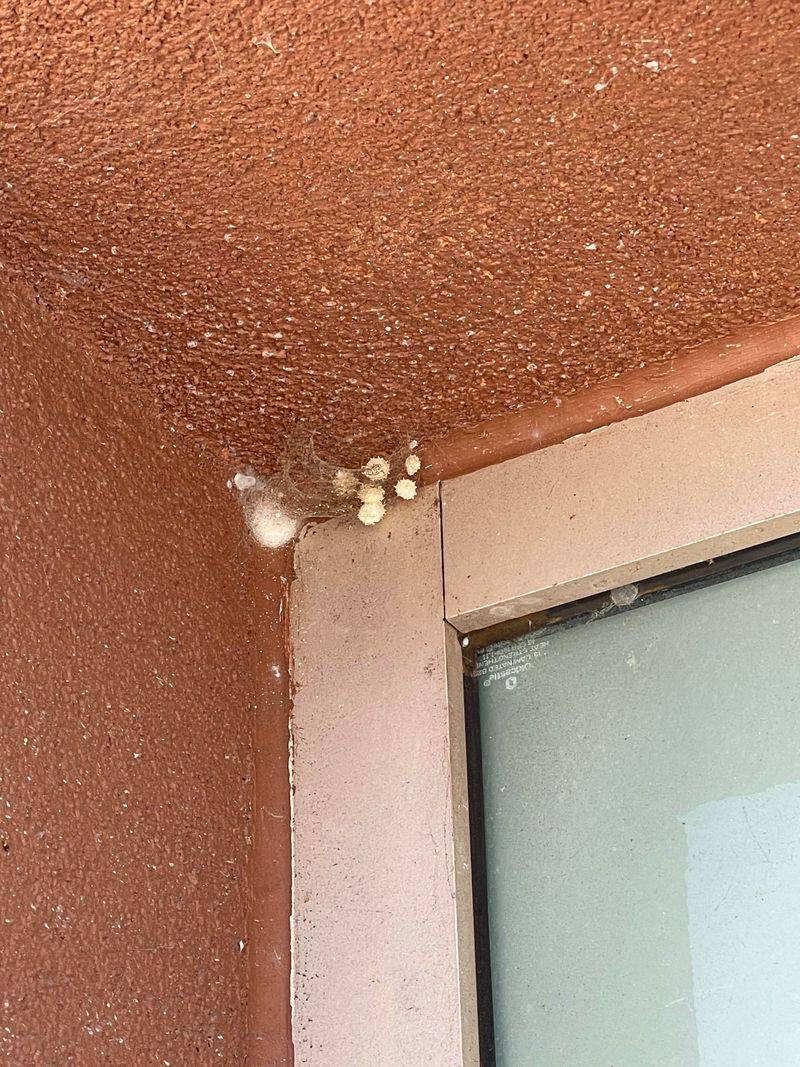
A newer arrival to Texas, the brown widow has been spreading quickly through cities like Houston and San Antonio. Many people mistake it for something harmless because it isn’t black.
Brown widows are tan to light brown with a mottled pattern on top. Underneath, they have an orange or yellow hourglass.
The easiest way to spot them is their egg sacs, which look like tiny spiky balls, almost like a mace.
Their venom is strong, but they inject less of it than black widows, so bites are usually milder. You’ll often find them under railings, mailboxes, and outdoor toys.
Checking these spots now and then keeps surprises to a minimum.
7. Brown Recluse Spider
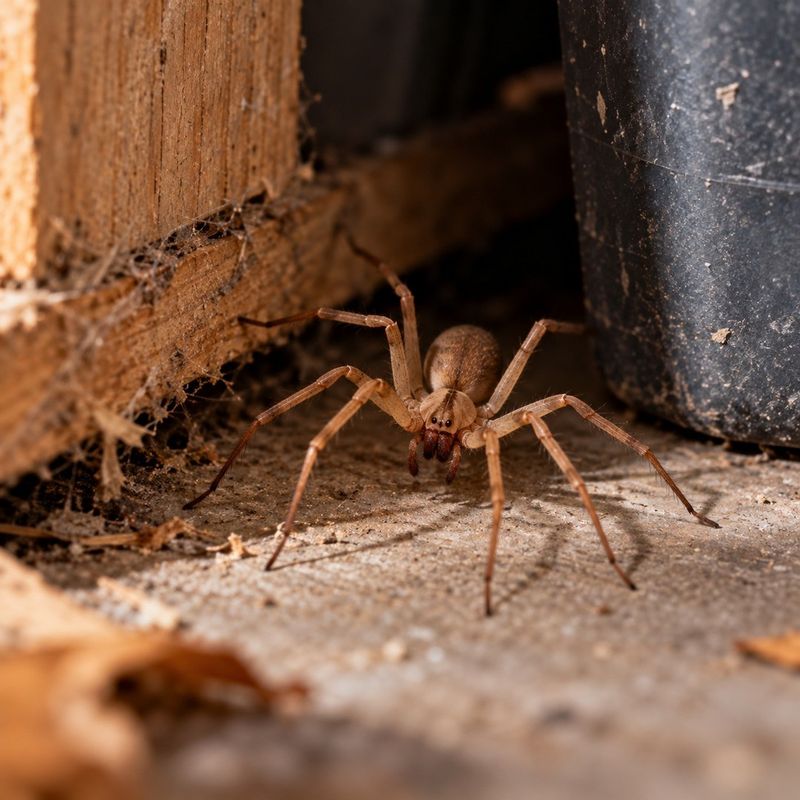
True to its name, the brown recluse would rather never meet you. It hides in cardboard boxes, closets, and woodpiles, coming out at night to hunt.
Look for a small light-brown spider with a darker violin shape on its back, with the neck of the violin pointing toward the rear. It has six eyes arranged in pairs instead of the usual eight.
Its legs are long, thin, and have no stripes or spines.
Most bites happen when someone rolls over on one in bed or slips on an old jacket. Some bites cause sores that heal slowly, so see a doctor if a bite gets worse.
Storing items in sealed plastic bins goes a long way toward keeping them out.
8. Striped Bark Scorpion
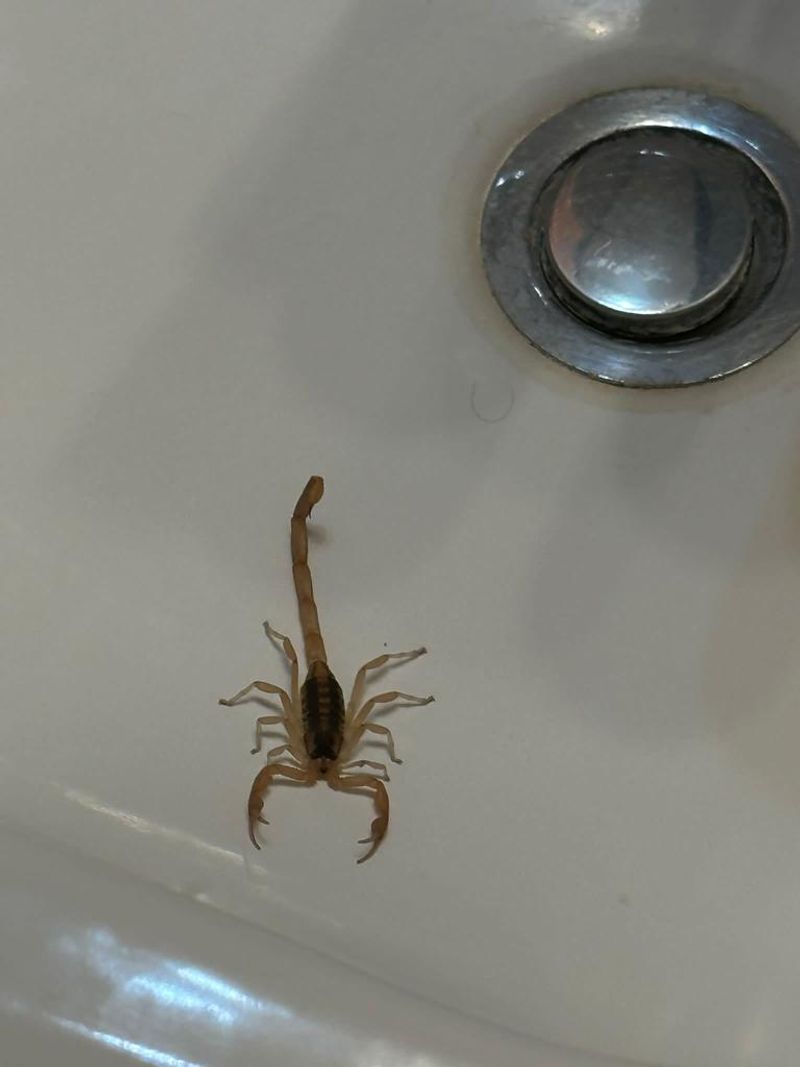
If you find a scorpion in Texas, odds are good it’s this one. The striped bark scorpion lives in nearly every corner of the state and is the most common species around homes.
It’s about two to three inches long and yellowish tan. Two dark stripes run down its back, and it has a thin tail with a stinger at the tip.
Its pincers are slender rather than bulky.
Stings feel like a hot needle and may cause swelling and tingling for a few hours. Serious reactions are rare but can happen with small children or allergic people.
Scorpions love rock walls, firewood, and leaf piles, so keep those away from your house.
Did you know? Under a blacklight, scorpions glow a bright blue-green, which makes nighttime hunting with a UV flashlight surprisingly fun.
9. Giant Desert Centipede
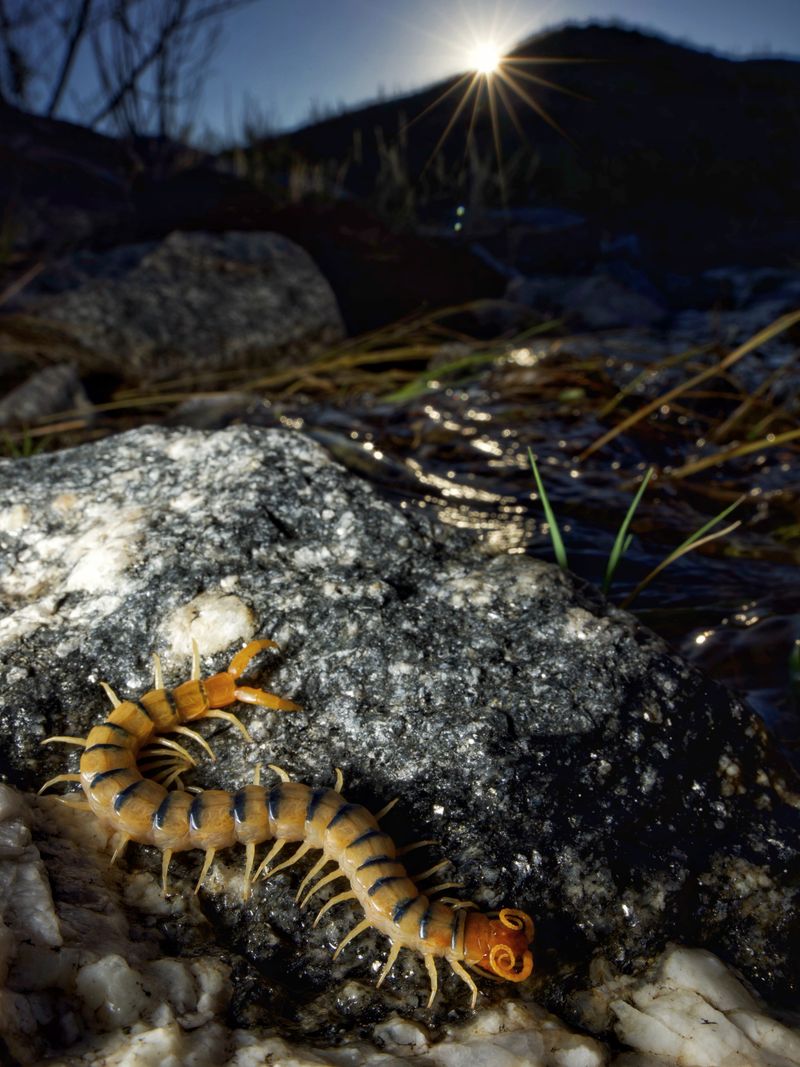
Okay, it isn’t a scorpion, snake, or spider, but nobody walking a Texas yard at night wants to miss this one. The giant desert centipede can stretch up to eight inches long and moves shockingly fast.
Many have bright orange or yellow bodies with a dark red or black head and tail. Each body segment has one pair of legs.
The front legs are actually venom claws used to grab prey.
A bite is very painful and can swell, though it’s rarely dangerous for healthy adults. They hide under rocks and boards during the day.
Moving yard debris with gloves on is a smart habit.
10. Southern House Spider vs. Look-Alikes
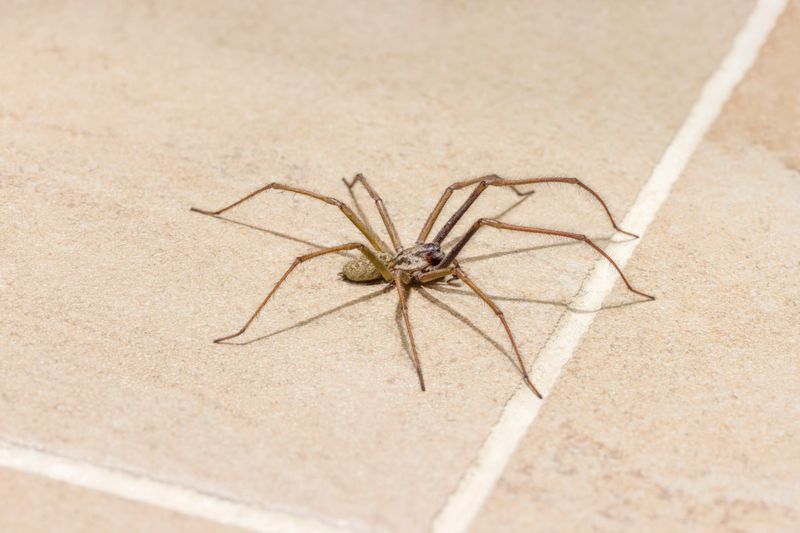
Plenty of harmless Texas spiders get blamed for things they never did. The southern house spider is a great example, since males look a lot like brown recluses.
Here’s the trick. Southern house spider males have very long legs and a body that lacks a clear violin mark.
Females are dark and velvety, and they build fuzzy webs around cracks in brick or window frames.
Wolf spiders and fishing spiders also scare people because of their size, yet their bites are mild. Learning these differences saves helpful hunters that eat pests around your home.
When in doubt, snap a photo and compare it with a trusted guide, like those from Texas A&M AgriLife Extension. Respect, not panic, keeps your yard safe and balanced.
Share this story