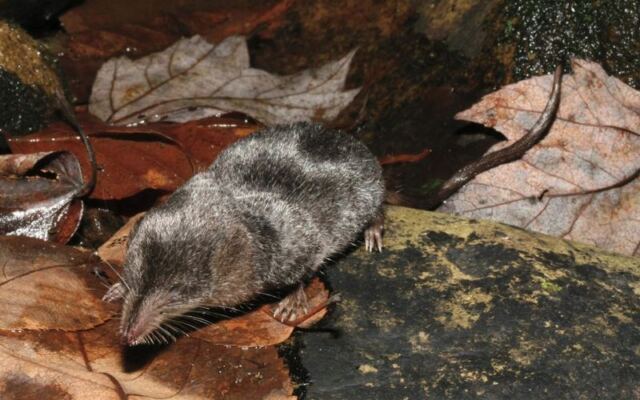
Yes, Texas has a venomous mammal, and it weighs less than an ounce. The southern short-tailed shrew makes venom in its saliva, and it hunts insects and worms in covered ground.
A leafy garden bed could offer just the kind of food and shelter it likes. Here is what is known about this tiny animal, and what is still unclear.
Meet the southern short-tailed shrew
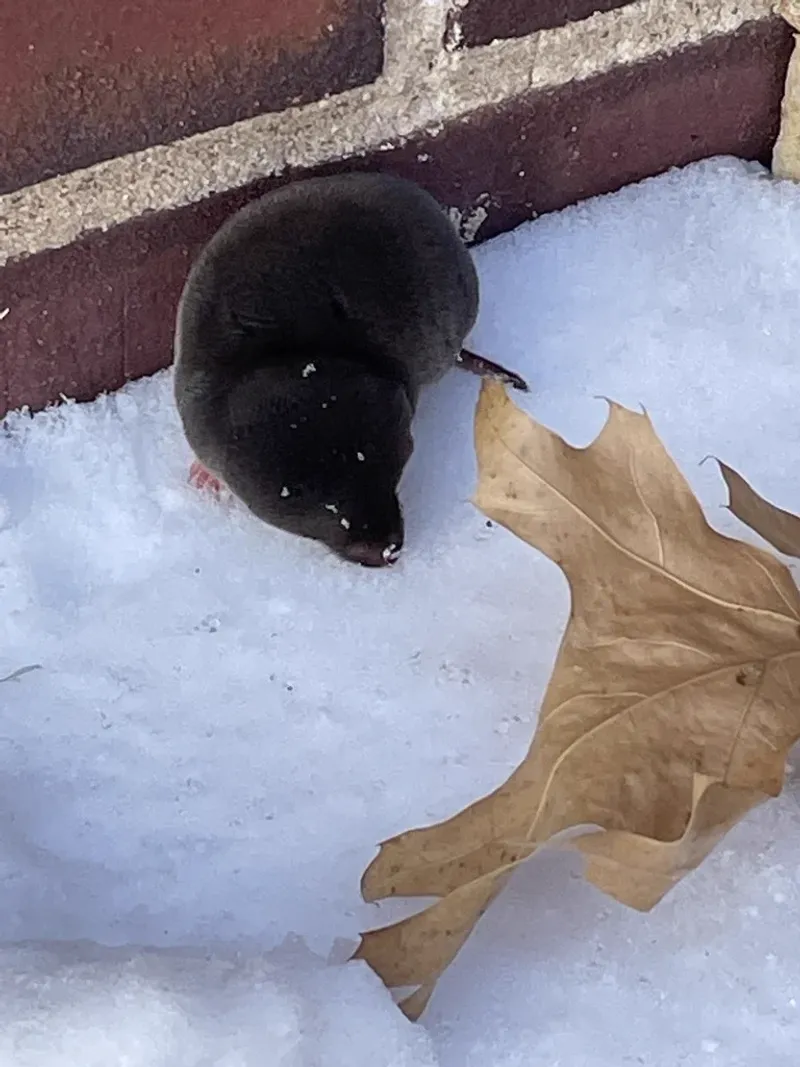
The southern short-tailed shrew (Blarina carolinensis) is a tiny mammal with a big surprise tucked inside its mouth. Its saliva contains venom, which can enter a wound when the animal bites.
Texas Tech’s species account describes this venom, and a U.S. Forest Service mammal guide says the same thing about its modified salivary glands.
This is a small, velvety, gray animal with a pointed snout, short tail, and tiny eyes. It spends most of its life close to the ground, slipping through leaf litter and short tunnels where few people ever see it.
It does not live everywhere in Texas. The species occurs in the eastern one-fourth of the state, and there is also a separate, disconnected record from Bastrop County.
Texas Tech describes its distribution as patchy, so a shrew may be common in one spot and missing from the next place over. The 2024 Texas Tech mammal checklist also lists other short-tailed shrews in the state, including Elliot’s short-tailed shrew in several localities.
That means this species is one venomous mammal in Texas, not the only one. If you garden in the eastern part of the state, it is a neighbor worth knowing about.
If you live in West Texas or the Panhandle, this particular shrew is not one you should expect to meet.
What researchers know about its venom
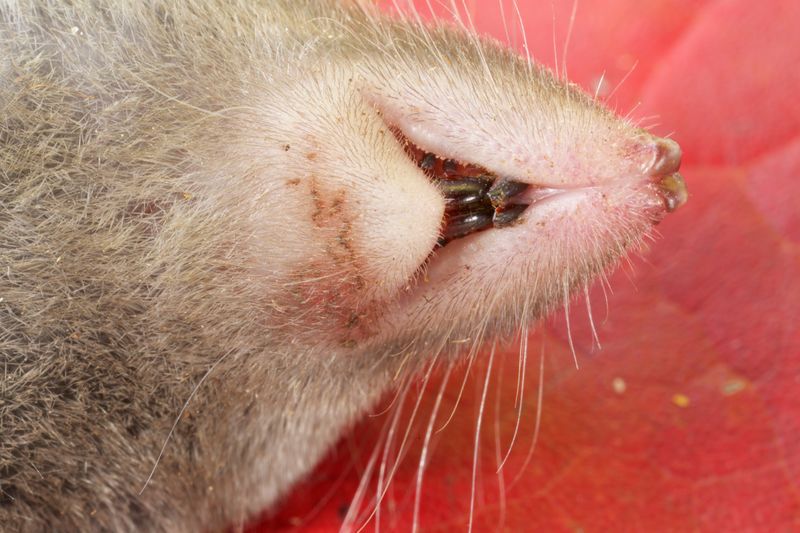
Venom sounds dramatic, but the facts are fairly quiet. Texas Tech reports that the shrew’s saliva carries venom that can reach a wound through a bite.
The same account says gland extract injected into mice can kill them, which shows the venom is real and potent against small prey.
The Forest Service guide backs this up. It describes modified salivary glands that produce a venomous bite, so two separate sources agree on the basic point.
Here is the catch. The deep chemical work was done on a different animal, the northern short-tailed shrew (B. brevicauda).
A PNAS study isolated and characterized a toxin from that northern species. Nobody should assume the Texas shrew’s venom has been studied to the same molecular depth.
What about people? Research on the northern species mentions human bite accounts that include local burning and swelling.
Texas Tech considers serious effects in humans unlikely.
That does not make a bite harmless, and it does not mean every bite plays out the same way. A few reports are a thin basis for predicting what any one person will feel.
The sensible reading is simple: the venom is real, the danger to people appears low, and the details are still thin.
Two sources put it under an ounce
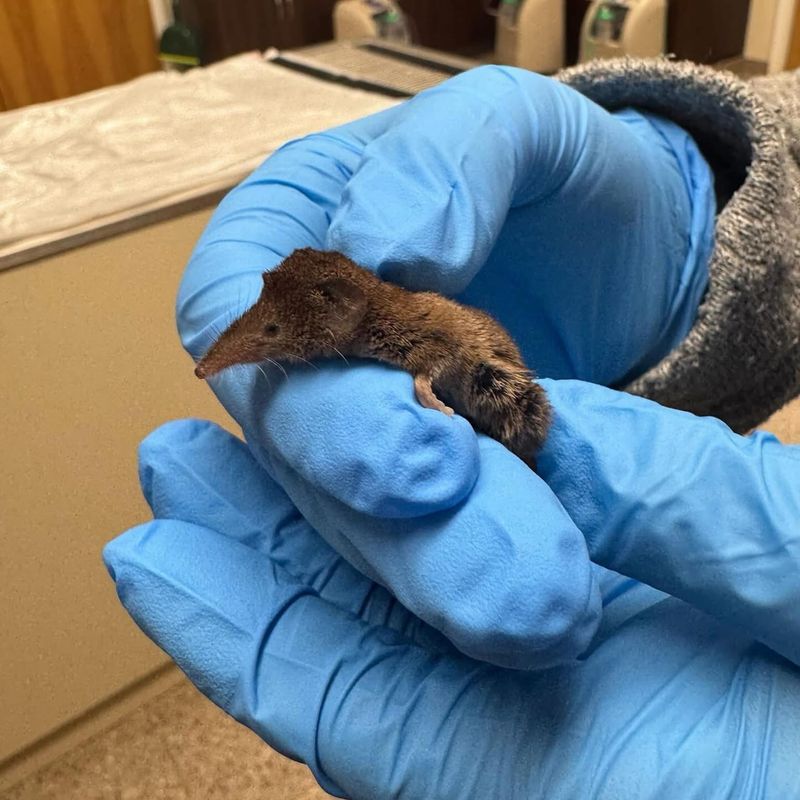
Ounces make for a good yardstick here, since one ounce is about 28 grams. Texas Tech lists the southern short-tailed shrew at 18 to 28 grams, which is roughly 0.63 to 0.99 ounces.
Even the top of that range sits just under an ounce.
The Forest Service guide gives a lighter range of 8 to 15 grams, or about 0.28 to 0.53 ounces. That is less than a third of an ounce at the low end, closer to the weight of a few coins.
The two ranges do not match, and there is no reason to pick one as the true typical weight. Different samples, seasons, and measuring methods could all play a part, but the sources do not say which explains the gap.
Averaging them would only invent a number neither source reports.
What both agree on is the big picture. This is a very small mammal, light enough to fit in a cupped hand without much notice.
Details are in the Texas Tech account and the Forest Service guide, and both put the animal well below an ounce.
A leafy bed could offer food and cover
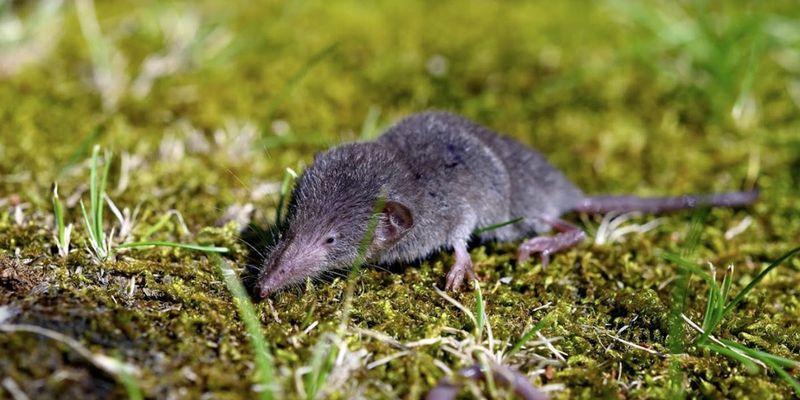
Picture the menu first. This shrew eats insects, earthworms, and other small animals.
In East Texas stomach-content data, insects and annelids, a group that includes earthworms, were among the common items found in the stomachs that were examined. Those figures show how often foods turned up, not what share of the diet each one makes up by weight.
The same account also records some plant matter and occasional vertebrate prey.
Now the housing. Texas Tech’s species account says the shrew uses both shallow, surface-level burrows and deeper ones.
It is linked with forest, meadow, and open habitats, and cover and food seem to matter more than any particular soil or plant type.
Put those pieces together and a thick, leafy garden bed starts to look like a decent fit. Mulch, leaf litter, and damp soil can hold beetles, grubs, and worms, and the plants overhead give cover from above.
That is a reasonable possibility, not a documented habit. The sources do not say this shrew prefers cultivated beds or turns up often in gardens.
Think of a garden bed as one more patch of covered ground that happens to resemble its usual haunts.
Plant damage may point to another animal
A hole in the dirt or a chewed plant makes it tempting to blame the first small animal that comes to mind. Holes and damage alone cannot tell you who made them.
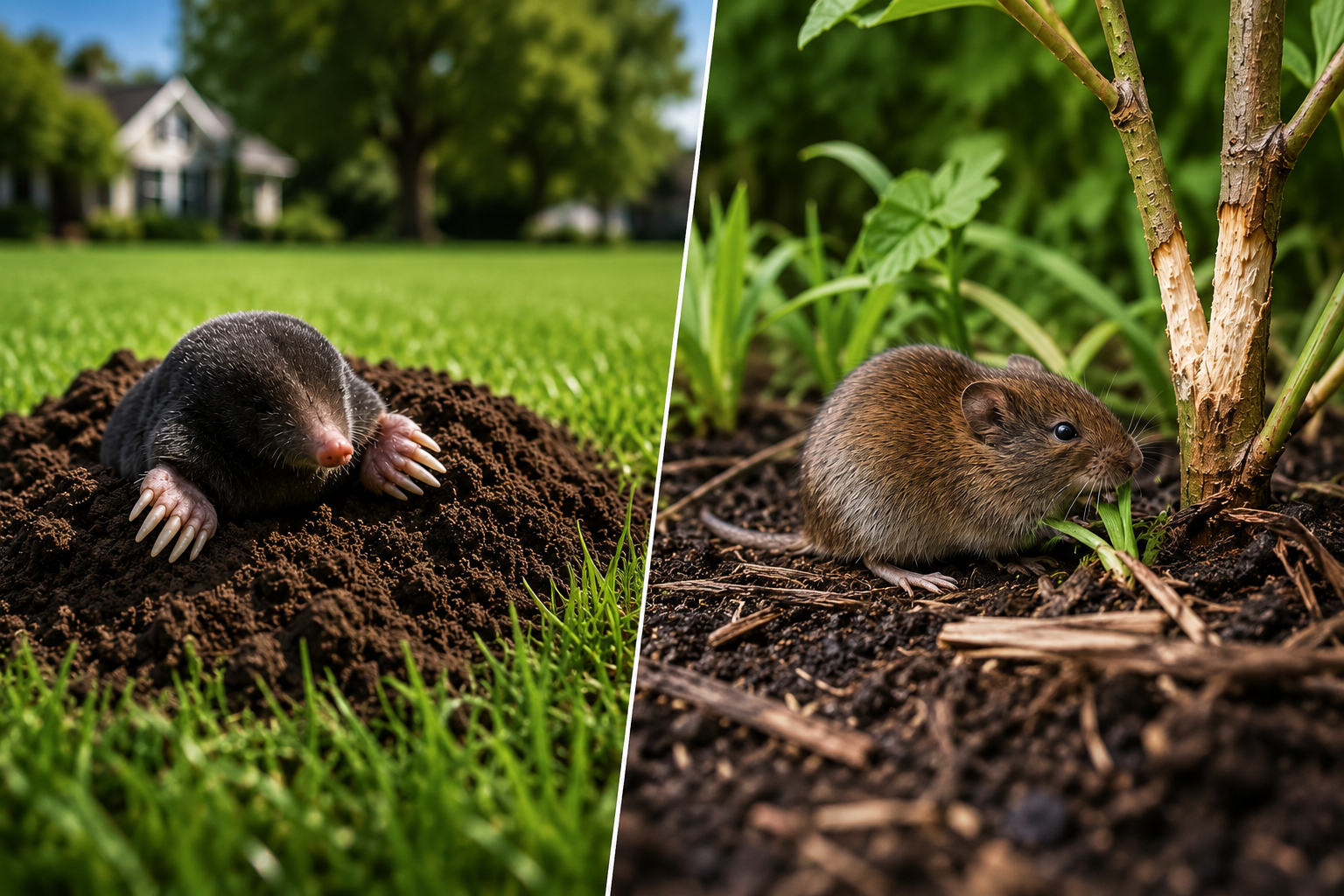
Shrews, moles, and voles leave different clues, and they can overlap.
Penn State Extension sorts the three this way. Shrews hunt insects and often use tunnels made by other mammals.
Moles tunnel underground and also eat insects. Voles eat plants, so gnawed stems, roots, or bark point away from a shrew.
Here is a practical approach. Look at the damage first: is it chewed plant material, raised ridges of soil, or just a small opening?
Then notice whether plants are being eaten or whether the problem is mostly disturbed ground.
No single sign proves which animal is present. A tunnel could be a shrew borrowing someone else’s work.
Before you decide a shrew is at fault, or treat the bed for any animal, take time to identify what you are actually dealing with. A local extension office can help sort out unclear signs.
Wash a bite and call a physician
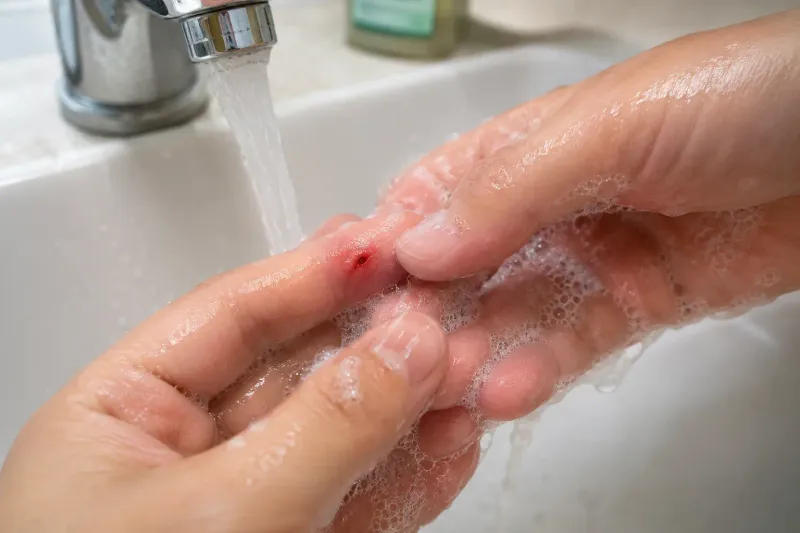
Leave wild shrews alone. Even a tiny animal can bite when it is grabbed or cornered, so do not pick one up, trap it by hand, or try to relocate it.
CDC guidance recommends keeping your distance from wildlife and washing a bite right away.
If a bite does happen, wash the wound thoroughly with soap and water at once. Then talk with a physician.
Texas DSHS animal bite guidance says to ask about infection, tetanus, and whether rabies post-exposure treatment is needed.
On rabies, DSHS classifies shrews as low risk for rabies procedures. The exception is when the local rabies control authority has reason to suspect rabies.
A physician or that authority can tell you whether your situation fits.
Do not brush a bite off as harmless. People react differently, and the few reports on short-tailed shrew bites mention local burning and swelling, not a guaranteed pattern.
A quick call is a small price for peace of mind.
What to take from a garden-bed sighting
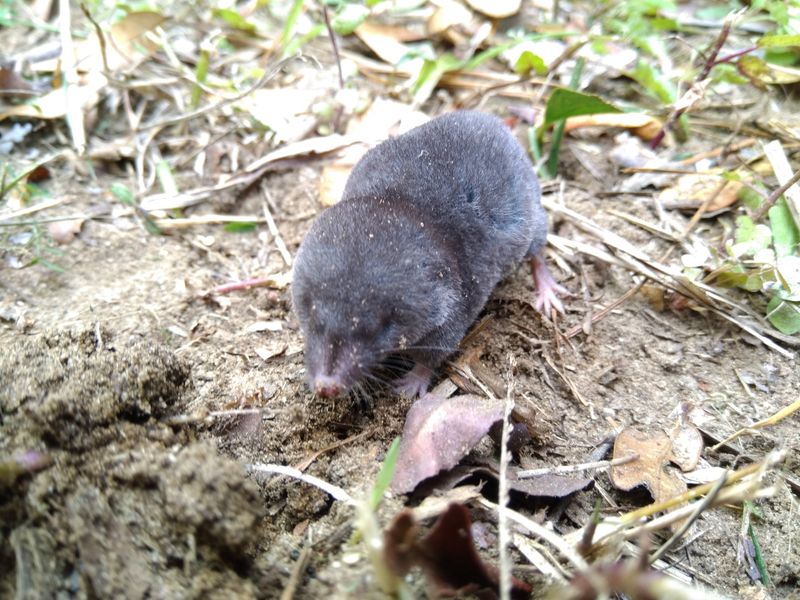
The southern short-tailed shrew is a venomous Texas mammal, living mainly in the eastern part of the state. The two reported weight ranges, from Texas Tech and the Forest Service, differ, but both fall below an ounce.
A leafy garden bed could suit its habits, though that does not prove it hunts there often. Sometimes the smallest neighbors have the most interesting stories under the leaves.
Share this story