You flip over a flowerpot, and something with too many legs or a scary pattern stares back at you. Your heart jumps, and your first thought is to grab a shovel.
But in Illinois, most of the creepy critters hiding in yards are totally harmless and even helpful. Here are seven that cause the most panic, plus how to tell they are nothing to fear.
1. Eastern Milk Snake
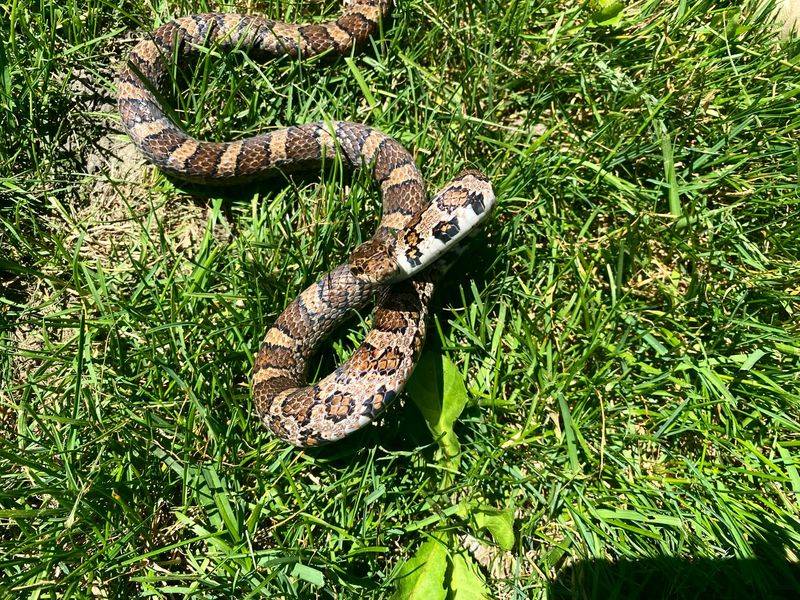
Picture a reddish, blotchy snake sliding out from under your woodpile. Plenty of Illinois homeowners have called it a copperhead on the spot, and a few have even called it a coral snake.
The eastern milk snake is neither. It has no venom at all, and it spends its days hunting mice and voles that would otherwise chew up your garden and garage.
When cornered, it may shake its tail in dry leaves to sound like a rattlesnake. That bluff is all show.
A quick look at its smooth, rounded head and saddle-shaped blotches will tell you it is a friendly pest controller.
2. Eastern Hognose Snake

Few animals deserve an acting award more than this one. The eastern hognose snake flattens its neck like a cobra, hisses loudly, and puffs up to look twice its size.
If that fails, it rolls onto its back, opens its mouth, and plays dead, sometimes with its tongue hanging out. Flip it right side up and it will roll right back over, as if to insist it is truly gone.
Its upturned snout is made for digging up toads, its favorite meal. Bites to people are extremely rare, and it is not considered dangerous.
Enjoy the show and let it slither away.
3. Northern Water Snake
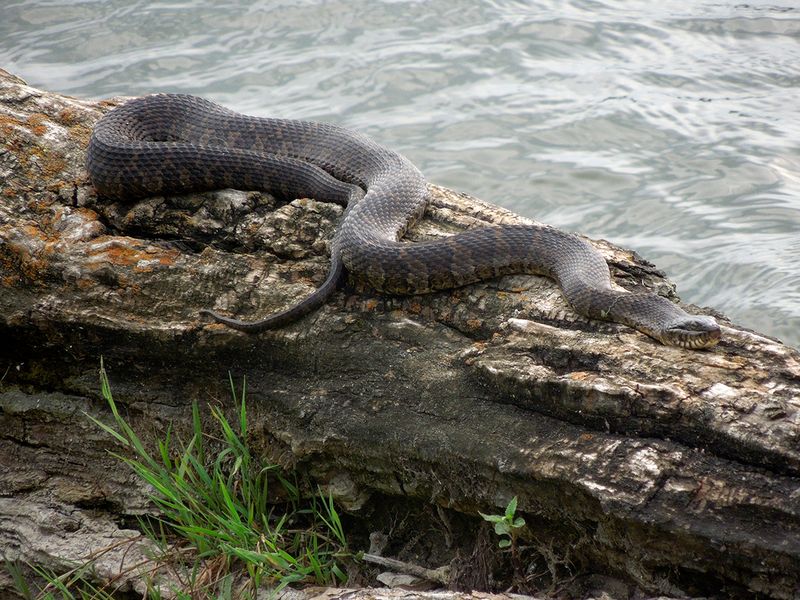
Got a backyard pond or a creek nearby? Then you have probably met this thick, dark, banded snake sunning on a rock, and someone may have shouted cottonmouth.
Here is the good news. Cottonmouths live only in the far southern tip of Illinois, while northern water snakes are found almost everywhere in the state.
The water snake has round pupils and swims with its body mostly underwater, not floating high like a cottonmouth.
It can be grumpy if grabbed and may bite, but it has no venom. Give it space and it will happily stick to eating fish and frogs.
4. Wolf Spider
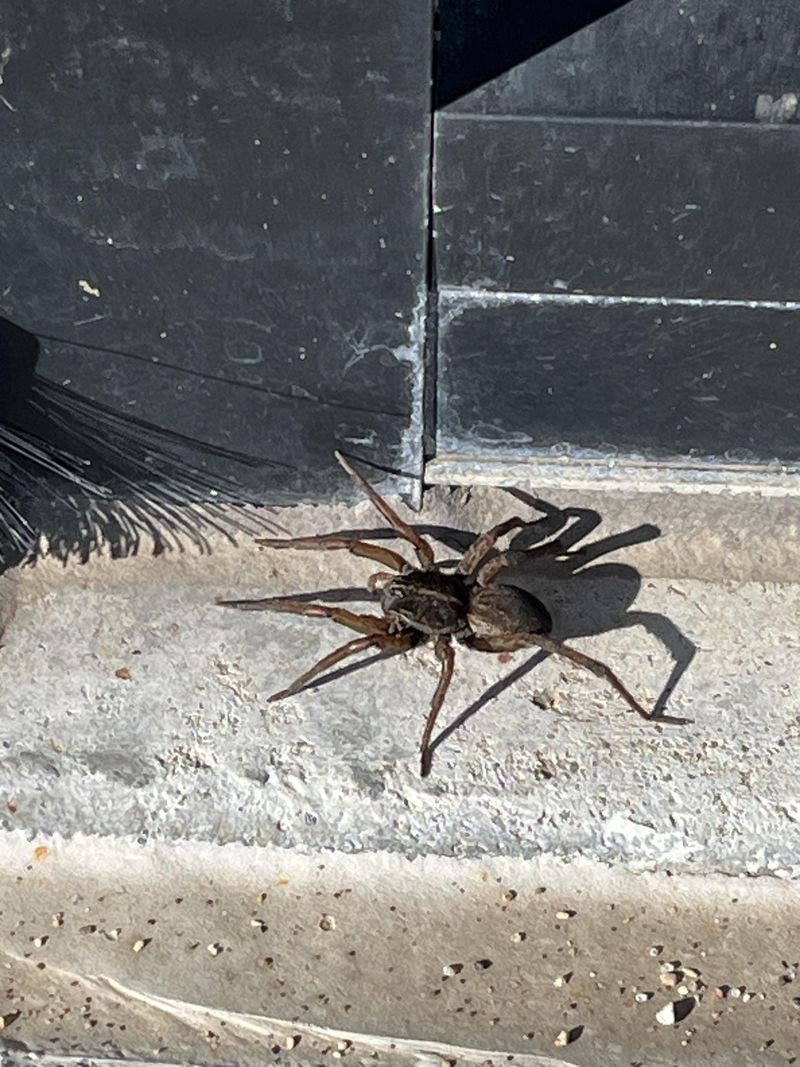
Shine a flashlight across your lawn at night and you might see tiny green sparkles. Those are wolf spider eyes reflecting the light, which is either amazing or terrifying depending on how you feel about spiders.
Wolf spiders are big, hairy, and fast, so people often mistake them for brown recluses. A recluse has a violin shape on its back and is much smaller and smoother.
Wolf spiders have stripes instead.
They do not spin webs. They chase down crickets and other bugs.
A bite is possible if one is squeezed, but it is usually no worse than a bee sting. Fun fact: mothers carry their babies on their backs.
5. Yellow Garden Spider
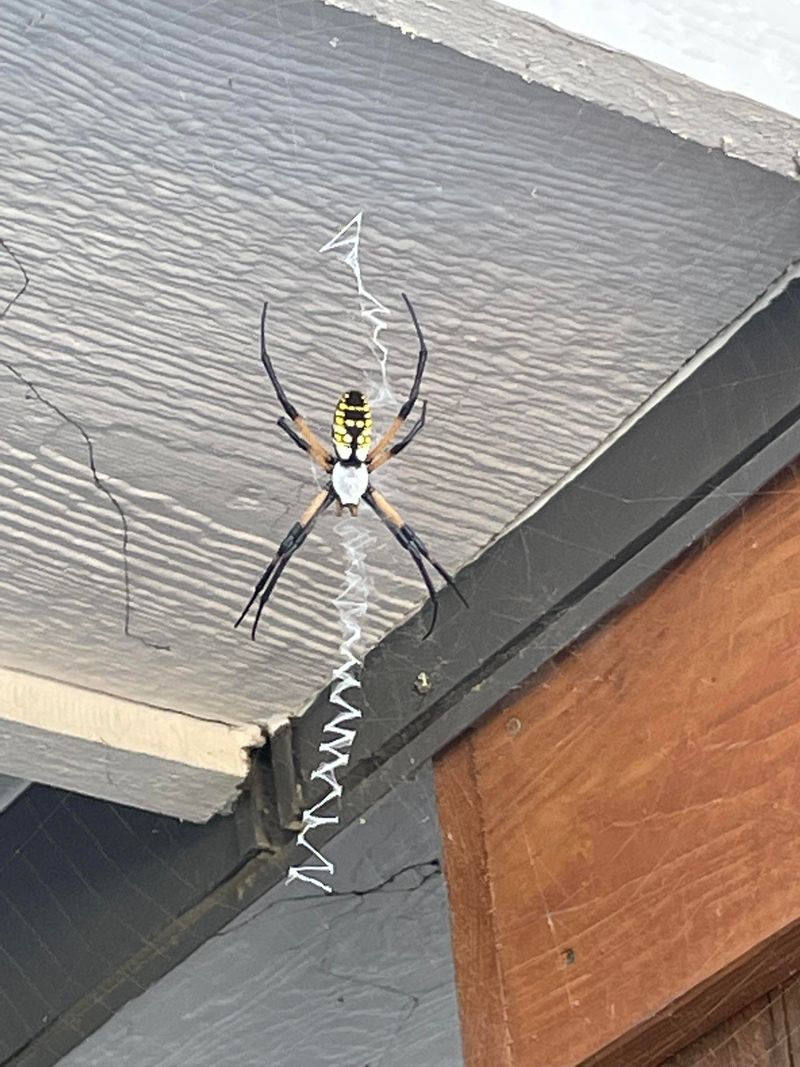
Late summer in Illinois brings a garden guest that looks like it was designed for a horror movie. The yellow garden spider is bold black and yellow, and the females can grow as wide as a half-dollar coin with their legs.
Look closely at the web and you will see a thick zigzag pattern down the middle. Scientists still argue about why they make it, but it may warn birds not to fly through.
Despite the scary colors, these spiders are shy and would rather drop from their web than bite. They catch grasshoppers, flies, and wasps, making them garden heroes.
6. Cicada Killer Wasp
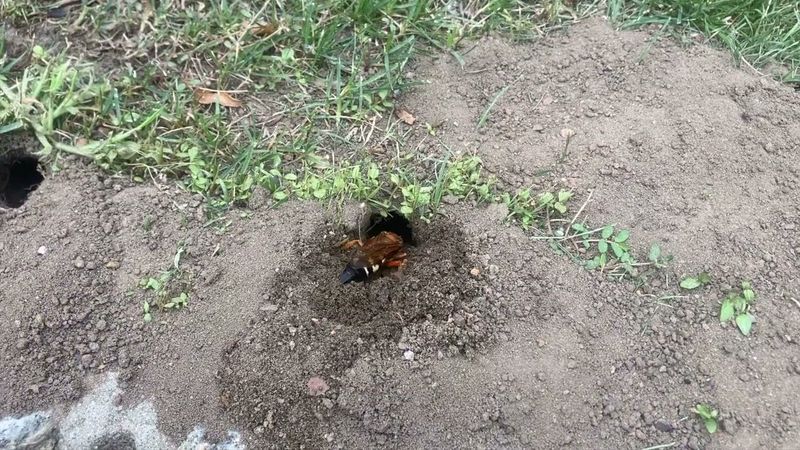
Imagine a wasp nearly two inches long buzzing right at your face. That is the cicada killer, and its size alone makes grown adults run indoors.
The big ones zooming around are usually males, and they cannot sting at all. They are just guarding territory.
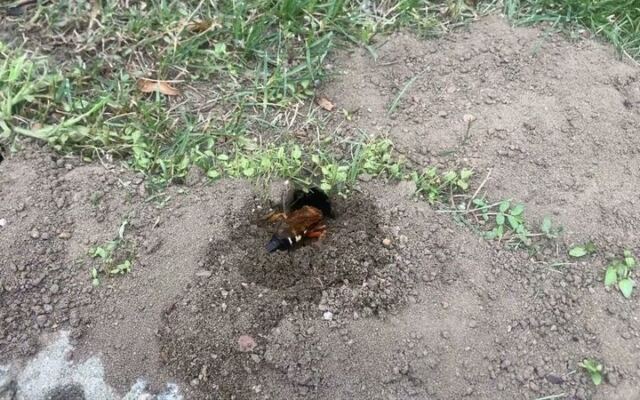
Females can sting, but they save their venom for cicadas, which they carry back to burrows in the dirt.
They are solitary, so there is no angry nest to defend. If you see little holes with dirt piles in your lawn in July, just mow around them and let these giants do their job.
7. House Centipede
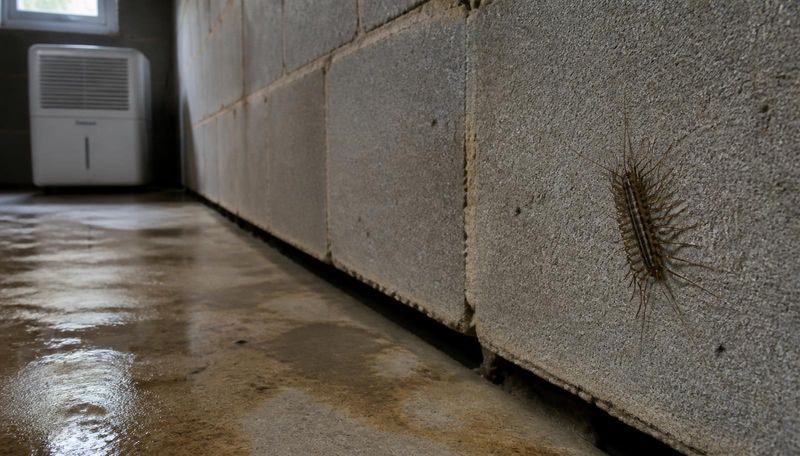
Nothing wakes you up faster than a house centipede sprinting across the bathroom floor. With fifteen pairs of long legs, it moves like a tiny alien.
As unsettling as it looks, it is actually a helpful roommate. House centipedes eat cockroaches, silverfish, and even spiders.
Their bite rarely breaks human skin.
They love damp places like basements, so seeing many may mean you have extra moisture or other bugs. Run a dehumidifier if you want fewer, but know they are on your side.
Share this story