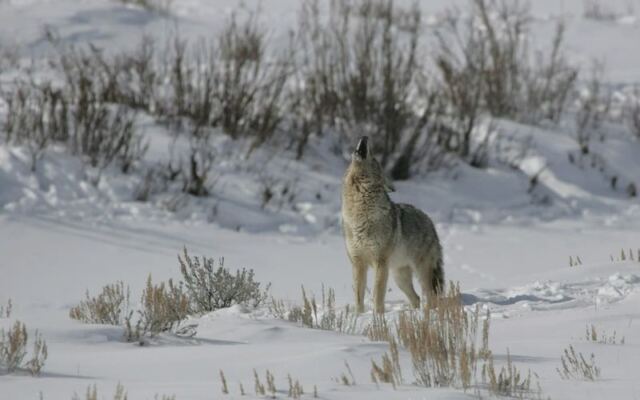
Coyote howls and yips are a form of communication, not random noise. They can help coyotes find one another or let other coyotes know an area is occupied.
The sounds can feel eerie when they drift through a dark neighborhood, but they are far less alarming once you know what they do and do not tell you. Here is what Maryland residents can learn from the chorus outside their window.
Coyotes live across Maryland
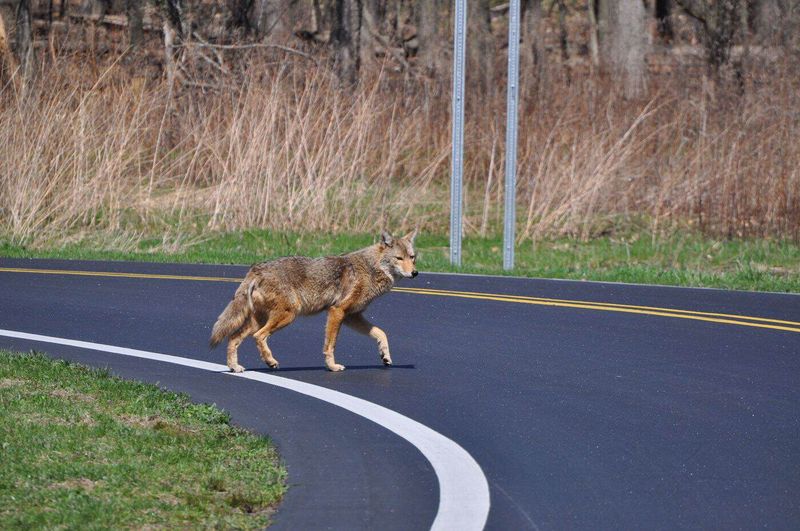
Hearing a coyote near your home is not as strange as it may feel. Maryland DNR’s coyote fact sheet says coyotes occur in every county in the state.
They use many kinds of habitat, from forests and farm fields to suburban neighborhoods.
That wide range explains why a call can carry across a cul-de-sac in Anne Arundel County just as easily as across a pasture in Garrett County. Coyotes are adaptable animals, and they find food, cover, and travel routes in places people also live.
A wooded creek corridor, a golf course edge, or a quiet field behind a subdivision can all work for them.
Presence is not the same as equal numbers everywhere, though. DNR notes that coyotes are most concentrated in the western panhandle.
Someone in Allegany County may share space with more coyotes than someone in a different part of the state, even though both can hear them.
It also helps to separate a sound from a movement. A howl heard from a distance does not mean a coyote is heading toward a person or a house.
Often the animal is simply out in its own territory, going about ordinary business, and the sound carries farther than you would guess on a still night.
So the real question is not whether coyotes are around. In Maryland, they usually are.
The better question is what those calls can actually tell a listener, and that is where the next section picks up.
What a howl can tell you
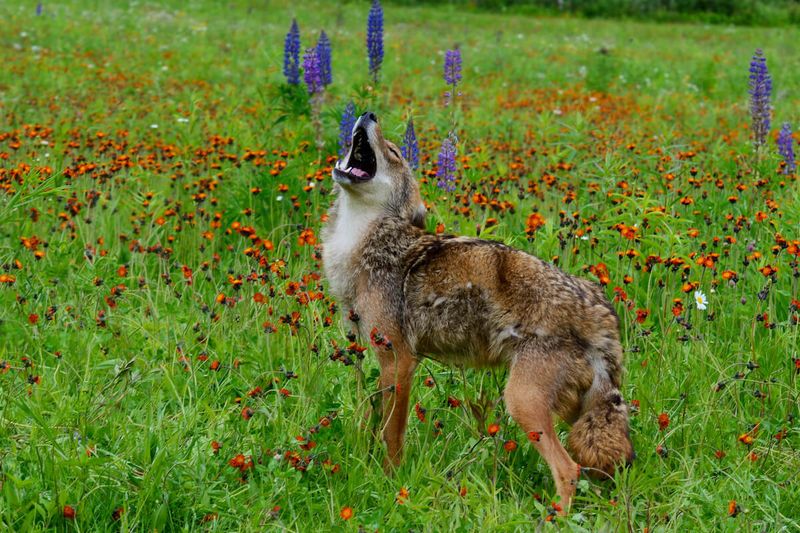
Picture two neighbors calling across a field to say where they are. Coyote calling works in a similar way.
The Maryland DNR furbearer guide says coyotes “sing” to keep track of family members and to communicate with other coyote groups.
The USDA’s coyote technical guide adds that howling can communicate location, help coyotes find one another, or signal that a home range is occupied. So the calls have real jobs.
They are not just noise in the night.
Here is the limit, though. Those jobs are possibilities, not a decoder ring.
A yip, a bark, and a long howl can be mixed together in many ways, and a person standing in a driveway cannot tell which message a particular burst carries.
That means neighborhood stories need a little caution. Someone may say a certain howl was a warning, or a family check-in, or a mating call.
Any of those could be true in some moment, but the sound alone does not prove it.
What you can say with confidence is simple. Coyotes are talking to each other, and the conversation is mostly meant for other coyotes, not for you.
That is a calmer way to hear it than imagining a threat in every note.
A chorus can sound bigger than it is
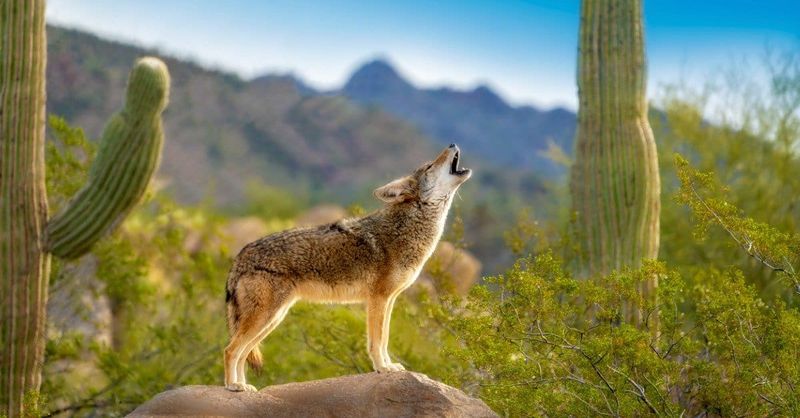
Ever listened to a burst of yips and thought a whole pack must be out there? Your ears may be fooling you.
Coyote groups can sound much bigger than they are, so a chorus is not a reliable head count.
A study in Human-Wildlife Interactions tested this directly. In it, 427 participants heard recordings of one to four coyotes.
On average, they overestimated the number of animals by nearly twofold.
Part of the reason is the style of the calls. Coyotes yip, bark, and howl in overlapping bursts, and the sounds bounce around trees, buildings, and open ground.
Two animals can easily sound like five.
It helps to read the study carefully. It shows how people can misjudge recorded calls.
It does not tell us how many coyotes are near any Maryland home, and it cannot say whether the group you heard was large or small.
For a practical example, imagine a loud outburst behind your yard on a quiet night. Instead of guessing a number, treat it as a sign that at least one coyote is somewhere nearby, and leave it at that.
The size of the sound is not a measure of the size of the group.
The season helps put calls in context
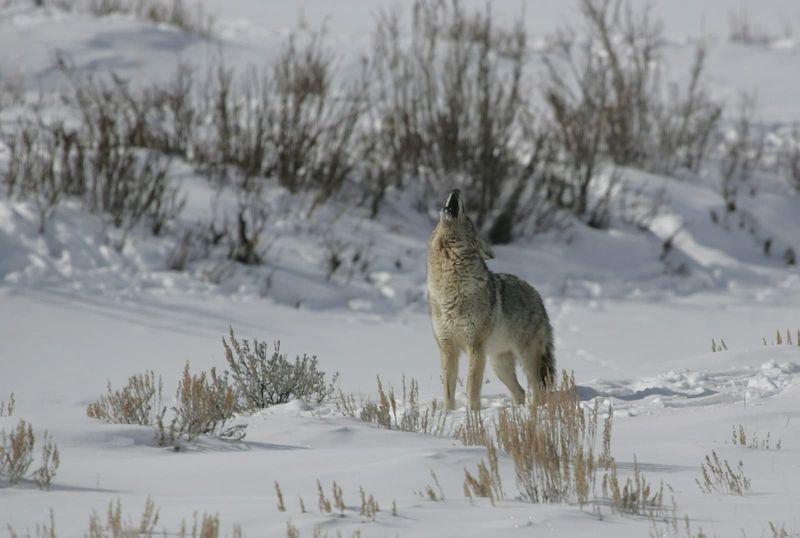
Late fall can feel like a noisy time, but the calendar says something specific about Maryland coyotes. According to Maryland DNR, the breeding period runs from late January through March, with a peak in February.
Gestation lasts about 60 to 63 days, so pups generally arrive in spring.
That means a howl in November or early December is not proof of mating or pup-rearing. Those events belong to other parts of the year.
The calls you hear now may simply be ordinary communication between coyotes.
There is another possible context. The USDA technical guide says juvenile coyotes may disperse in late summer or fall, leaving the area where they were born.
Dispersal might be part of the background for some calls, but a single sound cannot tell you whether a young coyote is on the move.
Pup noise is also seasonal. MassWildlife notes that pups can become vocal while practicing later in summer.
That is a later-season possibility, not a year-round explanation, and it does not fit a cold November night.
The takeaway is to hold the season loosely. Time of year can make some explanations more likely and others less likely, but it never turns a single howl into a diagnosis.
A nighttime howl is not a danger signal
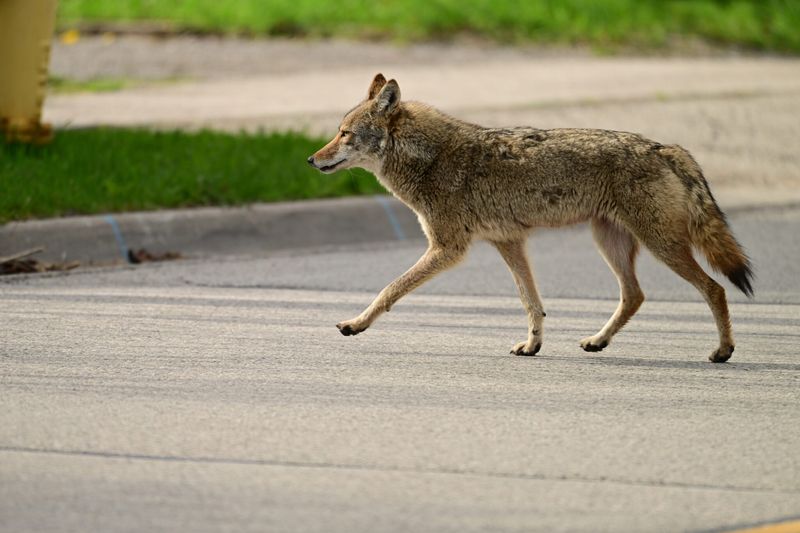
Dark hours make every sound feel bigger, so a distant howl can set nerves on edge. Still, a call by itself is not a sign of danger.
Coyotes also may be active during the day, as the USDA technical guide explains, and MassWildlife says daytime sightings can be normal.
A call or a sighting alone does not establish danger or disease. Maryland DNR says coyotes generally prefer to avoid people, though pet conflicts can occur.
That is a balanced picture: low concern about a howl, real attention to small pets.
Some popular ideas need correcting. Massachusetts wildlife officials say coyotes mainly howl to communicate with family members or defend territory, not to announce a kill.
Howling has not been established as a general way to celebrate a meal.
The moon story is shaky too. The same agency says coyotes do not howl more often during a full moon.
One study, indexed on JSTOR, suggests lunar conditions may influence howling in a particular setting, so the moon is not a general rule, but it is not ruled out in every case either.
So when the yips start after dark, you can listen with curiosity rather than alarm. Keep ordinary caution for the things that matter, like unattended pets and food left outside.
Give coyotes space and protect pets
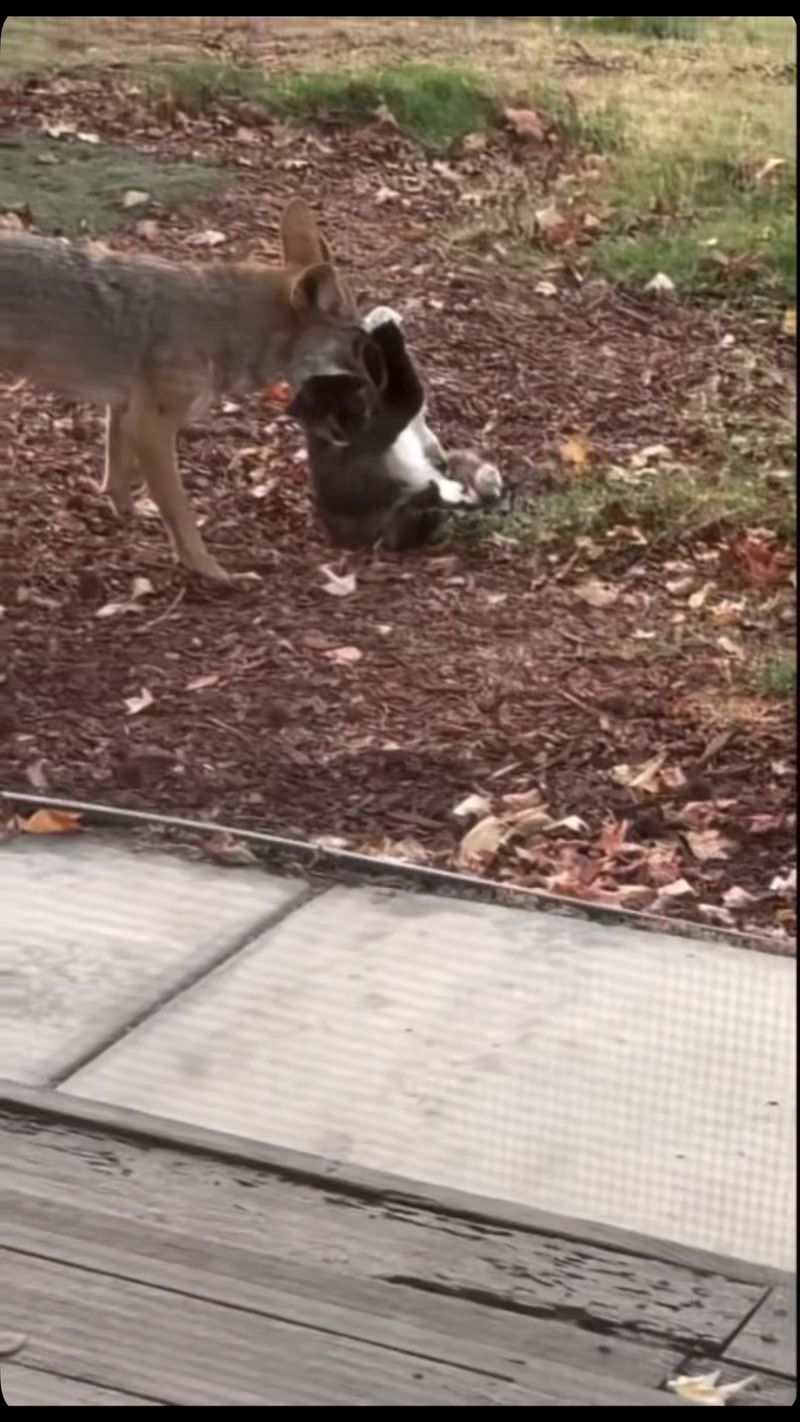
A few habits go a long way. Do not feed wildlife, and do not approach, handle, or try to imitate calls to draw coyotes closer.
Maryland DNR advises keeping a safe distance from coyotes.
For pets, the guidance from DNR’s coyote page is practical. Keep domestic animals indoors where possible, and leash and accompany them when they go outside.
A quick flashlight check of the yard before a late-night bathroom break is an easy habit.
If you have a nuisance, injured, or sick wild animal, DNR lists USDA Wildlife Services at 1-877-463-6497. Operators are available weekdays, 8 a.m.-4:30 p.m., except state holidays.
Bites are a separate matter. If someone is bitten or exposed to an animal that may be rabid, the Maryland Department of Health advises washing the wound promptly, seeking medical care, and reporting the exposure to local animal control, the health department, or police.
None of this requires fear. Most nights, the howl is just coyotes talking to each other.
It tells you they are out there, and nothing more certain than that.
Share this story