Get the latest garden guides in your inbox →
Gardening Latest
  • General Gardening
  • Lawn Care
  • Plant Care
  • Composting
  • Soil Health
  • Backyard
  • Garden Muse Magazine
  • General Gardening
  • Lawn Care
  • Plant Care
  • Composting
  • Soil Health
  • Backyard
  • Garden Muse Magazine
  • News
  • Gardening Calendar
  • Garden Structures
  • Vegetable Garden
  • Vertical Garden
  • Raised Beds
  • Hydroponics
  • General Equipment
  • Community Gardens
Garden Themes
  • Spiritual Garden
  • Hydroseeding
  • Seeding and Laying Sod
  • Artificial Grass
  • Lawn Care Equipment
  • Plants
  • Trees
  • Planting Tools
  • Composting Basics
  • Fertilizer
  • Alternative Growing Mediums
  • Front Yard
  • Backyard Activities
  • Landscaping
Gardening Latest

Explore by state

Which state is your garden in?

Currently viewing New York

All states

Northeast

  • Connecticut —
  • Delaware 45
  • Maine —
  • Maryland 31
  • Massachusetts 47
  • New Hampshire —
  • New Jersey 31
  • New York 40
  • Pennsylvania 40
  • Rhode Island —
  • Vermont —

Southeast

  • Alabama 31
  • Arkansas —
  • Florida 31
  • Georgia 31
  • Kentucky 45
  • Louisiana 30
  • Mississippi —
  • North Carolina 29
  • South Carolina 44
  • Tennessee 28
  • Virginia 30
  • West Virginia —

Midwest

  • Illinois 30
  • Indiana 32
  • Iowa 44
  • Kansas —
  • Michigan 31
  • Minnesota 30
  • Missouri 30
  • Nebraska —
  • North Dakota —
  • Ohio 31
  • South Dakota —
  • Wisconsin 45

Southwest

  • Arizona 30
  • Colorado —
  • Nevada —
  • New Mexico —
  • Oklahoma —
  • Texas 29
  • Utah —

West

  • Alaska —
  • California 30
  • Hawaii —
  • Idaho —
  • Montana —
  • Oregon —
  • Washington —
  • Wyoming —

No state matches that search.

Site menu

Gardening Latest
  • General Gardening
    • News
    • Gardening Calendar
    • Garden Structures
    • Vegetable Garden
    • Vertical Garden
    • Raised Beds
    • Hydroponics
    • General Equipment
    • Community Gardens
    Garden Themes
    • Spiritual Garden
  • Lawn Care
    • Hydroseeding
    • Seeding and Laying Sod
    • Artificial Grass
    • Lawn Care Equipment
  • Plant Care
    • Plants
    • Trees
    • Planting Tools
  • Composting
    • Composting Basics
  • Soil Health
    • Fertilizer
    • Alternative Growing Mediums
  • Backyard
    • Front Yard
    • Backyard Activities
    • Landscaping
  • Garden Muse Magazine

Explore

  • About GardeningLatest.com
  • Contact Us

Get the latest from the garden

New guides on lawn care, plants and backyard projects, sent when they go up.

Subscribe →

Follow

  • Facebook
  • X
  • Pinterest
  • YouTube
New York Gardening

New York Gardeners, Here’s What to Do Right Away When a Hickory Tussock Caterpillar Stings You

If a hickory tussock caterpillar touched your skin, remove it with a tool, lift the hairs with tape, and wash the area…

E

By Elyanna

November 28, 2026 · 6 min read

New York Gardeners, Here’s What to Do Right Away When a Hickory Tussock Caterpillar Stings You
New York Gardeners, Here's What to Do Right Away When a Hickory Tussock Caterpillar Stings You

If a hickory tussock caterpillar touched your skin, remove it with a tool, lift the hairs with tape, and wash the area with soap and water. The caterpillar does not sting like a bee, but its hairs can make skin itchy or rashy.

People react differently, and most cases call for simple care at home. Here is what to do, what to avoid, and when to get help.

At a glance

Where
New York Gardening
Hardiness zone
7 0 to 10°F
Read
6 minutes
Published
November 28, 2026

What the caterpillar’s hairs can do

What the caterpillar’s hairs can do
© Farm and Dairy

Call 911 right away for trouble breathing, fainting, or swelling of the face, lips, or tongue. Those signs are not typical, but they need emergency care and should not wait for home treatment.

For most gardeners, the issue is not venom. The concern is contact with tiny irritating hairs, and calling it a sting is just familiar shorthand.

Unlike a bee or wasp, this caterpillar is not described as injecting venom, and University of Maine Extension describes tussock hairs as irritating rather than poisonous or venomous.

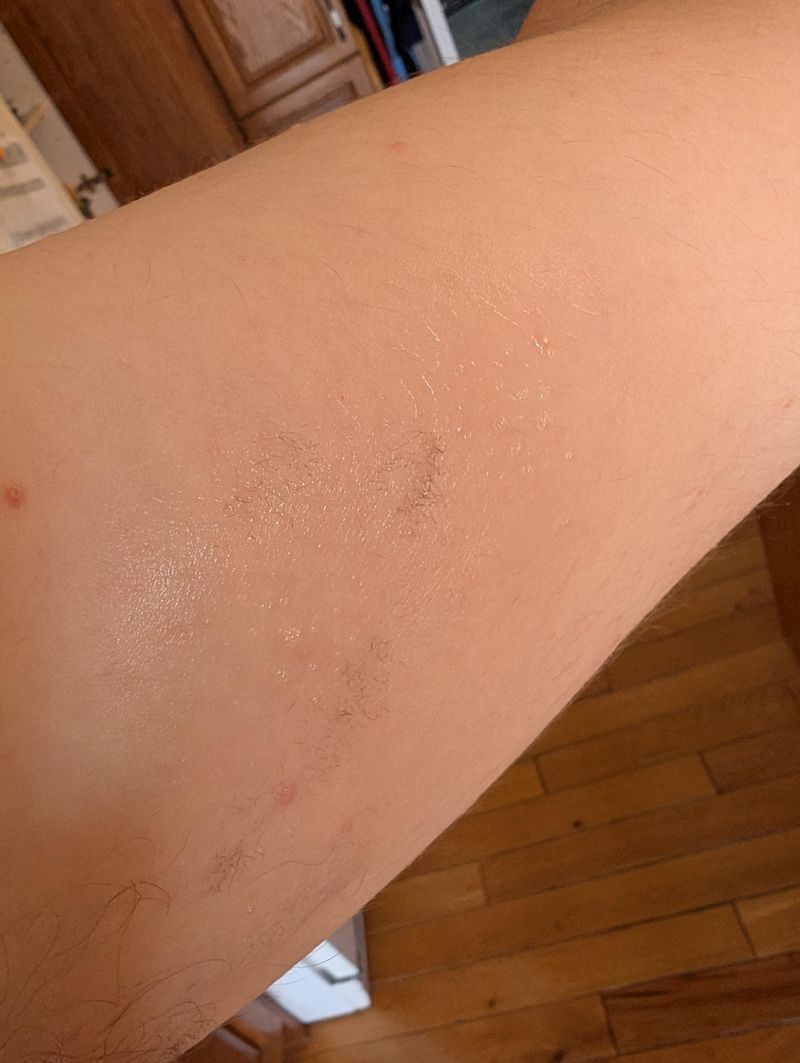
The usual result of touching the hairs is localized itching or a rash, according to Penn State Extension. Some people notice almost nothing, while others get a more bothersome rash, so sensitivity varies from person to person.

Never assume a reaction will be mild, and never assume it will happen to everyone.

Severe allergic reactions are described as rare by UMass Extension, and evidence specific to this species is limited. That is why the emergency signs above matter even though they are unlikely.

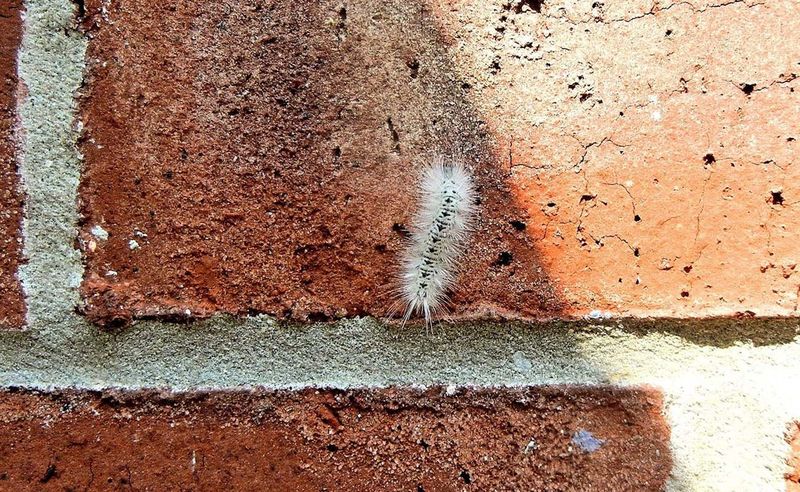
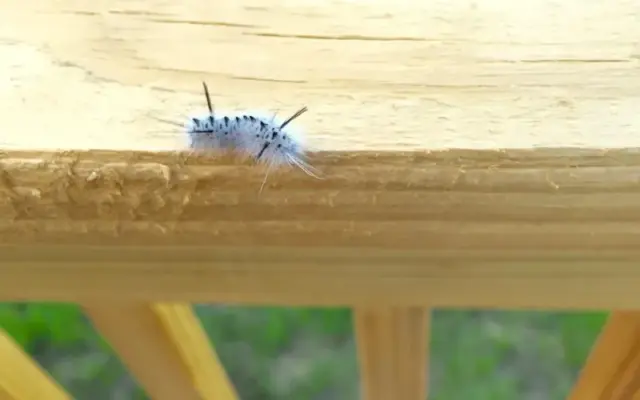
New York lies within the historical range of this species, so gardeners here may meet it on trees and shrubs or along paths. A pale, hairy look can help with identification, but appearance alone cannot prove what an unknown caterpillar is or whether it is safe.

Advice written for another species may not apply, so treat any fuzzy caterpillar with care.

Remove the caterpillar and hairs safely
Remove the caterpillar and hairs safely
© Reddit

Start by getting the caterpillar off without using bare fingers. Use a tool such as tweezers, a stick, or a folded piece of paper, and flick or lift it away from you.

Brushing it with your hand can push more hairs into your skin.

Let the water run gently over the eye and avoid rubbing, which can make things worse.

Next, press a piece of tape gently onto the affected skin and lift it away. The tape picks up loose hairs that may still be clinging.

Use a fresh piece each time and repeat until little remains on the tape, as described by Poison Control.

After the tape, wash the area with soap and water. Rinse well and pat the skin dry rather than rubbing.

If you were gardening, change clothes that may carry hairs and wash them separately, and wash your gloves too.

These steps are meant to remove hairs and limit more contact. They are not a guaranteed way to prevent or stop a reaction, because some irritation may still show up.

Guidance from MedlinePlus follows the same basic approach for caterpillar contact.

Try not to scratch while you work. Scratching can spread hairs to other spots and make skin more irritated.

If you are unsure about the caterpillar or the reaction looks worrying, the poison center can talk you through it.

Ease itching and discomfort carefully
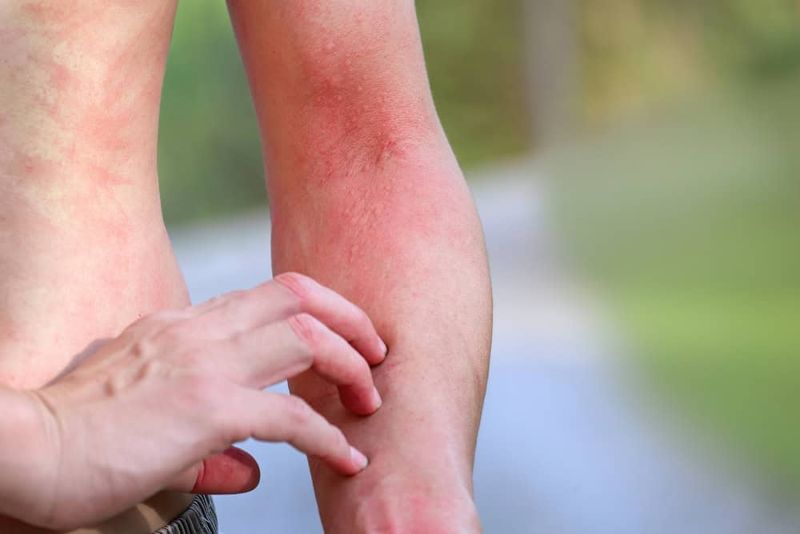
Ease itching and discomfort carefully
© A-Z Animals

Once the hairs are off, comfort becomes the goal. Wrapped ice held on the area for short intervals may ease discomfort.

Put a cloth between the ice and your skin so the cold does not irritate it further, a tip that appears in MedlinePlus guidance.

For itching, Poison Control says hydrocortisone may help. That wording is worth taking seriously: it may help, but it is not a cure and results differ.

Read the product label for how and where to use it, and stop if the skin looks worse.

Medication choices need extra care for children. If a child touched the caterpillar, follow the label for their age or ask a clinician or the poison center before using any cream or tablet.

A product that suits an adult may not suit a small child.

Keep an eye on the skin over the next day or two. Redness and itching can come and go, and people differ in how long it lasts.

Details on caring for caterpillar contact are available from Poison Control.

Treat eye and inhalation exposure differently
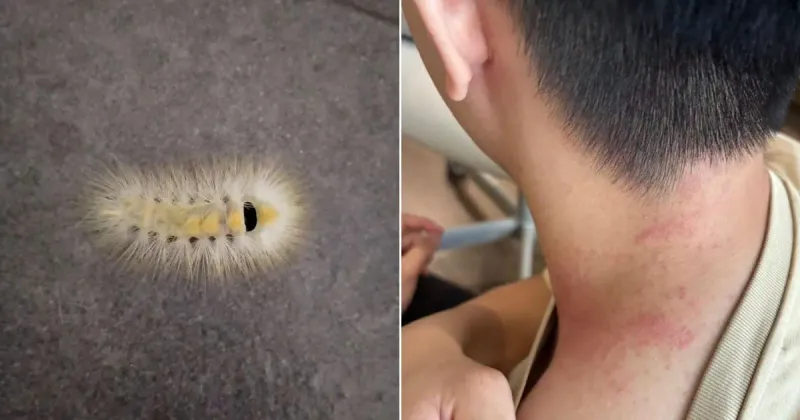
Treat eye and inhalation exposure differently
© SAYS

Eyes and lungs are not skin, so tape and soap are not the answer here. If hairs reach an eye, rinse it with lukewarm water.

Let the water run gently over the eye and avoid rubbing, which can make things worse.

Irritation that sticks around after rinsing deserves attention. Get medical advice if the eye stays red, painful, or bothered, as noted by Poison Control.

The poison center can help you decide how urgently to be seen.

Breathing in hairs is a separate situation. MedlinePlus advises medical care after inhaling caterpillar hairs, so do not wait to see whether it passes.

If you have trouble breathing, call 911.

A practical example: you shake out a branch of leaves and a cloud of fine debris drifts into your face. Move away, rinse your eyes if they sting, wash your face, and seek advice if you cough or feel irritation in your nose or throat.

Know when to call 911 or Poison Control

Know when to call 911 or Poison Control
© Milan Markovic

Some situations need an ambulance and others need advice. Call 911 for trouble breathing, fainting, or swelling of the face, lips, or tongue.

Do not drive yourself if you feel faint or are struggling to breathe.

For everything else that leaves you unsure, call New York poison center help at 1-800-222-1222. The New York State Department of Health lists that number for the state’s regional poison control centers.

Specialists can give advice that fits your exact exposure.

Good reasons to call include a rash that spreads or worsens, strong symptoms after contact, or a child who touched a caterpillar. Call too if you cannot tell what kind of caterpillar it was.

Different species can cause different effects, and guidance from Poison Control for one may not fit another.

It helps to have a few details ready: where on the body the contact happened, how long ago, what you have done so far, and a photo of the caterpillar if you safely have one. A quick call costs nothing and can save worry.

Save the number in your phone before gardening season starts.

Avoid contact with caterpillars and cocoons
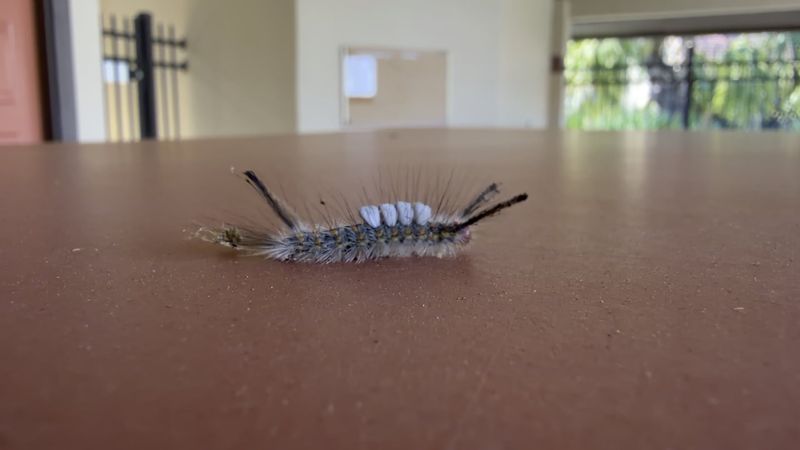
Avoid contact with caterpillars and cocoons
© Reddit

Prevention starts with not touching. Hairs may also be woven into the caterpillar’s cocoon, according to UMass Extension, so a cocoon can expose you just as the caterpillar can.

Leave both alone, and use a tool if one must be moved.

Long sleeves, long pants, and gloves are sensible when you work around trees and shrubs. Check leaf piles, fences, and woodpiles before reaching in.

Kids can be curious about fuzzy creatures, so a quick rule of look but do not touch goes a long way.

A pale, hairy look, as described by Penn State Extension, may help you recognize this species, but it does not prove that an unknown caterpillar is safe. Treat any fuzzy one with the same caution.

None of this suggests a local outbreak; it is simply good habit.

If contact happens, skip bare hands, clean the exposed skin, and get the right help for severe symptoms or uncertain exposure through Poison Control or the state poison center list. The best garden habit is a calm one: a little fuzz is no reason to panic, only a reason to use a stick instead of a finger.

Share this story
E

Written by

Elyanna

More from Elyanna →

A passion for lavender! From a young age, Elyanna has had a passion for lavender. It began at the age of two when her mother walked her through fields of lavender in Norfolk England. This ignited her interest; she has grown harvested and learned about this beautiful herb.

About Gardening Latest

Gardening Latest provides in-depth guides to maintaining and enhancing your garden and backyard. Learn how to make the most of the space you have and create a beautiful garden.

More about us →

Latest stories

  • Missouri GardeningIf Your Missouri Woodpile Sits Against the House, You’re Inviting Brown Recluses Indoors This Winter

    If Your Missouri Woodpile Sits Against the House, You’re Inviting Brown Recluses Indoors This Winter

    4 min ago
  • Tennessee GardeningBefore You Dig In, Here’s How To Recognize Every Venomous Creature Sharing Your Tennessee Yard

    Before You Dig In, Here’s How To Recognize Every Venomous Creature Sharing Your Tennessee Yard

    10 min ago
  • Alabama GardeningThat Burning Saddleback Caterpillar Sting in Your Alabama Garden Calls for These Steps Right Away

    That Burning Saddleback Caterpillar Sting in Your Alabama Garden Calls for These Steps Right Away

    16 min ago
  • Minnesota GardeningBefore You Pick Up That Big Black Caterpillar With White Spots In Minnesota, Read This

    Before You Pick Up That Big Black Caterpillar With White Spots In Minnesota, Read This

    22 min ago
  • Illinois GardeningDeer Are Rubbing Their Antlers on Your Illinois Saplings Right Now, and Here’s How to Save Them

    Deer Are Rubbing Their Antlers on Your Illinois Saplings Right Now, and Here’s How to Save Them

    28 min ago

Gardening by state

Stories for your state, and the hardiness zone most of it gardens in.

Keep exploring

Read next

All New York Gardening →
New York GardeningThis Invasive Tree Keeps Sprouting From New York Sidewalk Cracks and Yards, No Matter How Often You Pull It
New York Gardening

This Invasive Tree Keeps Sprouting From New York Sidewalk Cracks and Yards, No Matter How Often You Pull It

1 hr ago
New York GardeningWhen New York Rhubarb Bolts Into a Giant Flower Stalk, Here’s What’s Happening and Why Cutting It Helps
New York Gardening

When New York Rhubarb Bolts Into a Giant Flower Stalk, Here’s What’s Happening and Why Cutting It Helps

4 hr ago
New York GardeningBefore You Cut Your Neighbor’s Vines Hanging Over The Fence, Know What New York Law Allows
New York Gardening

Before You Cut Your Neighbor’s Vines Hanging Over The Fence, Know What New York Law Allows

7 hr ago

More from New York Gardening

  • The Glossy Nuts New York Children Gather Every Fall Are Actually Poisonous

    Nov 27
  • 7 Firewoods That Keep New York Homes Warmest All Winter, And 3 You Shouldn’t Burn

    Nov 26
Back to top

Leave a response Cancel

Your email address stays private. Required fields are marked with an asterisk.

Gardening Latest

In-depth guides to maintaining and enhancing your garden and backyard: how to make the most of the space you have, and how to make it beautiful.

  • Facebook
  • X
  • Pinterest
  • YouTube

We may earn a portion of sales from products or services that are purchased through our site as part of our affiliate partnerships with retailers.

Explore

  • About GardeningLatest.com
  • Contact Us
  • Terms and Conditions
  • Privacy
  • Editorial Note:
  • FTC Disclosure

Newsletter

New garden guides and seasonal tips, straight to your inbox.

We’ll email you a link to confirm. Unsubscribe any time.

Almost there! Check your inbox and tap the link to confirm.

© 2026 Gardening Latest. All rights reserved.

Back to top