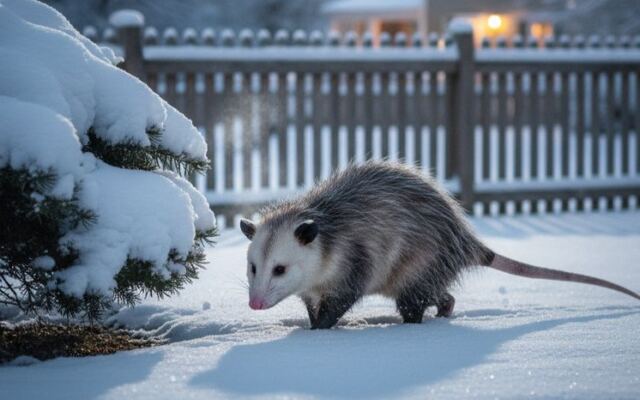
When the temperature drops, an opossum may look for a dry, sheltered spot, and a New Jersey porch, deck, or shed can fit the bill. Opossums do not hibernate, so you might spot one in winter or hear something under your steps.
Not every sighting means an animal has moved in, and not every den needs to be dealt with right away. Here is how to tell the difference and what to do, step by step.
Cold weather changes an opossum’s routine
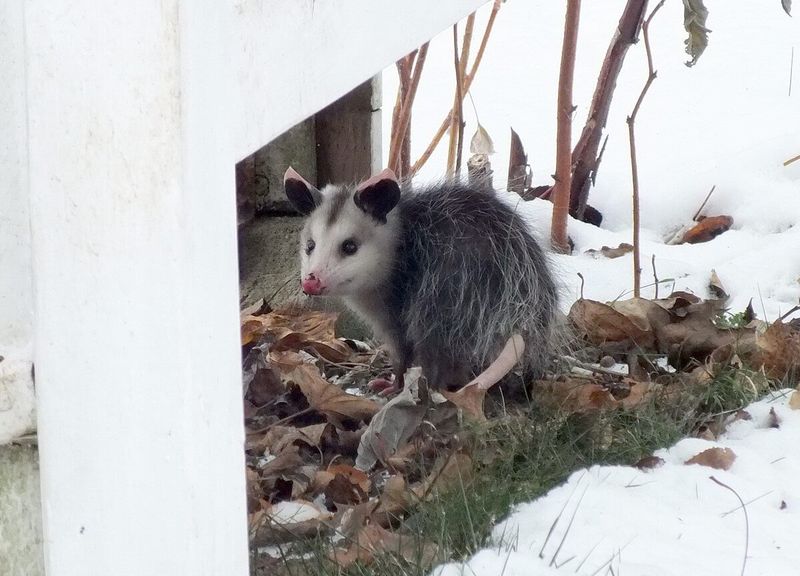
Opossums do not hibernate. According to the Pennsylvania Game Commission, they may spend more time in dens during cold or snowy periods.
That is a change in routine, not a disappearing act.
When conditions ease, they come back out. The U.S.
Fish and Wildlife Service notes that opossums stay in dens and generally emerge for food or water, and they may forage on warmer winter afternoons. So an animal crossing your yard in January is not a strange event.
It also helps to keep the idea of a den separate from the idea of a house. A winter sighting may simply be an outdoor animal looking for a meal, and a building is only one of several places it could be sleeping.
Seeing an opossum is not proof that it has settled into your home or that more are on the way.
Think of winter as a slower season for these animals. They tuck away during the worst weather and venture out when it is bearable, which can include daylight hours.
Knowing that makes the next steps much easier to judge calmly, without assuming the worst about every footprint in the snow.
Cold snaps in New Jersey can swing from freezing nights to milder days, so you may notice the pattern shift from week to week. An opossum that stays out of sight during a hard freeze may be back at your yard edge after a thaw.
That ordinary stop-and-start rhythm is part of how they get through winter.
Porches and sheds can offer shelter
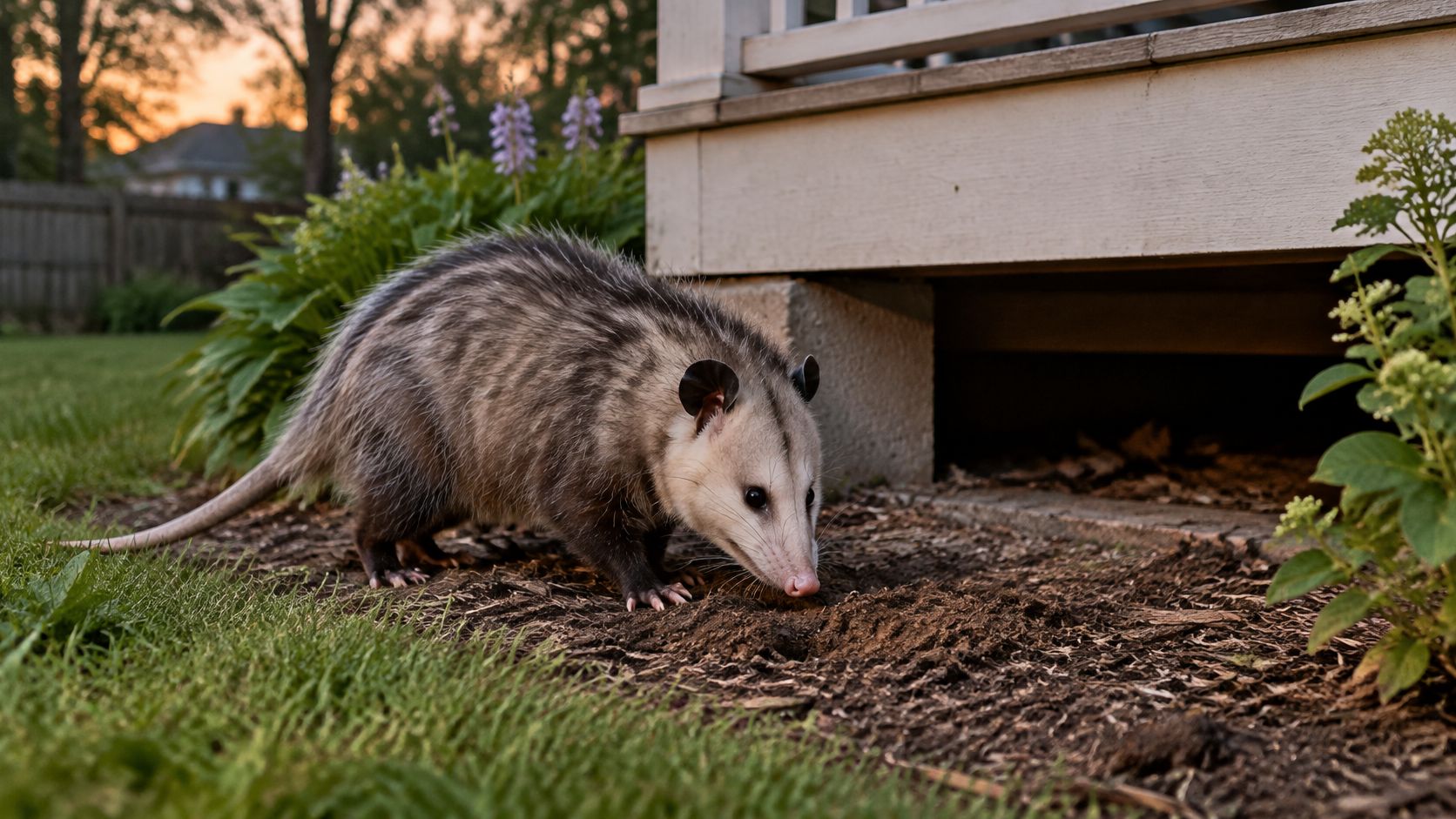
In developed areas, New Jersey Conservation Foundation reports that opossums use porches, decks, sheds, attics, and garages for shelter. These spaces are dry, out of the wind, and often quiet.
For an animal looking for a resting place, that can be appealing.
Buildings are far from the only option, though. Opossums also use tree cavities, hollow logs, burrows, and brush piles, and Massachusetts wildlife guidance describes a similar mix of natural and human-made dens.
A single animal may switch between several spots rather than staying in one.
Here is the key limit on what we know. These sources show that individual opossums may use porches, decks, and sheds as shelter.
They do not show a predictable winter influx across New Jersey, so there is no reason to expect one under every set of steps.
If you want to know whether your own space is a likely candidate, look for a gap near the ground, loose lattice, or a hole beside a foundation. A dark, sheltered corner with an opening large enough for a cat-sized animal is the kind of spot that gets noticed.
Spotting such a gap does not mean anything has moved in, but it tells you where to look first.
If one is under the porch, start by observing
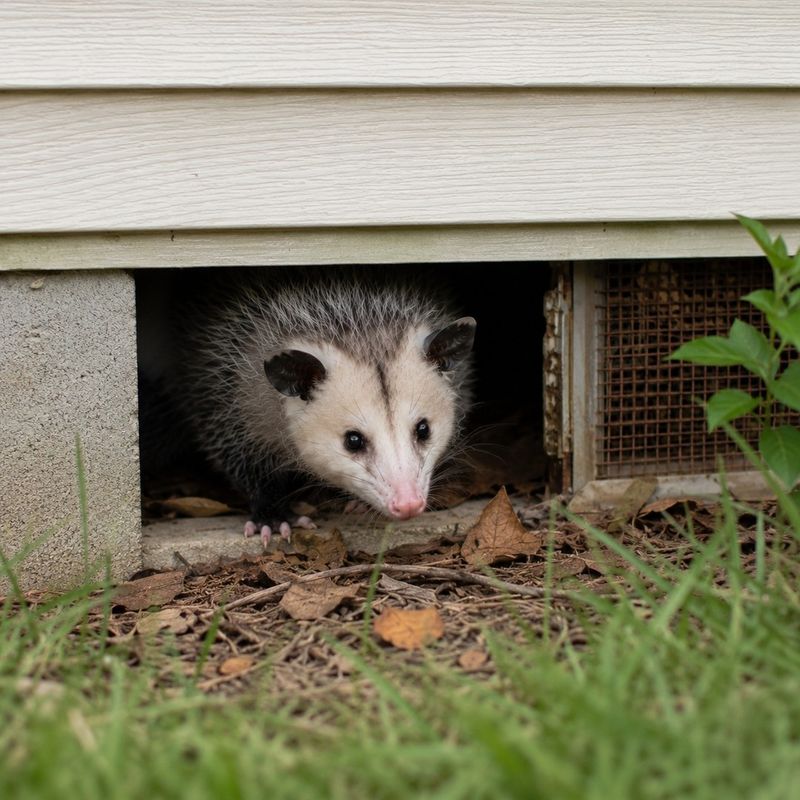
Finding an opossum under your porch does not automatically call for action. If it is not causing a problem, leaving it undisturbed is a reasonable choice.
Many animals move on by themselves once the weather improves.
Keep people and pets at a distance in the meantime. Bring dogs and cats in at dusk, and keep children away from the opening.
Watching from a window gives you information without stress to the animal.
Behavior can be misleading. Massachusetts wildlife guidance notes that opossums can be seen by day, including when food is scarce.
A hiss or an open mouth with bared teeth is often a defensive display, as the Humane World for Animals guide explains. Neither one, by itself, tells you the animal is sick or has rabies.
So what counts as a real reason to step in? Think of damage to wiring or insulation, droppings in a crawl space, a pet that keeps getting drawn to the spot, or an animal that is clearly injured.
Those are practical problems you can name. A quiet visitor under the steps is just a visitor, and a few days of watching will tell you a lot.
Check for young before closing an entry
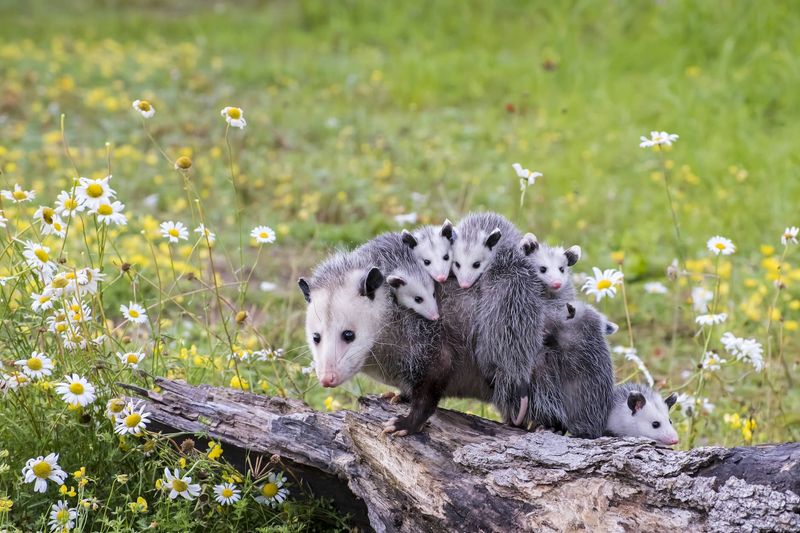
Before anyone blocks a hole, make sure no opossum or dependent young will be trapped inside. A sealed space can leave a mother outside while her babies are stuck within, or lock an adult in with no way out.
The Humane World for Animals guide says to confirm this first if exclusion is needed.
Young opossums can ride in the mother’s pouch or cling to her back. Do not try to remove pouch young yourself.
Handling them can harm them and put you at risk of a bite or scratch.
Sometimes you find a single young opossum on its own. The New Jersey Association of Wildlife Rehabilitators says an uninjured young opossum over 7 inches long, not counting the tail, is old enough to be on its own.
For one under 7 inches, contact a licensed rehabilitator.
A practical check is to watch the opening at dusk and dawn for a few days. Note whether one animal or several come and go, and whether any small ones appear.
If you cannot tell what is inside, or the space is hard to see into, that is the moment to call a qualified wildlife professional rather than guess.
Give an opossum a safe way out
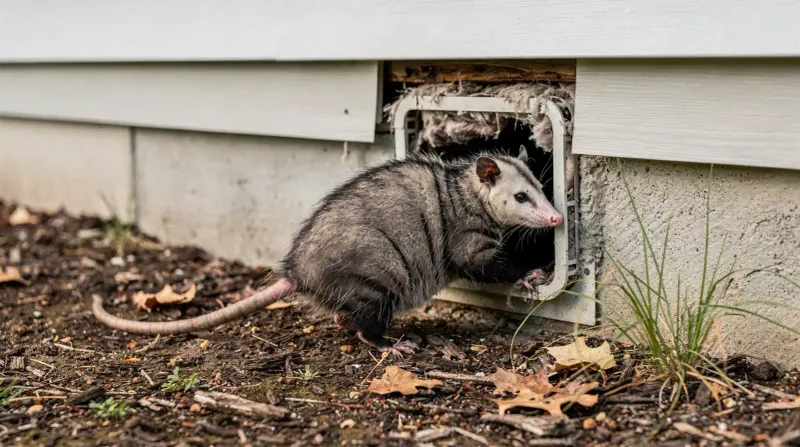
Once you have checked that no young are inside and exclusion makes sense, a one-way door is one humane option. It lets the animal leave but not get back in.
The Humane World for Animals guide describes leaving one exit with the door fitted, then sealing the other gaps as appropriate.
Timing matters. The guide advises leaving the door in place for at least three days, which gives the animal time to leave on its own schedule.
Closing the opening right away is not a safe shortcut.
Never seal a space that may still be occupied. If you are not sure the den is empty, keep the door in place longer and keep watching instead of closing it up.
Rushing the job is how animals end up trapped.
Some dens are harder than they look. A space that stretches under a large deck, connects to a crawl space, or has several openings may be more than a weekend project.
In those cases, a qualified wildlife professional can read the situation and handle the exclusion, which protects both the animal and your home.
Reduce food attractants and avoid quick fixes
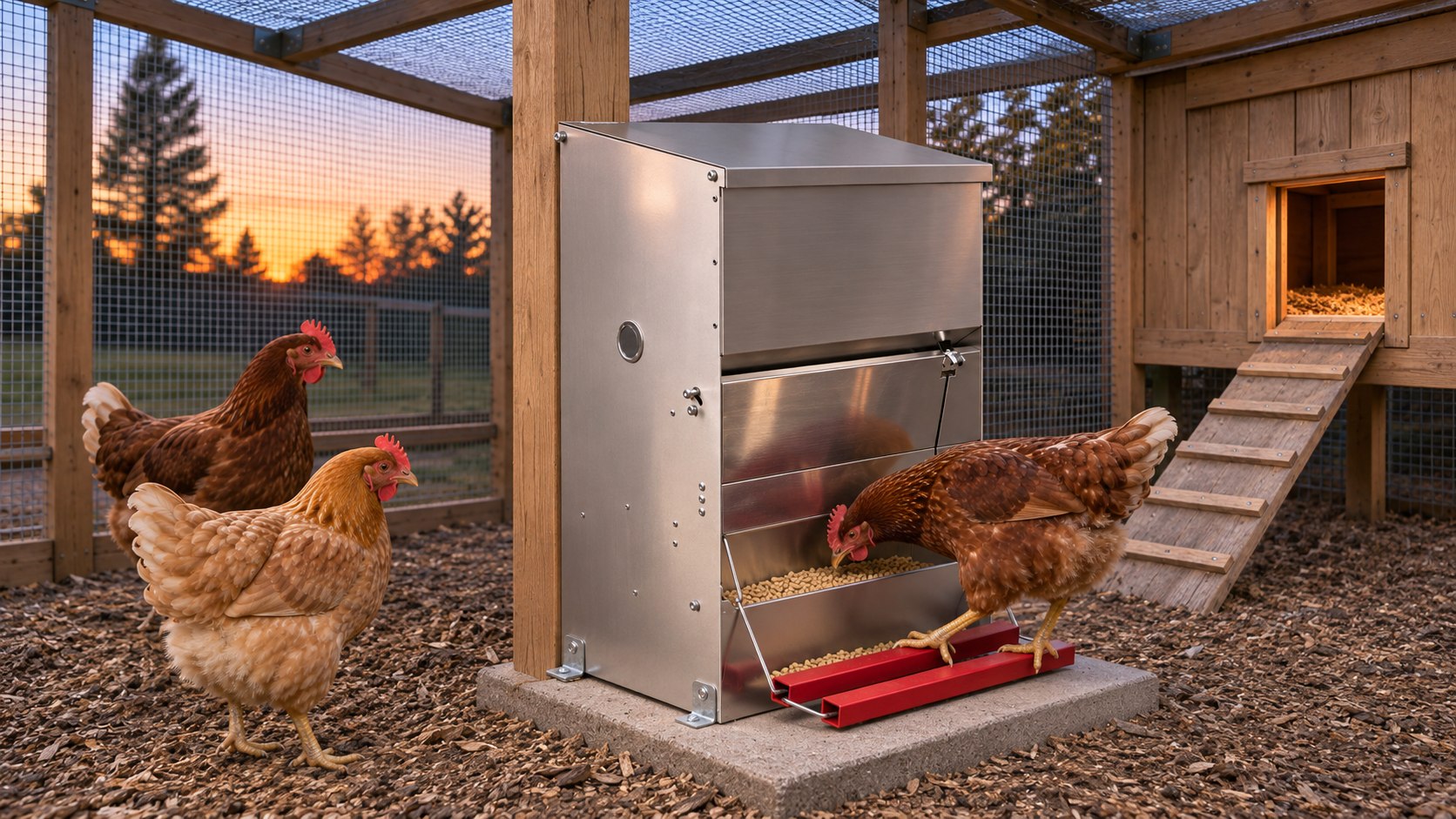
Food draws wildlife, so a few habits help. Massachusetts wildlife guidance recommends tight-fitting garbage lids, bringing pet food indoors, and cleaning up spilled birdseed.
The New Jersey Department of Health also advises securing garbage and keeping pet food inside.
These steps lower the appeal of your yard, but they are not a guarantee. An opossum may still pass through or den nearby.
Treat them as a way to reduce the odds.
Some popular remedies are poor choices. The Humane World for Animals guide warns against mothballs and ammonia, which are unsafe and ineffective.
Casual trapping and relocation is not a simple fix either.
The New Jersey Department of Environmental Protection says in its relocation policy that nuisance wildlife relocation is evaluated case by case. It favors habitat changes and exclusion where possible, and warns that moving an animal can reduce its survival or create new conflicts.
A relocated opossum may also leave behind young that depend on it.
Get New Jersey guidance after a possible exposure
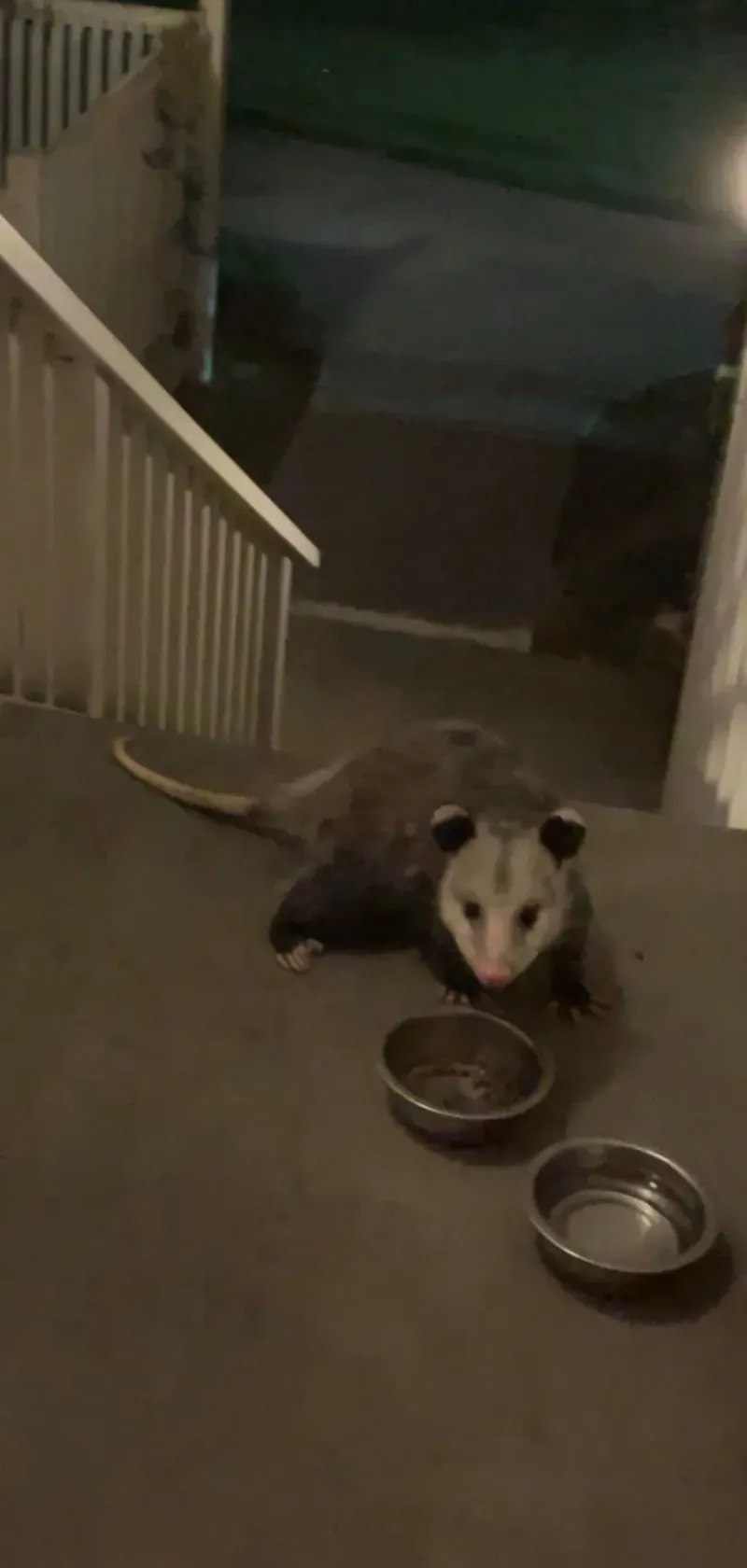
Opossums can get rabies, so they should never be treated as rabies-proof. They are less often reported with it than some other wildlife, but less often is not never.
The New Jersey Department of Health says decisions about post-exposure treatment after contact with opossums are made case by case.
If you or a family member is bitten, or you have another possible exposure, wash the area well and contact a health-care provider. Then call your local health department for guidance.
The same goes if a pet has had contact with an opossum.
Do not try to judge the animal yourself. Looks and behavior are not reliable clues, and a hiss, a daytime appearance, or a stiff, still posture does not settle the question either way.
Professionals weigh the details of what happened.
It helps to write down what you can remember: when it happened, what contact occurred, and where the animal was last seen. That gives the health department something concrete to work with.
Staying calm and making the calls quickly is the best approach.
Know whom to call when you need help
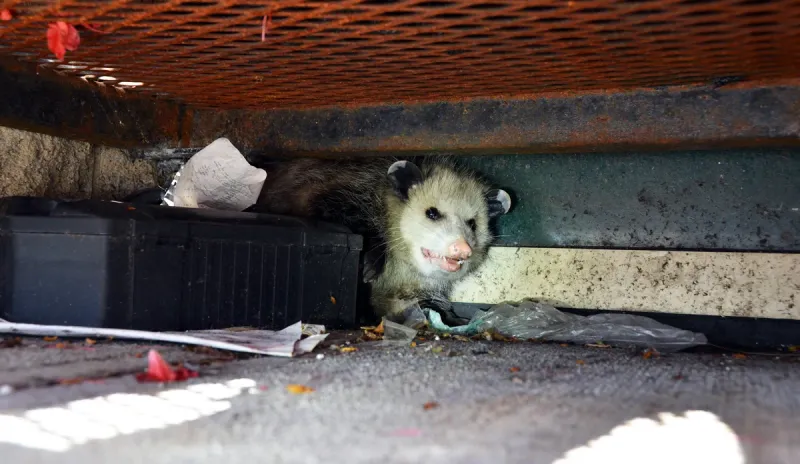
The path is simple. Leave a harmless animal alone, check for young before any exclusion, and ask for help when a den or nuisance problem feels uncertain.
Start with guidance from the New Jersey Department of Environmental Protection, such as its wildlife relocation policy.
Keep in mind that the New Jersey Department of Health says municipal animal-control officers do not generally handle wildlife nuisance issues and points residents to NJDEP.
Most opossums under a porch are just waiting out the cold, and a little patience often solves the problem.
Share this story