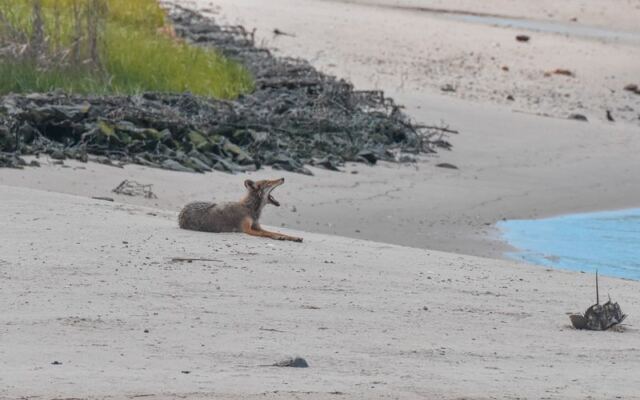
Coyotes howl near New Jersey homes after dark because howling is how they talk to each other. Their yips, barks, and howls likely help them defend territory and keep their families connected.
Hearing them can feel eerie, but it is a normal part of life in a state where coyotes live close to people. Here is what those sounds can and cannot tell you, and what to do if you want to keep pets and yards safe.
Coyotes use howls to communicate after dark
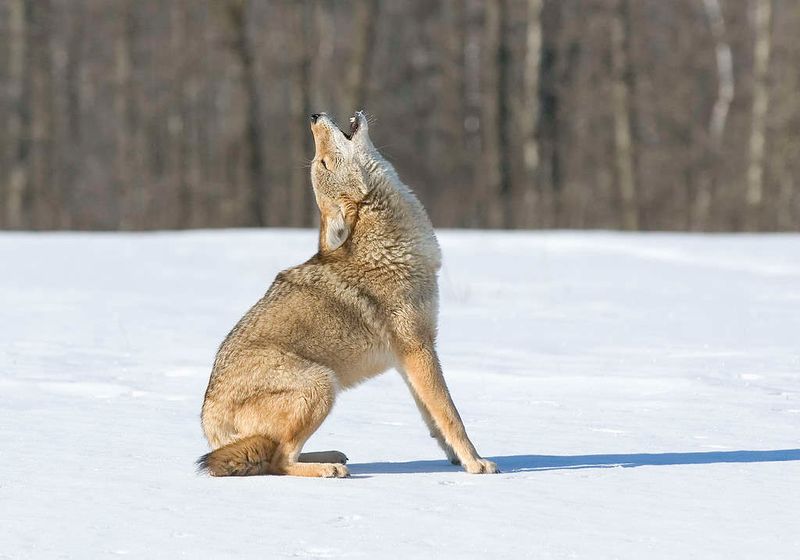
Night is prime time for coyotes. According to Rutgers Cooperative Extension, New Jersey coyotes are most active from dusk to dawn, so hearing them after the sun goes down is not a surprise.
Their yips, barks, and howls are ordinary communication. These calls likely help coyotes defend their territory and keep family bonds strong, much like neighbors calling across a field to say where they are.
A single call, though, does not come with a label. A howl does not tell you what that particular coyote was trying to say at that moment.
It also does not mean the animal is at your house, watching your yard, or planning anything involving your property.
Think of it as background noise from the wild neighbors who share your town. Most nights, the coyotes calling in the distance are simply going about their business, and they are generally wary and secretive around people.
If you hear howling, you do not need to rush outside or sound an alarm. A calm, routine check that pets are inside and the trash is secured is plenty for a night when the only thing happening is sound.
A chorus cannot reliably count coyotes
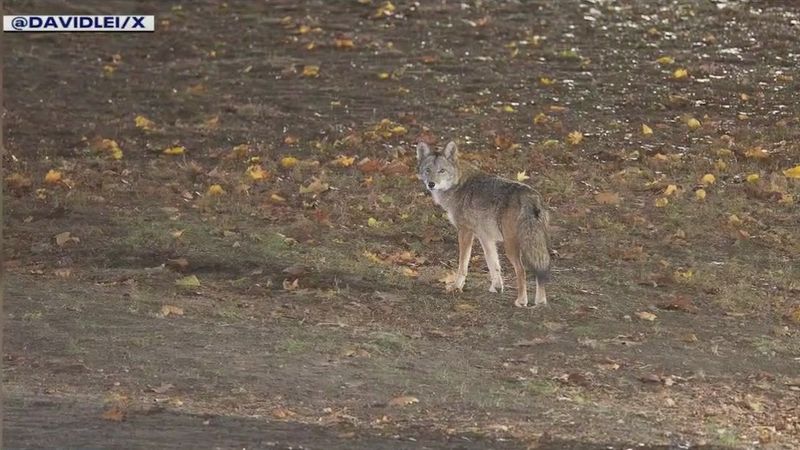
Ever heard a wild burst of yips and howls and thought a whole pack had surrounded your street? Your ears may be fooling you.
In a study on how people hear coyote group size, listeners overestimated the number of coyotes nearly twofold on average.
The study reports that result without pinning it on any single cause, so it is best to simply accept the finding. Human ears are not good coyote counters.
That means a chorus cannot reliably tell you how many coyotes are calling. It cannot tell you how close they are, either.
A group that sounds right behind the fence could be far away, and a sound that seems like a crowd could be just a few animals.
It also cannot tell you what the animals intend. A loud chorus is not proof of a large pack, and it is not proof of a threat.
If the noise worries you, use it as a reminder to do the simple things. Bring pets in, turn on a porch light, and check that nothing tempting is left outside.
Then let the sound pass. You can judge real risk by what you actually see an animal doing, not by how many voices you think you heard.
A call near a home does not show the home attracted coyotes
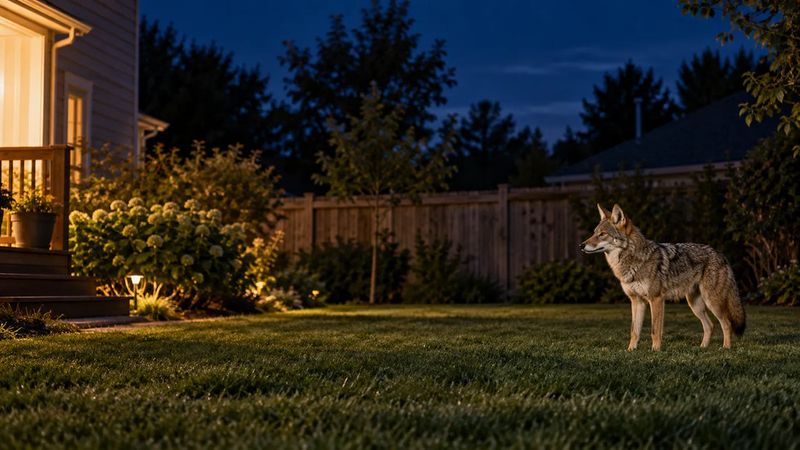
Two different things often get mixed together: a coyote calling and a coyote visiting a yard for food. They are separate issues.
Howling is communication, while a yard visit is about finding something to eat.
Rutgers says coyotes may use accessible residential food sources, such as unsecured garbage or pet food left outside. The same source also notes that unnatural food sources are not preferred, so coyotes are not simply waiting to raid every home.
Neither fact explains a particular howl. Hearing coyotes near your house does not mean your property drew them in.
It does not mean the animals are used to people, and it does not mean they are targeting your home.
Coyotes call from fields, parks, creek corridors, and wooded lots that happen to sit near houses. In a crowded state like New Jersey, that is a lot of places.
A better clue about food is what you find in your yard rather than what you hear at night. Tipped trash cans, scattered compost, or a bowl of pet food left out overnight tell you more than any howl can.
Treat the sound and the snack as two questions, and answer each one on its own terms.
Season offers context, not an answer to a particular call
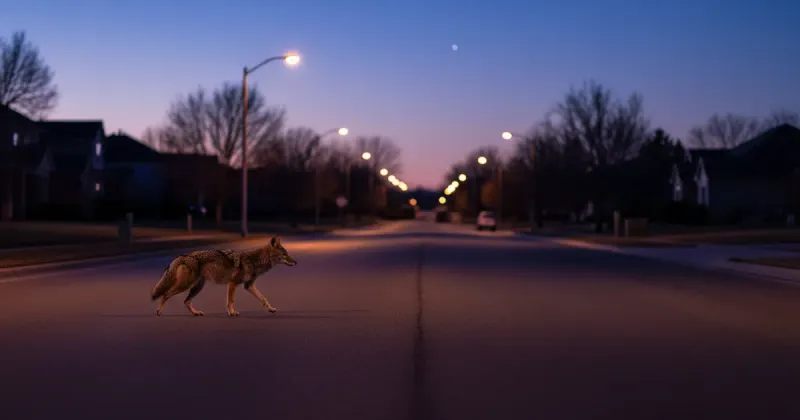
The calendar can add a little background. Rutgers reports that New Jersey coyotes mate in February or March, and pups arrive after roughly 60 to 63 days.
Later in summer, the young begin traveling short distances with the adults.
The state wildlife agency adds that NJDEP says conflicts are more likely as adults forage for their pups in spring and summer. That is useful to keep in mind when planning pet care and yard habits.
Still, season is context, not a decoder ring. It cannot explain why a coyote howled at 10 p.m. last Tuesday, and it cannot prove that a den is nearby.
A howl in May does not mean a den sits behind your shed.
The moon deserves a mention too. Despite the popular image, coyotes do not howl more frequently during a full moon, according to Massachusetts wildlife officials.
Coyotes are not howling at the moon, and moonlight does not explain a particular call.
So when you hear howling, skip the guessing game about season or moon phase. Use the time of year as a gentle nudge to double-check your pet routines, not as a way to read a specific sound.
Make yards less rewarding and protect pets
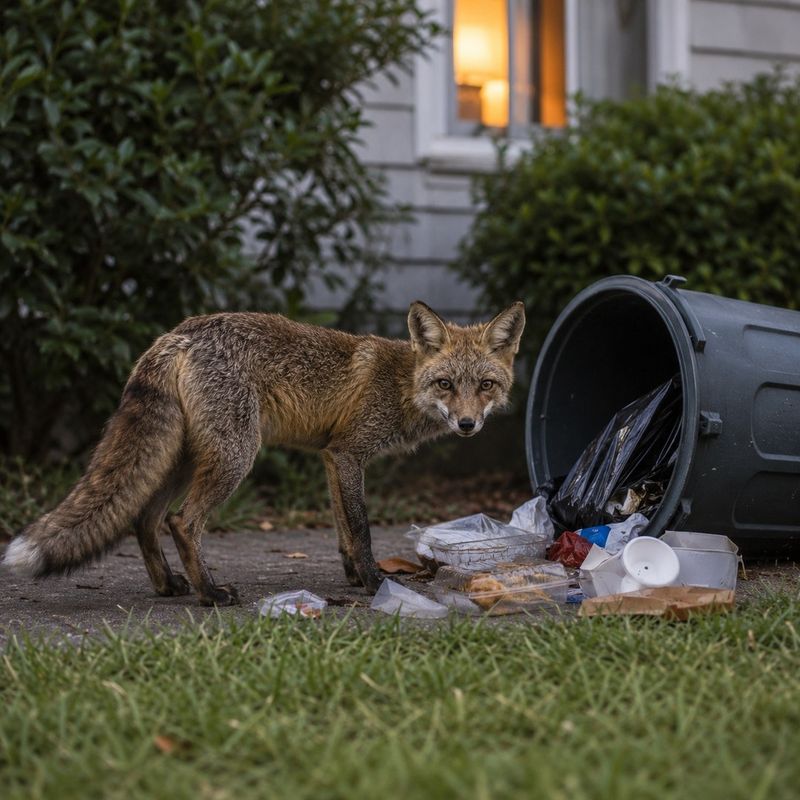
Here is where you can actually make a difference. Howling will not stop, because it is normal coyote talk.
What you can change is whether your yard gives coyotes a food-related reason to come back.
Start with the basics from Rutgers. Never feed coyotes, on purpose or by accident.
Secure garbage and compost in sturdy containers, and bring pet food indoors.
Clean up fallen fruit under trees, and sweep up bird seed that spills under feeders. Those small piles are easy meals for rodents, and rodents can draw in animals that hunt them.
Pets need a little extra planning. Keep dogs and cats supervised when they are outside, especially around dawn, dusk, and after dark.
A short leash walk and a flashlight are simple habits that go a long way.
If you keep chickens, rabbits, goats, or other livestock, close them into secure housing at night. Florida wildlife officials also stress securing animals and removing food sources as basic protection.
Keep the goal clear. These steps reduce food-related reasons for coyotes to revisit a yard.
They are not a way to silence the howls you hear from the woods down the road.
Respond to an encounter from a safe distance
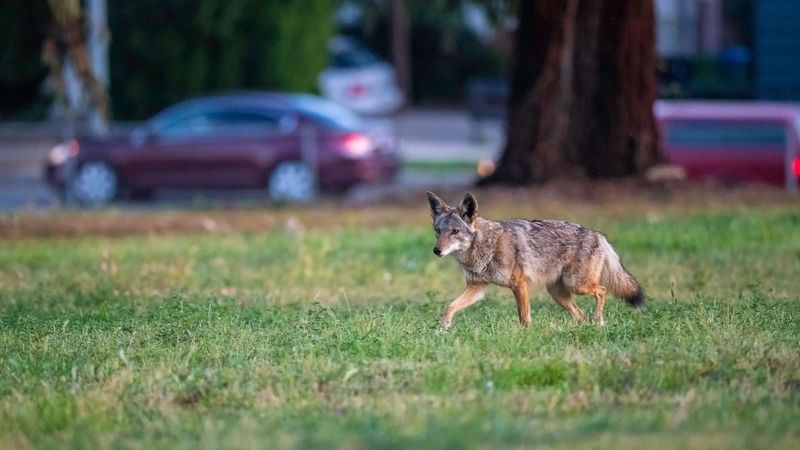
If a coyote comes too close, the first job is getting children and pets to safety. Pick up small pets or bring them inside, and calmly step back toward a door or car.
From a safe position, make yourself look big and make noise. Florida wildlife guidance says to stand tall and not run.
Shouting, clapping, or waving your arms are typical choices.
Keep your distance. California hazing guidance cautions against approaching a coyote that is cornered, injured, or near pups.
Never walk up to one or box it in.
A daylight sighting alone is not a cause for alarm. Rutgers says seeing a coyote during the day does not mean it is sick or acting abnormally.
The concern NJDEP names is daytime coyotes that show no fear of people.
NJDEP says to contact local police and the agency if a coyote attacks a person, or if coyotes seen in daytime show no fear of people. Call the Fish and Wildlife number at 908-735-8793, or 877-WARN-DEP outside normal business hours.
You can also seek official help in other situations that worry you.
A howl alone does not warrant a report, and it is not a reliable warning of danger or a sign coyotes are targeting your home. Judge an encounter by the animal’s behavior.
The night sounds are the coyotes minding their own business, and the one to watch is the animal that does not walk away.
Share this story