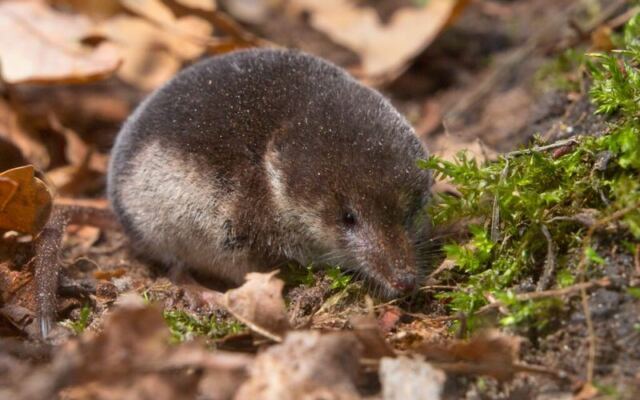
Rustle through a pile of damp leaves in an Iowa yard or woodlot, and something small and fast may be moving underneath. Some of those animals are short-tailed shrews, tiny mammals with saliva that carries toxins.
Northern short-tailed shrews live in Iowa, but a quick look at a shrew rarely tells you which species it is. Here is what they are, how their bite works, and how to stay safe around them.
What lives beneath the leaves?
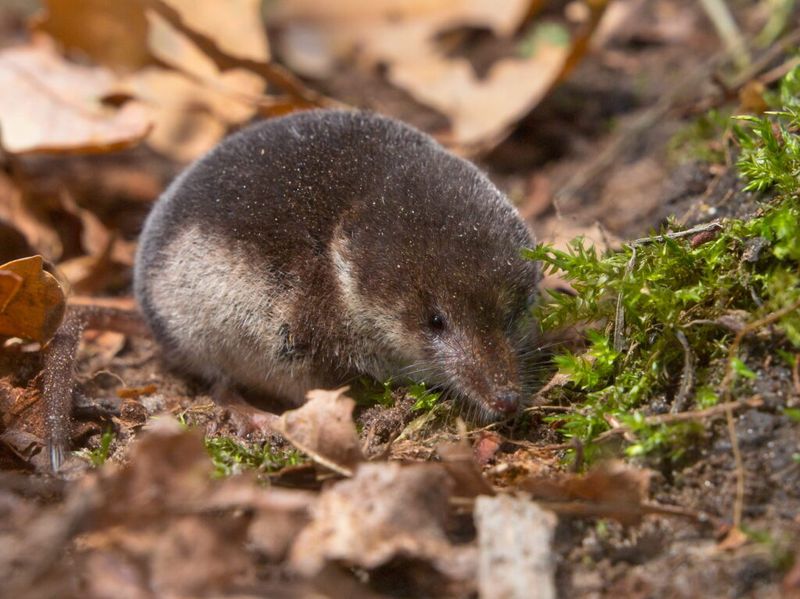
Picture a gray-to-black animal about the size of a mouse, with a pointed snout, a short, thick tail, and eyes and ears so small you can barely see them. That is how Iowa State University Extension describes the northern short-tailed shrew.
It spends much of its time underground, and it rarely comes out above litter or debris.
Habitat is wide. Extension lists woods, grasslands, lawns, and moist areas with deep leaf or grass litter.
So Iowa leaf litter can shelter northern short-tailed shrews, and a thick, damp layer of leaves is a good place for one to hunt out of sight.
Still, a pile of leaves is not a name tag. Shrews of more than one kind can use similar ground cover, and the animal itself is small, quick, and mostly hidden.
Seeing a tiny mammal dart under the leaves is an encounter. Knowing which species it was is a separate question, and often one you cannot answer from a glimpse.
If you spot something moving in the litter, a good first step is simply to watch from a few feet away. Notice the size, the tail, and the tiny eyes if you can.
Those details help you describe what you saw, even when they cannot settle the species.
Two Iowa species complicate identification
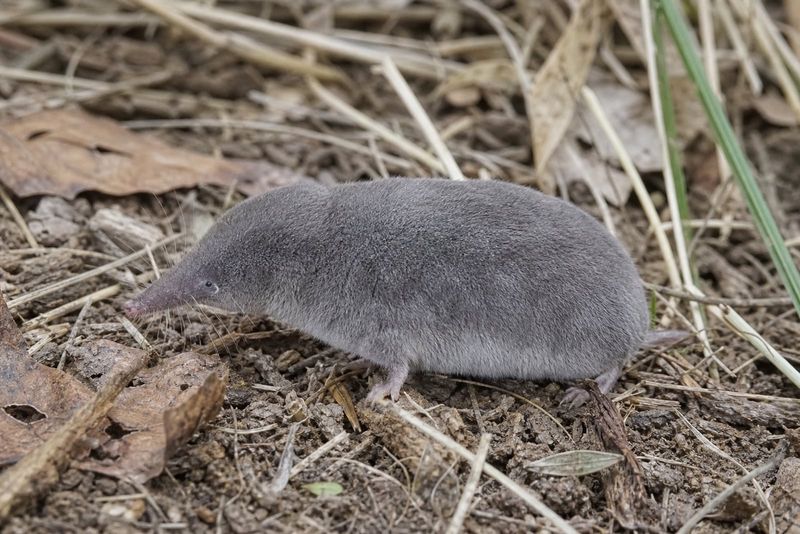
Iowa has more than one short-tailed shrew. According to Iowa State University Extension, the northern short-tailed shrew can be found in every county.
Elliot’s short-tailed shrew also lives in Iowa’s southwest corner, alongside the northern species.
The trouble is that the two look very similar. Extension notes they can be difficult to tell apart without genetic analysis.
That means fur color, body size, and a short tail will not settle the question for most of us.
Say you find a shrew in leaf litter near the Missouri River. It could be northern, or it could be Elliot’s, and nothing you can see from a distance will prove which.
Even in the rest of the state, where the northern species is the one on the list, a careful observer would call it a short-tailed shrew and leave it there.
Location, habitat, and looks are all useful clues, but none of them is proof. A better approach is to record what you can without touching the animal.
Note the county, the date, the kind of ground cover, and take a photo from a respectful distance. Catching one for a closer look is not a good idea, for you or for the shrew.
Its bite delivers venomous saliva
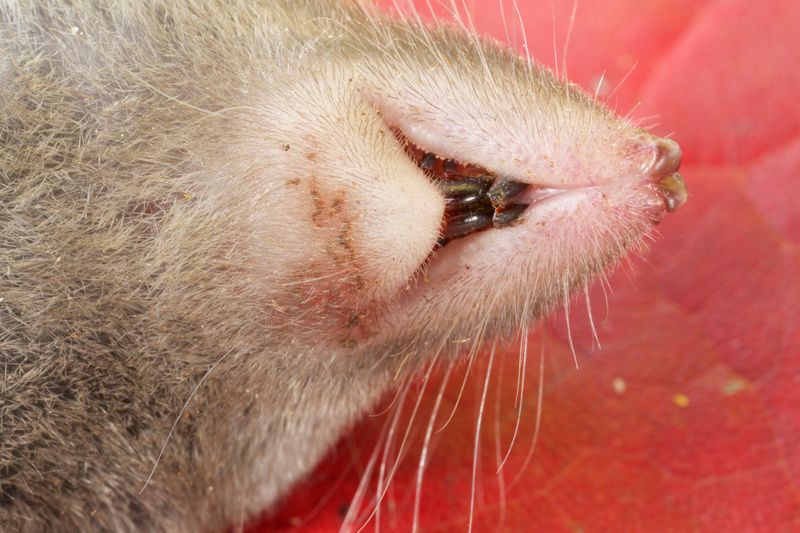
Venomous sounds dramatic, so it helps to be precise. The northern short-tailed shrew makes saliva that contains toxins, and it delivers that saliva through a bite to subdue prey.
It does not have snake-like fangs, and it is not built like a rattlesnake.
Scientists have looked closely at what is in that saliva. A 2004 study in PNAS isolated and characterized a toxin from the northern short-tailed shrew, called Blarina toxin, and described it as a lethal venom for small animals.
That work tells us about the chemistry and its effects on prey.
It does not tell us what a bite will do to a person. Prey effects and human effects are different things, because a toxin that works on a worm or a mouse may behave differently in a much larger body.
Claims that the venom paralyzes people go beyond what the research shows.
The Iowa Extension description of this animal fits that picture: a tiny hunter with a specialized bite, living mostly out of view. For people, the practical point is simple.
Treat the bite as something to avoid, and do not assume anything beyond that.
Diet and venom research leave open questions
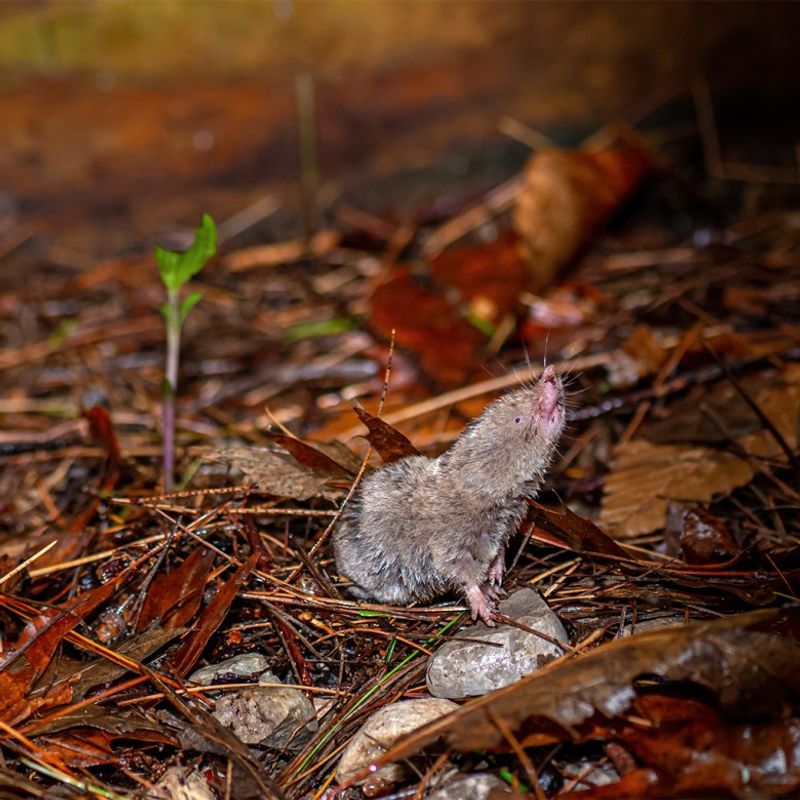
A shrew’s menu is long. Iowa Extension lists worms, millipedes, and insects as primary prey, with snails and small mammals also eaten.
That is a wide range for an animal that can fit in your palm, and it hunts mostly by moving through litter and tunnels.
It is tempting to say the venom evolved for one particular job, such as storing live prey or taking down large meals. Researchers are more careful.
A 2020 study in Genome Biology and Evolution found a relatively simple venom in this diet generalist, meaning an animal that eats many kinds of food.
That study offers possible explanations, but the authors say further functional testing is needed to learn what the individual components actually do. In plain terms, scientists know a good deal about what is in the saliva.
They know less about why each ingredient is there.
So when you read a confident claim about the one reason shrews are venomous, take it as a good guess rather than a settled answer. The animal’s diet and its venom clearly connect, but the details are still being worked out.
A bite calls for care, not panic
The simplest rule is the best one: do not pick up a wild shrew. CDC guidance on wildlife advises keeping your distance from wild animals to prevent bites and scratches.
If one is in your garage or window well, there are calmer ways to handle it than grabbing it.
Human bite evidence is limited. The Minnesota DNR reports a shrew bite linked to painful swelling that lasted several days.
That is one report, so it points to possible local pain and swelling, not a promise about every bite.
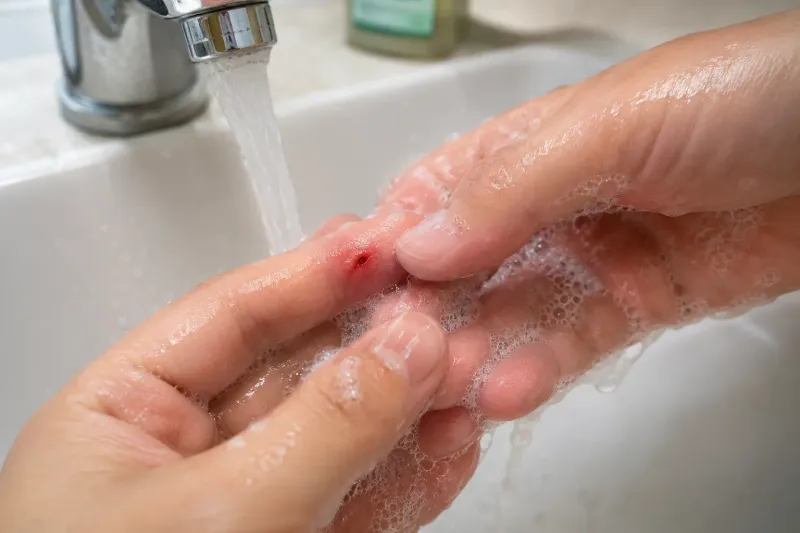
If you are bitten, wash the wound promptly with soap and water. Then get appropriate medical advice, since a bite is a wound and can need care like any other.
Ask a healthcare or public health professional about rabies risk instead of guessing either way. The CDC page on when to seek medical care explains when to call.
A bite does not call for panic, but it does call for a phone call.
Observe from a distance
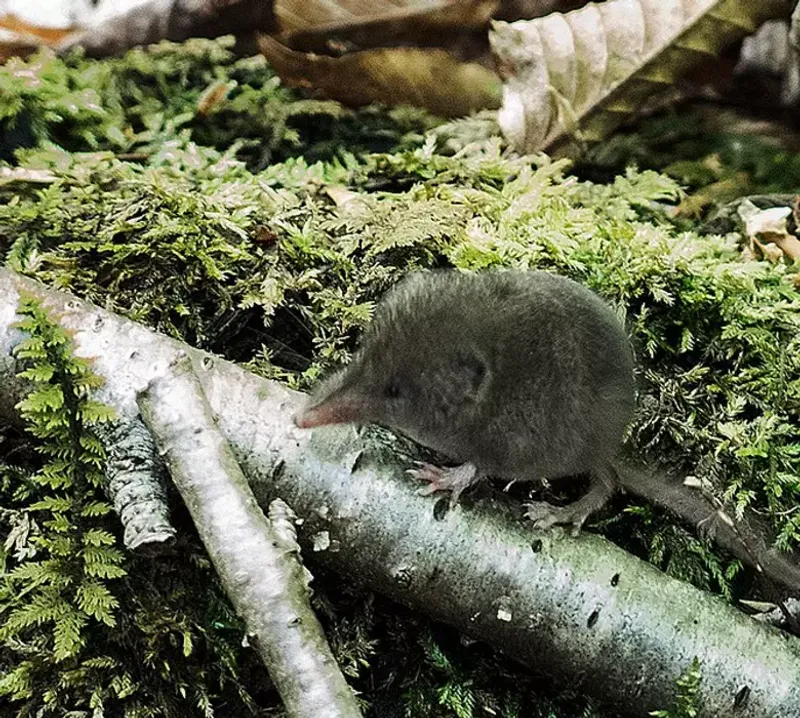
Iowa leaf litter can shelter a venomous short-tailed shrew, and Iowa Extension makes clear that the northern and Elliot’s species are hard to tell apart. A sighting alone cannot tell you which one you saw.
Following CDC advice, enjoy the moment from a distance and leave the animal alone.
Some mysteries are better left under the leaves.
Share this story