Get the latest garden guides in your inbox →
Gardening Latest
  • General Gardening
  • Lawn Care
  • Plant Care
  • Composting
  • Soil Health
  • Backyard
  • Garden Muse Magazine
  • General Gardening
  • Lawn Care
  • Plant Care
  • Composting
  • Soil Health
  • Backyard
  • Garden Muse Magazine
  • News
  • Gardening Calendar
  • Garden Structures
  • Vegetable Garden
  • Vertical Garden
  • Raised Beds
  • Hydroponics
  • General Equipment
  • Community Gardens
Garden Themes
  • Spiritual Garden
  • Hydroseeding
  • Seeding and Laying Sod
  • Artificial Grass
  • Lawn Care Equipment
  • Plants
  • Trees
  • Planting Tools
  • Composting Basics
  • Fertilizer
  • Alternative Growing Mediums
  • Front Yard
  • Backyard Activities
  • Landscaping
Gardening Latest

Explore by state

Which state is your garden in?

Currently viewing Illinois

All states

Northeast

  • Connecticut —
  • Delaware 45
  • Maine —
  • Maryland 31
  • Massachusetts 47
  • New Hampshire —
  • New Jersey 31
  • New York 40
  • Pennsylvania 40
  • Rhode Island —
  • Vermont —

Southeast

  • Alabama 31
  • Arkansas —
  • Florida 31
  • Georgia 31
  • Kentucky 45
  • Louisiana 30
  • Mississippi —
  • North Carolina 29
  • South Carolina 44
  • Tennessee 28
  • Virginia 30
  • West Virginia —

Midwest

  • Illinois 30
  • Indiana 32
  • Iowa 44
  • Kansas —
  • Michigan 31
  • Minnesota 30
  • Missouri 30
  • Nebraska —
  • North Dakota —
  • Ohio 31
  • South Dakota —
  • Wisconsin 45

Southwest

  • Arizona 30
  • Colorado —
  • Nevada —
  • New Mexico —
  • Oklahoma —
  • Texas 29
  • Utah —

West

  • Alaska —
  • California 30
  • Hawaii —
  • Idaho —
  • Montana —
  • Oregon —
  • Washington —
  • Wyoming —

No state matches that search.

Site menu

Gardening Latest
  • General Gardening
    • News
    • Gardening Calendar
    • Garden Structures
    • Vegetable Garden
    • Vertical Garden
    • Raised Beds
    • Hydroponics
    • General Equipment
    • Community Gardens
    Garden Themes
    • Spiritual Garden
  • Lawn Care
    • Hydroseeding
    • Seeding and Laying Sod
    • Artificial Grass
    • Lawn Care Equipment
  • Plant Care
    • Plants
    • Trees
    • Planting Tools
  • Composting
    • Composting Basics
  • Soil Health
    • Fertilizer
    • Alternative Growing Mediums
  • Backyard
    • Front Yard
    • Backyard Activities
    • Landscaping
  • Garden Muse Magazine

Explore

  • About GardeningLatest.com
  • Contact Us

Get the latest from the garden

New guides on lawn care, plants and backyard projects, sent when they go up.

Subscribe →

Follow

  • Facebook
  • X
  • Pinterest
  • YouTube
Illinois Gardening

Those Venomous Critters Living In Your Illinois Yard Are Easiest To Spot In Late Fall

When the leaves drop and the air turns crisp, your Illinois backyard starts giving away its secrets.

WN

By Walter Novak

November 28, 2026 · 5 min read

Those Venomous Critters Living In Your Illinois Yard Are Easiest To Spot In Late Fall

When the leaves drop and the air turns crisp, your Illinois backyard starts giving away its secrets. Spiders, snakes, and stinging insects that hid all summer suddenly become much easier to see.

Some are slowing down in the cold, while others are hunting for a warm place to spend the winter, sometimes inside your house. Knowing who is out there helps you stay safe and keeps you from panicking over the harmless ones.

At a glance

Where
Illinois Gardening
Hardiness zone
6 −10 to 0°F
Read
5 minutes
Published
November 28, 2026

1. Brown Recluse Spider

Brown Recluse Spider
© BuzzSkito

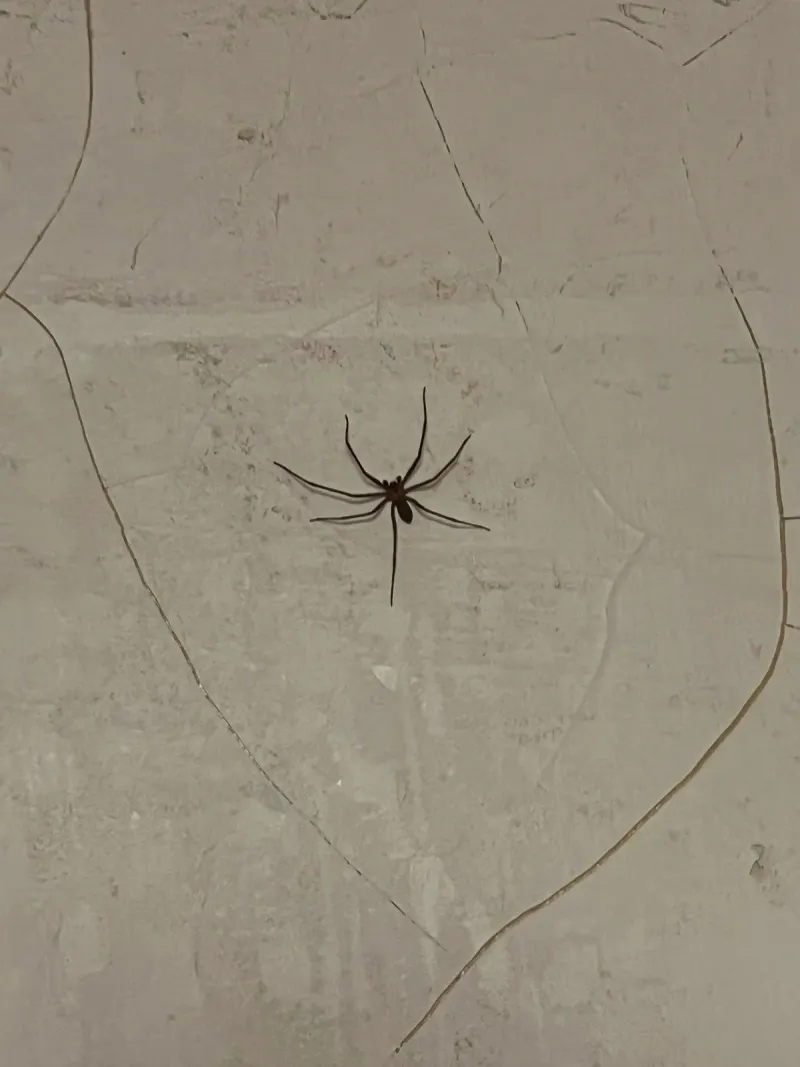
Picture yourself pulling a box of holiday decorations out of the garage in November. Tucked in the corner flap, a small tan spider with a dark violin shape on its back freezes in place.

Meet the brown recluse, a shy resident of southern and central Illinois.

As nights get chilly, recluses wander more while searching for sheltered spots. Garages, basements, and storage closets become prime real estate.

That movement is exactly why homeowners notice them more in late fall.

Bites are rare, since these spiders would much rather hide than fight. Still, a bite can cause a slow-healing sore, so shake out shoes, gloves, and stored clothing before using them.

Sticky traps along walls are a cheap way to find out if you have visitors.

2. Northern Black Widow
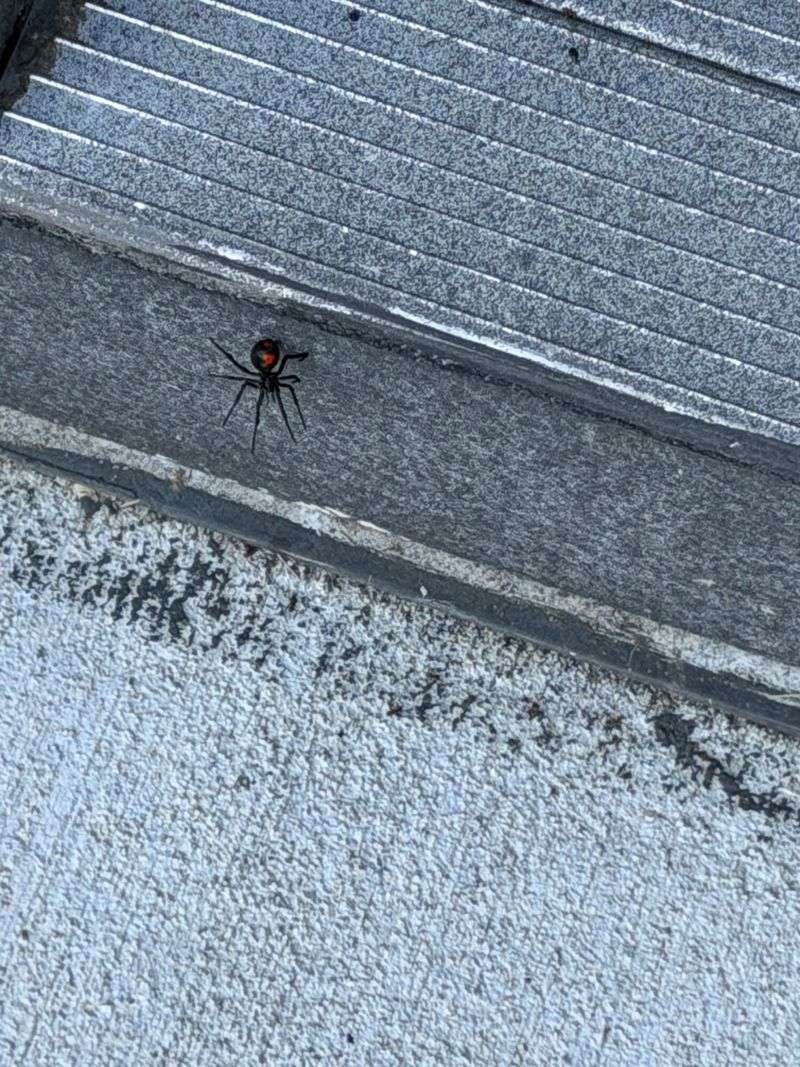
Northern Black Widow
© u.s.pest

Glossy, round, and dressed in jet black with a red hourglass, the black widow looks like a tiny piece of jewelry. Northern black widows live throughout Illinois, and fall cleanup is when many people meet one face to face.

Why now? Gardens die back, and webs that were hidden behind tomato plants or under deck boards are suddenly exposed.

Females also guard papery egg sacs this time of year, so they stay put.

Wear thick gloves when you move firewood, flowerpots, or old lumber. Their venom affects nerves and can cause painful muscle cramps, though deaths are extremely rare.

If you are bitten, call a doctor rather than waiting it out.

3. Eastern Copperhead
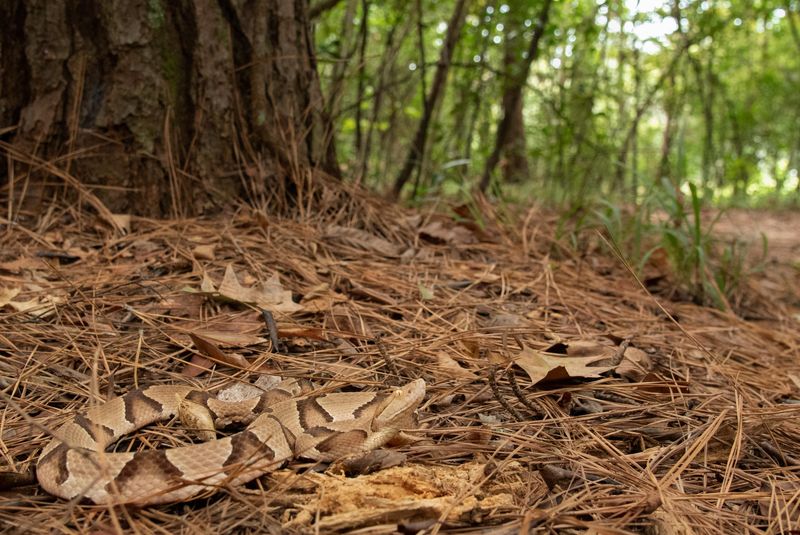
Eastern Copperhead
© Reddit

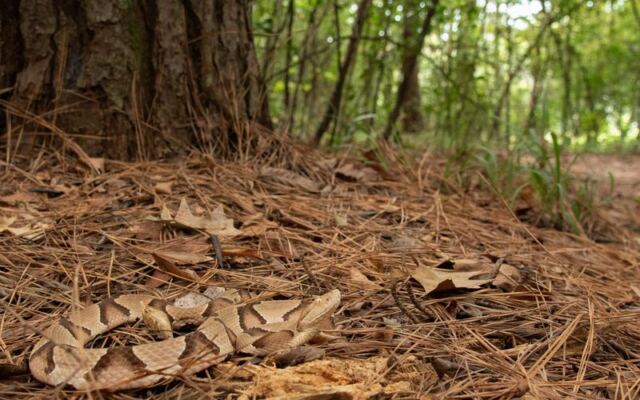
Here is the funny thing about copperheads: their camouflage is designed for fall. Those copper and tan hourglass bands blend almost perfectly into a carpet of dead oak leaves.

So why are they easier to spot in late fall? Copperheads in southern Illinois gather and travel toward rocky winter dens.

In late fall, massasaugas head for crayfish burrows to hibernate below the frost line.

On sunny afternoons, they bask on rocks, trails, and driveways to soak up warmth, which puts them right out in the open.

Give them space and they will happily leave you alone. Most bites happen when someone tries to grab, kill, or step over one.

Rake leaves with a long tool and wear boots in wooded yards near bluffs.

4. Timber Rattlesnake
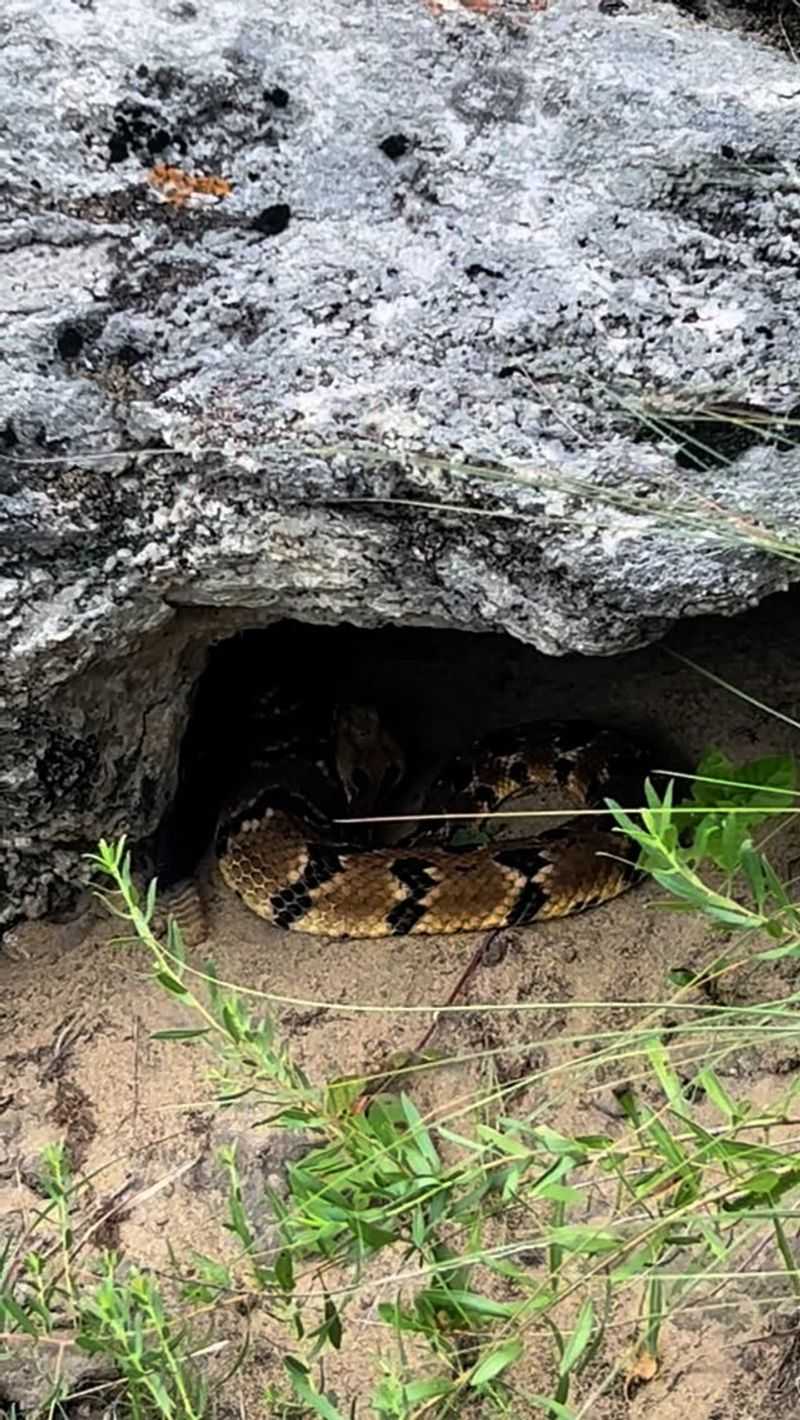
Timber Rattlesnake
© nature_mn

Few Illinois animals command as much respect as the timber rattlesnake. Big, heavy-bodied, and marked with dark zigzag bands, it is a threatened species in the state and legally protected.

October is basking season. Timbers return to the same rocky dens year after year, often along the Mississippi and Illinois River bluffs, and they lounge near the entrance before going underground.

Hikers and rural homeowners see them more now than in any other month.

If you hear that dry buzzing rattle, back away slowly. Never try to move or harm one; call your local conservation office if a snake shows up near your house.

5. Eastern Massasauga Rattlesnake
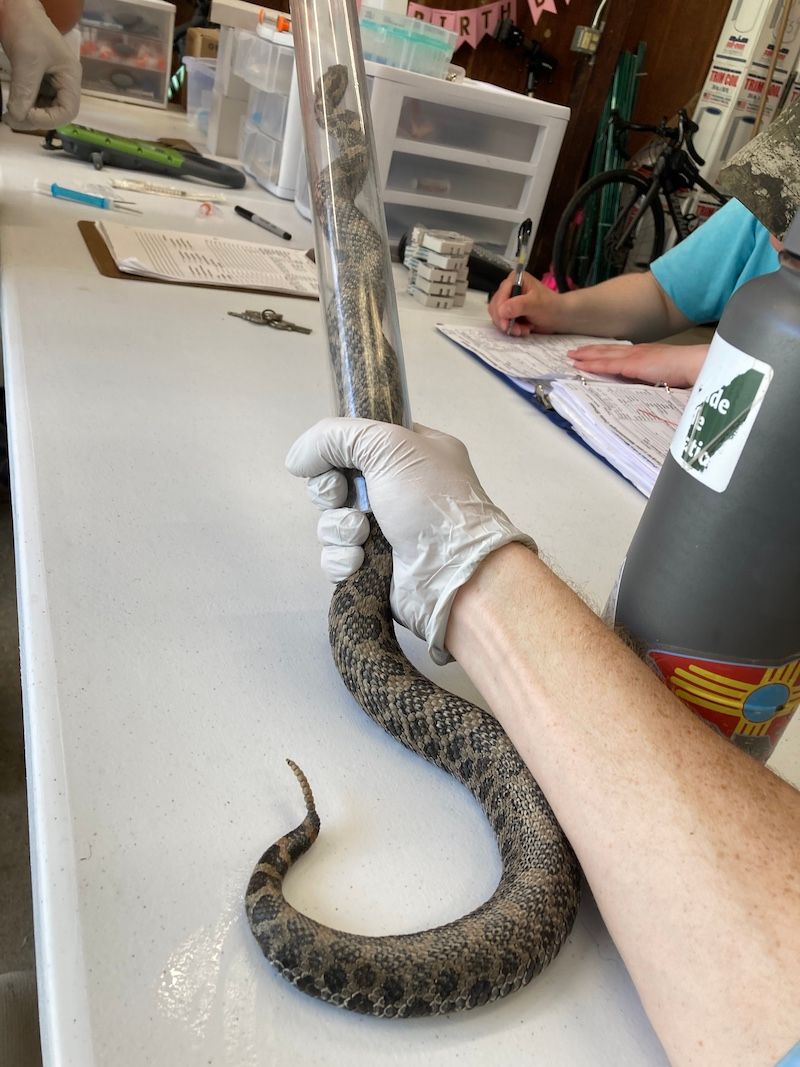
Eastern Massasauga Rattlesnake
© Outdoor Illinois Journal – Wildlife Illinois

Spotting a massasauga is a bit like finding a rare coin. This small, gray, blotchy rattlesnake is federally threatened and lives in only a few wet prairies and marshy areas of Illinois.

In late fall, massasaugas head for crayfish burrows to hibernate below the frost line. As grasses flatten and turn brown, the snakes lose much of their hiding cover near those burrows.

Fun fact: the name comes from an Ojibwe word meaning great river mouth. If you live near wetlands and spot one, admire it from a distance and report the sighting, since biologists track every population.

6. Eastern Yellowjacket
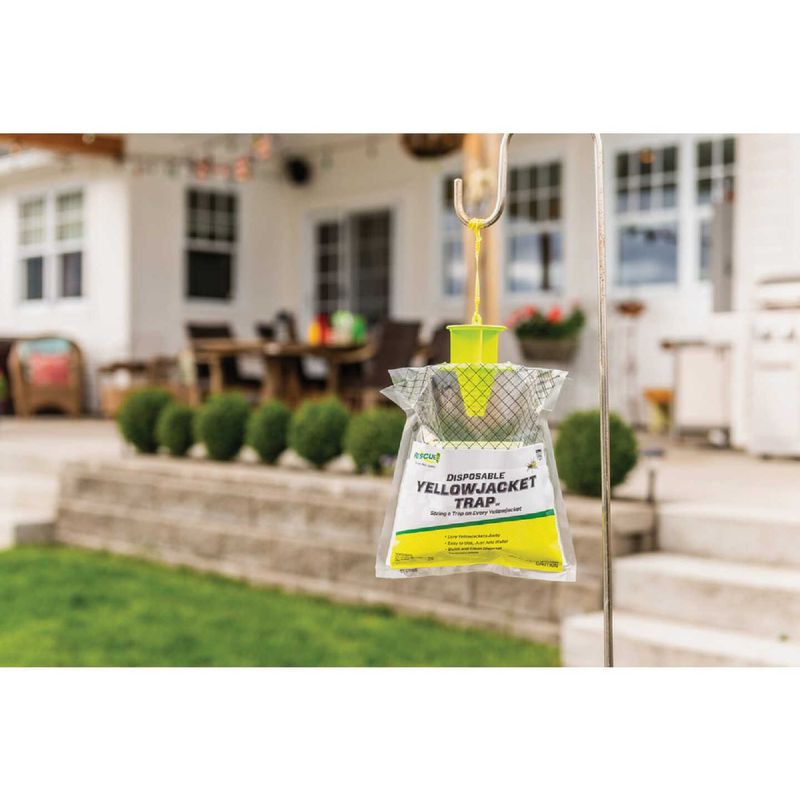
Eastern Yellowjacket
© Kellogg Supply

Ever notice how yellowjackets get downright rude in September and October? You are not imagining it.

Their colonies hit peak size right before winter, and food is getting scarce.

Workers that once hunted caterpillars now crave sugar, so they crash cookouts, dive into soda cans, and swarm fallen apples. Underground nests, hidden all summer, become obvious as foot traffic buzzes in and out of holes in the lawn.

Unlike honeybees, yellowjackets can sting more than once. Cover drinks, pick up dropped fruit, and mow carefully around suspicious holes.

A hard frost will eventually kill off all but the new queens.

7. Bald-Faced Hornet
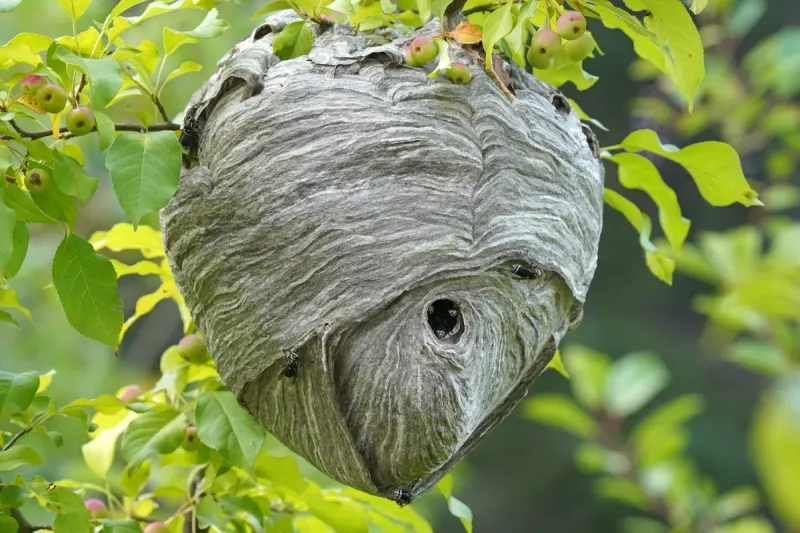
Bald-Faced Hornet
© BuzzSkito

Leaves fall, and there it is: a gray paper nest the size of a football, hanging from the maple you walked under all summer. Bald-faced hornets built it right over your head, and you never knew.

Black and white instead of yellow, these hornets are actually a type of yellowjacket. They defend their nests with real enthusiasm, and they can squirt venom toward a threat.

Good news, though. Once several hard freezes hit, the colony dies and the nest is empty for good.

Leave it alone until then, and afterward you can take it down as a pretty amazing natural sculpture.

8. Saddleback Caterpillar
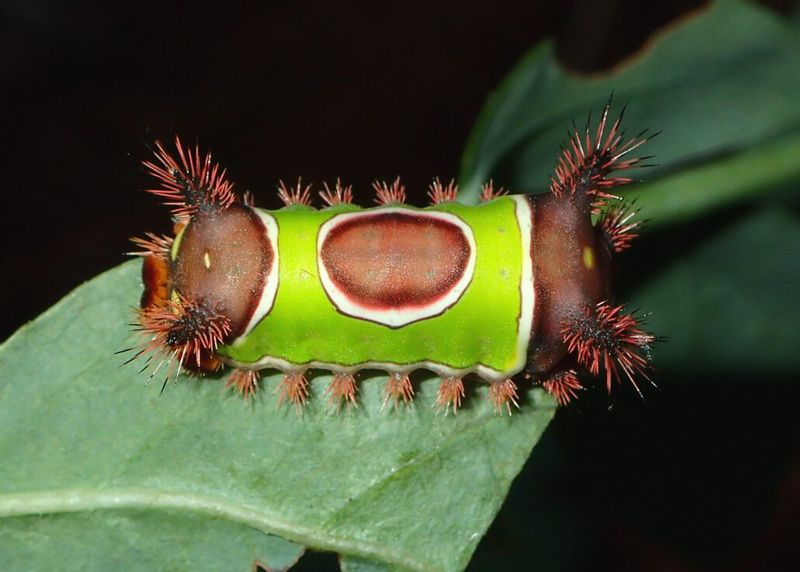
Saddleback Caterpillar
© Riveredge Nature Center

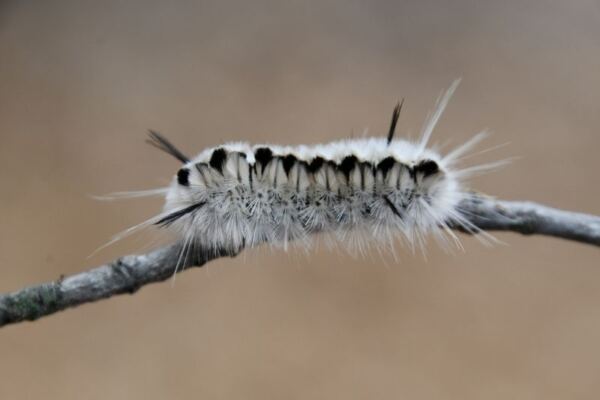
Not every venomous critter has fangs or a stinger. The saddleback caterpillar wears a lime-green saddle with a brown spot, plus spiny horns loaded with venom.

Brushing one feels like a bee sting and can leave a burning welt for hours. They munch on many plants, including corn, roses, and shade trees, and late-season gardeners often meet them while cleaning up.

Wear gloves when pulling dead plants. If you get stung, press tape on the skin to lift out broken spines, then wash with soap.

Kids love bright colors, so teach them this one is a look but never touch bug.

Share this story
WN

Written by

Walter Novak

More from Walter Novak →

About Gardening Latest

Gardening Latest provides in-depth guides to maintaining and enhancing your garden and backyard. Learn how to make the most of the space you have and create a beautiful garden.

More about us →

Latest stories

  • Missouri GardeningIf Your Missouri Woodpile Sits Against the House, You’re Inviting Brown Recluses Indoors This Winter

    If Your Missouri Woodpile Sits Against the House, You’re Inviting Brown Recluses Indoors This Winter

    4 min ago
  • Tennessee GardeningBefore You Dig In, Here’s How To Recognize Every Venomous Creature Sharing Your Tennessee Yard

    Before You Dig In, Here’s How To Recognize Every Venomous Creature Sharing Your Tennessee Yard

    10 min ago
  • Alabama GardeningThat Burning Saddleback Caterpillar Sting in Your Alabama Garden Calls for These Steps Right Away

    That Burning Saddleback Caterpillar Sting in Your Alabama Garden Calls for These Steps Right Away

    16 min ago
  • Minnesota GardeningBefore You Pick Up That Big Black Caterpillar With White Spots In Minnesota, Read This

    Before You Pick Up That Big Black Caterpillar With White Spots In Minnesota, Read This

    22 min ago
  • Illinois GardeningDeer Are Rubbing Their Antlers on Your Illinois Saplings Right Now, and Here’s How to Save Them

    Deer Are Rubbing Their Antlers on Your Illinois Saplings Right Now, and Here’s How to Save Them

    28 min ago

Gardening by state

Stories for your state, and the hardiness zone most of it gardens in.

Keep exploring

Read next

All Illinois Gardening →
Illinois GardeningDeer Are Rubbing Their Antlers on Your Illinois Saplings Right Now, and Here’s How to Save Them
Illinois Gardening

Deer Are Rubbing Their Antlers on Your Illinois Saplings Right Now, and Here’s How to Save Them

28 min ago
Illinois GardeningWhere a Neighbor’s Tree Crosses Into Your Illinois Yard, You Decide What Gets Trimmed, Up to the Property Line
Illinois Gardening

Where a Neighbor’s Tree Crosses Into Your Illinois Yard, You Decide What Gets Trimmed, Up to the Property Line

3 hr ago
Illinois GardeningWhy You Shouldn’t Touch That Big Black Caterpillar With White Spots In Illinois
Illinois Gardening

Why You Shouldn’t Touch That Big Black Caterpillar With White Spots In Illinois

6 hr ago

More from Illinois Gardening

  • If You Find A Yellow Jacket Nest Near Your Illinois Home, Here’s What To Do Right Away

    Nov 27
  • Illinois Yards Are Full of Harmless Critters That Look Venomous, and These 7 Make People Panic

    Nov 26
Back to top

Leave a response Cancel

Your email address stays private. Required fields are marked with an asterisk.

Gardening Latest

In-depth guides to maintaining and enhancing your garden and backyard: how to make the most of the space you have, and how to make it beautiful.

  • Facebook
  • X
  • Pinterest
  • YouTube

We may earn a portion of sales from products or services that are purchased through our site as part of our affiliate partnerships with retailers.

Explore

  • About GardeningLatest.com
  • Contact Us
  • Terms and Conditions
  • Privacy
  • Editorial Note:
  • FTC Disclosure

Newsletter

New garden guides and seasonal tips, straight to your inbox.

We’ll email you a link to confirm. Unsubscribe any time.

Almost there! Check your inbox and tap the link to confirm.

© 2026 Gardening Latest. All rights reserved.

Back to top