Get the latest garden guides in your inbox →
Gardening Latest
  • General Gardening
  • Lawn Care
  • Plant Care
  • Composting
  • Soil Health
  • Backyard
  • Garden Muse Magazine
  • General Gardening
  • Lawn Care
  • Plant Care
  • Composting
  • Soil Health
  • Backyard
  • Garden Muse Magazine
  • News
  • Gardening Calendar
  • Garden Structures
  • Vegetable Garden
  • Vertical Garden
  • Raised Beds
  • Hydroponics
  • General Equipment
  • Community Gardens
Garden Themes
  • Spiritual Garden
  • Hydroseeding
  • Seeding and Laying Sod
  • Artificial Grass
  • Lawn Care Equipment
  • Plants
  • Trees
  • Planting Tools
  • Composting Basics
  • Fertilizer
  • Alternative Growing Mediums
  • Front Yard
  • Backyard Activities
  • Landscaping
Gardening Latest

Explore by state

Which state is your garden in?

Currently viewing Delaware

All states

Northeast

  • Connecticut —
  • Delaware 19
  • Maine —
  • Maryland 5
  • Massachusetts 21
  • New Hampshire —
  • New Jersey 5
  • New York 14
  • Pennsylvania 14
  • Rhode Island —
  • Vermont —

Southeast

  • Alabama 5
  • Arkansas —
  • Florida 5
  • Georgia 5
  • Kentucky 19
  • Louisiana 4
  • Mississippi —
  • North Carolina 3
  • South Carolina 18
  • Tennessee 2
  • Virginia 4
  • West Virginia —

Midwest

  • Illinois 4
  • Indiana 6
  • Iowa 18
  • Kansas —
  • Michigan 5
  • Minnesota 4
  • Missouri 3
  • Nebraska —
  • North Dakota —
  • Ohio 5
  • South Dakota —
  • Wisconsin 19

Southwest

  • Arizona 4
  • Colorado —
  • Nevada —
  • New Mexico —
  • Oklahoma —
  • Texas 3
  • Utah —

West

  • Alaska —
  • California 4
  • Hawaii —
  • Idaho —
  • Montana —
  • Oregon —
  • Washington —
  • Wyoming —

No state matches that search.

Site menu

Gardening Latest
  • General Gardening
    • News
    • Gardening Calendar
    • Garden Structures
    • Vegetable Garden
    • Vertical Garden
    • Raised Beds
    • Hydroponics
    • General Equipment
    • Community Gardens
    Garden Themes
    • Spiritual Garden
  • Lawn Care
    • Hydroseeding
    • Seeding and Laying Sod
    • Artificial Grass
    • Lawn Care Equipment
  • Plant Care
    • Plants
    • Trees
    • Planting Tools
  • Composting
    • Composting Basics
  • Soil Health
    • Fertilizer
    • Alternative Growing Mediums
  • Backyard
    • Front Yard
    • Backyard Activities
    • Landscaping
  • Garden Muse Magazine

Explore

  • About GardeningLatest.com
  • Contact Us

Get the latest from the garden

New guides on lawn care, plants and backyard projects, sent when they go up.

Subscribe →

Follow

  • Facebook
  • X
  • Pinterest
  • YouTube
Delaware Gardening

Here’s How To Tell Apart The Venomous Creatures Hiding In Delaware Yards

Delaware may be a small state, but its backyards hold a few creatures that can deliver a painful bite or sting.

OP

By Owen Pruitt

November 22, 2026 · 5 min read

Here’s How To Tell Apart The Venomous Creatures Hiding In Delaware Yards
Here's How To Tell Apart The Venomous Creatures Hiding In Delaware Yards

Delaware may be a small state, but its backyards hold a few creatures that can deliver a painful bite or sting. Most of them want nothing to do with you, yet knowing who is who can keep your family and pets safe.

Some harmless critters look a lot like the dangerous ones, which makes a quick lesson in spotting the differences very useful. Here are seven venomous neighbors you might meet, plus the clues that help you tell them apart.

At a glance

Where
Delaware Gardening
Hardiness zone
7 0 to 10°F
Read
5 minutes
Published
November 22, 2026

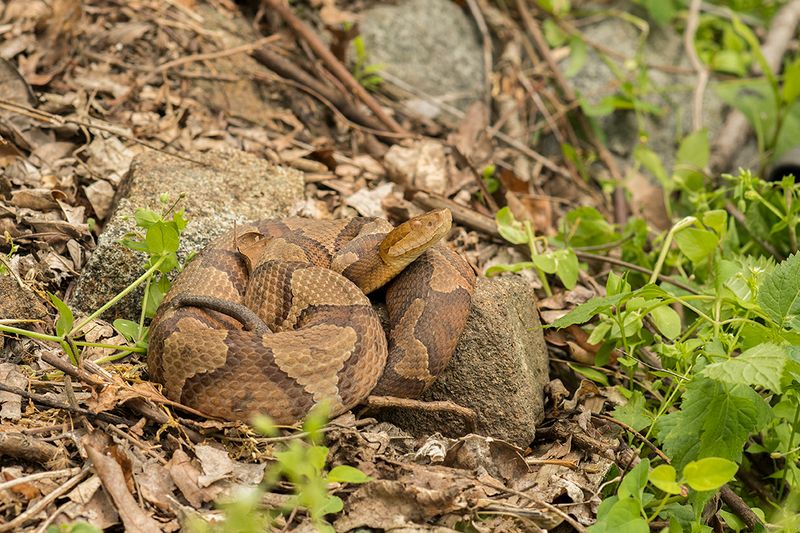
1. Northern Copperhead

Northern Copperhead
© Rutgers Cooperative Extension

Picture a pile of fallen autumn leaves, and you have basically pictured the copperhead’s favorite outfit. Delaware’s only common venomous snake blends in so well that people often step right next to one without noticing.

It lives mostly in the northern Piedmont area, though sightings happen elsewhere too.

The best clue is the pattern. Look for dark, hourglass-shaped bands that are wide on the sides and skinny along the back, like a row of Hershey’s Kisses seen from above.

The head is a plain coppery color, chunky, and shaped like a triangle, and the pupils are slit like a cat’s.

Harmless northern water snakes and young rat snakes get mistaken for copperheads all the time. Water snakes have bands that are wider on top, the opposite of the copperhead.

Baby copperheads also have a bright yellow tail tip, which they wiggle to lure frogs.

Bites are rarely deadly but hurt a lot and need a hospital visit. Wear gloves when moving woodpiles, and give any snake you are unsure about plenty of room.

2. Black Widow Spider
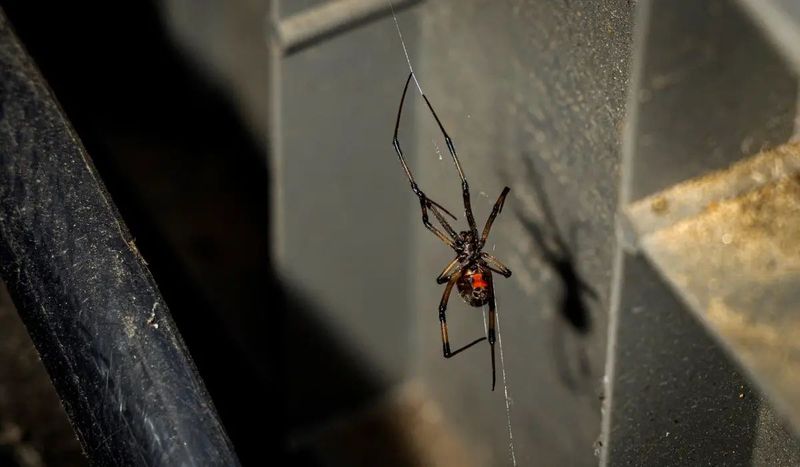
Black Widow Spider
© Rigo Pest Prevention

Shiny, round, and dressed in glossy black, the female black widow looks almost like a polished bead. Flip her over and you will see the famous red hourglass on her belly.

That mark is your number one identification clue.

Black widows build tangled, messy webs instead of neat circles. Check under deck boards, inside meter boxes, in stacked flower pots, and around outdoor toys that sit untouched for weeks.

Brown recluses are rare in Delaware, and most local reports turn out to be something else.

The spider usually hangs upside down, so the hourglass faces outward.

Males are smaller, lighter colored, and basically harmless. Lookalikes such as false widows are brown or purplish with no clear hourglass.

A bite can cause muscle cramps, sweating, and stomach pain, so call a doctor if one happens. Shaking out gloves and shoes stored in garages is a simple habit that saves a lot of trouble.

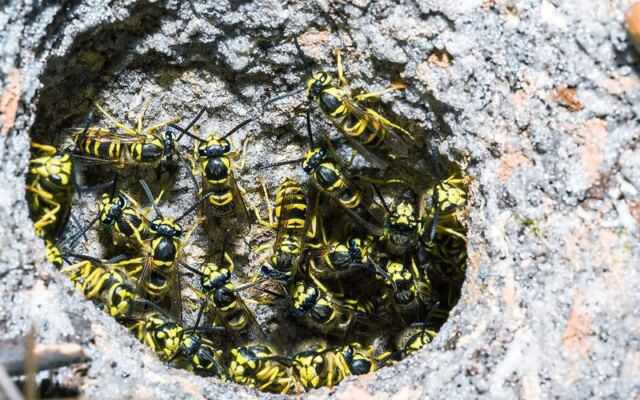
3. Eastern Yellowjacket
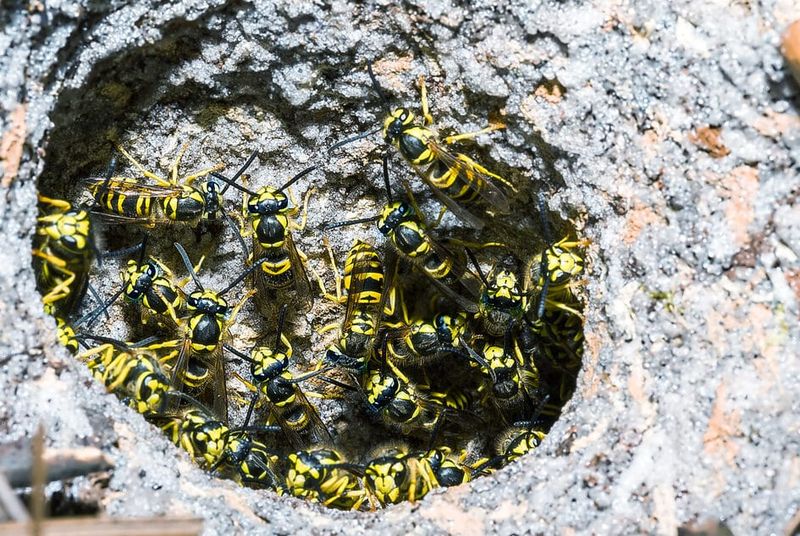
Eastern Yellowjacket
© Bird Watching HQ

Ever had a picnic crashed by a buzzing guest that would not leave your soda alone? Odds are good it was a yellowjacket.

These wasps get bold in late summer, when their colonies grow huge and food runs low.

Yellowjackets are sleek, with bright yellow and black stripes and almost no fuzz. Honeybees, by contrast, are fuzzy, golden brown, and calmer.

Many yellowjacket nests are hidden underground, so a steady stream of wasps flying into a hole in the grass is a big warning sign.

Unlike bees, a yellowjacket can sting again and again. Mowing over a nest can set off a swarm, so mark any holes you find.

Anyone with allergies should carry their prescribed medicine outdoors.

4. Bald-Faced Hornet
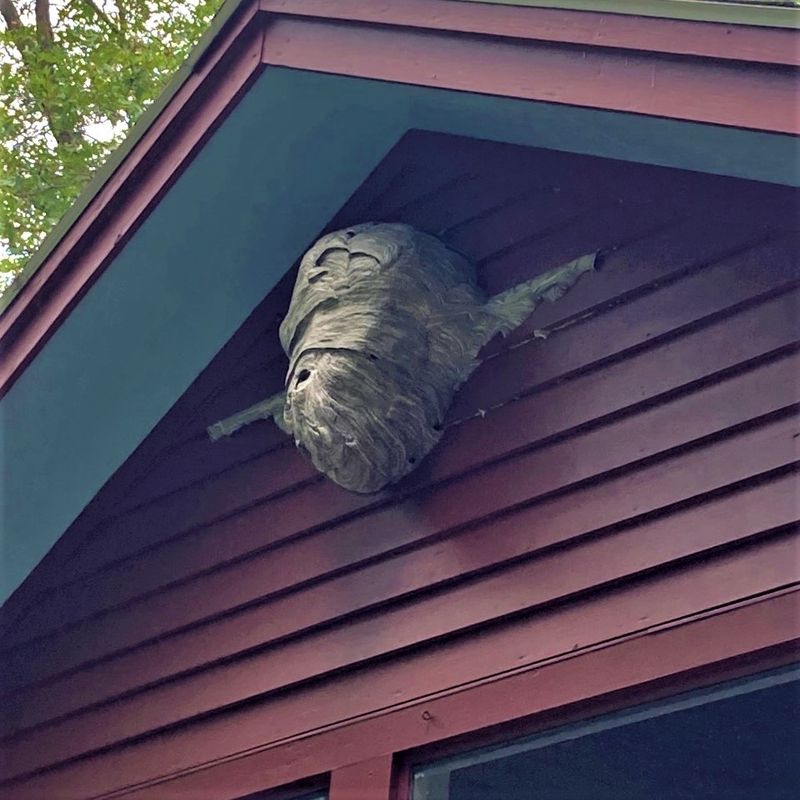
Bald-Faced Hornet
© NHPR

Here is a fun twist: the bald-faced hornet is not actually a true hornet. It is a large yellowjacket relative with a black body and creamy white markings on its face, which gave it the bald nickname.

Its nest is the real giveaway. Look for a gray, football-shaped paper ball hanging from tree branches, shrubs, or the edge of a roof.

Some grow as big as a basketball by fall.

These insects guard their homes fiercely and may chase intruders. Trimming hedges near a hidden nest is a classic way to get stung.

If you spot one, leave it alone or hire a pro, since the colony dies off naturally after the first hard frost.

5. Brown Recluse Spider
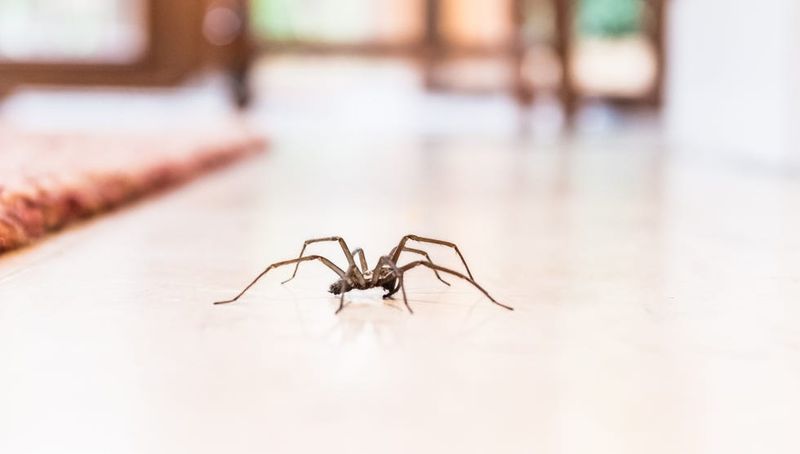
Brown Recluse Spider
© Prevention

Brown recluses are rare in Delaware, and most local reports turn out to be something else. Still, a few hitch rides in moving boxes from southern states, so knowing the signs makes sense.

Look for a plain tan spider with a darker violin shape on its back, pointing toward the rear. The legs have no stripes or bands.

Most spiders have eight eyes, but the recluse has six, arranged in three pairs, though you will need a magnifying glass to check.

Common grass spiders and wolf spiders often get blamed instead. Those usually have stripes or patterns that a true recluse lacks.

If you think you found one, catch it in a jar and let an expert confirm it.

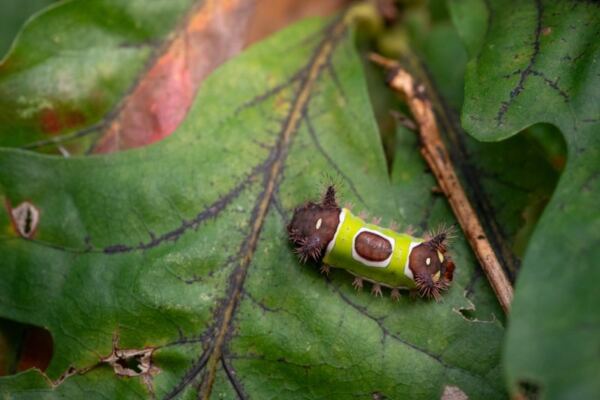
6. Saddleback Caterpillar
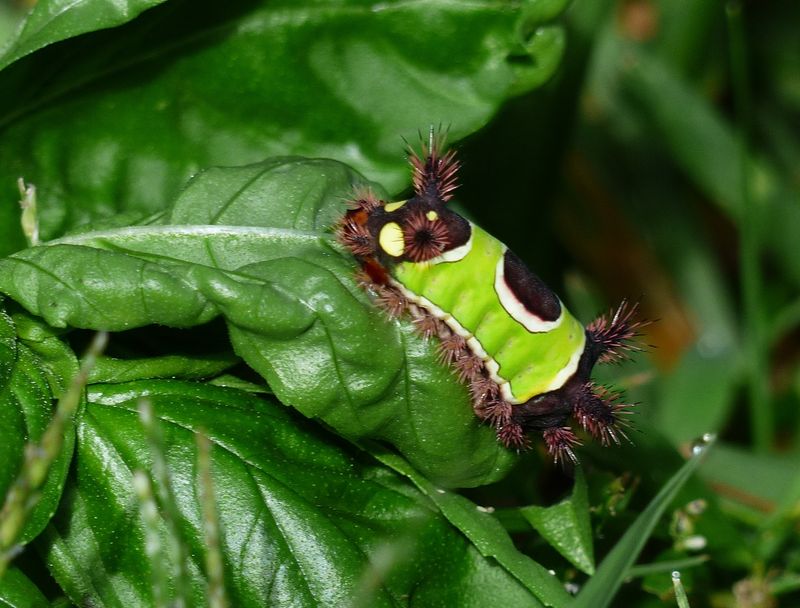
Saddleback Caterpillar
© Reading Eagle

Nature clearly had a sense of humor when it designed this one. The saddleback caterpillar looks like a tiny horse blanket, complete with a bright green saddle and a brown spot in the middle like a seat.

Do not let the cute look fool you. Spiny horns on both ends are loaded with venom, and brushing against them causes burning pain, swelling, and itchy welts.

Kids picking leaves or berries in late summer are the usual victims.

You will find saddlebacks on oak, maple, corn, and garden shrubs. If stung, press tape on the area and pull it off to remove spines, then wash with soap and water.

7. Puss Caterpillar
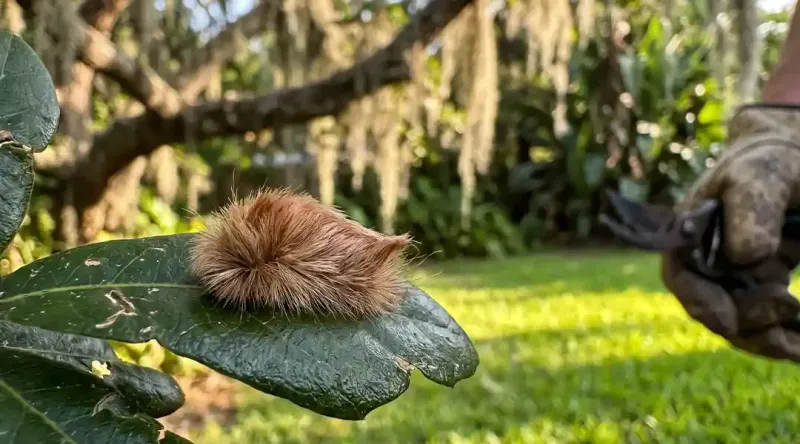
Puss Caterpillar
© Trad’s Pest Control

It looks like a fluffy toupee for a hamster, and that is exactly why people want to pet it. Please resist.

Under all that soft fur, the puss caterpillar hides venomous spines that rank among the most painful stings of any caterpillar in North America.

These furry critters are tan, gray, or orange and shaped like a teardrop. They show up on oaks, elms, and shrubs, mostly in late summer and fall, and are more common in southern Delaware.

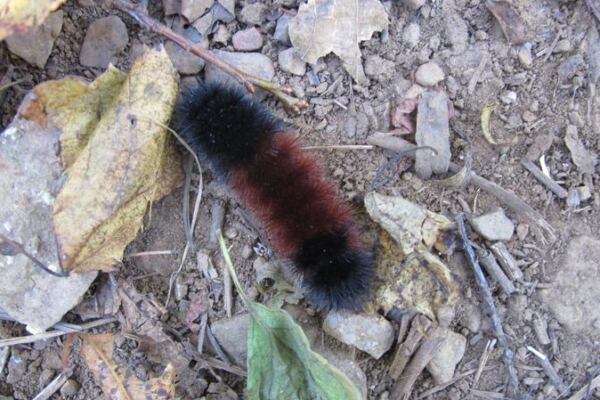
Fuzzy woolly bear caterpillars, with their black and rusty bands, are safe to hold, so color is a key clue. A puss sting can throb for hours and sometimes cause nausea, so seek medical help if symptoms get strong.

Teach kids a simple rule: fluffy and pale means hands off.

Share this story
OP

Written by

Owen Pruitt

More from Owen Pruitt →

About Gardening Latest

Gardening Latest provides in-depth guides to maintaining and enhancing your garden and backyard. Learn how to make the most of the space you have and create a beautiful garden.

More about us →

Latest stories

  • Tennessee GardeningTennessee Gardeners Share Their Yards With a Venomous Mammal That Weighs Under an Ounce

    Tennessee Gardeners Share Their Yards With a Venomous Mammal That Weighs Under an Ounce

    2 min ago
  • Alabama GardeningWild Mushrooms Popping Up After Alabama Rains, And How To Tell The Deadly Ones Apart

    Wild Mushrooms Popping Up After Alabama Rains, And How To Tell The Deadly Ones Apart

    8 min ago
  • Minnesota GardeningWhat Those Tracks Crisscrossing Your Snowy Minnesota Yard Are Telling You About Nighttime Visitors

    What Those Tracks Crisscrossing Your Snowy Minnesota Yard Are Telling You About Nighttime Visitors

    14 min ago
  • Illinois GardeningThose Dark Purple Berries Hanging on Pink Stems Along Illinois Fence Lines Are Poison for Your Dog

    Those Dark Purple Berries Hanging on Pink Stems Along Illinois Fence Lines Are Poison for Your Dog

    20 min ago
  • Louisiana GardeningSomething Digs Through Louisiana Lawns Every Night, And By Morning You See The Damage

    Something Digs Through Louisiana Lawns Every Night, And By Morning You See The Damage

    26 min ago

Gardening by state

Stories for your state, and the hardiness zone most of it gardens in.

Keep exploring

Read next

All Delaware Gardening →
Delaware GardeningStung by a Saddleback Caterpillar While Weeding in Delaware? Do These Things Right Away
Delaware Gardening

Stung by a Saddleback Caterpillar While Weeding in Delaware? Do These Things Right Away

32 min ago
Delaware GardeningFound a Woolly Bear Caterpillar Curled Up in Your Delaware Leaf Litter? Leave a Sheltered One Undisturbed
Delaware Gardening

Found a Woolly Bear Caterpillar Curled Up in Your Delaware Leaf Litter? Leave a Sheltered One Undisturbed

20 hr ago
Delaware GardeningCan Your Delaware Neighbor’s Tree Branches Legally Hang Over Your Yard? Here’s What the Law Actually Says
Delaware Gardening

Can Your Delaware Neighbor’s Tree Branches Legally Hang Over Your Yard? Here’s What the Law Actually Says

Yesterday

More from Delaware Gardening

  • Daily Walnuts and Your Health: Modest Cholesterol Findings, No Proven Brain Boost

    Nov 19
  • How Delaware Gardeners Can Winterize a Rain Barrel Before Freezing Weather

    Nov 19
Back to top

Leave a response Cancel

Your email address stays private. Required fields are marked with an asterisk.

Gardening Latest

In-depth guides to maintaining and enhancing your garden and backyard: how to make the most of the space you have, and how to make it beautiful.

  • Facebook
  • X
  • Pinterest
  • YouTube

We may earn a portion of sales from products or services that are purchased through our site as part of our affiliate partnerships with retailers.

Explore

  • About GardeningLatest.com
  • Contact Us
  • Terms and Conditions
  • Privacy
  • Editorial Note:
  • FTC Disclosure

Newsletter

New garden guides and seasonal tips, straight to your inbox.

We’ll email you a link to confirm. Unsubscribe any time.

Almost there! Check your inbox and tap the link to confirm.

© 2026 Gardening Latest. All rights reserved.

Back to top