Get the latest garden guides in your inbox →
Gardening Latest
  • General Gardening
  • Lawn Care
  • Plant Care
  • Composting
  • Soil Health
  • Backyard
  • Garden Muse Magazine
  • General Gardening
  • Lawn Care
  • Plant Care
  • Composting
  • Soil Health
  • Backyard
  • Garden Muse Magazine
  • News
  • Gardening Calendar
  • Garden Structures
  • Vegetable Garden
  • Vertical Garden
  • Raised Beds
  • Hydroponics
  • General Equipment
  • Community Gardens
Garden Themes
  • Spiritual Garden
  • Hydroseeding
  • Seeding and Laying Sod
  • Artificial Grass
  • Lawn Care Equipment
  • Plants
  • Trees
  • Planting Tools
  • Composting Basics
  • Fertilizer
  • Alternative Growing Mediums
  • Front Yard
  • Backyard Activities
  • Landscaping
Gardening Latest

Explore by state

Which state is your garden in?

Currently viewing Texas

All states

Northeast

  • Connecticut —
  • Delaware 19
  • Maine —
  • Maryland 5
  • Massachusetts 21
  • New Hampshire —
  • New Jersey 5
  • New York 14
  • Pennsylvania 14
  • Rhode Island —
  • Vermont —

Southeast

  • Alabama 5
  • Arkansas —
  • Florida 5
  • Georgia 5
  • Kentucky 19
  • Louisiana 4
  • Mississippi —
  • North Carolina 3
  • South Carolina 18
  • Tennessee 2
  • Virginia 4
  • West Virginia —

Midwest

  • Illinois 4
  • Indiana 6
  • Iowa 18
  • Kansas —
  • Michigan 5
  • Minnesota 4
  • Missouri 3
  • Nebraska —
  • North Dakota —
  • Ohio 5
  • South Dakota —
  • Wisconsin 19

Southwest

  • Arizona 4
  • Colorado —
  • Nevada —
  • New Mexico —
  • Oklahoma —
  • Texas 3
  • Utah —

West

  • Alaska —
  • California 4
  • Hawaii —
  • Idaho —
  • Montana —
  • Oregon —
  • Washington —
  • Wyoming —

No state matches that search.

Site menu

Gardening Latest
  • General Gardening
    • News
    • Gardening Calendar
    • Garden Structures
    • Vegetable Garden
    • Vertical Garden
    • Raised Beds
    • Hydroponics
    • General Equipment
    • Community Gardens
    Garden Themes
    • Spiritual Garden
  • Lawn Care
    • Hydroseeding
    • Seeding and Laying Sod
    • Artificial Grass
    • Lawn Care Equipment
  • Plant Care
    • Plants
    • Trees
    • Planting Tools
  • Composting
    • Composting Basics
  • Soil Health
    • Fertilizer
    • Alternative Growing Mediums
  • Backyard
    • Front Yard
    • Backyard Activities
    • Landscaping
  • Garden Muse Magazine

Explore

  • About GardeningLatest.com
  • Contact Us

Get the latest from the garden

New guides on lawn care, plants and backyard projects, sent when they go up.

Subscribe →

Follow

  • Facebook
  • X
  • Pinterest
  • YouTube
Texas Gardening

8 Venomous Critters Texans Keep Finding Indoors Once the Weather Turns Cold

When the first cold front blows across Texas, people grab their jackets and critters grab the nearest warm spot, which…

RC

By Ruby Castillo

November 22, 2026 · 5 min read

8 Venomous Critters Texans Keep Finding Indoors Once the Weather Turns Cold

When the first cold front blows across Texas, people grab their jackets and critters grab the nearest warm spot, which is often your house. Spiders, scorpions, and even snakes slip through tiny cracks looking for heat, food, and shelter.

Knowing who might be hiding in your closet or garage can keep your family and pets safe. Here are eight venomous visitors Texans keep bumping into indoors when the temperature drops.

At a glance

Where
Texas Gardening
Hardiness zone
8 10 to 20°F
Read
5 minutes
Published
November 22, 2026

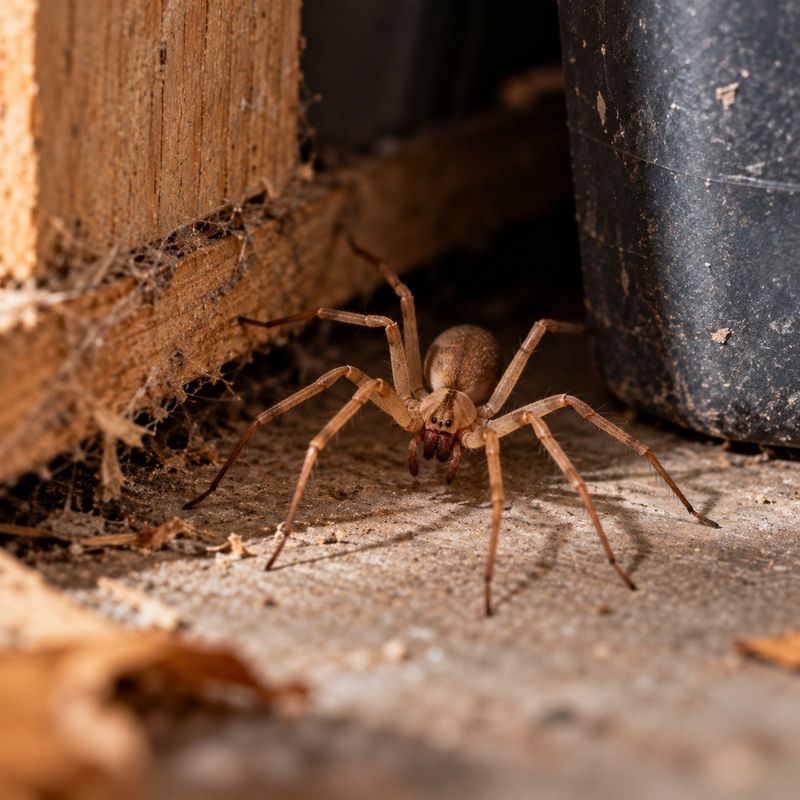
1. Brown Recluse Spider

Brown Recluse Spider
© ecoprotx

Ask any Texas exterminator about winter calls, and the brown recluse usually comes up first. Shy and secretive, this spider loves undisturbed places like stacked boxes, closets, and the inside of shoes that have not been worn in a while.

Look for a violin-shaped mark on its back and six eyes arranged in pairs instead of the usual eight. Bites are often painless at first, but in some cases the venom can damage skin and leave a slow-healing wound.

Shake out clothes and boots before putting them on, especially items pulled from storage for the cold season. Sticky traps placed along baseboards can also show you whether recluses have moved in.

2. Striped Bark Scorpion
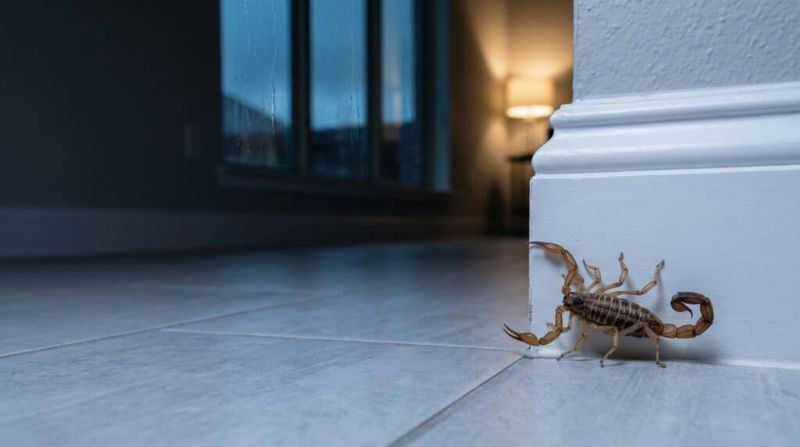
Striped Bark Scorpion
© Summit Pest Defense

Picture this: you flip on the bathroom light at 2 a.m. and something tan with a curled tail scurries across the tile. That is the striped bark scorpion, the most common scorpion in Texas and a frequent winter houseguest.

These scorpions can climb walls and squeeze through gaps as thin as a credit card. Their sting feels like a hot needle, with burning and numbness that can last for hours.

Fun fact: scorpions glow under a black light! A cheap UV flashlight makes nighttime scorpion hunting much easier, and sealing gaps around doors and pipes helps keep them out.

3. Southern Black Widow
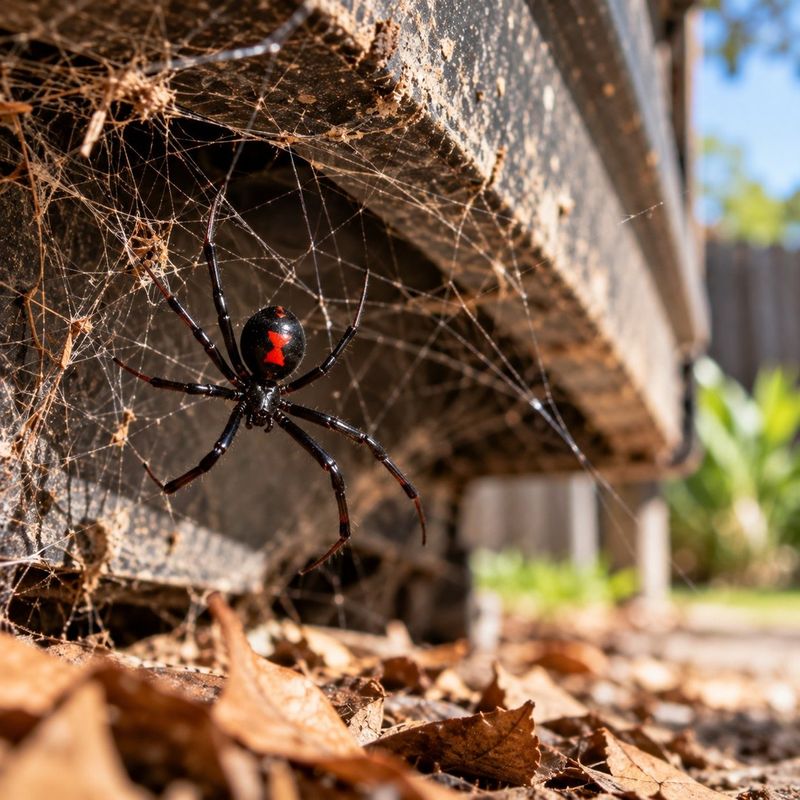
Southern Black Widow
© ecoprotx

Glossy, round, and marked with a bright red hourglass, the southern black widow is the celebrity of dangerous spiders. Few critters are so easy to recognize, yet so easy to miss in a dark corner.

Widows build tangled, messy webs low to the ground. In cold weather they show up in garages, sheds, and around firewood that families carry inside for the fireplace.

As nights get chilly, these snakes look for warm places before settling in for winter.

Their venom affects the nervous system and can cause muscle cramps, sweating, and stomach pain. Wear gloves when hauling wood, and leave logs outside until you are ready to burn them.

4. Texas Redheaded Centipede
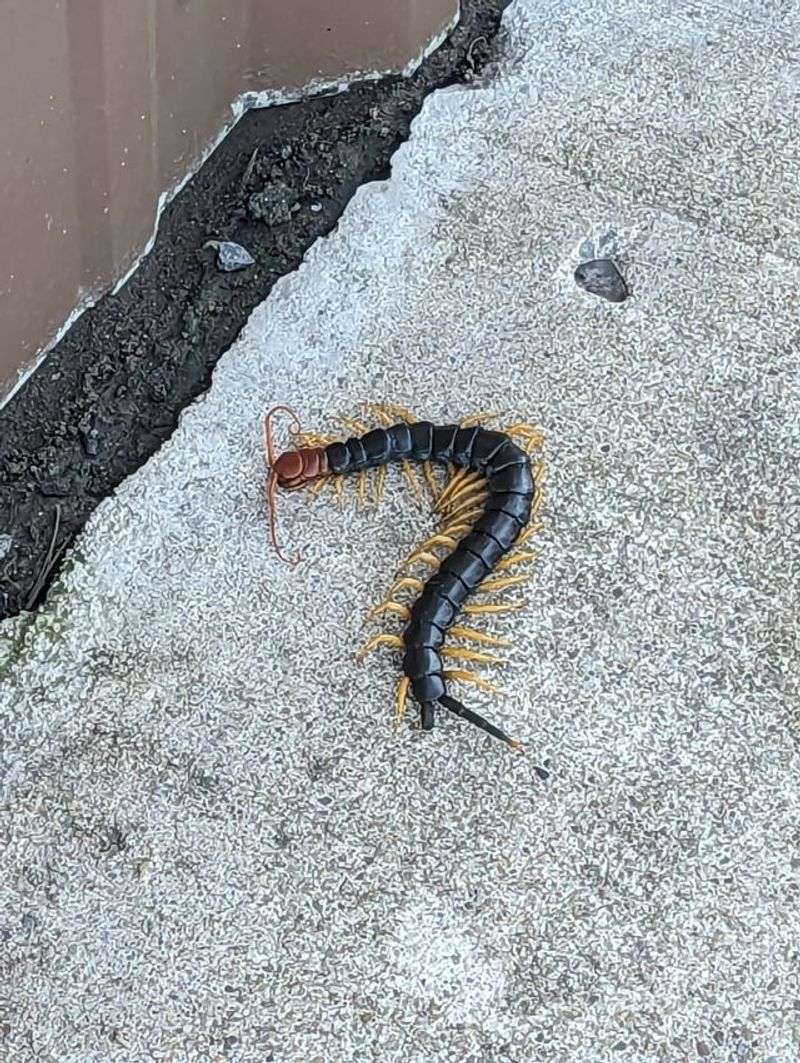
Texas Redheaded Centipede
© Reddit

Nothing wakes you up faster than an eight-inch centipede with a red head and yellow legs racing past your feet. The Texas redheaded centipede is one of the biggest in North America, and it is just as fast as it looks.

Technically, those front claws are modified legs that inject venom. A bite causes intense, throbbing pain and swelling, though it is rarely dangerous for healthy adults.

Centipedes wander inside chasing insects and damp spots, so laundry rooms and bathrooms are favorite hangouts. Cutting down on moisture and other bugs makes your home far less inviting.

5. Southern Copperhead
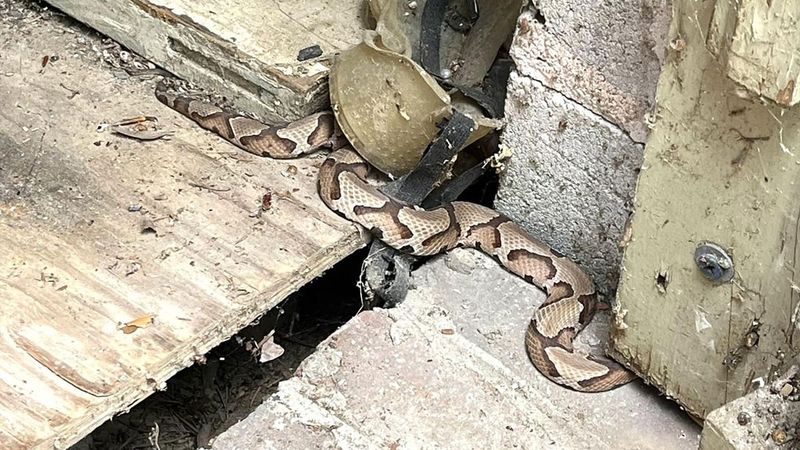
Southern Copperhead
© Fox News

Copperheads are masters of disguise. Their tan and copper hourglass bands blend perfectly into dead leaves, which is exactly why people step close to them without noticing.

As nights get chilly, these snakes look for warm places before settling in for winter. Garages, crawl spaces, and the gap under a door left cracked open can all become a temporary hideout.

Bites are painful but rarely deadly, though anyone bitten should get to a hospital right away. Keep garage doors closed, clear leaf piles from your foundation, and always use a flashlight when stepping into dark storage areas.

6. Southern Flannel Moth Caterpillar (Asp)
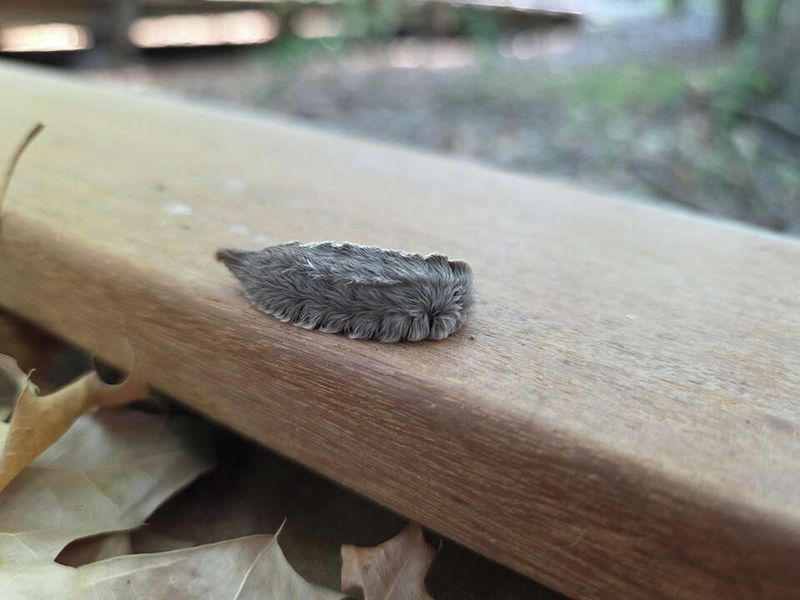
Southern Flannel Moth Caterpillar (Asp)
© Chron

Cute? Absolutely.

Harmless? Not even close.

The asp, also called the puss caterpillar, looks like a tiny fluffy toupee, but hidden in its fur are venomous spines.

Touching one can cause burning pain that shoots up your arm, plus headaches and nausea. Many Texans call it the most painful sting they have ever felt.

Asps peak in fall and often ride indoors on potted plants or crawl onto porch rails and door frames. Teach kids never to pet fuzzy caterpillars, no matter how soft they look.

7. Western Diamondback Rattlesnake
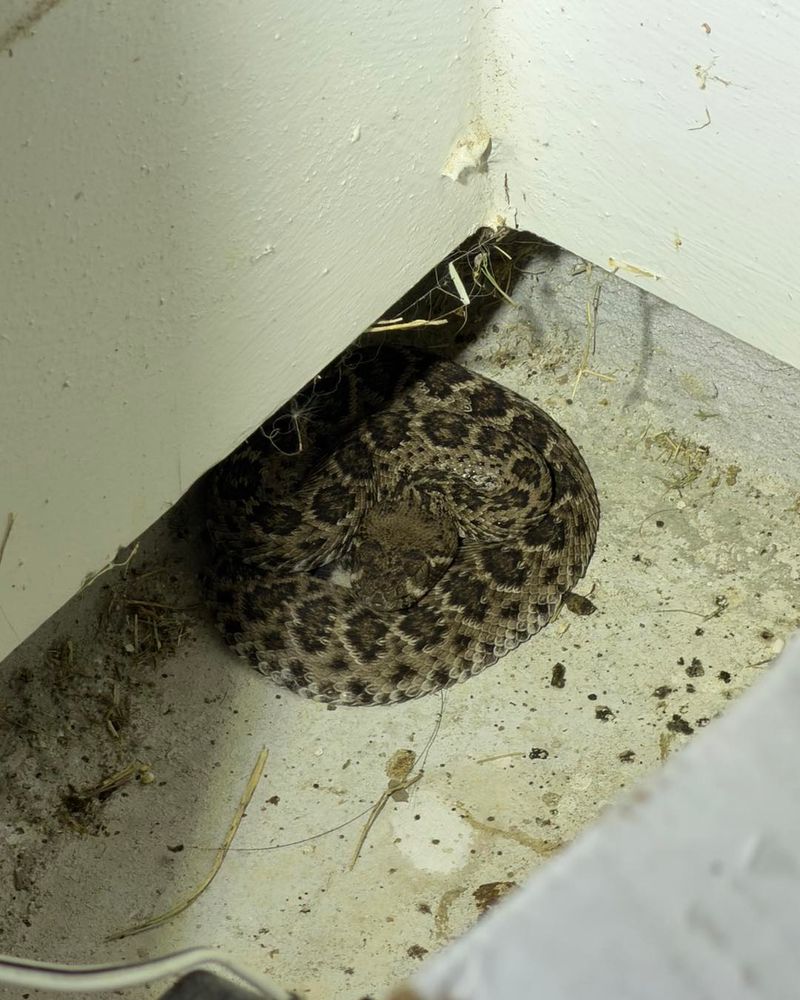
Western Diamondback Rattlesnake
© snakeremovalatx

Rural Texans know the sound well: a dry buzzing that makes everyone freeze. Western diamondbacks are the most common rattlesnake in the state and are responsible for most serious snakebites here.

Indoor encounters are less common than with smaller critters, yet they happen every fall. Barns, sheds, under porches, and even homes near brush or rocky land can attract a snake hunting rodents that also moved in for winter.

Control mice and rats, and the snakes lose their reason to visit. If you do meet one, back away slowly and call a wildlife removal expert instead of trying to handle it yourself.

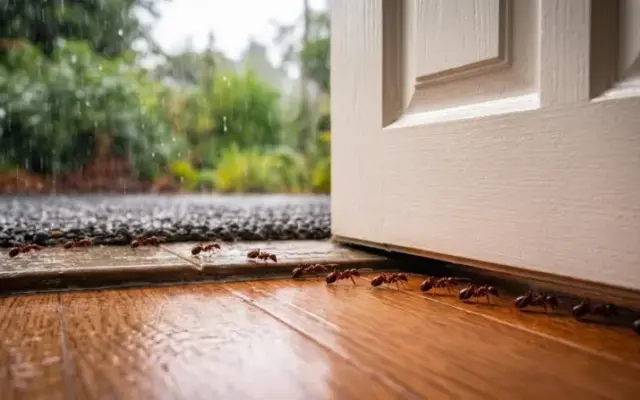
8. Red Imported Fire Ants
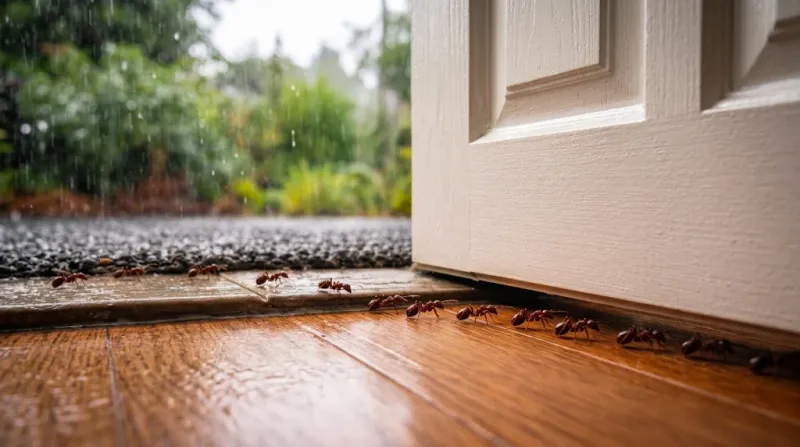
Red Imported Fire Ants
© LatiNation Media

Tiny but mighty, fire ants pack a sting that burns like a match and leaves itchy white pustules behind. Every Texan has probably learned this lesson the hard way at least once.

Most folks think of fire ants as a backyard problem. But when cold snaps or heavy rains hit, colonies sometimes move indoors through wall gaps, electrical outlets, and cracks in slabs.

A single ant is a nuisance, but a whole colony can sting hundreds of times, which is dangerous for babies, pets, and anyone allergic. Wipe up crumbs, seal entry points, and treat outdoor mounds before they become indoor ones.

Share this story
RC

Written by

Ruby Castillo

More from Ruby Castillo →

About Gardening Latest

Gardening Latest provides in-depth guides to maintaining and enhancing your garden and backyard. Learn how to make the most of the space you have and create a beautiful garden.

More about us →

Latest stories

  • Tennessee GardeningTennessee Gardeners Share Their Yards With a Venomous Mammal That Weighs Under an Ounce

    Tennessee Gardeners Share Their Yards With a Venomous Mammal That Weighs Under an Ounce

    5 min ago
  • Alabama GardeningWild Mushrooms Popping Up After Alabama Rains, And How To Tell The Deadly Ones Apart

    Wild Mushrooms Popping Up After Alabama Rains, And How To Tell The Deadly Ones Apart

    11 min ago
  • Minnesota GardeningWhat Those Tracks Crisscrossing Your Snowy Minnesota Yard Are Telling You About Nighttime Visitors

    What Those Tracks Crisscrossing Your Snowy Minnesota Yard Are Telling You About Nighttime Visitors

    17 min ago
  • Illinois GardeningThose Dark Purple Berries Hanging on Pink Stems Along Illinois Fence Lines Are Poison for Your Dog

    Those Dark Purple Berries Hanging on Pink Stems Along Illinois Fence Lines Are Poison for Your Dog

    23 min ago
  • Louisiana GardeningSomething Digs Through Louisiana Lawns Every Night, And By Morning You See The Damage

    Something Digs Through Louisiana Lawns Every Night, And By Morning You See The Damage

    29 min ago

Gardening by state

Stories for your state, and the hardiness zone most of it gardens in.

Keep exploring

Read next

All Texas Gardening →
Texas GardeningA Texas Native for Fall Color: Flameleaf Sumac Can Turn Red, Orange or Yellow
Texas Gardening

A Texas Native for Fall Color: Flameleaf Sumac Can Turn Red, Orange or Yellow

Nov 11
Texas GardeningThe Fast-Growing Trees Texas Homeowners Regret Planting Once the Repair Bills Start
Texas Gardening

The Fast-Growing Trees Texas Homeowners Regret Planting Once the Repair Bills Start

Nov 11
Tennessee GardeningTennessee Gardeners Share Their Yards With a Venomous Mammal That Weighs Under an Ounce
Tennessee Gardening

Tennessee Gardeners Share Their Yards With a Venomous Mammal That Weighs Under an Ounce

5 min ago

More from Texas Gardening

  • Stung by a Saddleback Caterpillar While Weeding in Delaware? Do These Things Right Away

    35 min ago
  • That Spider in Your South Carolina Closet Is Probably Not a Brown Recluse, Here’s What It Really Is

    43 min ago
Back to top

Leave a response Cancel

Your email address stays private. Required fields are marked with an asterisk.

Gardening Latest

In-depth guides to maintaining and enhancing your garden and backyard: how to make the most of the space you have, and how to make it beautiful.

  • Facebook
  • X
  • Pinterest
  • YouTube

We may earn a portion of sales from products or services that are purchased through our site as part of our affiliate partnerships with retailers.

Explore

  • About GardeningLatest.com
  • Contact Us
  • Terms and Conditions
  • Privacy
  • Editorial Note:
  • FTC Disclosure

Newsletter

New garden guides and seasonal tips, straight to your inbox.

We’ll email you a link to confirm. Unsubscribe any time.

Almost there! Check your inbox and tap the link to confirm.

© 2026 Gardening Latest. All rights reserved.

Back to top