Your tomato patch and flower beds are home to more than just plants and pollinators. A handful of Pennsylvania critters carry venom, and most of them would rather hide than bother you.
Knowing what they look like helps you garden with confidence instead of fear. Here are ten creatures worth recognizing before you reach under that next leaf pile.
1. Eastern Copperhead
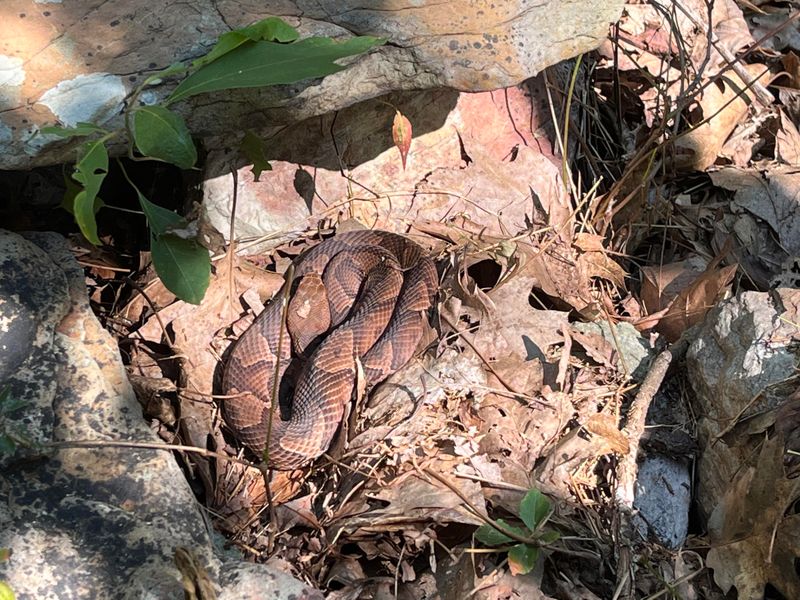
Picture a pile of autumn leaves next to your woodpile. Now picture one of those leaves moving.
The copperhead is Pennsylvania’s most common venomous snake, and its coppery hourglass bands blend almost perfectly into leaf litter.
Look for a thick body, a broad triangular head, and dark bands that are wide on the sides and narrow along the spine, like a row of Hershey’s Kisses seen from above. Young copperheads have bright yellow tail tips they wiggle to lure frogs.
Bites are painful but rarely deadly. Wear gloves and sturdy shoes when moving stacked wood, rocks, or mulch, and give any snake you spot plenty of room.
2. Timber Rattlesnake
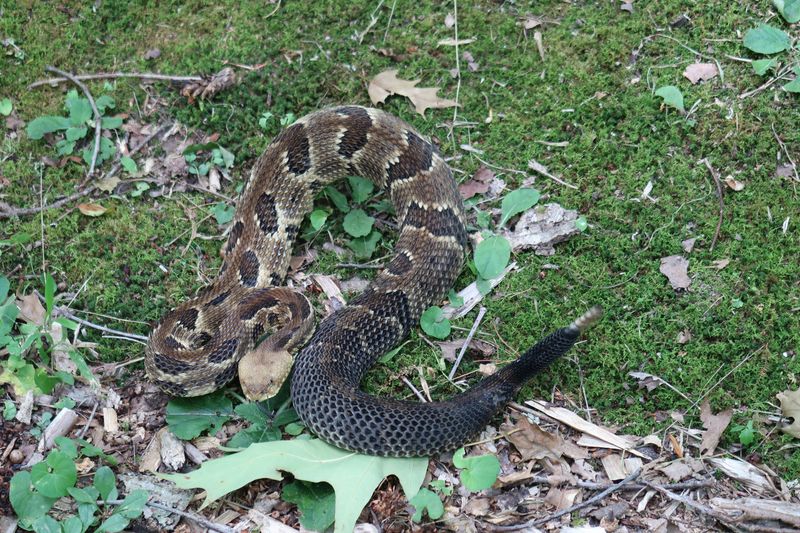
Gardeners living near rocky ridges in central and northern Pennsylvania occasionally meet a true local legend. The timber rattlesnake can grow over four feet long and wears dark, zigzag chevrons across a yellow, tan, or nearly black body.
Its velvety black tail ends in a rattle, though these snakes often stay silent and still, trusting camouflage first. Fun fact: a timber rattlesnake appeared on early American flags as a symbol of independence.
Rattlers are a protected species here, so never try to kill or move one. Back away slowly, keep pets close, and call the Pennsylvania Fish and Boat Commission if one settles in too close.
3. Eastern Massasauga
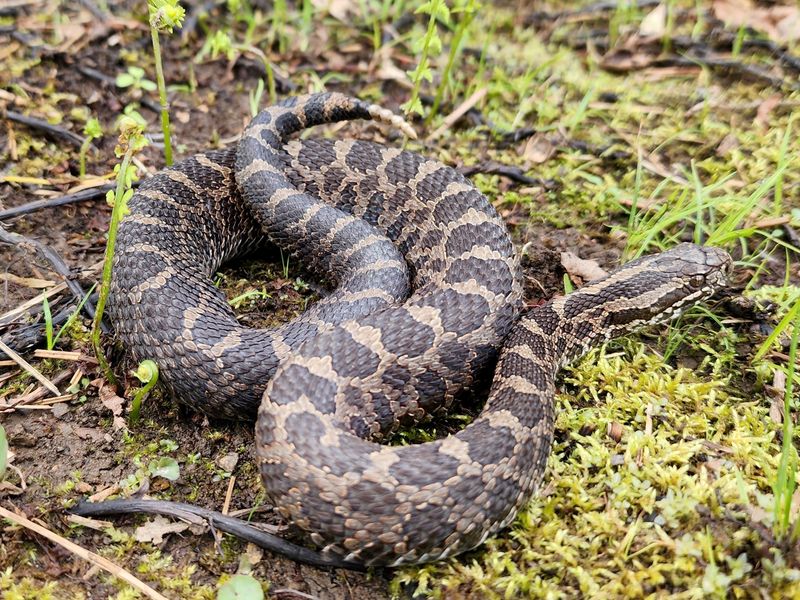
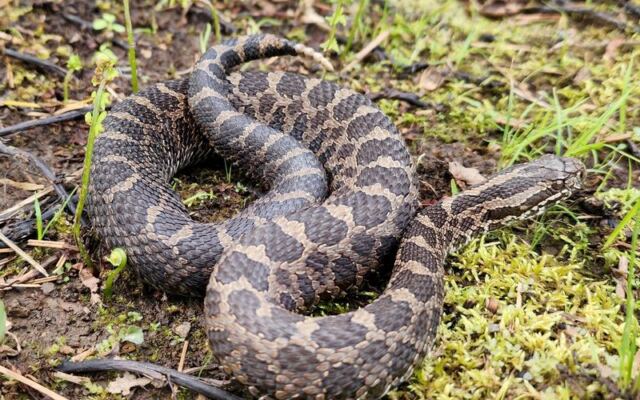
Honestly, most Pennsylvanians will never see one. The eastern massasauga is a small, endangered rattlesnake found only in a few wet meadows and old fields in western counties like Butler and Venango.
It is stocky, gray to brownish, with rounded dark blotches down its back and a tiny rattle. Adults rarely top two and a half feet.
If your garden borders damp prairie-like land in that region, mow carefully and watch your step. Spotting one is actually valuable to scientists, so snap a photo from a distance and report it.
4. Black Widow Spider
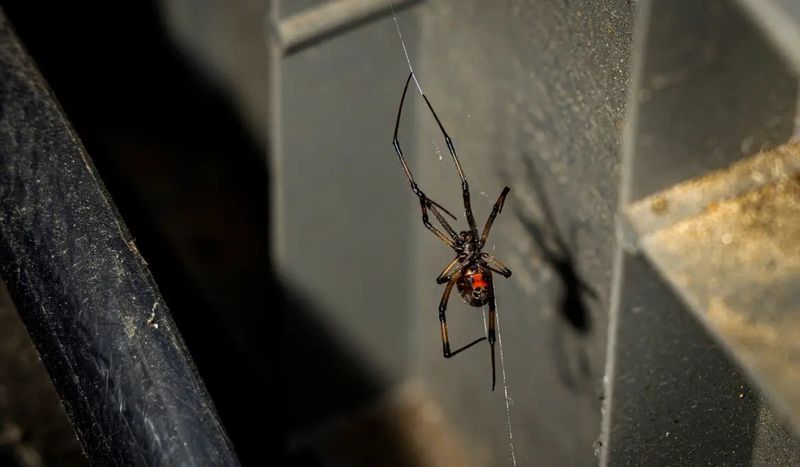
Flip over a plastic nursery pot in late summer, and a glossy black spider might stare back. The northern black widow lives across Pennsylvania, favoring dark, undisturbed spots like water meter boxes, woodpiles, and the undersides of planters.
Females are shiny black with a red hourglass on the belly. In the northern species, that hourglass is often broken into two pieces, so do not rely on a perfect shape.
Their webs look tangled and messy rather than neat circles. A bite can cause cramps and sweating, so wear gloves when tidying storage areas and seek medical help if bitten.
5. Brown Recluse Spider
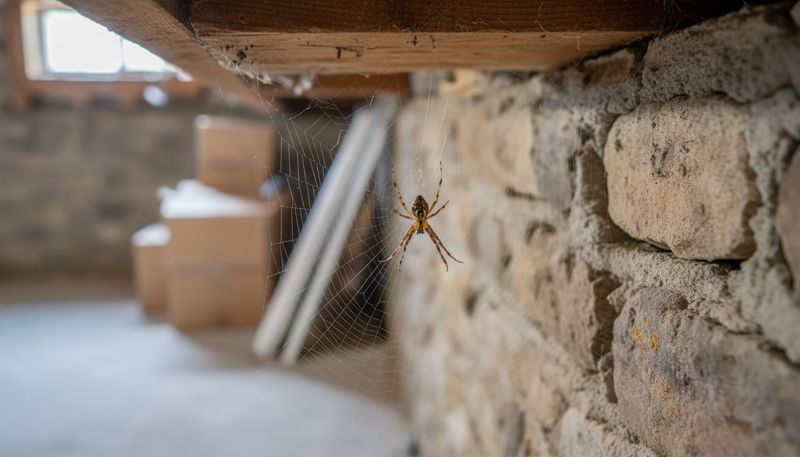
Here is a twist: brown recluses are not native to Pennsylvania. They sometimes hitchhike in boxes and furniture from southern states, and a few have been confirmed indoors here.
Look for a tan spider with a dark violin shape on its back, the neck of the violin pointing toward the rear. Unusually, it has six eyes arranged in pairs instead of eight.
Many brown spiders get blamed wrongly, so check those features before panicking. Shake out gloves and boots stored in sheds, especially if you recently moved belongings from the South.
6. Yellowjacket
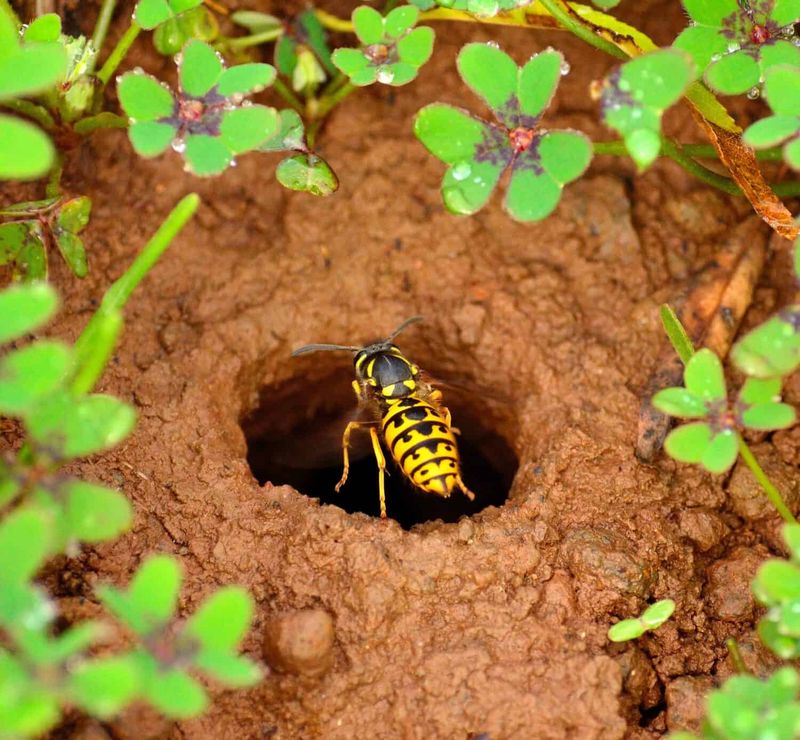
Ask any veteran gardener about their worst summer memory, and a yellowjacket nest usually shows up in the story. These black-and-yellow wasps often build nests underground, sometimes right in the lawn you are about to mow.
They are sleek, shiny, and nearly hairless, unlike fuzzy bees. Each one can sting repeatedly, and an angry colony will chase you.
Watch for a steady stream of insects flying in and out of a small ground hole. Mark the spot and avoid it, especially in August and September when colonies get large and cranky.
7. Bald-Faced Hornet
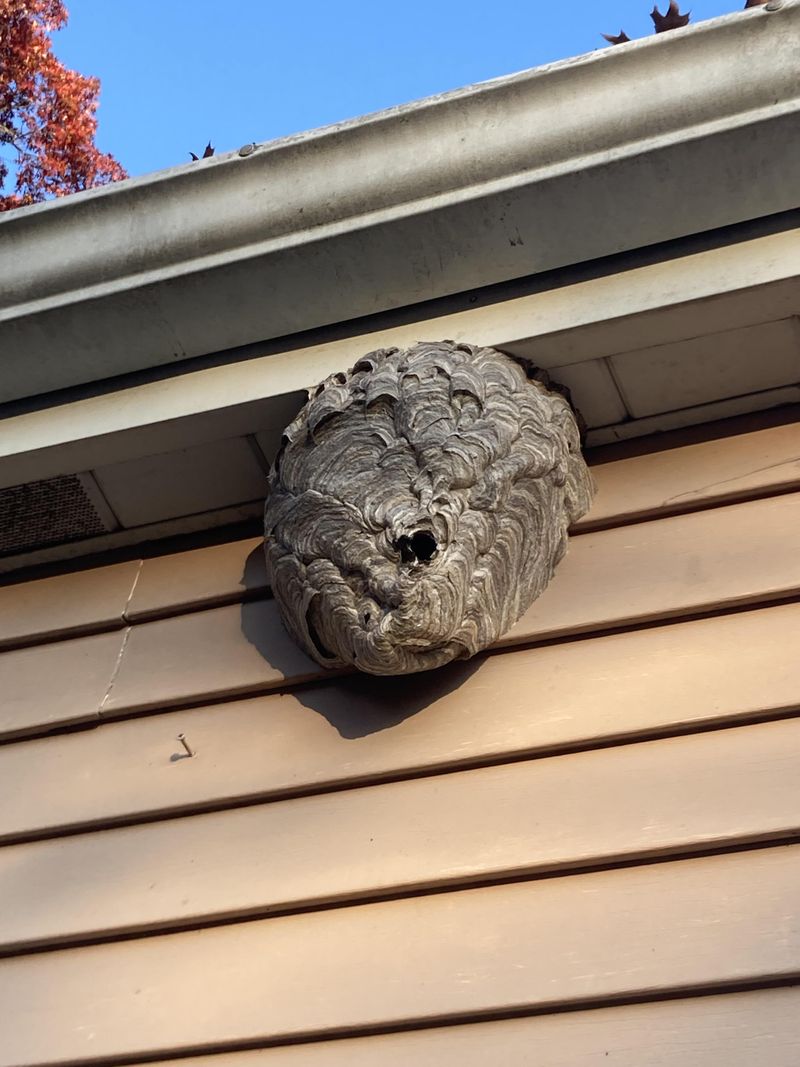
That gray paper football hanging in your maple tree? Admire it from far away.
Bald-faced hornets build those impressive nests and defend them fiercely.
Technically a type of yellowjacket, they are black with white markings on the face and tail end. They can even squirt venom toward a threat’s eyes.
Nests sometimes hide in shrubs at hedge-trimming height. Before pruning, tap the bush gently with a long stick and listen for buzzing.
8. European Paper Wasp
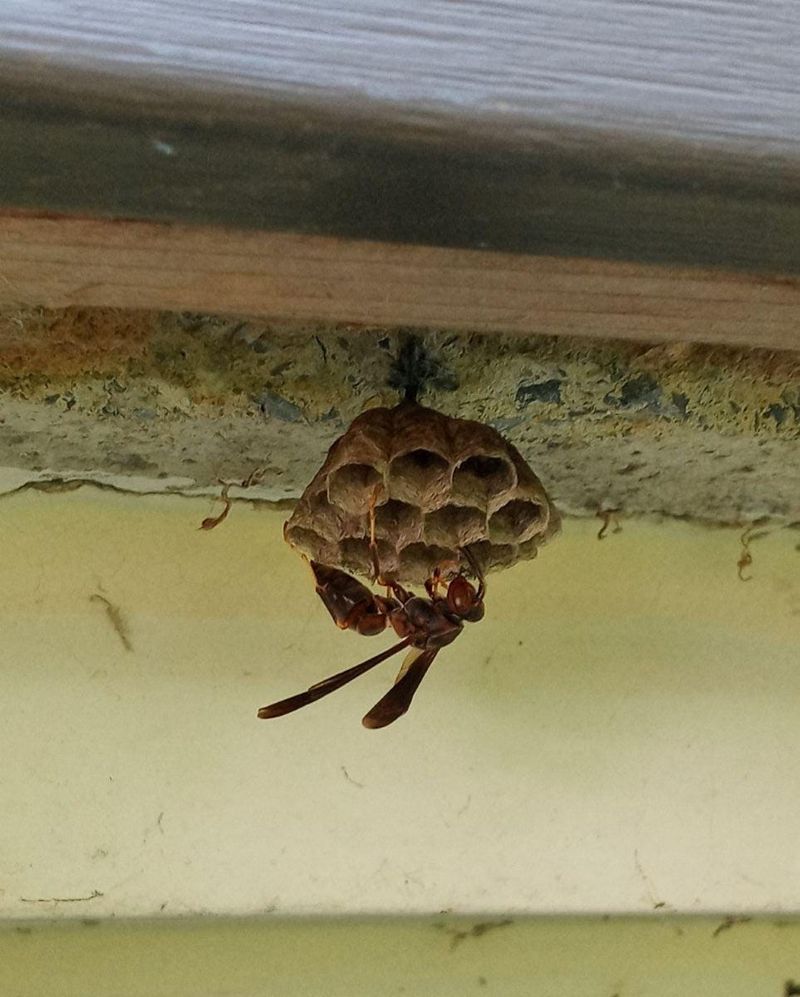
Under the porch railing, inside a birdhouse, beneath the trellis: paper wasps love tucked-away corners. Their nests look like small upside-down umbrellas with open, visible cells.
The European paper wasp is now common across Pennsylvania and is easily mistaken for a yellowjacket. Watch it fly, though, and you will see long legs dangling below its body.
They are less aggressive than hornets and even eat caterpillars that chew your plants. Still, a sting hurts, so check hidden spots before reaching in.
9. Saddleback Caterpillar
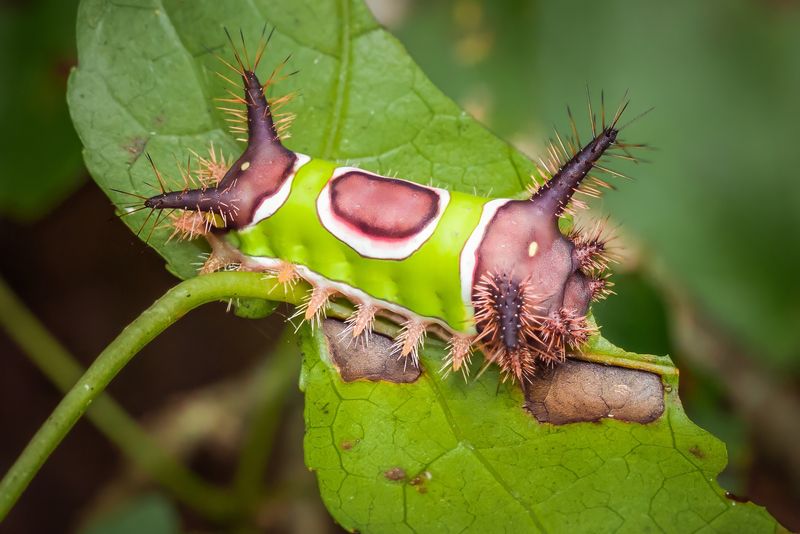
It looks like a tiny cartoon creature wearing a green saddle blanket. The saddleback caterpillar is adorable, and also loaded with stinging spines.
Brown on both ends, it has a bright green middle with a brown spot in the center. Venomous bristles cover its fleshy horns.
Brushing one while weeding can cause burning pain, swelling, and a rash. Wear long sleeves around shrubs and corn in late summer, and use tape to pull out any stuck spines.
10. Puss Caterpillar
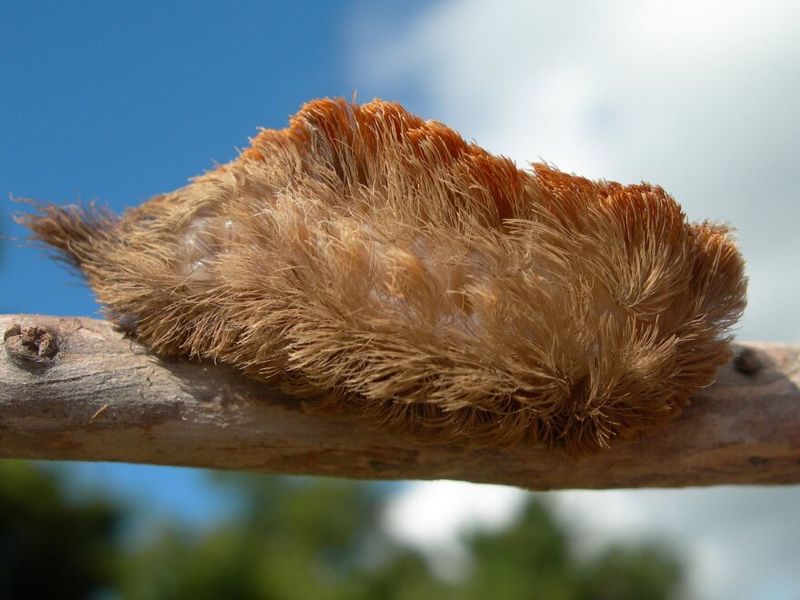
Soft, fuzzy, and totally untouchable. The puss caterpillar looks like a tiny wig or a tuft of cat fur, which tempts kids to pet it.
Hidden in that fluff are venomous spines that can deliver one of the most painful caterpillar stings in North America. It is found mainly in southern Pennsylvania on oaks, elms, and garden shrubs.
Teach children a simple rule: never touch fuzzy caterpillars. If stung, ice the area and call a doctor if pain spreads.
Share this story