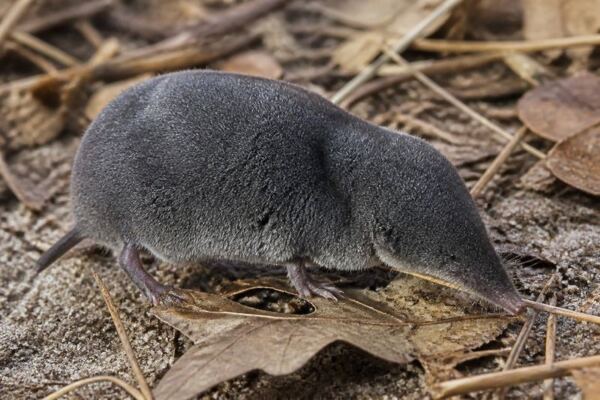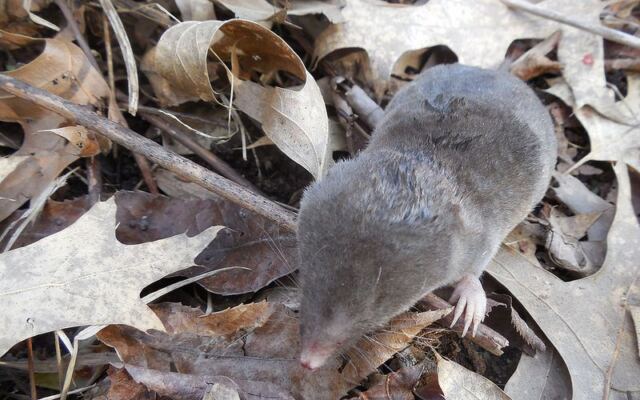
Under the oak leaves in some Florida landscapes, a tiny mammal with a venom-linked reputation may find cover. The southern short-tailed shrew is a small, mouse-sized hunter that spends most of its life out of sight.
Florida has more than one short-tailed shrew story, and the details change depending on which animal and which source you mean. Here is what the research says about leaves, venom, and living alongside wildlife you rarely see.
Leaves can furnish nest material without proving a shrew lives there
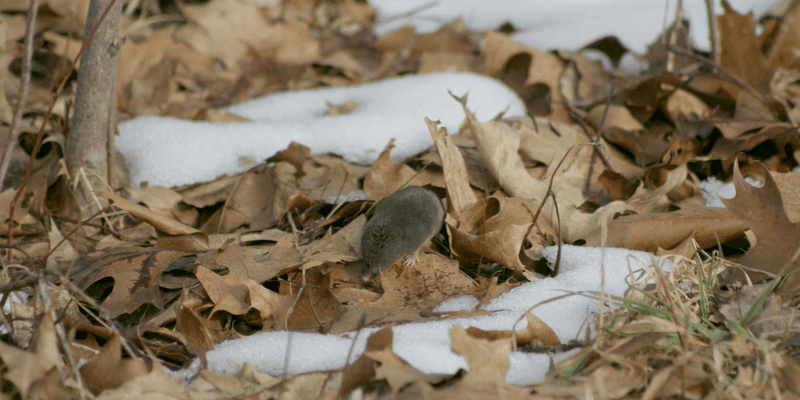
Sources do describe dry leaves as one of the materials the southern short-tailed shrew, Blarina carolinensis, uses to build nests. According to the University of Michigan Animal Diversity Web account, nests are made from shredded grass, roots, dry leaves, and other plant material.
The same account says these nests may sit underground or beneath decomposing logs and stumps. So leaves are part of a bigger picture of covered, sheltered ground.
A shrew is more likely to care about cover, food, and moisture than about the tree the leaves fell from.
That is why the oak part of the headline needs care. Nothing in the sources singles out oak leaves, and a leaf pile does not tell you a shrew is there.
Think of leaf litter as one possible ingredient in habitat, not a sign of occupancy.
A peer-reviewed species account shows this animal turns up in many kinds of places, which makes a single leafy corner a weak clue. A typical yard may have no shrews at all.
Real evidence of presence would come from a confirmed sighting or a survey by someone who knows how to identify the species.
Florida has more than one short-tailed shrew story

Calling an animal “Florida’s southern short-tailed shrew” sounds precise, but it can point to different animals depending on the source. Blarina carolinensis is the southern short-tailed shrew, a species with a wide range across the Southeast.
Sherman’s short-tailed shrew is a separate Florida story with a much smaller footprint.
According to the Florida Fish and Wildlife Conservation Commission, Sherman’s short-tailed shrew is state-threatened and has a limited range in southwest Florida, in Collier and Lee counties. FWC also reports a state rank of possibly extinct or possibly extirpated.
That is a very different picture from a common backyard animal.
Classification adds another wrinkle. The Mammal Diversity Database recognizes Blarina shermani as its own species.
Older federal usage, such as this U.S. Fish and Wildlife Service entry, lists it as a subspecies of B. carolinensis.
This article follows the database and FWC naming, treating Sherman’s as distinct. Either way, not every Florida short-tailed shrew is the same animal, and none of them live statewide.
When you read a claim about shrews, check which name the source uses and where it says the animal lives.
Short-tailed shrews use more than leaf-covered ground
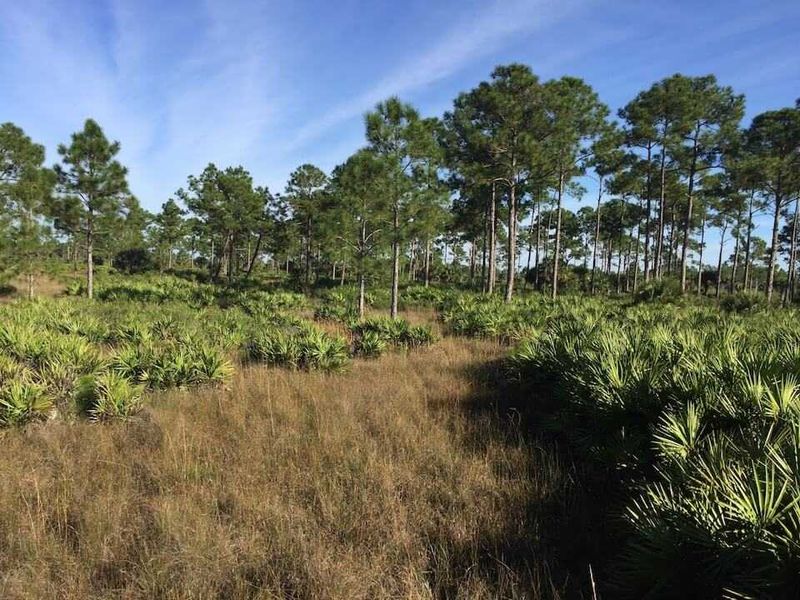
Leaf litter is only one piece of the habitat story. A peer-reviewed species account reports Blarina carolinensis from pine forests, hardwood forests, brushy areas, fields, and other disturbed sites.
That is a lot of variety.
Moisture is less settled. Some studies found the species more often in moist habitats, but others did not.
So it is a mistake to say these shrews need damp ground, or that they never use drier places.
Sherman’s short-tailed shrew is described differently. FWC’s profile points to dense herbaceous habitats and moist forests, including mixed wetland forest, mixed hardwood-pine forest, ditches, and transitional areas.
FWC also names habitat loss and drying as concerns for this animal. For a shrew with such a small range, changes in water and cover matter a great deal.
A homeowner can take a practical lesson from this. Ground cover of many kinds, from grass tufts to brush to fallen logs, may provide shelter.
A pile of leaves is just one option among them, and it will not be useful or relevant everywhere.
Venom evidence depends on which shrew you mean
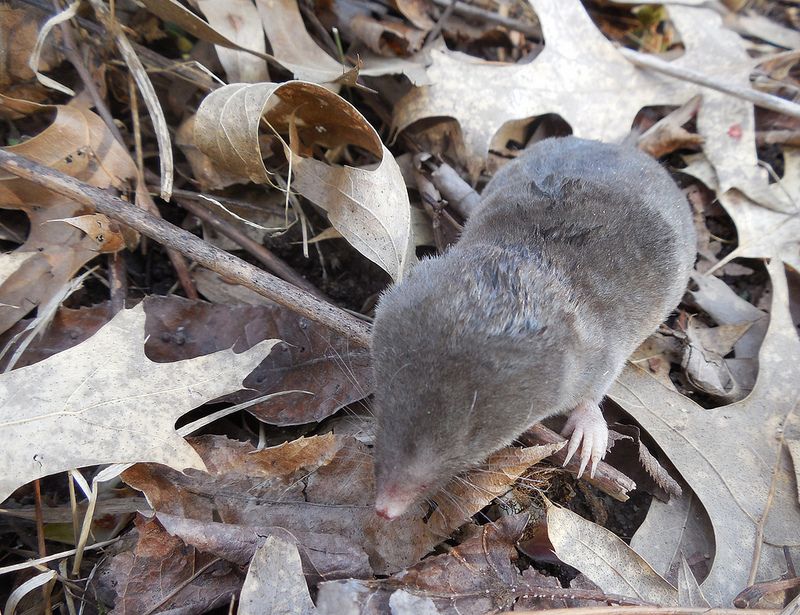
The clearest proof of shrew venom comes from the northern short-tailed shrew, Blarina brevicauda. Researchers isolated and characterized a salivary-gland toxin from that species, described in a PNAS study of Blarina toxin.
That work was done on a northern animal, not a Florida one.
For the southern species, sources disagree. A U.S.
Forest Service guide describes its bite as venomous. But the Animal Diversity Web account says venom had not been experimentally tested in B. carolinensis.
A review of venom in eulipotyphlans says only B. brevicauda venom has been well described. So for the southern shrew, venom is best called reported or inferred, with less direct evidence behind it.
No source here shows direct proof of venom in Sherman’s short-tailed shrew. Toxin effects measured in prey or lab animals also do not tell us what happens to people.
Treat the word venomous as a real but limited claim, not as a warning label for your yard.
Keep some leaves and clear the places that need it
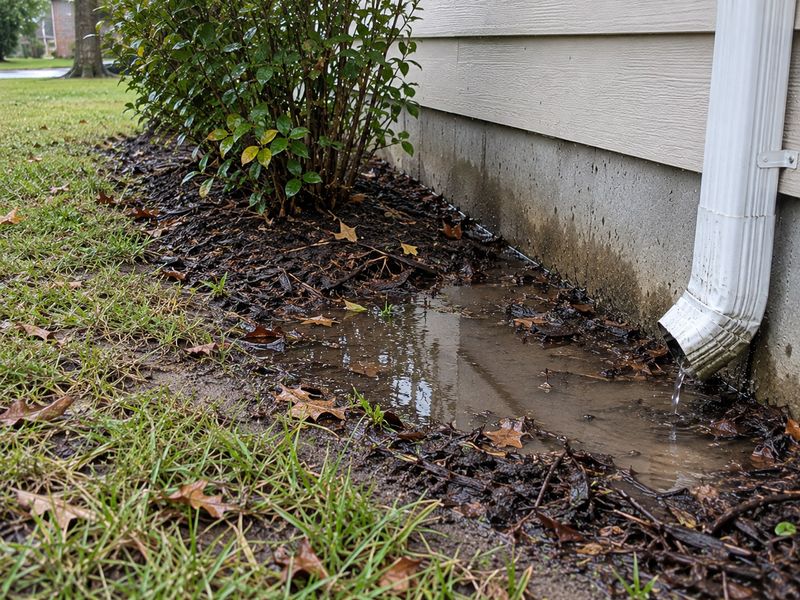
You do not have to choose between a bare yard and a blanket of leaves. A reasonable middle path is to keep some leaves in landscape beds or beneath shrubs and trees.
Clear them from walkways, from lawn areas where they smother grass, and from spots where rain can carry them away.
The runoff part matters in Florida. UF/IFAS yard waste guidance notes that leaf litter, acorns, and other debris can add nutrients to waterbodies when stormwater washes them in.
Sweeping leaves off driveways, curbs, and drainage paths helps keep them out of storm drains.
Ticks are another reason to be selective. UF/IFAS tick guidance recommends removing litter and debris from places where people spend time.
Play areas and well-used paths are good places to start.
Neither source gives a leaf depth that suits shrews, and no one has shown that leaving leaves will attract them. Treat this as sensible yard care that may also leave some cover for small wildlife.
A thin layer in a back bed and a clean path to the door is an easy way to put it into practice.
Give a suspected shrew space
If you spot something small and mouse-like in the leaves, one glance is not enough to name it. Several small mammals look alike, and a sighting alone does not tell you the species.
The best move is to keep your distance and let it go on its way.
Do not handle it or try to catch it. FWC offers wildlife viewing tips about keeping space from animals, and guidance for injured or orphaned wildlife if one looks distressed.
Sherman’s short-tailed shrew is state-threatened, and FWC guidelines outline protections against taking listed wildlife. Trapping a suspected one could cause harm to the animal.
The sources reviewed do not establish a serious human outcome from a shrew bite, but nobody should call one harmless either. If any wild mammal bite breaks your skin, wash the wound and contact a health professional or your local health department, and see Florida Department of Health rabies guidance.
A leaf pile can offer habitat potential, and it still says nothing about who is inside.
Share this story