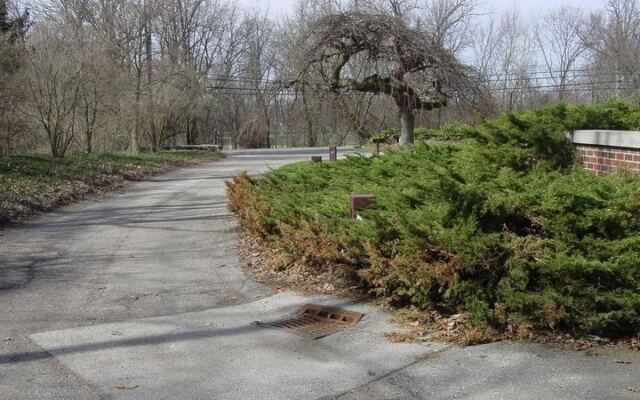
Salt Is Wrecking the Shrubs Along Your Maryland Driveway, and the fix starts with how you clear snow and what you spread. Each winter, de-icer can quietly burn boxwoods, hollies, and lawn edges that sit close to pavement.
Swapping some of your salt for shoveling and traction can cut down how much reaches your plants. Here is how to spot the trouble, protect your shrubs, and still keep every step safe to walk on.
How salt reaches the planting bed

Salt gets to shrubs in two main ways. Melted snow carries dissolved salt off the pavement and into the soil, where roots can take it up.
Spray from passing cars, plows, and shovels can also settle on leaves and needles, leaving a salty film.
Once salt is in the root zone, it can make it harder for plants to take up water. Sodium can also harm soil structure, while chloride can injure plant tissue.
According to University of Maryland Extension, salt can scorch leaves, injure evergreen needles, and eventually kill buds or branch tips.
Heavy, repeated use matters most. Maryland’s Statewide Salt Management Plan notes that repeated, heavy use of salt or brine can damage plants and soils.
A little now and then is a very different story from a thick layer applied after every flurry.
Shrubs right beside a driveway, sidewalk, or road often face the most exposure, because runoff and spray land there first. Still, distance alone does not decide risk.
A low spot where meltwater pools, or a bed downhill from a salted slope, may collect more salt than a shrub that is closer but higher and drier.
Think of your property as a set of paths for water. Where does meltwater go when the sun hits the pavement?
Following that trail shows you which plants deserve the most attention.
Are brown leaves proof of salt damage?
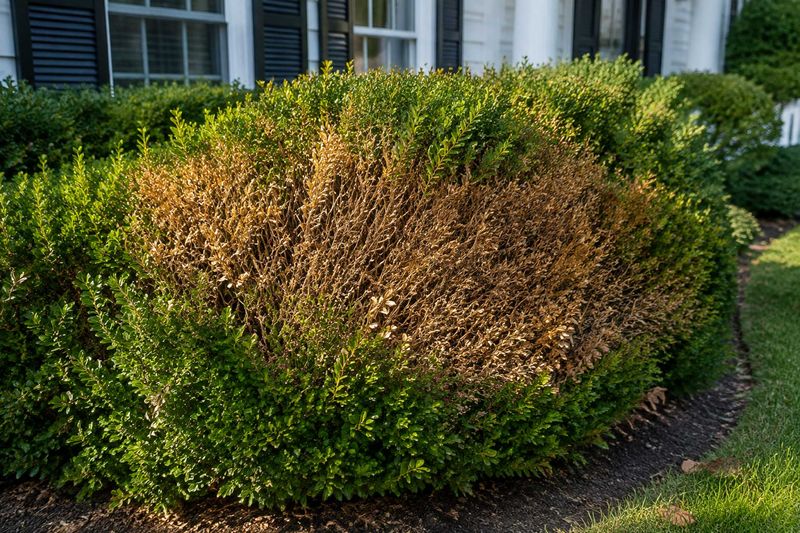
Brown shrubs in late winter set off alarm bells, but browning alone does not prove salt is the cause. Possible salt signs include brown leaf margins on deciduous plants, brittle brown needle tips on evergreens, slow growth, and dieback of buds or twigs, as described by Maryland Extension.
The catch is that winter scorch looks very similar. Boxwoods and hollies can scorch when the ground is frozen and roots cannot replace water that the leaves lose on sunny or windy days, as Maryland’s winter damage guidance explains.
So look for clues, not proof. Browning mostly on the side facing the road is suggestive.
So are salty snow piles stacked over roots, or runoff that pools near the base of the plant. The University of Wisconsin Extension points to this kind of location and exposure pattern as relevant.
If a shrub far from any pavement browns evenly, scorch or another winter stress may be the better suspect. If damage lines up with where salt travels, salt becomes more plausible.
When you cannot tell, a soluble-salt soil test may help assess a suspected soil problem. It will not tell you everything, but it gives you a number to work with instead of a guess.
Keep salty snow and spray off the shrubs
Before reaching for any product, change what happens to the snow. Clear it promptly, and scrape the surface instead of relying on de-icer to do the work.
Less snow left behind means less melting that needs help.
Where you toss the snow matters too. Shoveled or plowed snow carries salt, and a pile sitting on a planting bed releases that salt right into the root zone as it melts.
Maryland Extension advises keeping salty snow away from plants. An open stretch of lawn, away from shrubs and drains, is usually a better landing spot.
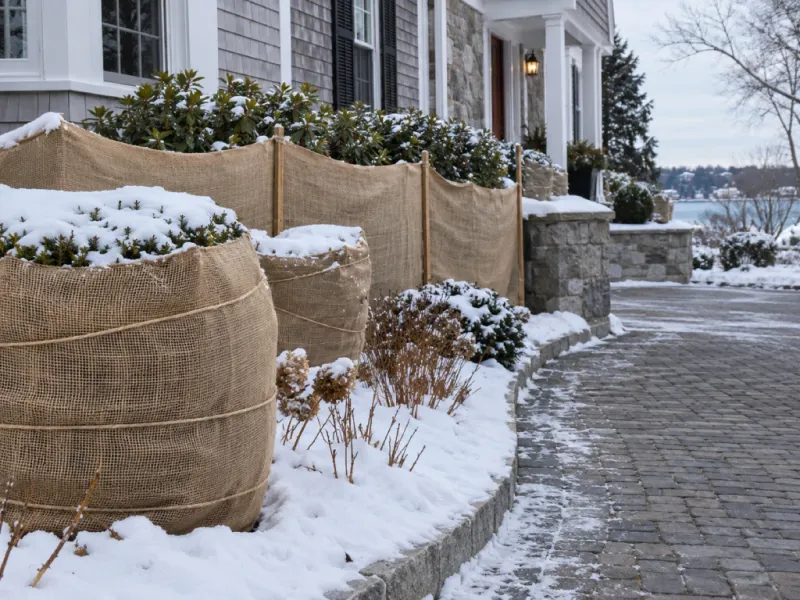
For spray, a physical barrier may help. Burlap wrapped on stakes or a length of snow fencing set between the road and a shrub can cut down on salt spray settling on foliage, according to University of Wisconsin Extension.
Leave some air space so the plant is not smothered.
A barrier only blocks what is flying through the air. It does not stop salt that is already in the soil from reaching roots, and it cannot undo existing damage.
The University of Minnesota Extension likewise recommends clearing snow first and using de-icers only as needed. Walk the property after the first storm and pick a snow-storage spot you will use all season.
Clear first, then add traction
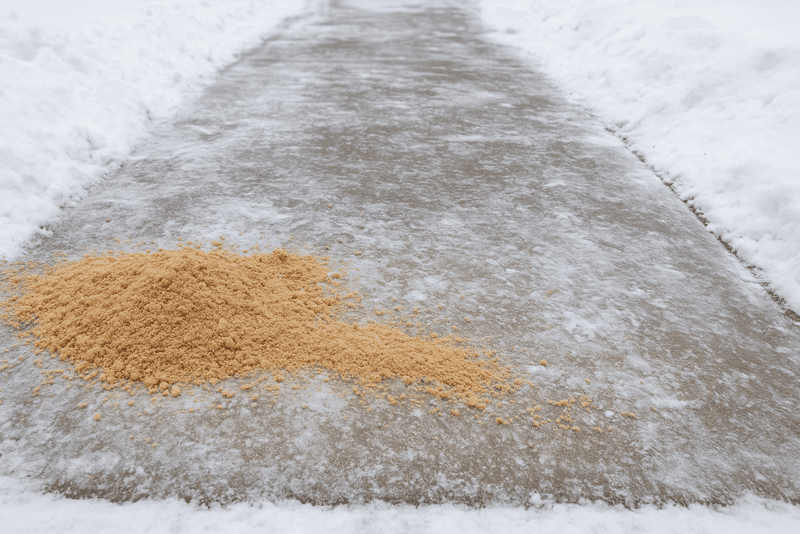
Here is the swap in action: shovel or scrape the walkway down as far as you can, then add traction only where people will walk. A clear surface with a thin layer of sand underfoot often feels safer than a slushy path covered in chemicals.
Sand and similar abrasives give your boots something to grip without adding de-icing salt. That makes them a handy choice on cold days when melting is not essential, such as a thin icy patch on steps or a slope.
The University of Minnesota Extension suggests clearing snow first and using abrasives or de-icers only as needed.
Abrasives have limits. They do not melt ice, so a sheet of ice stays put underneath.
They can also wash into storm drains and collect there, a downside noted by University of Wisconsin Extension.
Once the weather warms and the ice is gone, sweep up what is left. A push broom works well, and the leftovers can go in a bucket for the next storm or be disposed of away from drains.
Keep expectations realistic. Sand helps with footing, not with plants.
It will not repair a shrub that is already damaged, but it can mean fewer pounds of salt heading toward the bed.
When melting is necessary, compare the trade-offs
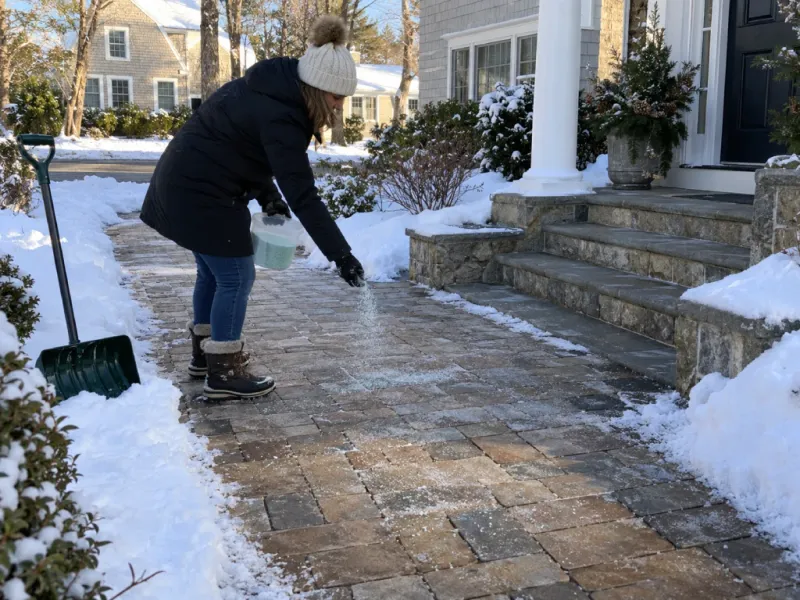
Some ice needs melting, like the sheet on the bottom of a steep driveway or the steps to your door. In those spots, apply de-icer only to the exact area that needs it, follow the label, and spread it sparingly.
Maryland Extension recommends a thin, even application. Maryland also advises limiting de-icer to critically needed areas and adding sand for traction, as noted in a Maryland Department of the Environment announcement.
Not every alternative is a free pass. According to University of Wisconsin Extension, calcium chloride and magnesium chloride can still injure plants.
Calcium magnesium acetate (CMA) is less harmful to plants than sodium chloride, but it costs more and works poorly below about 20 degrees F, in freezing rain, and on dry snow. It is not universally plant-safe, pet-safe, or harmless to the environment.
Watch labels that mention beet or other agricultural additives. They may be blended with chloride de-icers, so do not assume they are salt-free or plant-safe.
The University of Minnesota Extension notes that beet sugars can reduce oxygen in nearby waterways.
Finally, never use fertilizer as a de-icer. Maryland prohibits using it on walkways and driveways, and it can add nutrients to runoff, as the Maryland Department of Agriculture explains.
Test before trying to repair damaged soil
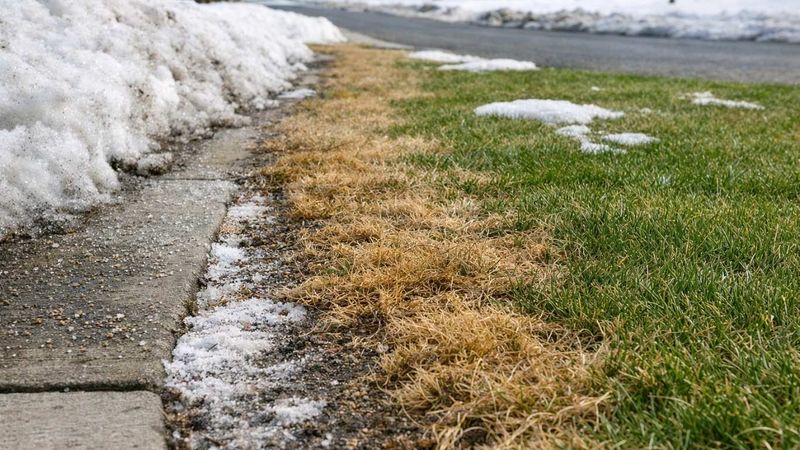
If a shrub looks off and salt is a real possibility, slow down before treating anything. A soluble-salt soil test can show whether salt levels in the soil are actually high.
That test helps you avoid spending time and money on a problem your soil may not have.
Spring is when Maryland Extension suggests action, if the site and results call for it. Its guidance is to soak the affected soil with one inch of water, three to four times in spring.
This can often help move salt down and away from the root zone.
Watering works best where the soil drains well. If water pools or the area stays soggy, extra soaking may not do much good, so check the site first.
Gypsum may be useful when a test points to high-sodium soil. It is not a cure-all, and it will not help if the real issue is winter scorch or a different stress.
Neither flushing nor gypsum guarantees a shrub will bounce back, and neither reverses damage that has already happened. Wait for new growth before judging the outcome.
Some branches may leaf out while others stay bare, and you can prune dead wood later once the shrub shows you what it kept.
Reduce exposure without leaving a hazardous path
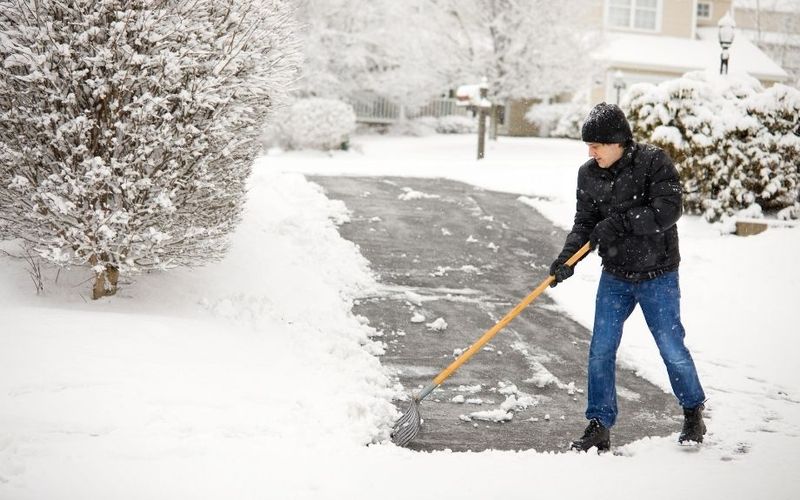
Start with the shovel, pile salty snow well away from shrub roots, choose sand when traction is the main need, and save a light dose of de-icer for places that truly need melting. Maryland Extension and the Maryland Department of the Environment support this kind of measured approach.
These habits can lower exposure, but they cannot diagnose a browning shrub or promise it will survive. Safe footing always comes first.
A good winter yard is one where people stay upright and plants get a fair shot.
Share this story