Yes, a venomous animal in Louisiana can be a tiny shrew, not just a snake or a spider. Expert accounts describe the southern short-tailed shrew as slightly venomous, which surprises many gardeners.
The details matter, because the strongest lab evidence comes from a close relative in the north. Here is what is known, what is not, and what to do if a wild animal ever bites you.
Meet Louisiana’s southern short-tailed shrew
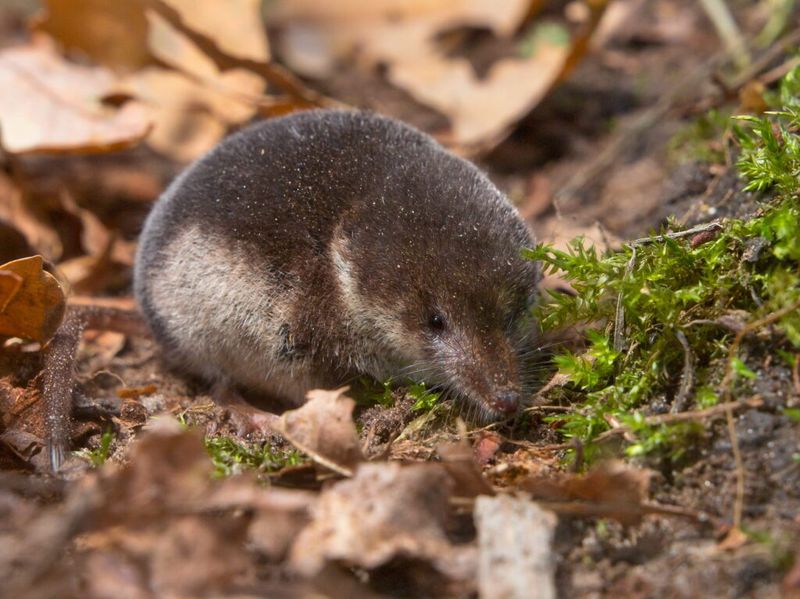
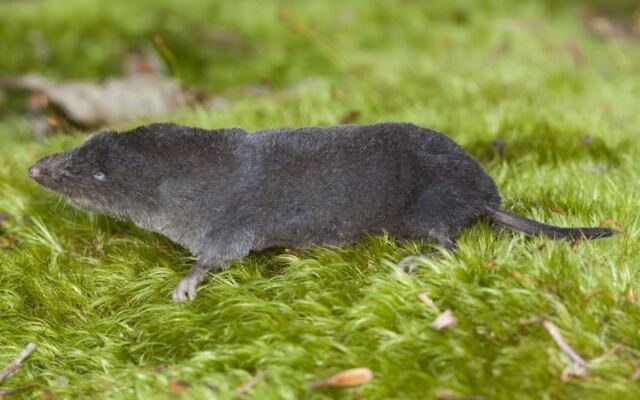
Louisiana’s short-tailed shrew is Blarina carolinensis, the southern short-tailed shrew. A recent Louisiana mammal checklist lists it for the state, and records place it in most parts of Louisiana.
The extreme southern coastal parishes are left out, so it should not be pictured in every yard in the state.
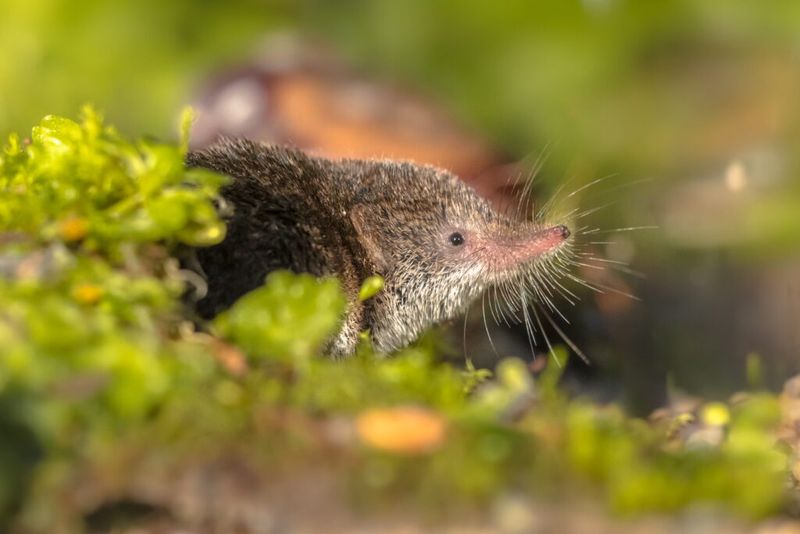
It is a compact, velvety-furred mammal with a short tail, small eyes, and a pointed nose. It is not a mouse, and it is not a rodent at all.
Shrews belong to a different group of mammals that hunt small animals.
Here is the surprise. The American Society of Mammalogists calls this species slightly venomous, meaning its saliva is described as toxic to prey.
That is an expert description, and it is not the same thing as a settled laboratory result for this exact species.
The next sections separate what is claimed from what has been tested. For now, think of this shrew as a quiet little hunter that most people never see, and one worth understanding rather than fearing.
What researchers know about its venom
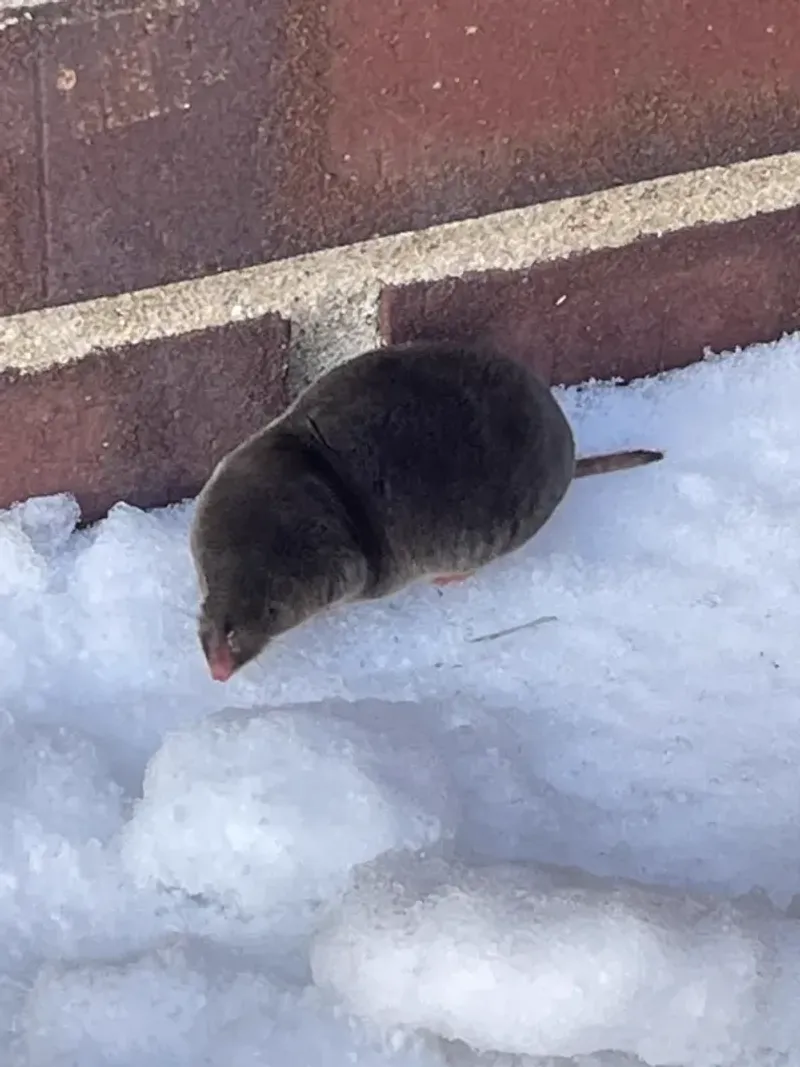
Experts do describe the southern short-tailed shrew as venomous. The American Society of Mammalogists calls it slightly venomous, and a Texas Tech species account also describes venom in its saliva.
There is a catch. A peer-reviewed review says the evidence for Blarina carolinensis is circumstantial, based mostly on how prey reacted, and that its saliva had not been experimentally tested.
The hands-on toxin work was done on a different animal. Researchers isolated and characterized a toxin from the salivary glands of the northern short-tailed shrew, Blarina brevicauda, in a primary toxin study.
So there are two different levels of certainty. For the northern species, a toxin has been pulled out and studied.
For the Louisiana species, the venom label comes from expert accounts and observations.
The two shrews are close relatives, so the northern results are a useful clue. A clue is still not proof, and it is fair to say Louisiana’s shrew is described as venomous while its saliva awaits direct testing.
How venom may help a shrew catch prey
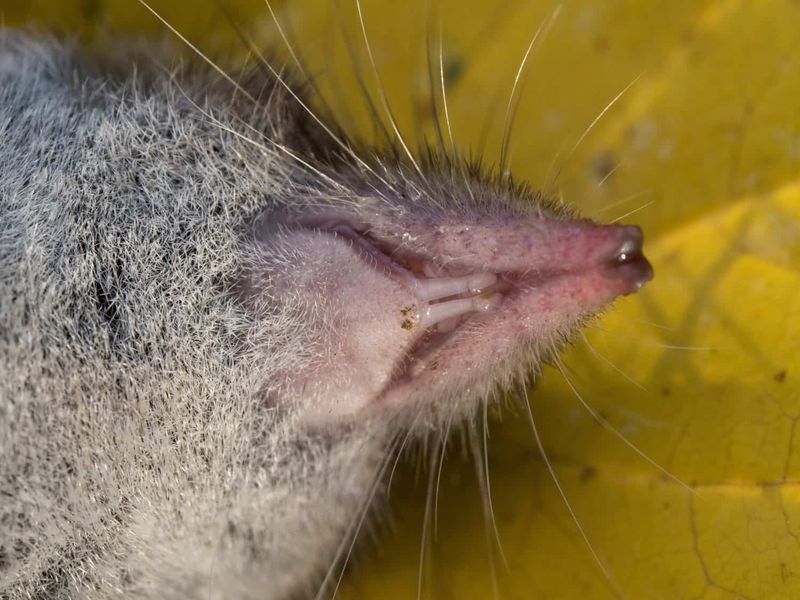
Picture a hunter with a fast metabolism and a lot of food to find. In the northern species, researchers found that toxin came from the submaxillary and sublingual salivary glands, as described in the toxin study.
When the toxin was given to mice in experiments, it caused serious effects. That fits the idea that venom helps a shrew calm or subdue prey, and many scientists consider that a plausible job for it.
The idea comes with limits. Those mouse experiments involved Blarina brevicauda, not Louisiana’s Blarina carolinensis, so they do not give the same direct proof for the southern species.
Nor is prey control the settled or only purpose. A peer-reviewed study of venom genes shows that the broader evolutionary role of shrew venom is still debated.
For a gardener, the useful takeaway is simple. Shrew saliva may help with small prey such as worms and insects, but scientists are still working out how and why it evolved.
Where the shrew lives and what it eats
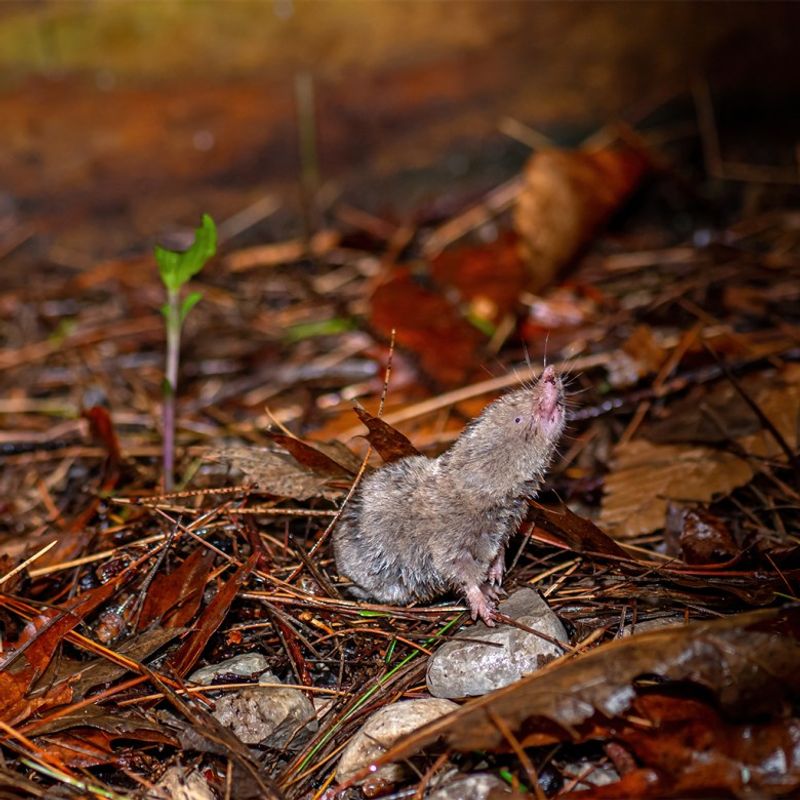
Southern short-tailed shrews use covered habitats. A Texas Tech species account reports them in forest, in openings associated with forest, and in meadows.
What links those places is cover near the ground, where a small animal can move without being easily seen. That is the safest reading of the records.
Nothing in them says leaf litter or garden beds are a typical hunting ground, so a gardener should not expect to find one under every mulch pile.
The reported diet is made up of small animals. Insects, worms, and snails are common prey, and the shrew occasionally takes small vertebrates.
That menu explains why a shrew might pass through a planted area now and then, since the same creatures live in damp, covered ground. It is a general link, and it does not make shrews a common garden resident.
If you want to notice shrews, look at the habitat around your property rather than at one flower bed. Shady, covered ground near woods or meadow edges is where the records point.
A bite deserves care, not panic
Risk to people needs some proportion. The toxin study cites accounts of human bites from the northern short-tailed shrew that involved localized symptoms, such as burning and swelling.
The Texas Tech account adds that serious effects on humans are unlikely from the southern species.
Neither point predicts what will happen with every bite. A shrew bite is not a reason for alarm, and it is also not something to shrug off.
Any bite from a wild animal can break the skin and bring germs along with it.
The simplest protection is to leave shrews alone. CDC guidance on wildlife advises people to avoid handling wild animals.
Do not try to catch a shrew to identify it, and do not judge a bite by how small the animal was. Wear gloves when moving boards, pots, or brush, and let the animal walk away.
Wash a bite and ask a professional
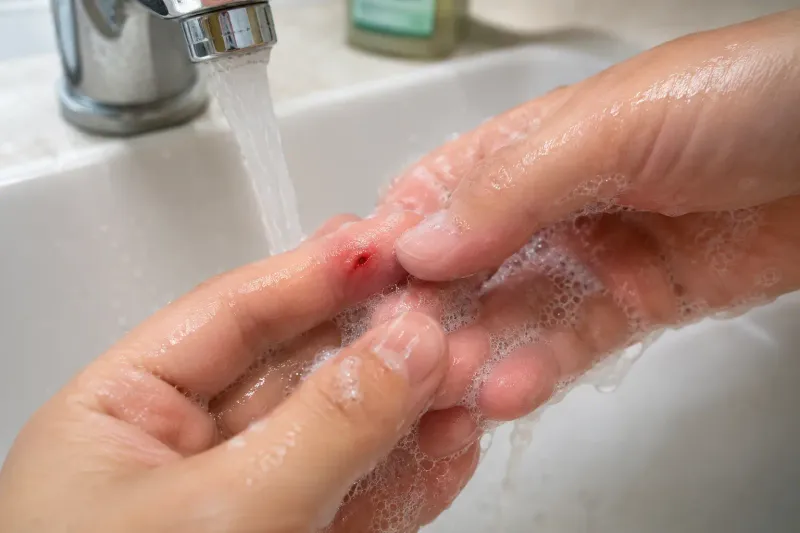
If a wild animal bites or scratches you, wash the spot right away with soap and water. Then call a healthcare or public-health professional to talk about the exposure and whether more care is needed, as outlined in CDC guidance on when to seek care.
The same advice appears in the agency’s general wildlife safety material. Skip home diagnosis, and do not rely on the animal’s size to decide how worried to be.
Louisiana’s shrew may be slightly venomous, but the proof for that label depends on which shrew you mean. The lab evidence belongs to the northern cousin, and the southern one is still waiting for its saliva to be tested.
Share this story